An inspection of Weston Approved Premises
Foreword (Back to top)
At Weston approved premises (AP) we found a dedicated staff team working hard under significant pressure. The AP was running with only the minimum number of staff, and there were not enough relief workers available to cover sickness or absence. This meant staff were often asked to work extra shifts to keep the premises safe. During the inspection, we also saw the AP manager regularly working beyond their contracted hours and stepping in to cover operational duties. While the commitment of staff and managers was commendable, the service had become too reliant on their goodwill. In our view, this ongoing pressure was not sustainable and posed a risk to their health and wellbeing.
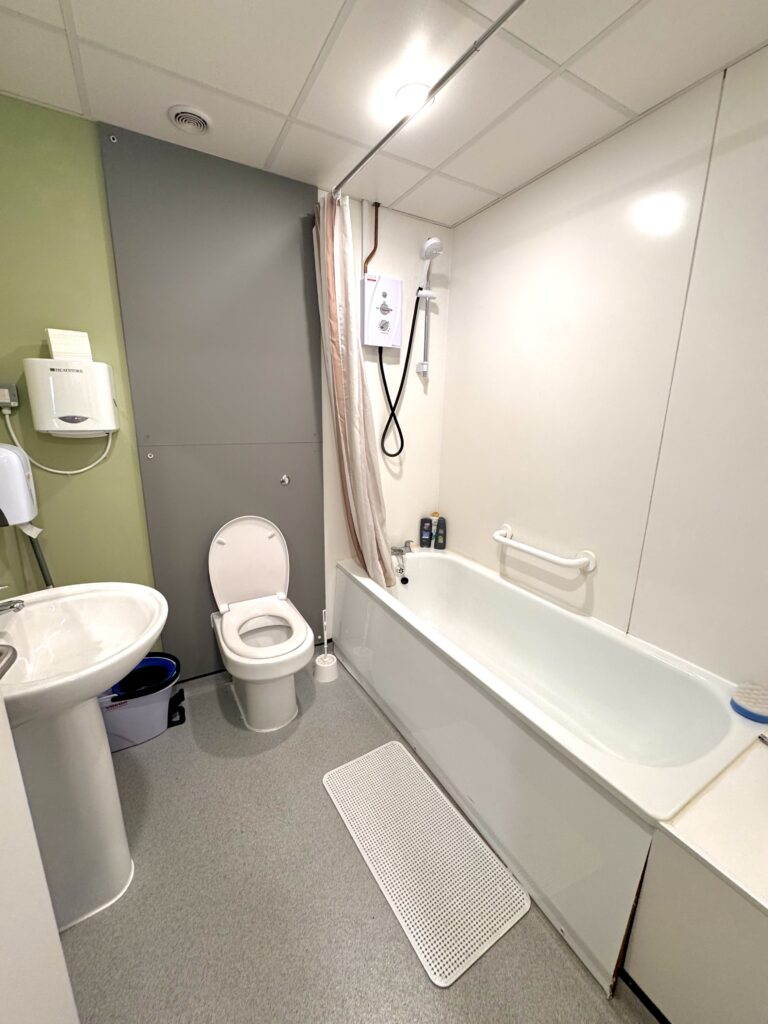
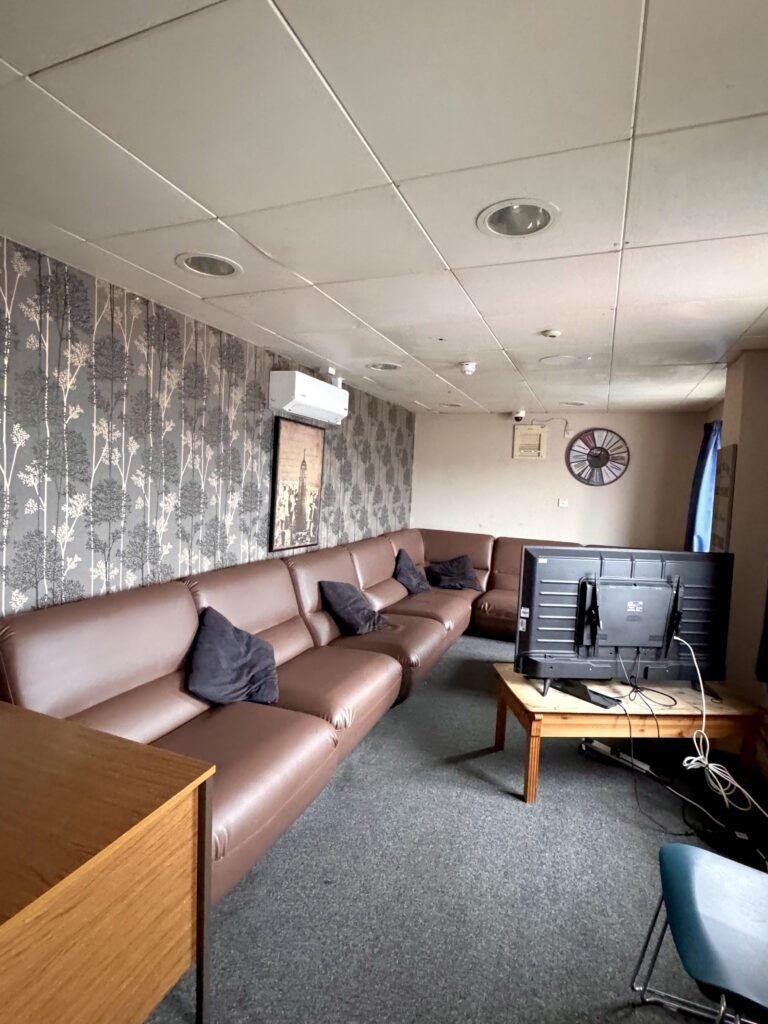
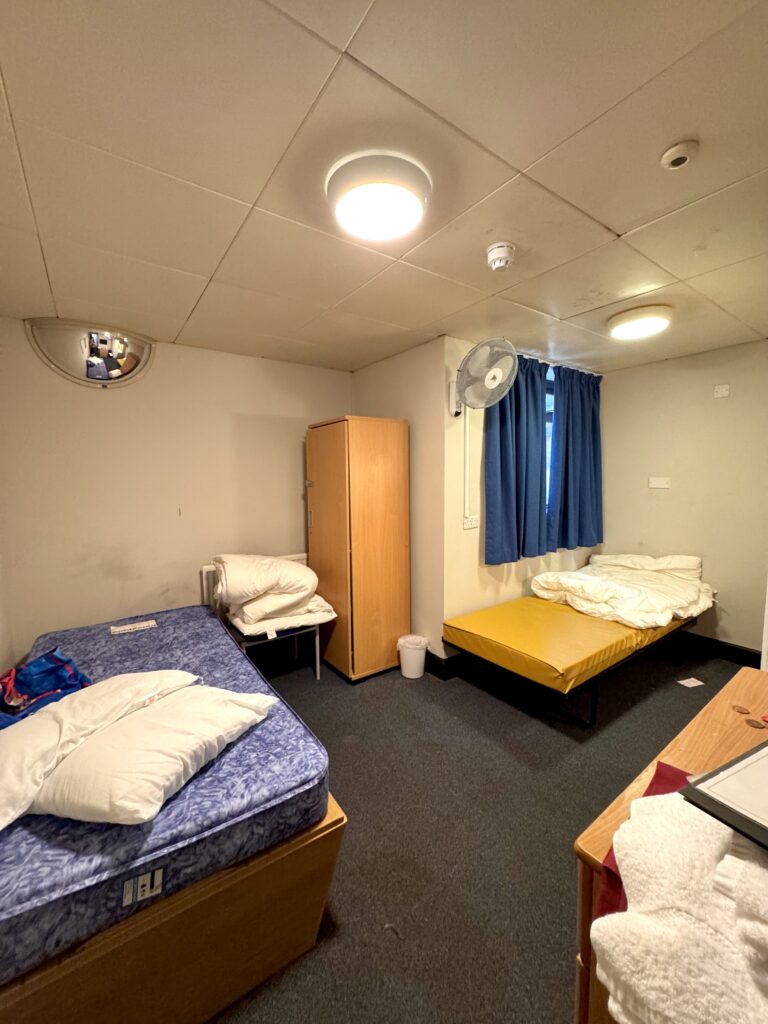
The AP was not providing a consistently safe or high‑quality service. We issued an organisational alert to HM Prison and Probation Service (HMPPS) because of serious safeguarding concerns. Staff were not completing the required checks on residents who were at higher risk of overdose, and key processes to tackle suicide and self-harm were not being followed. The physical environment was inadequate, with poor communal areas and bedrooms of inconsistent quality. These were basic elements of safety and dignity and must be addressed urgently. We also had concerns about staff safety, including the lack of a suitable interview room and ongoing faults with the CCTV system.
Despite these difficulties, the AP demonstrated several strengths. Public protection arrangements were good, and staff took a proactive approach to monitoring risk, sharing information, and responding quickly when risks increased. Relationships between staff and residents were positive, and the AP had strong links with a wide range of partner organisations to support residents’ rehabilitation.
We have rated Weston as ‘Requires improvement’ and there are clear foundations to build on.
However, significant work is now needed to make sure residents are kept safe, supported effectively, and living in accommodation that meets the standards expected of an approved premises. I hope this inspection helps drive that improvement.
Martin Jones CBE
HM Chief Inspector of Probation
Background information (Back to top)
| Total number of approved premises nationally | 105 |
| Length of time on site by inspectors, including out-of-hours activity | Two days |
| Total number of beds in Weston | 27 |
| Average length of residents’ stay at Weston | 48 days |
Nationally
APs play a vital role in managing some of the highest-risk individuals supervised by the Probation Service. There are 105 APs across England and Wales, most of which are for men only, with eight dedicated to women. Twelve APs operate as psychologically informed planned environments (PIPEs), co-commissioned with NHS England. Fifteen APs are independently run by third-sector providers under contract and in partnership with HMPPS, including five of the eight women’s APs.
Locally
Weston was a recovery‑focused approved premises located in Weymouth, Dorset, offering accommodation for up to 27 adult men. The site consisted of 19 single rooms, four double rooms, and a small annex equipped with its own kitchen and several adjoining bedrooms. At the time of our inspection, 21 residents were living at the premises.
Our inspection methodology
We carried out the inspection of Weston during the week commencing 02 March 2026. This included an off‑site review of eight cases involving individuals who were either current residents or had recently left the premises. During the onsite fieldwork, we observed practice and conducted interviews with managers and staff, both individually and in group settings. We also interviewed key partner organisations working with Weston. Feedback was gathered from seven current residents about their experiences. In addition, we observed the AP’s out‑of‑hours operations, including the evening shift handover and the morning meeting, and reviewed recent enforcement and recall decisions.
Ratings (Back to top)
| Fieldwork started March 2026 | Score 6/15 |
| Overall rating | Requires improvement |
| Standard | Score | Rating |
| Leadership and governance | 2 | Good |
| Staffing | 1 | Requires improvement |
| Safety | 0 | Inadequate |
| Public protection | 2 | Good |
| Rehabilitation | 1 | Requires improvement |
Recommendations (Back to top)
As a result of our inspection findings, we have made the following recommendations that we believe, if implemented, will have a positive impact on the quality of services delivered at Weston AP.
The Weston AP leadership team should:
- ensure that all staff receive regular, structured supervision, and that supervision sessions are consistently and appropriately documented
- provide all staff with training and development that improves practice and strengthens their understanding of policy and processes to keep residents safe
- strengthen management oversight by ensuring that key documents are routinely reviewed and countersigned, feedback provided, and all management decisions are recorded on electronic systems
- embed routine quality assurance processes at a local level, making use of support from the national team, to improve the consistency and quality of work with residents
- improve recording practices across all areas of work to ensure the effective delivery of high‑quality services and to support the timely and accurate sharing of relevant information
- ensure regular, structured keywork is provided to all residents, using motivational interviewing and aligning interventions with the work undertaken by probation practitioners.
His Majesty’s Prison and Probation Service should:
- provide immediate support to Weston AP to ensure that practice, systems, and processes are safe, consistent, and contributing positively to the management of residents. This should include support to train and develop the staff group, and providing support with quality assurance activity
- urgently review staffing and resourcing to determine the levels required for the AP to operate safely, with additional consideration of what is needed to function effectively as a recovery‑focused provision
- ensure that the AP manager has sufficient capacity and resources to provide effective oversight, and drive improvements in practice
- undertake a full security review of the AP to ensure robust staff safety arrangements
- improve the physical environment by reviewing and addressing the health and safety concerns linked to arson-designated rooms, and by ensuring that residents’ facilities, furnishings, and communal areas meet decency standards.
Leadership and governance (Back to top)
| Leadership and governance drive the delivery of a high-quality service. | Rating |
| Good |
Strengths:
- The head of public protection (residential), who had been in post since January 2026, had taken active steps to strengthen leadership visibility and improve communication across the service. They had introduced more regular opportunities for staff at all levels to receive updates, raise concerns, and share feedback. By the time of the inspection, a range of new forums and meetings had been established, and an all‑staff awayday was planned for April 2026.
- Relationships within the leadership team, and between leaders and staff, were positive. Inspectors observed that the AP manager placed strong emphasis on staff welfare and wellbeing, and consistently demonstrated a collaborative approach, often taking on tasks outside their own role to support the wider team.
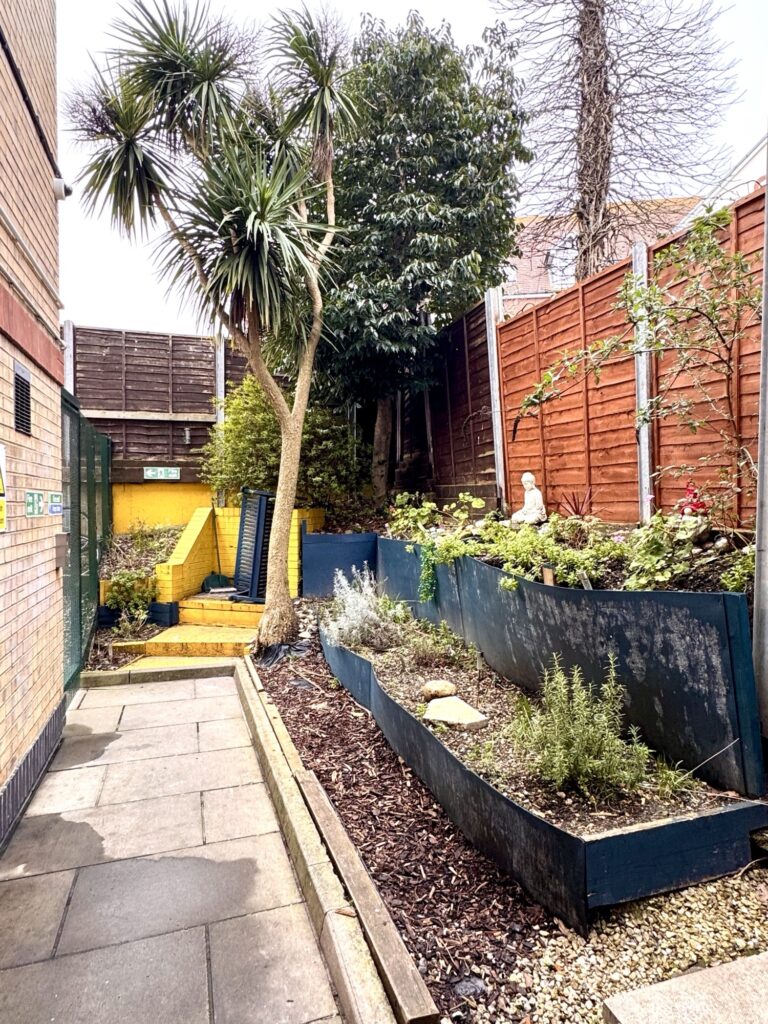
- Residents had several ways to share their views, and staff generally responded well to the feedback provided. Weekly community meetings offered a regular forum for residents and staff to discuss issues affecting the AP, and records showed that concerns raised were followed up. A residents’ representative provided additional support to new arrivals and acted as a link between residents and the manager. The AP also benefited from contributions by former residents, whose lived‑experience input, such as support with fitness, nutrition, business skills, and the community allotment, was welcomed and appropriately risk‑assessed.
- The AP benefited from a wide range of established multi‑agency partnerships that supported residents’ rehabilitation and contributed to public protection. Inspectors found regular input from services offering support with health, substance misuse, employment, accommodation, mental health, and skills development. Staff also worked closely with criminal justice partners to share information and manage risk effectively. Residents were able to access community‑based groups that promoted wellbeing, social connection, and positive routines. These partnerships were well‑used, and together provided a broad network of support to help residents make progress during their time at the AP.
- There was a focus on monitoring performance metrics within the AP. A designated staff member reviewed cases and shared performance information with the team, helping to highlight where targets were being met and where additional attention was needed. This routine monitoring had already contributed to improvements in areas such as pre‑arrival communication. The newly appointed head of public protection (residential) had also begun to reinforce the importance of meeting organisational performance requirements, and meeting minutes evidenced that inspection activity was becoming a more regular feature of leadership discussions.
- Staff had access to reflective practice sessions delivered by the offender personality disorder (OPD) team, which supported their work with residents who had complex needs. We saw examples of staff drawing on this support when managing particularly challenging situations. The OPD team had also provided tailored training to staff in areas such as trauma‑informed practice and sensory processing.
Areas for improvement:
- While Weston AP had a well‑defined vision as a recovery‑focused provision and staff were committed to delivering this, inspectors found that wider organisational arrangements and resourcing did not always support the effective delivery of the model. This meant that, despite staff enthusiasm and a clear local identity, the AP was not consistently able to operate in line with its recovery‑focused aims.
- No routine quality assurance was taking place. A previously developed quality assurance tool had fallen out of use due to limited management capacity. Although local management was expected to oversee and assure the quality of key processes, the AP manager’s workload was substantial, leaving insufficient time to complete all responsibilities. Additional support was required at both area and national tiers to ensure frontline services were delivered consistently and to a high standard.
- While staff generally had a good understanding of residents’ profiles and there were local arrangements to support diverse needs, inspectors found that this was not consistently reflected in casework. Only a minority of residents in our sample had been asked about their diversity characteristics at the start of their placement, and there was limited evidence of how identified needs were then addressed in day‑to‑day practice. Although staff awareness was often evident, the work recorded did not clearly demonstrate how residents’ individual needs were understood, planned for or incorporated into the support provided.
Staffing (Back to top)
| Staff are enabled to deliver a high-quality service for residents. | Rating |
| Requires improvement |
Strengths:
- Inspectors found the staff team to be positive, engaged, and cohesive. Staff showed clear passion and commitment to their roles and appeared genuinely focused on delivering a good service.
- There was a strong relational ethos at Weston AP, and interactions between staff and residents were generally positive, respectful, and professional. Staff also spoke about residents in a considerate and non‑judgemental way. Most residents we spoke to described staff as approachable and caring, and feedback from the residents’ survey indicated that many felt supported and treated with dignity and respect.
- The staff team worked closely together and readily supported one another, often stepping in to provide cover when required. Alongside this strong sense of teamwork, staff also developed practical ways to simplify practice and reduce workload, including introducing digital tools to streamline communication and creating resources to help residents access local services more easily.
- New staff received a structured local induction that included mandatory training and opportunities to shadow experienced colleagues, and residential workers (RWs) spoke positively about the support offered through the national induction programme. Probation services officers (PSOs) followed an organisation‑wide induction pathway, which required them to begin an apprenticeship on starting the role.
- Completion rates for mandatory and role‑specific learning were high, and staff had also engaged in diversity and inclusion training, including modules on tackling unacceptable behaviour. We saw examples of additional bespoke training being arranged to strengthen practice, and staff visiting other APs to learn from different approaches.
Areas for improvement:
- Staffing at Weston AP followed the standard model, but the service had faced significant challenges over the previous year, including sickness and vacancies that resulted in a temporary closure. Although core posts were filled at the time of inspection, gaps in the relief staffing pool meant there was limited capacity to cover absences, placing increased pressure on staff to fill rota gaps and maintain safe staffing levels.
- The AP manager carried an extensive workload, taking responsibility for the day‑to‑day running of the recovery‑focused provision while also covering additional duties such as on‑call responsibilities and, at times, RW shifts. We also saw examples of the manager undertaking direct work with residents. Although highly committed to the role, the volume of demands meant the manager was unable to keep pace, and inspectors concluded that management capacity at Weston was insufficient.
- Staff were responsible for delivering structured recovery sessions, but had only been trained in the programme content and not in group facilitation skills. Residents told inspectors that the sessions often lacked basic structure and clear expectations, which meant they were sometimes disrupted or diverted away from their intended purpose. Staff required additional training to develop their groupwork facilitation skills.
- Inspectors found that management oversight was largely absent in the cases reviewed, with key documents often unsigned and limited evidence that actions had been followed up when oversight did occur. Although the manager held daily meetings to review residents’ risks and needs, there were no formal processes to ensure agreed actions were completed, which reduced accountability and weakened overall oversight.
- Improvements were needed in some areas of operational practice, as well as in the recording of work, to ensure residents’ needs were consistently met. Case recording lacked clarity and accuracy, and, overall, the quality of casework across the files reviewed was inconsistent.
- The AP manager maintained an open‑door approach and was visibly present to support staff, but formal supervision was not taking place with the frequency set out in policy, and no written records of sessions were available.
- Inspectors identified concerns about the arrangements to support staff safety. Ongoing CCTV faults in the AP since December 2025 meant that although cameras were operating, footage could not be reviewed, limiting staff ability to monitor and respond to security incidents. In addition, the interview room used for residents’ meetings was within the staff‑only area, requiring residents to be brought through the main office. This layout did not provide a suitable or secure space for interviews and required urgent review.
Safety (Back to top)
| The approved premises provides a safe, healthy, and dignified environment for staff and residents. | Rating |
| Inadequate |
Strengths:
- Medication was managed safely and in line with policy and legal requirements. Inspectors found clear processes for administering and auditing medication, appropriate checks for residents managing their own medication, and secure storage arrangements. Records were well maintained, and all staff had been trained and deemed competent to carry out their responsibilities.
- Residents had a clear understanding of the behaviour expected of them, with rules and expectations set out in their welcome packs and reinforced during weekly community meetings.
Areas for improvement:
- Although initial suicide and self‑harm assessments were completed in all cases, the required 14‑day reviews had not been done consistently. While the assessments themselves were generally sound, the support plans were not tailored to individual residents. A single, standard outcome was applied in every case where risk was identified, including for residents with heightened or complex risks for whom this level of response was not sufficient. Where additional monitoring was required, records did not show that actions had been completed, raising concerns about compliance and the reliability of recording. Management oversight was also limited, with required countersignatures frequently missing.
- Inspectors also identified serious concerns about the level of oversight of residents, particularly those at heightened risk of overdose. AP staff did not comply with the welfare check policy, as they did not carry out required ‘roused response’ checks and relied solely on visual observations. When combined with the insufficient individualisation and review of suicide and self‑harm assessments, this created significant gaps in safeguarding arrangements. Together, these concerns led us to issue an organisational alert.
- Staff did not know how to initiate the Collaborate Assessment of Risk and Emotion (CARE) process, the organisation’s framework for monitoring active risks of suicide and self‑harm. Although all staff were expected to begin this process when concerns arose, those interviewed were unsure how to do so, and responsibility routinely fell to the manager. Training was needed to ensure that the whole team could apply the CARE process consistently and promptly.
- Staff did not apply safeguarding responses consistently across all cases. This inconsistency, combined with gaps in the recording of safeguarding actions, meant that residents were not always afforded the level of protection required.
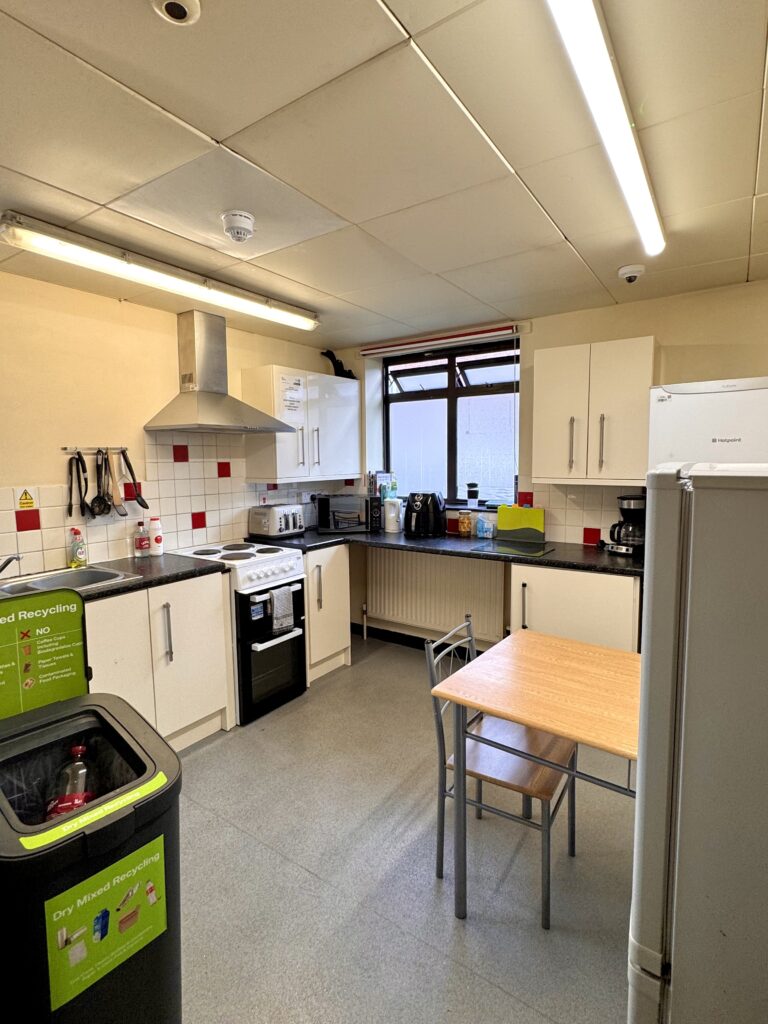
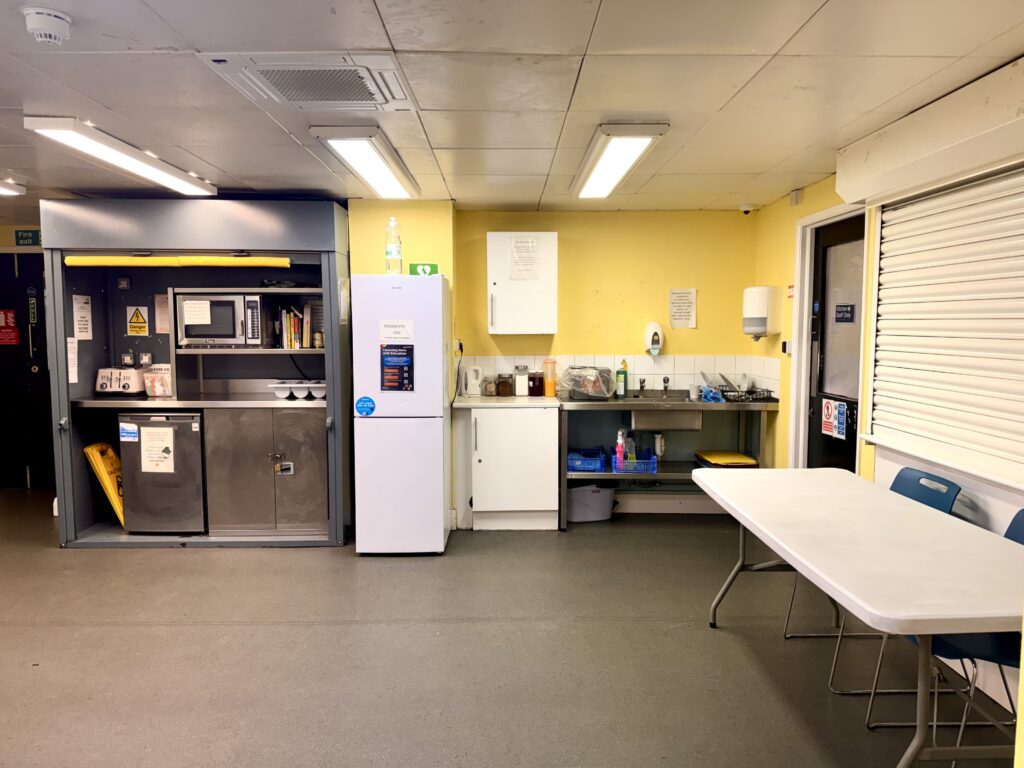
- Facilities for residents were poor in several areas and required significant improvement. Some bedrooms were in noticeably poor repair and affected by strong odours. Communal facilities were particularly limited: because the dining room had insufficient and faulty furniture, most residents had to eat their meals in their bedrooms, and there was no dedicated kitchen space beyond basic appliances on a breakfast bar. Laundry provision was also inadequate, with only one washing machine and one dryer for the entire premises.
- The arrangements for managing residents who posed an arson risk required further review. Although five rooms had been designated for this purpose, their layout raised safety concerns. Three of the rooms were positioned consecutively at the end of a corridor, meaning residents might need to pass an affected room to evacuate safely in the event of a fire. The inspection team also noted that five arson‑designated rooms within a single AP created a concentration of risk if several high‑risk residents were placed there at the same time. A health and safety review was therefore needed to ensure these concerns were fully understood and that associated risks could be managed effectively.
- As a result of centralised allocation processes, residents who were not in recovery were sometimes placed in shared rooms with those who were, which risked undermining the aims of a recovery‑focused provision. We also found examples where individuals with clear vulnerabilities or risks were assessed as suitable to share a room when single‑room accommodation would have been more appropriate. These issues highlighted the need for national guidance on room‑share suitability assessments to support safe and consistent decision‑making.
Public protection (Back to top)
| The approved premises effectively protects the public. | Rating |
| Good |
Strengths:
- The AP was appropriately represented at multi-agency public protection arrangements (MAPPA) meetings. The area manager attended meetings for cases until they were allocated to Weston AP, after which the AP manager took an active role, attending Level 3 meetings jointly with the area manager and leading on Level 2 meetings.
- The AP had systems to identify residents who might pose a risk to one another if accommodated at the same time. Following a previous incident in which incompatible residents were allocated simultaneously, staff introduced a ‘keep safe from’ list to support safer placement decisions. Allocations were routinely checked against this list to ensure that any potential conflicts were identified and addressed promptly.
- Enforcement and improvement planning processes were used effectively to address behavioural concerns among residents. When behaviour breached both AP rules and licence conditions, staff worked jointly with the probation practitioner to give a single, clear message to the resident rather than issuing duplicate warnings. A review of out‑of‑hours decisions also showed that staff were able to assess and respond promptly to emerging risks.
- Safeguarding practice for the protection of others was strong. Staff demonstrated appropriate professional curiosity, took timely action when concerns arose, and worked effectively with external agencies to protect both residents and others. They were alert to signs of risk, followed up on unusual or concerning behaviour, and took the necessary steps to ensure individuals were safeguarded. Staff also showed a good understanding of risks during room searches and were proactive in escalating issues when required.
- There was regular information sharing with the police about the resident group, which supported wider community safety activity. The AP also had established arrangements for passing relevant risk information to partner agencies involved in supporting residents.
- There were generally positive working relationships between the AP and probation delivery unit (PDU) colleagues. In most cases reviewed, AP staff and probation practitioners worked effectively together to manage risk and support residents’ progress. The AP facilitated frequent three‑way meetings via Microsoft Teams, and practitioners were able to book these directly through a shared diary link. The AP also contributed to staff development by hosting trainee officers and providing briefings to the local PDU, helping to build a shared understanding of approved premises practice.
- Handovers between shifts were thorough and well structured. Staff used a clear written record and worked systematically through assessing each resident, covering welfare, risks, behaviours, and key movements. A daily morning meeting provided further opportunity for detailed discussion of residents and public protection issues. The written handover information was comprehensive and transferred to electronic records each day.
- Drug and alcohol testing was used regularly and appropriately to support risk management. Evidence from the previous three months showed consistent testing activity, and our case review found that testing was used suitably in most cases, with additional examples outside the core sample showing it was used effectively to monitor and manage risks.
Areas for improvement:
- Recording practices were inconsistent and required strengthening. Information shared with probation practitioners was not always clearly documented on the electronic case management system, despite positive working relationships and regular communication. Similarly, drug and alcohol testing was not consistently or accurately recorded, which reduced the reliability of case records.
- Actions agreed during handovers and morning meetings were not routinely recorded or reviewed, and this needed to be strengthened to ensure clear accountability and effective follow‑up.
Rehabilitation (Back to top)
| The approved premises delivers activity to reduce reoffending. | Rating |
| Requires improvement |
Strengths:
- There were strong partnership arrangements in place, enabling residents to access a wide range of support and interventions. The AP worked closely with specialist services to provide help with substance misuse, health needs, employment, accommodation, and wellbeing. Staff also collaborated effectively with community organisations to offer additional opportunities for social connection, skills development, and recovery‑focused activities.
- Weston AP had a weekly timetable of rehabilitative activities that provided residents with at least one purposeful activity each day. The schedule included recreational sessions, skills‑based workshops, and targeted interventions, as well as events and themes aligned with the equality, diversity, and inclusion (EDI) calendar. Some activities were delivered with partner agencies, and additional links with community providers helped ensure residents could access meaningful opportunities even when staff capacity was limited. A designated residential worker coordinated this work to maintain a varied and structured programme.
- There were arrangements to support planning before residents arrived at the AP. Once a placement was allocated, staff routinely sent key information and a welcome pack to the relevant prison‑based and community probation staff, along with requests for risk details and prompts to arrange a three‑way meeting. Evidence showed a high rate of pre‑arrival communication following sustained focus on this area. The AP manager also attended prison resettlement fairs, which helped promote early engagement with prospective residents.
- Relationships between staff and residents were generally positive, respectful, and professional, providing a strong foundation for rehabilitation. Feedback from residents indicated that many felt treated with dignity and respect, and these constructive relationships supported engagement and progress during their time at the AP.
Areas for improvement:
- Residence plans were not used effectively to support residents’ progress. Although most plans were completed before arrival, many did not reflect residents’ expectations for their stay and appeared to have been copied from other sources rather than tailored to the individual. Plans were not routinely reviewed and were rarely used in day‑to‑day practice, which meant the activities delivered at the AP were not well aligned with the work undertaken by the PDU.
- Keywork delivery was inconsistent in frequency, quality, and recording. Sessions often focused on updating circumstances rather than delivering meaningful interventions or making proactive referrals, and case records did not reliably reflect the work taking place. Residents’ feedback was mixed, with some reporting positive experiences but others describing their sessions as only fair or poor, indicating that the approach was not applied consistently across the AP.
- Inductions were delivered inconsistently. While some residents received a suitable and timely induction, others did not, with case records lacking sufficient detail and key paperwork missing. This inconsistency reduced assurance that all residents were given a comprehensive introduction to the AP and its expectations.
- Although a range of activities was available, it did not meet the interests or needs of all residents, and feedback on the rehabilitative offer was mixed. Engagement in activities was limited for some individuals, and additional motivational work was needed to encourage attendance and better understand the barriers contributing to non‑engagement.
- Rehabilitative activities were not sufficiently recorded, and during the fieldwork we found examples of activities that had taken place but had not been entered on to residents’ records, leading to missed opportunities to evidence delivery. In our review of eight cases, rehabilitative activities had been delivered sufficiently in only three, although it was unclear whether this reflected non‑engagement by residents or omissions in recording.
Press release (Back to top)
Further information (Back to top)
This inspection was led by HM Inspector Claire Andrews, supported by a team of inspectors and colleagues from across the Inspectorate. We would like to thank all those who helped plan and took part in the inspection; without their help and cooperation, the inspection would not have been possible.
Images (Back to top)