An inspection of Victoria House Approved Premises
Foreword (Back to top)
Victoria House Approved Premises (AP) had been through a difficult time, with staff shortages and long delays in recruiting new staff for more than 18 months. When we visited, the AP was starting to move past these problems. Despite the challenges of the previous months, the service felt calm, stable, and well led. This showed that the leadership had taken a steady and thoughtful approach to managing the difficulties of the past year and a half.
Leaders at Victoria House had created a positive culture based on respect, trust, and strong relationships. We were impressed by how well the staff team worked together and supported each other. Staff clearly cared about the wellbeing of residents. Overall, practice in the AP was good. There was a programme of activities to support rehabilitation, strong links with outside agencies, and staff understood and responded well to residents’ individual needs.
However, there were areas where improvement was required. Arrangements for safety and public protection needed strengthening, particularly in relation to medication storage, oversight of residents’ movements, and the consistency of enforcement and information sharing. Further action was also needed to address recurring maintenance issues and improve the overall living environment.
Overall, we have rated Victoria House as ‘Good’.
The AP has many strengths and a strong base to continue improving. Leaders have shown that they can respond well to risk and focus on the most important priorities. Now that staffing levels have stabilised, the AP is in a good position to build on what is working well and address the areas that still need development.
Martin Jones CBE
HM Chief Inspector of Probation
Background information (Back to top)
| Total number of approved premises nationally | 104 |
| Length of time on site by inspectors, including out-of-hours activity | Two days |
| Total number of beds in Victoria House | 20 |
| Average length of residents’ stay at Victoria House | 35 days |
Nationally
APs play a vital role in managing some of the highest-risk individuals supervised by the Probation Service. There are 104 APs across England and Wales, most of which are for men only, with eight dedicated to women. Twelve APs operate as psychologically informed planned environments, co-commissioned with NHS England. Fourteen APs are independently run by third-sector providers under contract and in partnership with HM Prison and Probation Service, including five of the eight women’s APs.
Locally
Victoria House AP was located in Scunthorpe and had capacity for 20 adult male residents, with all rooms provided on a single occupancy basis. The AP occupied a location on the boundary between a residential area and an industrial estate. At the time of the inspection, 19 residents were in placement.
Our inspection methodology
We carried out our inspection of Victoria House AP during the week beginning 02 February 2026. This included an off-site review of eight cases involving individuals who were either current residents or had left the AP within the previous three months. During our on-site fieldwork, we observed practice, interviewed managers and staff, both individually and in groups, and gathered feedback from seven current residents about their experiences. We also observed the AP’s out-of-hours operations, including the evening shift handover and the morning meeting, and conducted a review of recent enforcement and recall decisions.
Ratings (Back to top)
| Fieldwork started February 2026 | Score 9/15 |
| Overall rating | Good |
| Standard | Score | Rating |
| Leadership | 3 | Outstanding |
| Staffing | 2 | Good |
| Safety | 1 | Requires improvement |
| Public protection | 1 | Requires improvement |
| Rehabilitation | 2 | Good |
Recommendations (Back to top)
As a result of our inspection findings, we have made the following recommendations that we believe, if implemented, will have a positive impact on the quality of services delivered at Victoria House.
The Victoria House leadership team should:
- strengthen medication storage arrangements to ensure compliance with policy and legislative requirements
- increase staff oversight of residents entering and leaving the AP
- strengthen public protection arrangements by ensuring more thorough exploration of risk issues, improving the consistency of information sharing, and applying enforcement processes reliably
- implement a reliable schedule for drug and alcohol testing that includes both routine screening and suspicion-based testing
- ensure consistent pre-arrival contact with all residents so that staff can understand their interests and needs, and plan rehabilitative activities more effectively.
His Majesty’s Prison and Probation Service should:
- reduce delays in staff vetting and recruitment processes to ensure that approved premises can fill vacancies promptly and maintain safe staffing levels
- ensure that accessible rooms meet the needs of wheelchair users and implement a longer-term solution to recurring blocked sinks.
Leadership and governance (Back to top)
| Leadership and governance drive the delivery of a high-quality service. | Rating |
| Outstanding |
Strengths:
- There was a documented vision in place, developed with contributions from all staff. This set out a collaborative, values-led approach that emphasised respect, kindness, shared learning, and mutual support. It aimed to create a safe, warm, and stable environment where residents and staff could feel supported and contribute positively each day.
- Relationships between leaders and staff were positive. The AP manager and area manager worked well together and gave the staff team a clear sense of unity. Leaders had taken action in response to feedback from the annual staff survey, particularly with regard to visibility and engagement. They had introduced mechanisms such as a virtual suggestion box and quarterly staff forums, creating regular opportunities for staff to raise issues, share ideas, and engage directly with senior leaders.
- The AP manager modelled strong values around teamwork and mutual support, and demonstrated a clear ethos that they would not ask staff to do anything they were not prepared to do themselves. Their background as a practice tutor assessor helped to cultivate a learning and reflective culture that supported accountability and psychological safety.
- Residents had several routes to provide feedback, including anonymous exit surveys, a suggestion box, and regular meetings, supported by fortnightly ‘meet the manager’ sessions that offered direct access to the AP manager. Staff also used informal opportunities to promote open discussion, such as Sunday breakfasts prepared and hosted by staff for residents, to encourage open discussion, and had introduced monthly external activities based on residents’ suggestions. In addition, Victoria House had a resident representative who attended the national diversity forum, ensuring that the views of residents from the AP contributed to wider organisational learning.
- The AP had well-established multi-agency partnerships which were routinely used to support resident outcomes and strengthen public protection. Arrangements were in place with the local police, with whom the AP shared relevant intelligence through formal channels. The AP manager also maintained regular contact with two local schools and a nearby children’s home, enabling timely information sharing when needed. Effective links with the local GP surgery and pharmacy supported safe access to healthcare and medication. Residents benefited from on-site support from We Are With You for substance misuse needs, alongside weekly input from Creating Future Opportunities (CFO) offering accommodation, employment, and wellbeing interventions.
- Risks to delivery were understood and mitigated appropriately. Leaders had identified staffing pressures, exacerbated by prolonged vetting delays, as a significant risk in recent months. Acknowledging that not all tasks or performance measures could be met during this period, they had undertaken a careful analysis of the situation, and introduced a clear prioritisation framework with suitable mitigations to ensure that practice remained safe and consistent.
- There was evidence of routine quality assurance activity, undertaken both locally and by the national team. The AP manager placed a strong emphasis on quality through their countersigning of key documents, routinely returning work that did not meet the required standard, and with clear actions for improvement. Management oversight meetings provided further assurance by directing tasks and monitoring their completion.
- The AP manager modelled evidence-based practice and maintained a strong focus on continuous improvement. There was a proactive approach to learning from serious incidents, with the manager conducting regular drills to build staff confidence in responding to a range of scenarios. The offender personality disorder team also visited fortnightly, supporting staff to develop their skills in working with individuals with complex needs.
- Leaders demonstrated a clear commitment to inclusion, supported by the AP manager’s strong understanding of residents’ individual needs and protected characteristics. There was a sustained focus on promoting equitable and culturally responsive practice, with thoughtful adjustments to the environment and routine activities to ensure that all residents felt recognised, respected, and supported.
Areas for improvement:
- Area-level quality assurance was inconsistent, with some processes requiring area oversight not completed. These included the annual medication audit and feedback on serious incident drills.
- The national team had recently begun to provide some diversity data relating to residents, specifically age and ethnicity. Leaders noted that obtaining wider diversity information remained challenging. Further action was required to address gaps in the collection and analysis of equity, diversity, and inclusion (EDI) data at a strategic level.
Staffing (Back to top)
| Staff are enabled to deliver a high-quality service for residents. | Rating |
| Good |
Strengths:
- Staff demonstrated strong engagement with required and supplementary training, reflected in consistently high completion levels across mandatory, safety-related and specialist learning. There was clear evidence that the AP manager actively monitored and assured training compliance, supporting a well-skilled and knowledgeable staff team.
- Staff were allocated individual areas of specialism as single points of contact (SPOC), strengthening peer learning and shared expertise.
- Staff demonstrated competence and confidence in key areas of practice, including room searches, suicide and self‑harm assessments, medication administration, and safeguarding responses. There was a strong culture of learning and reflective development, supported by the AP manager’s active role in modelling effective practice and providing day-to-day guidance, which helped maintain consistency and further strengthen staff skills.
- New staff benefited from a structured induction that combined formal learning with close support and supervision, and opportunities to develop competence in key aspects of the role. The AP manager modelled effective practice and set clear expectations, while staff with specialist responsibilities contributed to role-specific learning. New starters were also directed to the national induction programme.
- Staff benefited from a varied supervision framework that included formal sessions, observations of practice, and reflective discussions. Supervision was targeted, with more frequent sessions for keyworkers and new starters, in line with policy. While the frequency differed across roles, staff described the AP manager as highly visible and approachable, noting that additional support was readily available when needed.
- Management oversight of staff’s work with residents was strong, with the AP manager demonstrating a clear grasp of operational demands, resident needs, and key priorities. Oversight was evident through structured daily direction, meaningful feedback on staff practice, and active modelling of expected standards.
- There was a strong emphasis on staff safety and wellbeing. Leaders responded proactively to past incidents by improving the physical environment and ensuring access to structured support, including reflective practice and referrals to trauma risk management (TRiM), a peer support model for those exposed to traumatic events. A range of wellbeing measures and safety processes was in place, and inspectors observed that staff welfare was clearly prioritised across the AP and wider area.
- There were established arrangements for discussing residents’ individual needs, supported by regular staff meetings and reflective practice sessions. Staff demonstrated a strong ability to identify and respond to these needs in practice, with all inspected cases showing that residents received the support required.
- Staff and residents generally experienced positive, respectful, and professional relationships, supported by the AP’s strong relational ethos. Residents’ feedback was largely positive, and keywork sessions showed constructive, rehabilitative engagement. Where concerns about staff consistency were identified, leaders had already recognised the issue and begun work to strengthen boundaries and ensure a more consistent approach across the team.
- Staff we spoke to during the inspection demonstrated a clear commitment to their roles and appeared genuinely focused on residents’ welfare and the delivery of a good service. Inspectors found the staff group to be happy, engaged, and cohesive.
- Resources were deployed effectively to maintain continuity of service, with leaders taking proactive steps to ensure operational cover and strengthen staff capacity when pressures arose. Temporary redeployment and flexible use of the existing workforce helped sustain safe delivery of services to residents and support staff development during periods of challenge.
Areas for improvement:
- Although the AP was fully staffed at probation services officer and resettlement worker grades at the time of inspection, it had experienced staffing pressures in the preceding 18 months. Significant vetting delays had hindered the timely appointment of new staff, resulting in extended gaps between recruitment and start dates, and creating challenges in maintaining workforce stability.
- The organisational move from sessional contracts to annualised‑hours arrangements had reduced staffing resilience, particularly in covering leave and sickness absences. Recruitment to annualised‑hours roles had proven challenging, and gaps remained at this grade at the time of inspection. The inflexible nature of the revised recruitment policy further limited the AP’s ability to make successful appointments.
- The area manager’s supervision of the AP manager was inconsistent and not routinely recorded.
Safety (Back to top)
| The approved premises provides a safe, healthy and dignified environment for staff and residents. | Rating |
| Requires improvement |
Strengths:
- Initial assessments of suicide and self-harm risk were completed in all inspected cases and were of good quality, reflecting an individualised approach and appropriate cross-referencing with electronic records to avoid overreliance on self-report.
- Safeguarding practice was generally strong. In most inspected cases where safeguarding concerns were identified, staff had taken appropriate and timely action to protect residents and respond to emerging risks. Observations during fieldwork also showed meaningful safeguarding discussions and a clear focus on resident welfare during handovers and staff meetings.
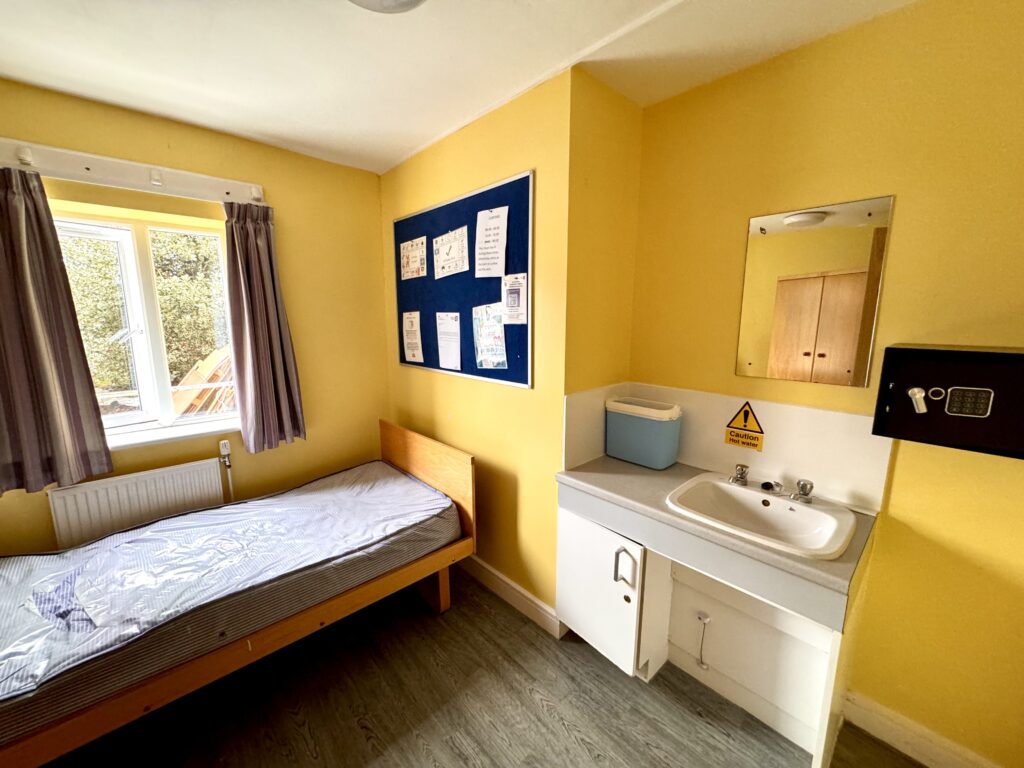
- Behaviour management arrangements were understood by residents and supported by positive, respectful relationships with staff. During the fieldwork, staff demonstrated effective engagement and de-escalation skills. An easy-read copy of the AP rules was displayed in each resident’s bedroom as a clear reminder of what was expected.
- Welfare checks were overseen by managers and carried out consistently, in line with the National Welfare Check Policy, including the required roused responses during the first three weeks for residents presenting with overdose risks.
- The AP handled medication safely and in accordance with policy. Medication was dispensed to residents through the office hatch in full view of closed-circuit television (CCTV), with staff working in pairs to manage medication safely. They followed the supervised self-administration process, handing blister packs to residents and observing them taking their medication. Residents and two staff members signed the medication administration record, which also showed that nightly medication audits were being completed. For residents managing their own medication, medication-in-possession assessments had been carried out, countersigned by the AP manager, and were audited weekly.
- It was positive that all bedrooms at the AP were single occupancy, and this was welcomed by residents. There were also sufficient showers and toilets available, all of which were clean and well maintained. We received no complaints from residents regarding these facilities.
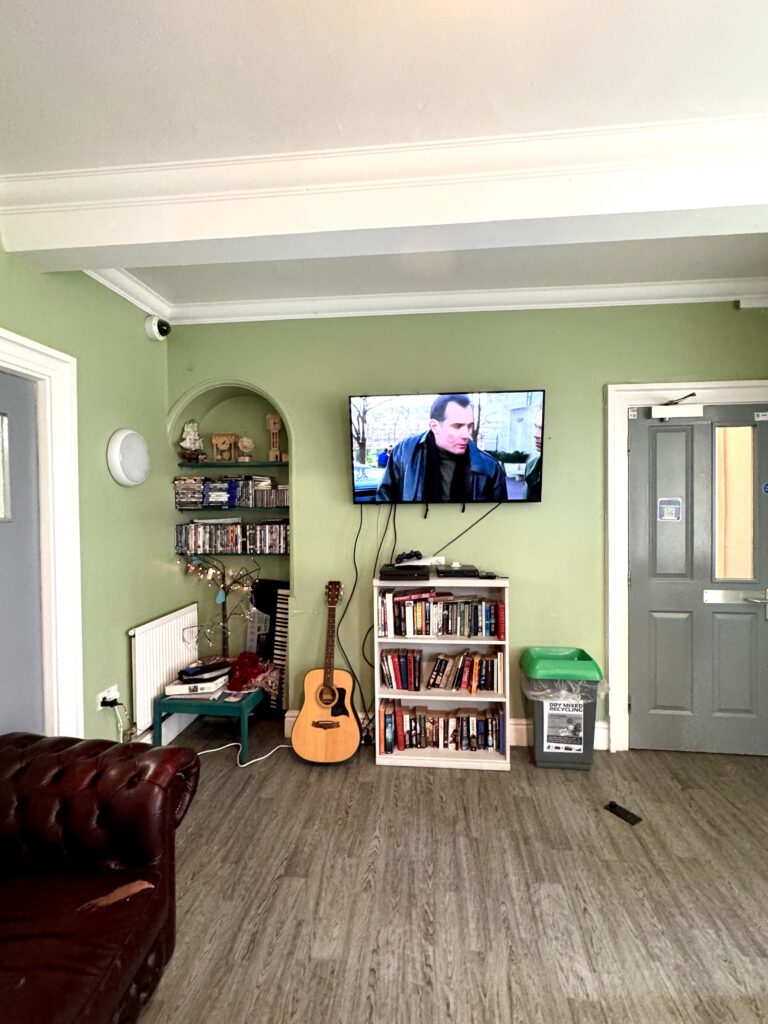
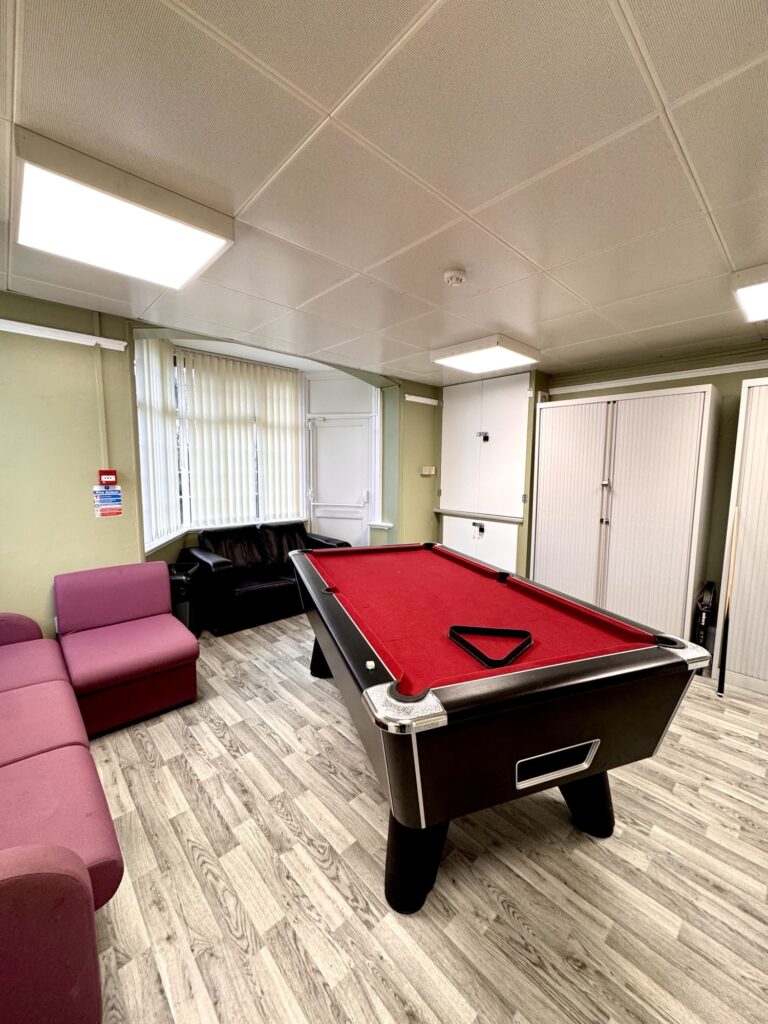
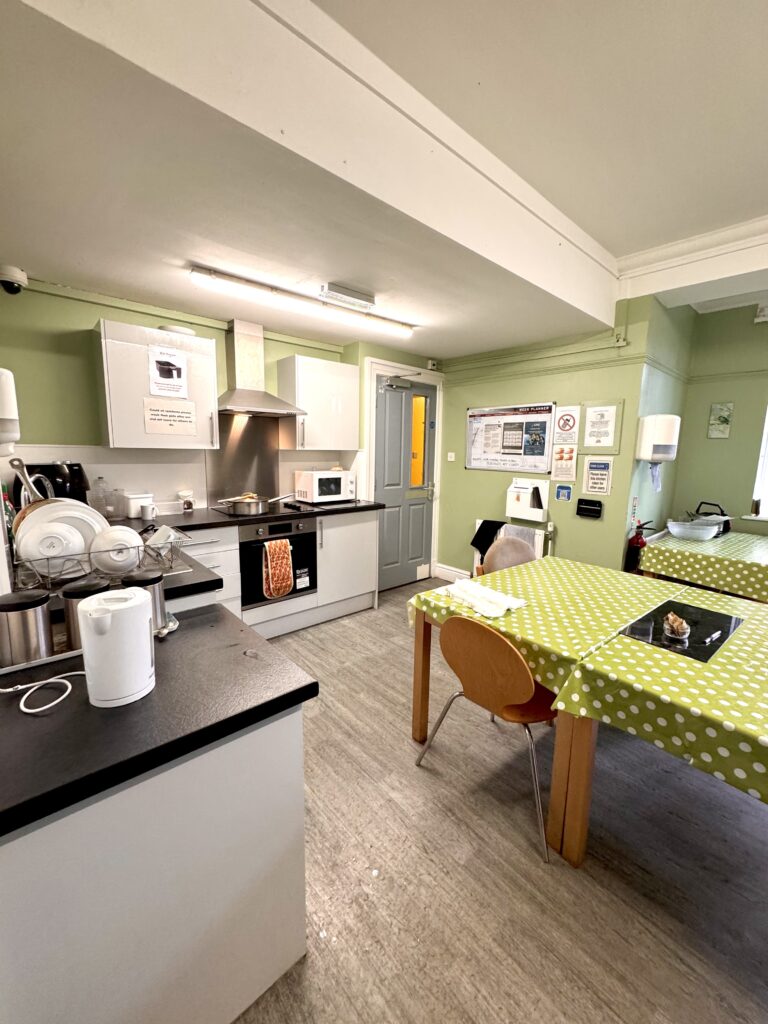
- The wider AP environment was clean and well‑presented, and staff pride in the setting was evident from the noticeboard displays.
Areas for improvement:
- Although medication was handled safely, storage arrangements did not comply with policy or legislative requirements. Medication was temporarily stored in unsuitable containers following recent building works, with controlled and non-controlled drugs kept together. Appropriate storage had been ordered but was not yet in place at the time of inspection.
- Although welfare checks were being completed correctly in practice, this was largely due to direct managerial guidance. Staff understanding of the welfare‑check policy, particularly the requirement for additional roused responses for new residents, was inconsistent, and there was operational confusion about how the policy should be applied. Further training was needed to ensure that staff could implement the policy confidently and consistently.
- During the fieldwork, inspectors were concerned about the level of staff oversight of residents leaving and returning to the AP. Residents signed themselves out and were not required to hand in their keys. On returning, although they had to use the intercom for access, they did not need to enter the staff office and could go straight to their rooms. This limited interaction meant that staff were not routinely asking residents where they had been or how they were spending their time. Staff were also not assessing residents’ presentations for signs of drug or alcohol impairment on re-entry. We brought these issues to the attention of managers during the inspection, with a request for immediate action.
- Victoria House had one accessible, ground‑floor en-suite room. While inspectors considered it suitable for residents with some mobility needs, limited space in the room meant that a wheelchair could not turn within it, rendering it unsuitable for wheelchair users. Despite this, we were told that wheelchair users were occasionally allocated to the AP.
- Recent building works had resulted in CCTV blind spots, which remained unresolved at the time of our inspection. Arrangements for staff safety also needed strengthening. Personal-alarm monitoring and two-way radio provision were not fully effective, resulting in gaps in staff ability to summon timely assistance. Although some mitigations were in place, further improvements were needed to ensure that all staff had reliable and consistent access to emergency communication.
- While bedrooms were generally clean and adequately furnished, some residents reported concerns about room size and recurring unpleasant odours caused by blocked sinks. Although maintenance staff had attended, the underlying cause related to resident behaviour, which staff had only limited control over, being private spaces. Further action was needed to address the recurring issue and improve the overall living environment.
Public protection (Back to top)
| The approved premises effectively protects the public | Rating |
| Requires improvement |
Strengths:
- The AP was appropriately represented at all multi-agency public protection arrangements (MAPPA) meetings by the AP manager, with the area manager attending in cases managed at MAPPA Level 3. The AP manager also participated in pre-release meetings and any core groups for MAPPA-managed residents.
- The AP manager adopted a structured and methodical approach to reviewing all cases before arrival and consistently emailed staff with advance briefings outlining risks, triggers, and guidance on how each case should be managed. These briefings were then incorporated into the written handover document to serve as a daily reference for staff.
- The AP manager was well-connected with the local probation delivery unit (PDU) and attended management meetings quarterly, providing written updates when unable to attend in person. These meetings offered an informal forum to discuss complex cases, share AP-specific local information, and remain informed about developments in sentence management.
- The AP maintained strong working relationships with key external agencies, particularly local police teams, and had clear arrangements for sharing safeguarding and risk-related information with relevant partners. In the cases reviewed, information sharing was timely and effective, demonstrating well-established liaison that supported resident management and public protection.
- Initial drug tests were completed promptly and in line with legislative requirements, and the results were used effectively to inform decisions about the level of welfare monitoring that residents needed.
Areas for improvement:
- There were missed opportunities to make full use of enforcement and improvement‑planning processes. In several cases where enforcement was needed, action was either not taken or not followed through, and deteriorating compliance was not consistently addressed through formal warnings or improvement plans.
- Information sharing with probation practitioners was inconsistent, limiting the effectiveness of joint risk management. While some cases showed good collaboration, others demonstrated gaps in communication and inconsistencies between AP- and probation-recorded information, indicating a need for a more coordinated approach.
- Staff handovers showed an overreliance on residents’ self-report regarding their movements and activities. A more probing and inquisitive approach was needed to explore potential risk issues and strengthen the quality of information used to inform decision-making.
- Recording practices needed strengthening, particularly in relation to handovers, information sharing, and enforcement activity, to ensure that risk-related issues were consistently and clearly documented.
- All residents were legally required to undergo two drug tests during their period of residency. While initial tests were completed reliably, the required second test was not carried out for all residents. Alcohol testing was also not fully embedded, and there was limited use of suspicion-based testing. The absence of a requirement for residents to present themselves to staff on returning to the AP reduced opportunities for staff to assess their presentation and identify when suspicion-based testing may have been warranted.
- Overall, inspectors felt that public protection arrangements in the AP were over-dependent on the manager’s oversight rather than on robust, embedded systems and processes.
Rehabilitation (Back to top)
| The approved premises delivers activity to reduce reoffending. | Rating |
| Good |
Strengths:
- Arrangements were in place with local providers to support a schedule of rehabilitative activities, including substance misuse interventions; education, training, and employment, and wellbeing support; healthcare-related activities; and support for veterans. In seven of the eight inspected cases, inspectors deemed other agencies to have been appropriately involved in the delivery of services or support to promote the resident’s rehabilitation.
- There was a structured timetable of rehabilitative activities offering residents daily opportunities to engage in purposeful and skills-building sessions. Activities included a monthly community-based event, culturally focused sessions aligned with the EDI calendar, and opportunities for residents to take on meaningful responsibilities such as caring for the AP’s pet chickens, or holding other SPOC roles.
- In all eight cases inspected, rehabilitative activities were assessed as being appropriately aligned with the work undertaken by the PDU.
- Resident inductions were timely and suitable, with performance against the two-stage induction process generally good. Most residents interviewed reported positive experiences of their induction, and there was a routine quality assurance process in place to support consistency and continuous improvement.
- Relational practice was well embedded, with staff–resident interactions consistently observed to be positive, professional, and underpinned by compassion and care. Most residents reported being treated with dignity and respect, and case records across all reviewed cases reflected constructive and supportive working relationships.
- Residents received regular keywork sessions, and in most reviewed cases this work was assessed as meaningful and of good quality.
Areas for improvement:
- Although one rehabilitative activity was offered each day, the range did not meet all residents’ interests, and overall engagement was limited. Only half of the inspected cases showed sufficient participation to support rehabilitation. A broader and more varied programme was needed to reflect residents’ interests better and increase engagement.
- Most residents were not contacted before arrival, as this task had been paused during staffing shortages, when work had to be prioritised. This resulted in limited effective planning, and needed a renewed focus.
- The AP worked in partnership with the local CFO hub, which attended weekly and provided residents with move-on support. However, confirmed move-on plans were in place in only a small number of cases. Reliance on probation-contracted provision, alongside the placement of residents from out of area, limited the AP’s ability to secure timely and effective move-on arrangements consistently. As a result, staff spent considerable time in supporting residents who were experiencing stress and uncertainty about their next steps.
Press release (Back to top)
Further information (Back to top)
This inspection was led by HM Inspector Claire Andrews, supported by a team of inspectors and colleagues from across the Inspectorate. We would like to thank all those who helped plan and took part in the inspection; without their help and cooperation, the inspection would not have been possible.
Images (Back to top)