An inspection of Trent House Approved Premises
Foreword (Back to top)
Trent House approved premises (AP) was operating in challenging circumstances at the time of this inspection, having experienced an extended period without its substantive manager. Despite this, inspectors found a committed and resilient staff group who worked hard to maintain service delivery and support residents.
The AP had retained its Enabling Environment Award and there was evidence of a positive culture, strong relationships, and a clear commitment to resident wellbeing.
Inspectors found some strengths in the way staff managed risk, safeguarded residents, and maintained a safe environment. Medication management was strong, and staff, on the whole, had good knowledge of residents. The AP also maintained constructive partnerships with key agencies, including the police.
However, prolonged staffing shortages and management instability had affected the quality and consistency of delivery. Leadership, staffing, public protection, and rehabilitation were all judged to require improvement. Formal quality assurance arrangements were underdeveloped, management oversight was inconsistent, and staffing pressures had reduced the AP’s ability to deliver a sufficient rehabilitative programme. Inspectors also found weaknesses in information sharing, case recording, keywork and the use of partnership interventions to support rehabilitation.
Despite these challenges, the foundations for improvement are in place. Staff remained motivated and committed, residents experienced a safe environment, and inspectors saw evidence that partnership working, learning arrangements and service delivery had been stronger prior to the recent period of instability. Leaders should now focus on strengthening governance, restoring quality assurance and supervision arrangements, improving public protection processes, and ensuring that residents receive a more consistent and purposeful rehabilitative service.
Martin Jones CBE
HM Chief Inspector of Probation
Background information (Back to top)
| Total number of Approved Premises nationally | 106 |
| Length of time on site by inspectors, including out-of-hours activity | Two days |
| Total number of beds in Trent House All bedrooms were single occupancy | 20 |
| Average length of residents’ stay at Trent House | 29 days |
Nationally
APs provide 24-hour monitoring and supervision to their residents and are expected to engage them in interventions to reduce the likelihood of further offending. There are 106 APs in England and Wales. Most are for men only, with eight for women only. Twelve are Psychologically Informed Planned Environments (PIPES), co-commissioned with NHS England. Sixteen APs are independent, including five of the eight APs for women. Most are led by third-sector providers. Independent APs are delivered under contract and in partnership with HM Prison and Probation Service.
Locally
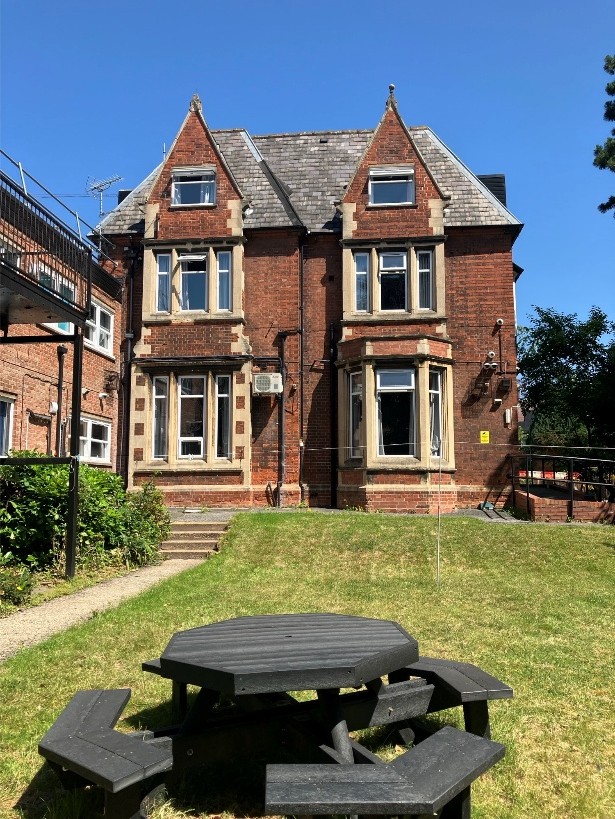
Trent House AP had a maximum occupancy of 20 men, aged 18 and over, and all rooms were single occupancy. The AP was a catered facility. At the start of our fieldwork, there were 19 residents in placement.
At the time of the inspection, Trent House was operating within a challenging context. Since February 2026, the AP had experienced an extended period without its substantive AP manager. This coincided with the temporary closure of a neighbouring AP (Astral Grove) in March 2026. As a result, management cover was provided by the manager from that site, who also retained responsibility for staff and operational matters associated with the closed premises, alongside a span of control of approximately 24 staff.
Our inspection methodology
We inspected Trent House during the week beginning 22 June 2026. This included the off-site inspection of eight cases relating to individuals who were either still resident at the AP or who had recently departed. During on-site fieldwork, we observed practice and interviewed managers and staff, individually and in groups. We also received feedback from eight current residents. In addition, we surveyed all staff working at the AP, receiving eight responses, and surveyed all probation practitioners who had supervised a person residing at the AP in the three months prior to fieldwork, receiving three responses. Our fieldwork included the AP’s out-of-hours activity, including early morning and evening handovers, and a detailed analysis of recent enforcement, recall decisions, and drug and alcohol testing during the three months prior to fieldwork.
Ratings (Back to top)
| Fieldwork started June 2026 | Score 6/15 |
| Overall rating | Requires improvement |
| Standard | Score | Rating |
| Leadership | 1 | Requires improvement |
| Staffing | 1 | Requires improvement |
| Safety | 2 | Good |
| Public Protection | 1 | Requires improvement |
| Rehabilitation | 1 | Requires improvement |
Recommendations (Back to top)
As a result of our inspection findings, we have made the following recommendations that we believe, if implemented, will have a positive impact on the quality of services delivered at Trent House.
The Trent House leadership team should:
- ensure that formal supervision and management oversight are delivered consistently and strengthen quality assurance activity, including case audits and observations of practice
- improve the quality, recording, and review of safety and support plans (SaSPs)
- review the shift handover template and ensure that risk, safeguarding, and behavioural information discussed during handovers is recorded consistently and uploaded to electronic case records
- improve the quality and consistency of casework so that it is focused on identified risks, needs, and sentence planning objectives
- re-establish and strengthen partnership activity to improve access to rehabilitative interventions and specialist services and ensure that residents receive meaningful rehabilitative activity that addresses offending-related factors and supports successful reintegration
- improve pre-arrival engagement and planning arrangements for prospective residents
- strengthen training oversight and ensure that all required staff training is completed and accurately recorded.
His Majesty’s Prison and Probation Service should:
- improve the effectiveness of recruitment, onboarding, and vetting processes to reduce delays in filling AP vacancies
- progress plans to improve the physical environment at Trent House, including addressing excessive heat in resident areas and resolving the stalled building works.
Leadership and governance (Back to top)
| Rating | |
| Requires improvement |
Strengths:
- Trent House had a clear and well-understood vision, developed collaboratively by the substantive AP manager and staff, focused on promoting positive change, supporting rehabilitation, delivering justice and contributing to a safer Nottingham. The vision was prominently displayed in the AP. We found that staff clearly understood the AP’s vision and all survey respondents reporting that the AP had a clear vision for delivering high-quality services to residents.
- The AP had recently retained its Enabling Environment Award, which recognised its ability to create a psychologically informed and relational setting that supports wellbeing and positive change. Inspectors found good evidence of a positive and values-driven culture, with staff at all levels describing a supportive, resident-focused environment underpinned by strong teamwork and a shared commitment to public protection, rehabilitation, and resident wellbeing.
- Leadership was visible and accessible during the inspection period. Staff spoke positively about the support provided by leaders, particularly the area manager and covering AP manager, who helped maintain stability during a difficult period. Inspectors also saw extensive evidence of the substantive AP manager’s work prior to their absence, including initiatives focused on communication, partnership working, equality, diversity and inclusion (EDI), and continuous improvement. The staff group was a particular strength, demonstrating resilience, professionalism, and a strong commitment to residents despite significant operational pressures.
- Inspectors saw evidence that the views of residents were actively sought. During observed rehabilitative activities and the residents’ meeting, residents were encouraged to raise concerns, make suggestions, and comment on service delivery. Staff engaged positively with residents, listened to their views and discussed potential solutions. In addition, exit surveys and a suggestion box provided residents with further opportunities to share feedback about their experiences.
- Despite recent challenges, Trent House maintained some important partnerships that supported both resident wellbeing and public protection. Effective relationships were evident with local health services, including the GP surgery and pharmacy, as well as with police partners (the management of sexual offenders and violent offenders (MOSOVO) and integrated offender management (IOM) teams. Inspectors saw evidence of appropriate information sharing and joint working, including staff responding effectively to requests from the MOSOVO team and taking action to manage identified risks.
- Leaders demonstrated a strong understanding of the risks facing Trent House AP and took proactive steps to maintain service delivery during a prolonged period of staffing instability. Measures included the use of sessional, redeployed, and peripatetic staff, and a comprehensive business continuity plan to maintain operational safety.
- There was a strong performance culture in both the AP and the wider Midlands region. Regional governance arrangements provided effective oversight of performance, risk, and operational pressures. Trent House continued to perform well against national service level measures despite significant staffing challenges. The covering AP manager maintained clear oversight of priorities and performance, and the area manager played an active role in disseminating learning and supporting improvement across the region.
- Prior to their absence, the substantive AP manager had introduced a range of learning and quality assurance initiatives, including practice observations, themed learning exercises, and staff development activities, which were valued by staff and helped promote reflective practice and continuous improvement.
- Staff demonstrated a good understanding of EDI and adapted their practice to meet residents’ individual needs. Inspectors found positive examples of staff responding to protected characteristics and additional needs, including neurodiversity, disability, gender identity, religious requirements, and dietary needs. The substantive AP manager had also introduced innovative initiatives, such as ‘Safe Spaces for Staff’, to promote inclusion, wellbeing, and psychological safety.
Areas for improvement:
- The positive culture at Trent House had been tested by prolonged leadership instability. Although staff described significant improvements following the appointment of the substantive AP manager in 2025, they clearly felt their absence during the inspection. Staff reported that aspects of supervision, quality assurance, partnership activity, and service development had reduced during this time and, while the covering AP manager provided valued stability, their ability to drive improvement was constrained by substantial responsibilities elsewhere.
- While mechanisms for gathering resident feedback were in place, inspectors found limited evidence that this information was analysed routinely, responded to, or used to drive service improvement. As a result, it was not always clear how residents’ views influenced decision-making or led to tangible changes within the AP.
- Staff and managers reported that partnership activity had reduced during periods of management instability and staffing shortages. Several community services and partner agencies that had previously been more active within the AP were no longer engaging as regularly, which limited the opportunities available to residents.
- While leaders implemented a range of measures to manage resource pressures, their impact was limited by ongoing staffing shortages and capacity constraints. As a result, the quality and consistency of pre-release planning, supervision, quality assurance, and rehabilitative delivery were adversely affected, and some arrangements relied heavily on staff goodwill rather than sustainable systems.
- Although performance monitoring was well established, formal quality assurance arrangements were underdeveloped. Management oversight was inconsistent, and activities such as case audits, dip sampling, and observations of practice had not been fully embedded due to workload pressures and management instability. This limited assurance about the quality and consistency of practice.
- Staffing pressures, management instability, and the absence of the substantive AP manager had reduced opportunities for reflective discussion and shared learning. Team meetings had also become infrequent, further limiting opportunities for collective learning and practice development, and many of the initiatives previously used to support improvement were no longer operating consistently.
- The use of EDI information was not sufficiently systematic or embedded. Recording of protected characteristics was sometimes incomplete, there was limited evidence that EDI data was analysed routinely to inform service delivery or planning, and some positive initiatives had lapsed during the absence of the substantive AP manager, highlighting an overreliance on individual leadership rather than sustainable organisational arrangements.
Staffing (Back to top)
| Staff are enabled to deliver a high-quality service for residents. | Rating |
| Requires improvement |
Strengths:
- Despite significant staffing shortages, Trent House continued to maintain core service delivery through the commitment and flexibility of its workforce. Staff worked collaboratively to cover vacancies, undertake additional responsibilities, and support one another. In addition, the redeployment of staff from the temporarily closed Astral Grove AP and other APs helped maintain resilience and continuity of service.
- Staff survey responses indicated high levels of confidence in their knowledge and skills. Inspectors’ observations during fieldwork generally supported this finding. Staff demonstrated an understanding of residents’ individual circumstances and were able to respond appropriately to emerging concerns, with some evidence of sound professional judgement and proportionate decision-making across a range of operational activities.
- Inspectors observed staff responding appropriately to a range of needs relating to mental health, neurodiversity, disability, and protected characteristics, and saw evidence of staff supporting residents to access healthcare, practical assistance, and other services.
- Staff survey responses showed very high levels of staff engagement and pride in working at Trent House, with six staff reporting that they ‘always’ felt proud to work at the AP and the remaining two reporting that this was the case ‘most of the time’. Throughout the inspection, despite significant operational pressures, staff expressed pride in their work, their colleagues, and the support they provided to residents. Inspectors also noted that staff redeployed from Astral Grove were equally motivated and committed. They had integrated effectively into the Trent House team and were making a positive contribution to service delivery during a challenging period.
- Staff spoke positively about the support they received from leaders. Both the area manager and covering AP manager were described as visible, approachable, and readily available to provide advice and guidance when required. Staff particularly valued the supervision, quality assurance activity, and learning opportunities that had been in place under the substantive AP manager, describing these arrangements as regular, reflective, and supportive of their development.
- Managers and staff worked proactively to maintain service delivery, making effective use of sessional workers, peripatetic staff, overtime arrangements, and staff redeployed from other APs. The decision to redeploy the manager and several staff from Astral Grove AP was a pragmatic use of regional resources, helping to sustain operational resilience. The Midlands region’s model of employing peripatetic residential workers (RWs) was a strength, which provided additional flexibility and enabled staff to be deployed where they were most needed. This mitigated staffing shortages and maintained service delivery.
- There was evidence that management oversight arrangements had previously been robust under the substantive AP manager. Staff described regular supervision, observations of practice, quality assurance activity, and learning initiatives, including medication-focused support, which supported staff development, partnership working, and organisational learning.
- Inspectors observed a range of measures to promote staff safety and wellbeing, including effective lone-working arrangements, personal attack alarms, extensive CCTV coverage, dedicated staff facilities, and accessible management support. Staff reported generally feeling safe at work, and they particularly valued the provision of air-conditioned office space, and a separate staff break area.
Areas for improvement:
- Trent House was operating to the national AP staffing model, with two RWs on duty at any one time and an establishment of three Probation Service Officers (PSOs)/Keyworkers. However, staffing levels were significantly affected by vacancies, including one full-time PSO/Keyworker vacancy and 2.5 full-time equivalent RW vacancies. In addition, neither of the two substantive PSOs was available for duty during the inspection period.
- Staffing levels were therefore insufficient to support consistently high-quality delivery across all areas of work. There were long-standing vacancies, sickness absence, and the absence of both substantive PSOs at the time of the inspection. This resulted in increased workloads and reliance on overtime, redeployed staff, and temporary staffing arrangements, which staff themselves viewed as unsustainable.
- Staffing shortages were having a tangible impact on the quality and consistency of practice. Inspectors identified gaps in pre-release work, inconsistencies in keywork, reduced management capacity, limited supervision and quality assurance activity, and a reduced rehabilitative offer. These difficulties were compounded by national recruitment and vetting processes, which leaders described as slow and resource intensive, making it difficult to fill vacancies and achieve stable staffing levels.
- While staff demonstrated competence in day-to-day practice, this was not consistently reflected in the quality of casework. Inspectors found weaknesses in keywork recording and rehabilitative work in a number of inspected cases.
- Training records identified gaps in mandatory training compliance, including safeguarding, domestic abuse, and SaSP training, although limitations in local and national recording systems meant inspectors could not be fully assured that all completed training had been accurately captured. Further work was required to strengthen training oversight, improve the reliability of recording systems and ensure that good operational practice was consistently translated into high-quality case management.
- The quality and consistency of needs-led practice was variable. While there were positive examples of individualised support, inspectors assessed that staff had fully understood and met residents’ needs in only four of the eight inspected cases. Resident feedback was also mixed, with some describing staff interactions as unhelpful and reporting that support was not always available when needed.
- Formal supervision arrangements had not operated consistently since February. While the covering AP manager brought much-needed stability to the AP, their capacity to provide regular individual supervision and undertake all aspects of the substantive AP manager role was constrained by their wider responsibilities. This reduced opportunities for staff development, reflective practice, and managerial oversight.
- Management oversight was not consistently effective. Leadership instability, staffing shortages, and competing operational pressures had reduced the frequency of quality assurance activity and managerial oversight, and inspectors found sufficient management oversight in only four of the eight cases reviewed.
- Staffing shortages and sustained workload pressures were adversely affecting staff wellbeing. Staff described working additional hours, difficulties taking breaks, and increased pressure resulting from vacancies and sickness absence. RWs also raised long-standing concerns about aspects of the 3am welfare check process, reporting that they sometimes felt vulnerable when carrying out roused responses in certain rooms.
Safety (Back to top)
| The Approved Premises provides a safe, healthy, and dignified environment for staff and residents. | Rating |
| Good |
Strengths:
- Inspectors observed numerous examples of staff identifying and responding appropriately to residents who were experiencing emotional distress, deteriorating mental health, or presenting with self-harm and suicide risks. Staff demonstrated a good understanding of risk indicators, engaged in professionally curious discussions during handovers, and provided support through enhanced monitoring, welfare checks, healthcare referrals, and efforts to reduce isolation. Staff were caring, knowledgeable, and responsive, creating confidence that residents’ wellbeing needs were generally recognised and acted upon.
- Medication management was a notable strength at Trent House. Inspectors found that medication was stored and administered safely and in line with policy, with knowledgeable staff following appropriate procedures. Staff reported that oversight, support, and quality assurance arrangements introduced by the substantive AP manager had significantly improved their confidence and competence in this area.
- There was some good evidence that staff responded appropriately when safeguarding concerns relating to residents were identified. Staff demonstrated a sound understanding of safeguarding processes and were observed using welfare checks, increased monitoring, information sharing, and referrals to partner agencies to support vulnerable residents. Case reviews also provided a few examples of appropriate safeguarding interventions, including overnight rouse checks, support following panic attacks, and facilitating access to healthcare and specialist services.
- Inspectors observed some strong day-to-day risk management practice during both the duty office observation and the room search. Staff possessed knowledge about residents, their risks, and current circumstances, shared information effectively and took appropriate action in response to concerns relating to safeguarding, substance misuse, curfew compliance, and resident wellbeing. The observed room search was impressive, intelligence-led, professionally conducted, and characterised by strong professional curiosity, while maintaining an appropriate balance between public protection and concern for the resident’s welfare.
- Monitoring of sign-ins and curfews was well established and actively managed. Staff routinely monitored residents’ whereabouts, followed up concerns promptly, shared relevant information during handovers and liaised appropriately with probation practitioners when risks emerged. Inspectors saw evidence that breaches and non-compliance were identified, escalated and managed appropriately, which contributed to both resident safety and public protection.
- All bedrooms at Trent House were single occupancy, which provided residents with privacy, dignity, and personal space. Some residents described their rooms as spacious and adequately furnished, and inspectors found the accommodation generally met residents’ needs while supporting a safe and respectful living environment.
- There were appropriate adaptations made to rooms to manage identified risks and meet individual needs. This included a dedicated arson room with a sprinkler system for residents presenting the highest level of arson risk, with allocations informed by risk assessment. The AP also had a ground-floor, wheelchair-accessible, en-suite bedroom which could be used to accommodate residents with limited mobility, helping to ensure that the premises remained accessible and responsive to individual needs.
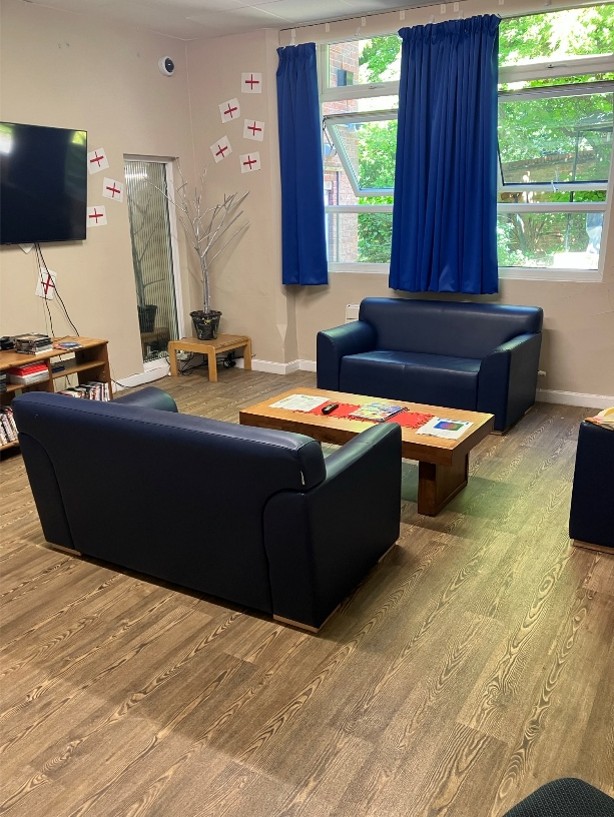
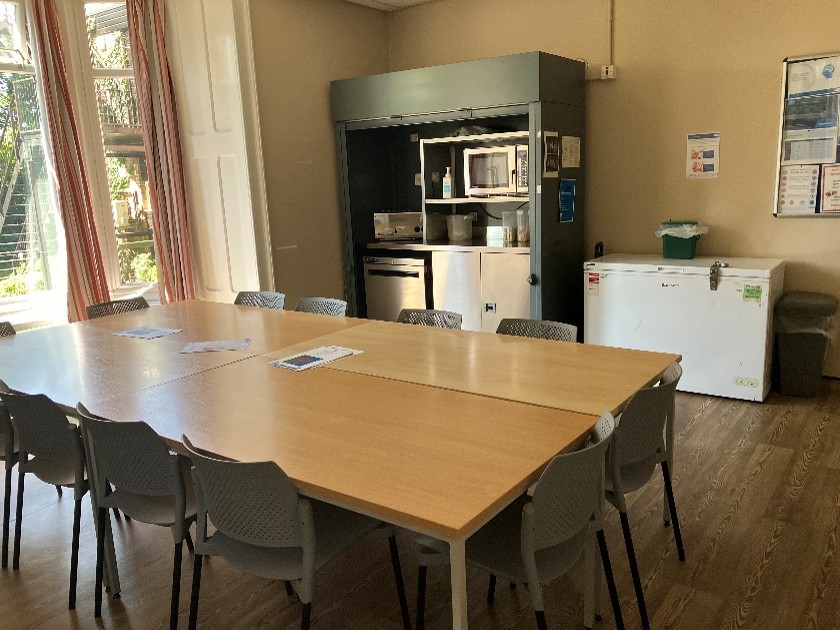
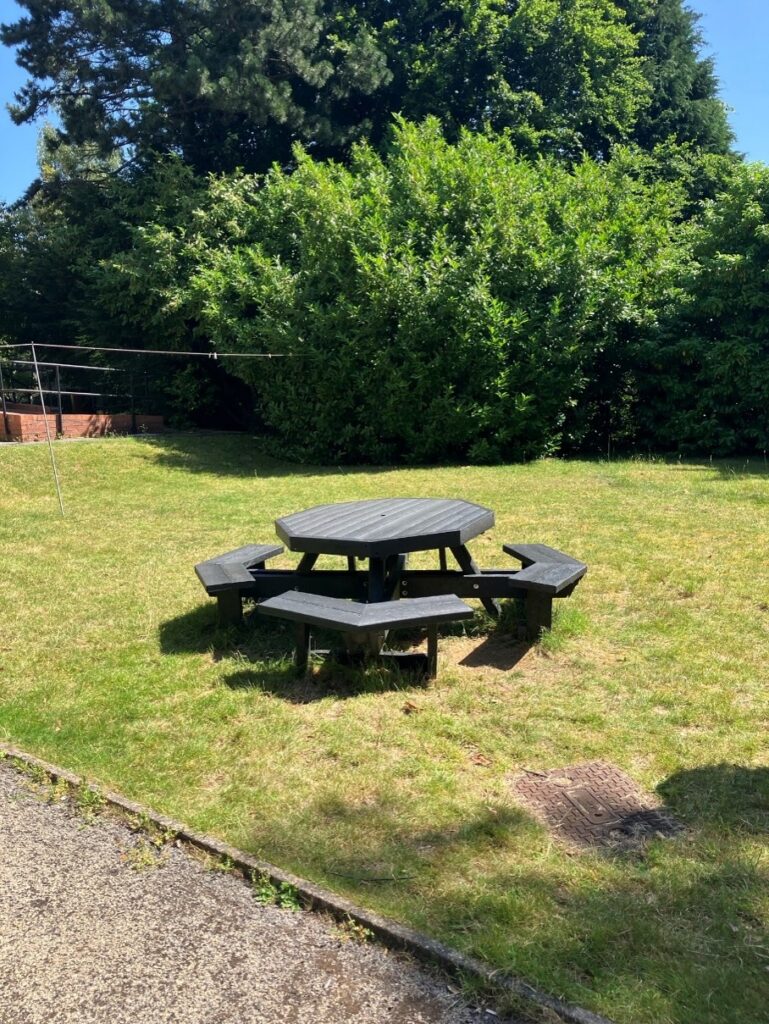
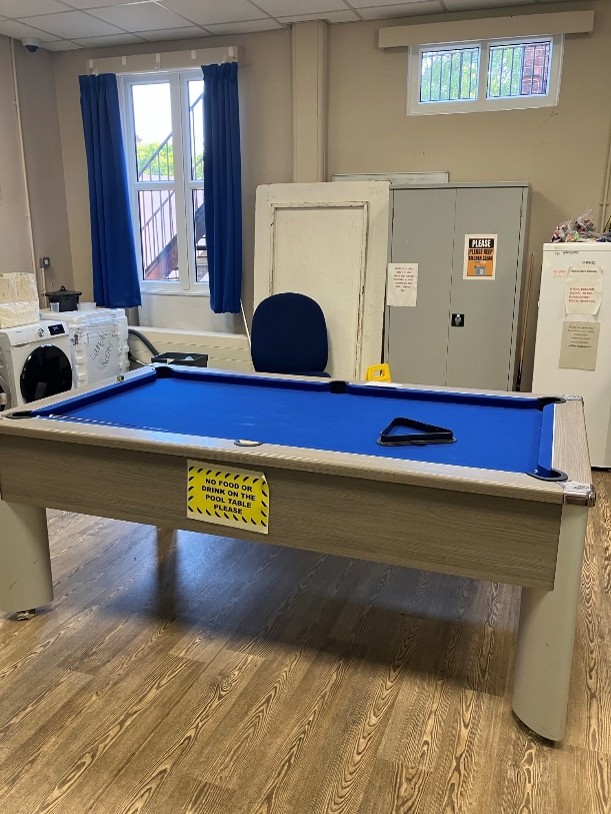
- The AP was generally clean, well maintained and in a good state of repair. Residents commented positively on the cleanliness of the premises, and staff appeared to take pride in maintaining the environment. Despite the challenges facing the AP, residents continued to have access to adequate living space, including outdoor areas and communal facilities.
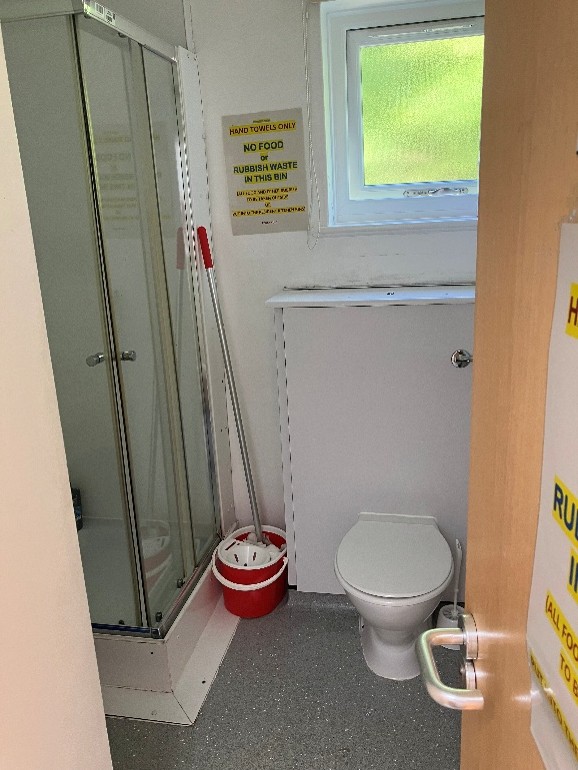
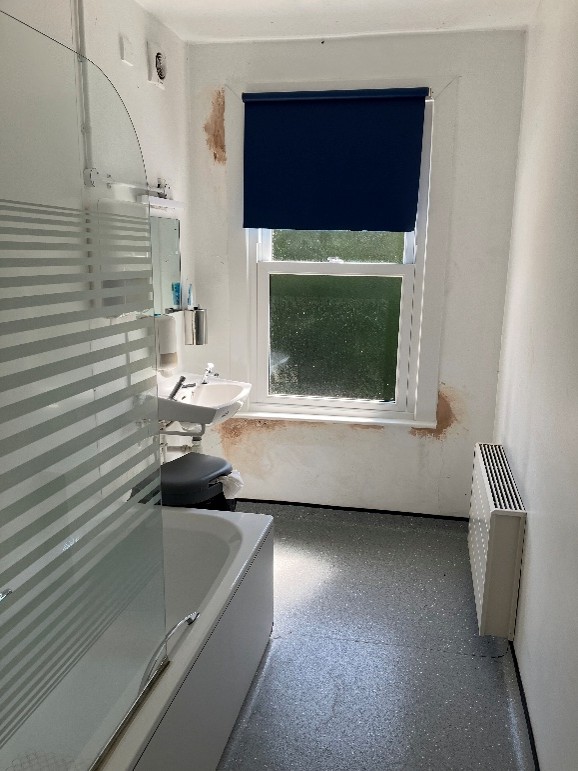
- Toilet and shower facilities were generally clean, well maintained and sufficient to meet residents’ needs. The overall standard of cleanliness contributed positively to residents’ dignity and wellbeing.
- The AP was equipped with robust security features, including body-worn video cameras, extensive CCTV coverage, and biometric access controls, all of which created a safe and secure environment.
Areas for improvement:
- The quality of SaSP practice was inconsistent across the inspected cases. Although an initial SaSP had been completed in all cases, formal reviews were not consistently evidenced, and some vulnerabilities were not translated into sufficiently detailed support plans or interventions. Inspectors considered this to be primarily a recording and evidencing issue rather than a failure to provide support. However, assurance would be strengthened by ensuring that SaSP reviews are consistently completed, recorded, and uploaded, and that all relevant staff complete the required training.
- The most significant concern raised by residents, and shared by inspectors, was the excessive heat in bedrooms, particularly on the upper floors. Residents also reported issues relating to uncomfortable mattresses, room size, and minor maintenance issues. The high temperatures observed during the inspection appeared to have a detrimental impact on residents’ comfort and wellbeing.
- Building works intended to expand and improve the premises had stalled, leaving parts of the garden inaccessible and delaying planned improvements to the accommodation and operational capacity of the site. Communication about the future of the scheme had been limited, resulting in uncertainty about when, or if, the work would resume.
- Resident feedback regarding shower facilities was poor. Concerns were raised about some showers being out of order, inconsistent water pressure, and the size of several shower cubicles, which some residents felt were too small and uncomfortable to use.
Public protection (Back to top)
| The Approved Premises effectively protects the public. | Rating |
| Requires improvement |
Strengths:
- Trent House was represented at all Multi-Agency Public Protection Arrangements (MAPPA) meetings for its residents. The manager attended all meetings, and the area manager attended all meetings for residents managed at MAPPA Level 3.
- The covering AP manager had established robust arrangements for reviewing prospective allocations and, where appropriate, demonstrated confidence in challenging decisions. They maintained effective oversight of referrals and were willing to appeal allocation decisions where they considered a placement unsuitable or where identified risks could not be managed safely within the AP.
- Evidence reviewed in advance showed the AP was familiar with enforcement and improvement planning processes and used them effectively to address behavioural issues. Decisions made out-of-hours also demonstrated the AP’s ability to assess and respond promptly to emerging risks.
- Inspectors found some positive examples of safeguarding activity to protect children and vulnerable adults. Staff demonstrated an awareness of residents’ specific risk factors, responded appropriately to intelligence and information received, undertook enquiries when concerns arose, and shared relevant information with probation practitioners and partner agencies. Inspectors observed staff exercising professional curiosity, monitoring compliance with restrictions, and taking action where emerging concerns suggested increased risk to others. However, this was not consistent. Inspectors also identified examples where safeguarding risks were not fully recognised or explored, highlighting the need for greater consistency in the assessment and management of risk.
- Inspectors found a few positive examples of effective communication and information sharing between AP staff and probation practitioners. Staff discussed residents’ presentation, whereabouts, and emerging risks during handovers, and there was evidence of timely information sharing regarding safeguarding concerns, enforcement matters, and risk incidents. In some cases, collaborative working was also evident through joint meetings, liaison with specialist agencies, and coordinated risk management activity. In addition, through interface meetings, the area manager maintained regular engagement with probation delivery unit colleagues which helped strengthen communication and oversight of operational issues.
- The AP maintained effective relationships with a range of partner agencies to support risk management and public protection. Staff described regular liaison with police, children’s services, healthcare providers, prisons and MAPPA partners, while case reviews provided positive examples of collaboration with MOSOVO and offender personality disorder services. The AP also maintained strong links with local health professionals and prisons, supported by regular prison interface meetings led by the area manager to strengthen pre-release planning and information sharing.
- There were some strengths in shift handover arrangements, with staff discussing residents comprehensively and sharing information about risks, wellbeing, whereabouts, compliance, and safeguarding concerns. Staff generally had good knowledge of residents, engaged in professional discussions about emerging risks and follow-up actions, and appropriately communicated urgent risk-related information to probation practitioners when necessary.
Areas for improvement:
- The quality of safeguarding practice was not always consistent. Inspectors identified an example where AP staff had not fully recognised significant safeguarding and licence-related risks. This was due to weaknesses in information sharing and limited awareness of key elements of the resident’s risk management plan. This highlighted the need for more effective communication between AP staff and probation practitioners, greater professional curiosity in response to emerging information, and a stronger shared understanding of safeguarding risks and licence conditions.
- Information sharing and joint risk management arrangements were not always effective. Inspectors identified examples where staff had not fully understood, communicated, or acted upon risk information. This was due to weaknesses in communication between the AP and probation practitioners and a lack of shared understanding of individual risk management plans. Greater consistency in information sharing, professional curiosity, and joint management of risk would strengthen public protection arrangements.
- While written handover notes were maintained, important information discussed during handovers was not routinely uploaded to electronic case records, and written summaries did not always capture the full detail of discussions. As a result, relevant risk, safeguarding, and behavioural information was not always documented comprehensively. This reduced assurance that intelligence and emerging concerns were being consistently recorded and readily accessible to probation practitioners and AP staff responsible for ongoing risk management.
- The handover template did not routinely provide a concise overview of residents’ key risk factors, which limited its effectiveness as a readily accessible reference point for staff regarding the most significant safeguarding and public protection concerns. While it included useful information such as index offence, wellbeing considerations, dietary requirements, and drug and alcohol testing frequency, it did not identify who residents posed a risk to or highlight the key risk issues to be monitored by staff.
- Drug and alcohol testing was completed routinely at induction, but it was used inconsistently as a risk management tool. In several cases, residents with identified substance misuse, alcohol-related, or compliance concerns received little or no further testing, despite licence requirements or known risk factors. Inspectors identified examples where alcohol testing was not undertaken despite alcohol-related risks, drug testing conditions were not consistently implemented, and monitoring arrangements had not always been fully enacted. While additional testing was not required in every case, opportunities to use drug and alcohol testing more proactively to monitor compliance and manage risk had been missed.
Rehabilitation (Back to top)
| The Approved Premises delivers activity to reduce reoffending. | Rating |
| Requires improvement |
Strengths:
- In seven of the eight inspected cases, residence plans had been completed prior to arrival, providing a basis for identifying residents’ risks, needs, and support requirements before they entered the AP. This helped ensure that key information was available from the outset of residency to inform initial management and support arrangements.
- Inspectors deemed residents to have received a suitable and timely induction in six of the eight inspected cases. Trent House consistently performed above the national average for completion of the two-stage induction process, and the majority of residents interviewed rated their induction experience as either ‘good’ or ‘excellent’.
- Inspectors observed several rehabilitative activities during fieldwork, including a residents’ meeting, a coffee afternoon, and a health awareness session. These activities were delivered in a positive and supportive manner, with staff evidencing respectful relationships with residents, encouraging participation, facilitating discussion, and creating opportunities for residents to discuss wellbeing, develop social connections, and access useful information and support.
- The strongest examples of rehabilitative practice demonstrated effective collaboration between AP staff and probation practitioners. These cases were characterised by regular information sharing, three-way meetings, and a coordinated approach to risk management and resident support, ensuring that residents received clear and consistent messages from professionals involved in their supervision.
- Frequent keywork was evident in most of the inspected cases, and resident feedback regarding keywork was generally positive, with half of respondents rating it as ‘good’ or ‘excellent’. This indicates that staff maintained regular contact with residents and continued to provide support despite significant staffing pressures and the absence of substantive keyworker capacity.
Areas for improvement:
- The substantive AP manager had previously developed strong partnerships with a range of local services. However, partnership activity had reduced during the period of management instability. Staff reported that some services were attending the AP less frequently, and residents raised concerns about limited activities and boredom.
- Case reviews identified missed opportunities to address issues such as substance misuse, mental health, relationships, and community reintegration through partnership interventions. However, inspectors saw evidence of stronger partnership working prior to the inspection period, providing a foundation on which these arrangements could be rebuilt.
- The overall rehabilitative offer was inconsistent and lacked sufficient structure. Staff reported that rehabilitative activity had reduced during periods of staffing pressure and, although some residents engaged in constructive activities and specialist interventions, inspectors found that rehabilitative work was often ad hoc, infrequent, and insufficiently linked to identified risks, needs, and sentence planning objectives.
- Case reviews identified missed opportunities to address issues such as substance misuse, alcohol use, mental health, emotional wellbeing, accommodation, and social isolation. Only a small number of residents were engaged in regular, meaningful rehabilitative activity, and there was limited evidence that the activities observed and reviewed were consistently focused on offending-related factors, desistance needs, or longer-term reintegration goals.
- Collaboration between AP staff and probation practitioners was inconsistent across the case sample. In half of the inspected cases there was limited evidence of joint working, coordinated planning, or alignment between AP interventions and wider sentence planning objectives. Staffing shortages and the absence of substantive PSO/keyworker capacity appeared to be significant contributing factors.
- Pre-arrival engagement with residents was limited. Evidence of contact prior to arrival was found in only one of the eight inspected cases, and only one resident reported receiving contact from AP staff before arriving at Trent House. This reduced opportunities to establish early engagement, manage expectations, and identify risks and support needs prior to admission, and was largely attributed to the absence of substantive PSO/keyworker capacity.
- There was some mixed evidence about staff-resident relationships. Positive relationships between keyworkers and residents were evident in only four of the eight inspected cases, and resident feedback indicated that experiences of being treated well and with respect were not consistently positive. Of the eight interviewed residents, one reported that this happened ‘always’, four stated ‘most of the time’, two reported ‘sometimes’, and one reported ‘not often’. While the majority of responses were broadly positive, the less favourable feedback indicated that residents did not experience respectful and supportive interactions consistently, and that there was some variation in residents’ perceptions of staff conduct.
- The quality and impact of keywork were inconsistent. Although keywork sessions were delivered in seven of the eight inspected cases, inspectors judged them to be meaningful and sufficiently focused on residents’ risks and needs in only one case. This, combined with limited rehabilitative activity and staffing pressures, reduced the effectiveness of move-on planning, with clear and well-developed move-on arrangements evident in only four of the eight inspected cases.
Further information (Back to top)
This inspection was led by HM Inspector Stuart Tasker, supported by a team of inspectors and colleagues from across the Inspectorate. We would like to thank all those who helped plan and took part in the inspection; without their help and cooperation, the inspection would not have been possible.
Images (Back to top)