An inspection of Stonnall Road Approved Premises
Foreword (Back to top)
Our inspection of Stonnall Road approved premises (AP) in Walsall was our third in the Midlands region, and our 16th AP inspection overall. The AP was delivering a good standard of service, with a clear focus on rehabilitation and supporting residents to resettle into the community. Staff and managers promoted a respectful and inclusive environment, and residents benefited from positive relationships, a well-maintained setting and access to a range of activities that supported their wellbeing, confidence and engagement.
Leadership was strong and the culture supportive. Staff felt valued and worked collaboratively, drawing on their experience and interpersonal skills to build constructive relationships with residents. The AP also maintained effective working relationships with partner agencies, helping to support access to services and contribute to managing risk.
However, there were areas requiring improvement. Risk management and public protection were not carried out consistently across all areas of practice. Management oversight and quality assurance arrangements were not yet fully developed, which limited managers’ ability to identify and address these issues consistently.
Not all staff had completed essential training, particularly in key areas such as safeguarding and safety and support planning, and this contributed to some of the weaknesses identified in practice.
Overall, Stonnall Road demonstrated a number of strengths, particularly in its culture, the accommodation and facilities, relationships and its rehabilitative approach. Building on these foundations will help to support more consistent and effective delivery, especially in relation to risk management and public protection.
Martin Jones CBE
HM Chief Inspector of Probation
Background information (Back to top)
| Total number of approved premises nationally | 105 |
| Length of time on site, including out-of-hours activity | 2 days |
| Total number of beds at Stonnall Road | 14 |
| Average length of residents’ stay at Stonnall Road | 30 days |
Nationally
APs provide 24-hour monitoring and supervision to their residents and are expected to engage them in interventions to reduce the likelihood of further offending. There are 105 APs in England and Wales. Most are for men only, with eight for women only. Twelve are psychologically informed planned environments, co-commissioned with NHS England. Fourteen APs are independent, including five of the eight APs for women. These are led mostly by third-sector providers. Independent APs are delivered under contract and in partnership with HM Prison and Probation Service.
Locally
Stonnall Road AP had a maximum occupancy of 14 men, aged 18 and over, and all but one room was single occupancy. The AP was a catered facility. At the start of our fieldwork, there were 12 residents.
Our inspection methodology
We inspected Stonnall Road during the week beginning 11 May 2026. This included the off-site inspection of eight cases relating to individuals who were either still resident at the AP or who had recently departed. During on-site fieldwork, we observed practice and interviewed managers and staff, individually and in groups. We also received feedback from 10 current residents. In addition, we surveyed all staff working at the AP and received 12 responses. We surveyed all probation practitioners who had supervised a person residing at the AP in the three months before fieldwork and received seven responses. Our fieldwork included the AP’s out-of-hours activity, including early morning and evening handovers and a detailed analysis of recent enforcement and recall decisions.
Ratings (Back to top)
| Fieldwork started May 2026 | Score 8/15 |
| Overall rating | Good |
| Standard | Score | Rating |
| Leadership | 2 | Good |
| Staffing | 2 | Good |
| Safety | 1 | Requires improvement |
| Public protection | 1 | Requires improvement |
| Rehabilitation | 2 | Good |
Recommendations (Back to top)
As a result of our inspection findings, we have made the following recommendations that we believe, if implemented, will have a positive impact on the quality of services delivered at Stonnall Road.
The Stonnall Road leadership team should:
- strengthen management oversight of casework to ensure that risks, including safeguarding concerns, are consistently identified, analysed and acted upon
- fully embed a structured quality assurance framework, including regular case audits and observations of practice, to improve consistency and support continuous learning
- ensure all staff complete mandatory training, particularly in safeguarding, domestic abuse and safety and support planning, and maintain an accurate training record
- improve the quality and consistency of safety and support plans, ensuring they reflect known risks and are regularly reviewed
- strengthen handover processes so that they consistently include a clear and analytical focus on risk management and public protection
- improve safeguarding practice by promoting professional curiosity and ensuring timely escalation and information-sharing when concerns arise
- improve pre-arrival contact with residents to support early engagement and preparation for arrival
- strengthen the rehabilitative offer by developing closer links with housing and mental health services, to improve access to timely support, strengthen resettlement planning, and enhance outcomes for residents as they move on from the premises.
Leadership and governance (Back to top)
| Leadership and governance drive the delivery of a high-quality service. | Rating |
| Good |
Strengths:
- Stonnall Road had a clearly defined mission statement that emphasised its commitment to rehabilitation, public protection, and supporting residents to resettle successfully into the community. This mission was well understood by staff and consistently reflected in their day-to-day work. It contributed to a supportive team culture, with positive relationships between staff and residents and a clear focus on encouragement, engagement, and personalised support.
- The manager promoted a positive and inclusive culture, and was described by staff as approachable, supportive and encouraging. They modelled the behaviours expected of others, helping to maintain a respectful and relational environment for both staff and residents. This contributed to a culture where staff felt valued and confident to contribute, supporting consistent and constructive relationships across the premises.
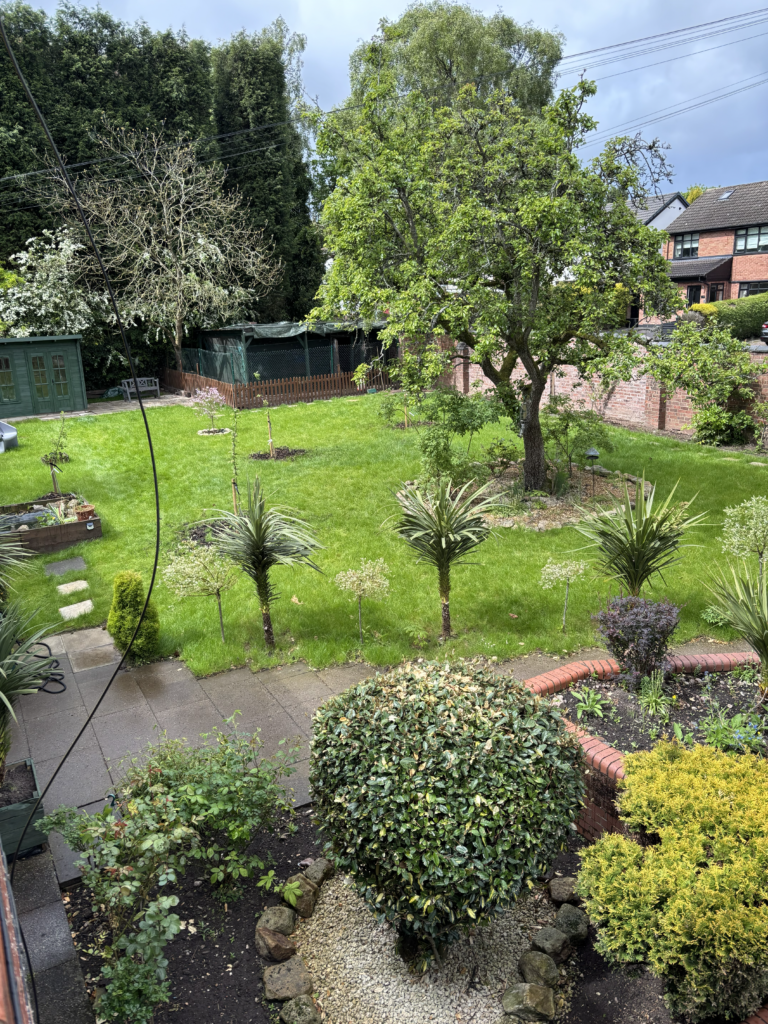
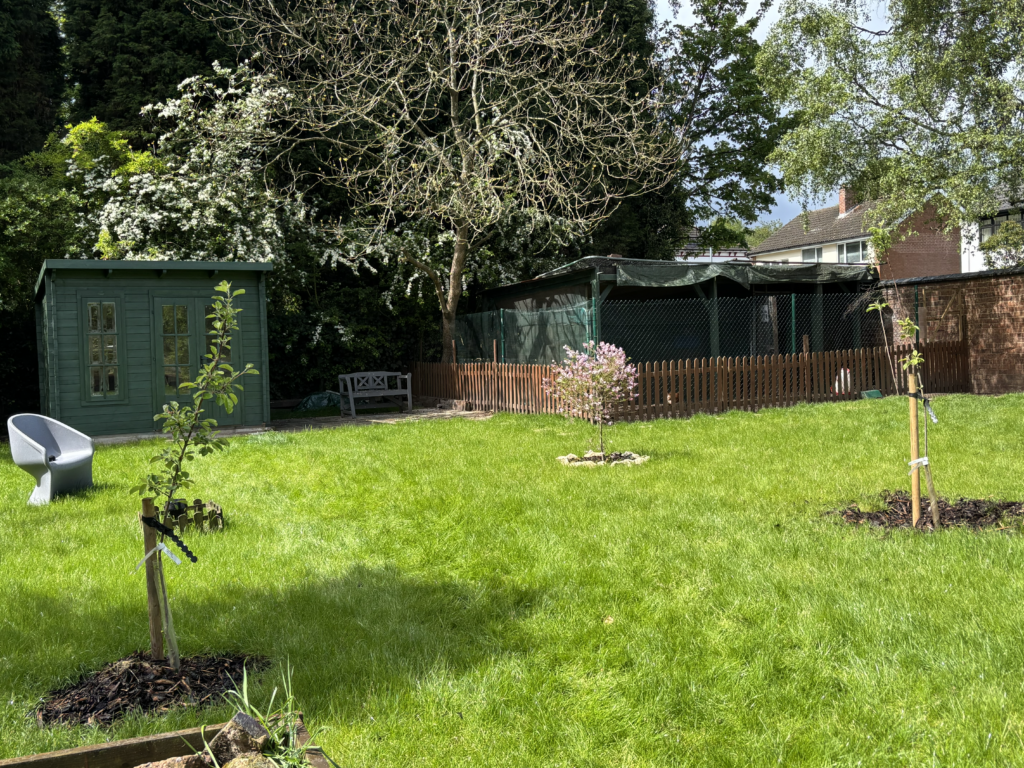
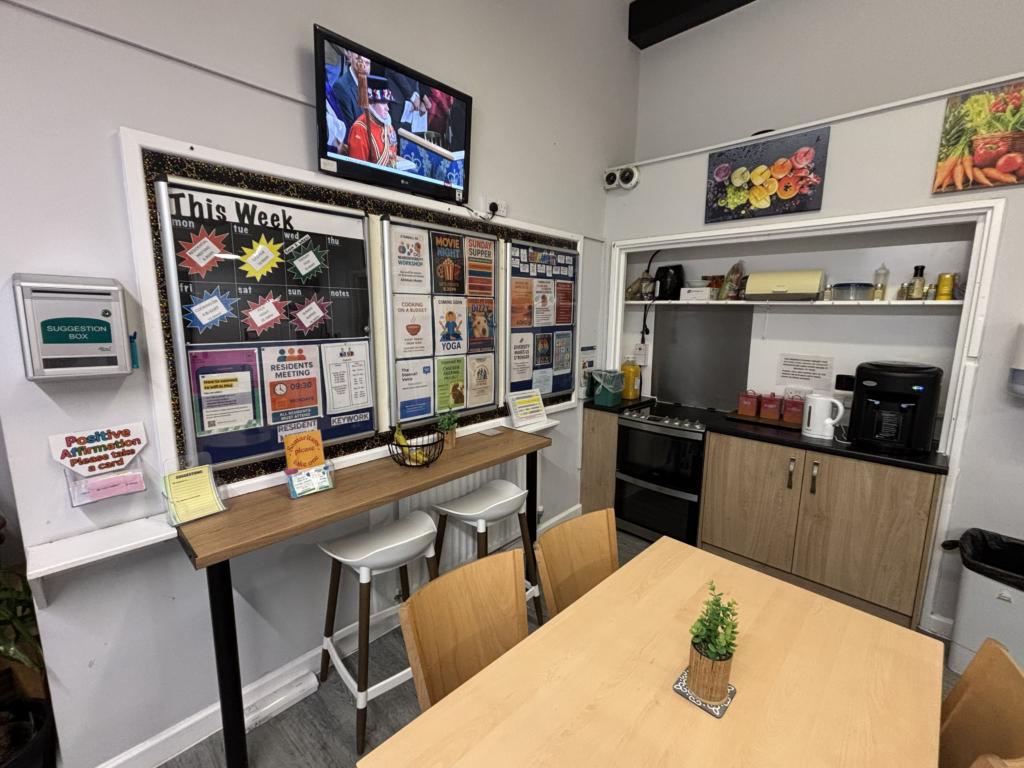
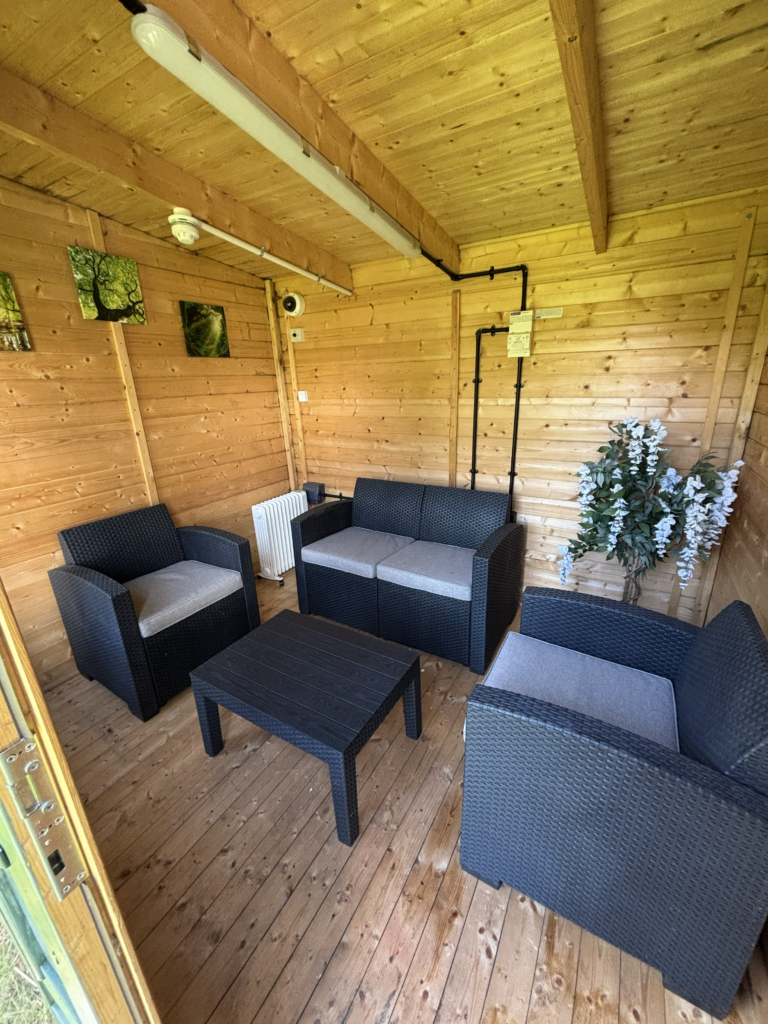
- There was a commitment to providing both a high-quality physical environment and a psychologically supportive atmosphere. The premises were homely and well-maintained, with good use made of outdoor spaces, including gardens and activities such as animal care and visits from therapy dogs. The manager also prioritised work to better meet the needs of neurodiverse residents, including the introduction of a sensory room to support emotional regulation. Overall, the environment was designed to feel safe, welcoming and therapeutic, reinforcing a rehabilitative culture.
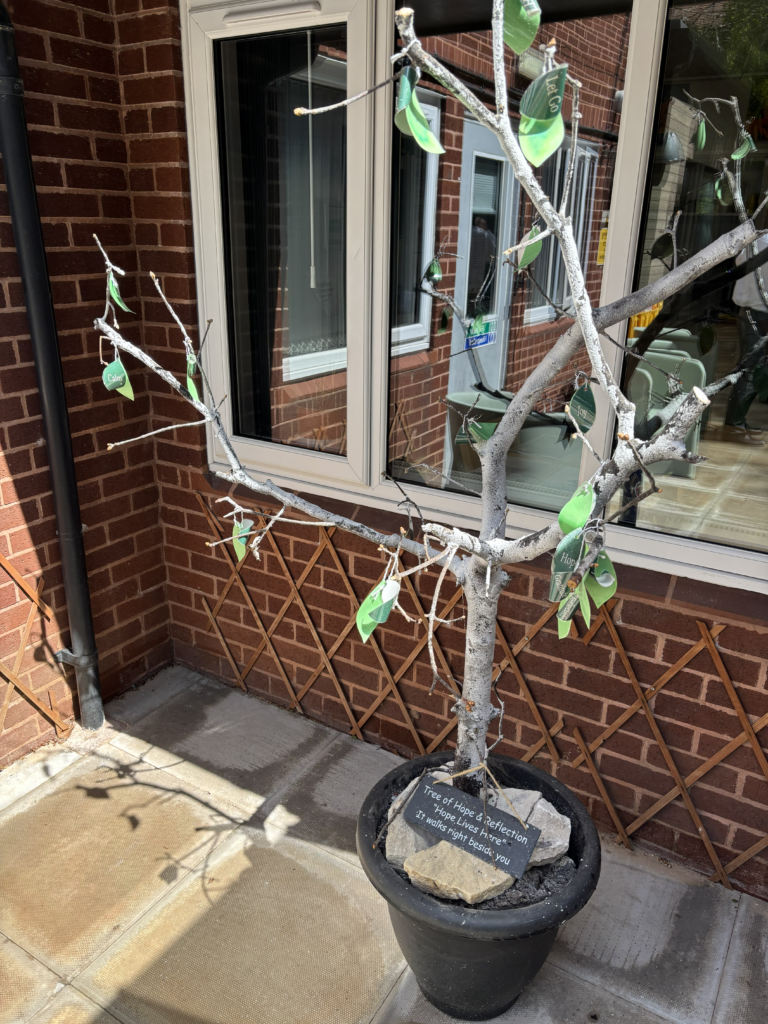
- The AP had repeatedly achieved the Enabling Environment Award, which recognised its ability to create a psychologically informed and relational setting that supports wellbeing and positive change. This was further reflected in initiatives such as the quarterly newsletter and the ‘Tree of Hope’, both of which celebrated residents’ achievements and encouraged participation and personal development. Feedback from probation practitioners was strongly positive, with one reporting: ‘I always receive excellent communication from them and fantastic feedback from people on probation. Stonnall Road is one of the highest rated APs.’
- The culture at Stonnall Road promoted resident voice and participation, with a clear emphasis on ensuring residents felt listened to and treated fairly. Weekly residents’ meetings, alongside regular informal engagement, provided meaningful opportunities for individuals to share their views and influence activities and life within the premises. This approach was supported by responsive, person-centred practice. For example, during fieldwork we saw a resident who had been at the AP for only one week leading a music session tailored to their interests. This not only supported the individual’s mental health but also encouraged peer interaction and shared learning, contributing positively to the wider rehabilitative environment.
- The AP worked effectively with a range of partners to ensure residents could access the support they needed. This included provision to address substance misuse, support progression into education, training and employment, and help individuals access healthcare following release from custody. Strong links were also in place with local health services, ensuring residents could register with GPs and receive medication in a timely way.
- There were well-established partnerships to support risk management and community engagement. The AP maintained effective working relationships with the local Management of Sexual Offenders and Violent Offenders (MOSOVO) police team, which enabled regular information-sharing and joint oversight of risk. The manager also engaged proactively with the local community, including Neighbourhood Watch, to promote understanding of the AP’s role and build trust. This open and transparent approach, alongside encouraging residents to contribute positively to the local area, supported community confidence and reinforced the AP’s commitment to being a responsible and respectful presence.
- The AP performed well against national service level measures. The manager used team meetings and regular discussions to address any shortfalls and maintain good standards of delivery. This focus on performance was supported at a regional level, where the area manager played a key role in oversight and improvement, including leading on inspection and performance activity, promoting Enabling Environment work, and sharing learning across APs to support ongoing development.
- Leaders promoted an inclusive and respectful environment, with a clear focus on meeting individual needs and treating residents fairly. Staff adapted their approach to respond to diverse needs, including neurodiversity and mental health, reflecting a values-led culture that supported a safe and supportive environment.
Areas for improvement:
- The AP had experienced delays in accessing local mental health services. Referrals typically took around four weeks, which meant that residents with complex needs did not always receive timely support. In addition, there was no consistent on-site input from housing services, which restricted the support available to residents in securing suitable move-on accommodation.
- Quality assurance activity was underdeveloped. Management oversight was not consistently evident across cases, and where manager countersigning had taken place, this did not always identify key issues or drive improvement. In some instances, assessments relied too heavily on self-reporting from residents, despite conflicting information. The absence of formal quality assurance processes, such as structured observations and case audits, also limited consistent oversight, feedback and the ability to identify and address practice issues across the service. The manager acknowledged that structured quality assurance processes had not been fully embedded, due to workload pressures. However, they welcomed the introduction of a new national framework as an opportunity to strengthen oversight.
- The use of equality, diversity and inclusion information was not consistent or systematic. Recording of protected characteristics was sometimes incomplete, and there was limited evidence that this information was routinely analysed or used to inform planning or service development, reducing opportunities to address patterns or gaps at a strategic level.
Staffing (Back to top)
| Staff are enabled to deliver a high-quality service for residents. | Rating |
| Good |
Strengths:
- As a smaller AP, Stonnall Road was generally able to maintain safe staffing levels. Although there was some sickness absence at the time of fieldwork, this did not significantly affect delivery, because of the committed and flexible staff group. Responses to the staff survey were broadly positive, with all staff reporting staffing levels to be at least sufficient.
- There was evidence of proactive resource management, including securing additional staff to safely manage a higher-risk individual during fieldwork. The team demonstrated flexibility in adapting rotas and covering shifts to maintain safe delivery.
- Staff reported high levels of confidence in their ability to carry out their roles, with all survey respondents stating that they felt they had the necessary knowledge and skills either ‘always’ or ‘most of the time’. They were also generally positive about the training and development opportunities available. The team was experienced and demonstrated strong interpersonal skills, which supported positive relationships with residents.
- Inspectors observed interactions between staff and residents that were professional, respectful and supportive. There was a clear culture of warmth and empathy that encouraged trust and engagement. This was reflected in case records, which showed positive relationships in all inspected cases, and in residents’ feedback, with nearly all reporting that they were ‘always’ treated well and with respect. Overall, strong relationship-building was a key strength.
- There was a strong sense of pride and ownership among staff, which was reflected in the well-maintained environment and positive feedback about the service. Staff spoke positively about leadership, describing a culture where they felt valued, supported, and motivated. This was also reflected in the survey responses, with almost all staff reporting that they ‘always’ felt proud to work at the AP, indicating high levels of commitment and morale.
- Newly appointed staff reported that their induction was sufficient, and supported by a structured process that included shadowing experienced colleagues and clear guidance on key procedures. Inspectors also observed a supportive learning environment, with experienced staff actively helping newer colleagues to develop confidence and competence.
- Staff reported receiving regular supervision, alongside frequent informal support from the manager, with a strong focus on wellbeing and reflective practice. They felt valued, trusted and able to raise concerns, which supported good morale and engagement. Additional opportunities for learning and reflection were available through monthly reflective practice sessions and specialist case consultations, via the offender personality disorder pathway. This helped staff to manage complex work, build confidence and strengthen their practice.
- There was evidence of management involvement in key operational decisions, including in response to risk and non-compliance. For example, during the observed morning handover, the AP manager facilitated a reflective discussion and provided a detailed briefing on safe systems of work for managing a complex and high-risk individual due to arrive later that day. In another instance, the manager responded promptly when a new arrival was identified as being at significant risk from another resident, taking immediate action to safeguard the individual and arrange their relocation to another AP.
- Staff generally felt safe working at Stonnall Road, with all survey respondents reporting that they felt safe either always or most of the time. This was supported by a low number of serious incidents and a range of clear safety procedures, alongside visible and responsive management support that helped maintain a stable and well-managed environment.
Areas for improvement:
- Although staffing levels were broadly adequate, maintaining sufficient cover was not without pressure. At times there had been challenges in securing staff for night shifts, alongside the additional demand on the AP administrator, who was responsible for rota management across three APs.
- There was some inconsistency in how knowledge was applied to risk management. This was reflected in the variable quality of casework and occasional complacency when overseeing higher-risk individuals.
- Engagement with mandatory training was inconsistent. Around half of staff were yet to complete key courses, including safeguarding, domestic abuse and safety and support plan (SaSP) training. This is likely to have contributed to some of the weaknesses identified in practice. Furthermore, the training tracker was not always accurate, with some completed training not recorded. This highlighted the need for a comprehensive review of training arrangements to ensure all required learning was completed and properly tracked.
- We found that the manager was operating under significant workload pressures, often working long hours. While leadership strengths were clear, competing demands limited their capacity to provide consistent and robust oversight of casework quality, which will need further attention.
- There was no dedicated staff room at the AP, which limited the ability of staff to take breaks and decompress.
Safety (Back to top)
| The approved premises provides a safe, healthy and dignified environment for staff and residents. | Rating |
| Requires improvement |
Strengths:
- We observed numerous live examples of staff identifying and supporting residents who were at risk of self-harm or suicide or whose mental health was deteriorating. This activity was supported by professionally curious handover discussions. Staff recognised and responded to emotional-wellbeing indicators (such as low mood, anxiety, and suicidal ideation), and adjusted expectations and support for residents accordingly.
- Medication was managed safely and in line with policy, and staff demonstrated confidence and knowledge in administration. Records were completed accurately, with appropriate checks in place, and residents were supported to manage their own medication where suitable. Assessments and monitoring arrangements were in place, including regular reviews and oversight by the manager.
- There were positive examples of staff identifying and responding to emerging risk for residents, particularly in relation to mental health and substance misuse. Residents were supported to access healthcare services, including GP registration and treatment. Changes in presentation, such as deteriorating mental health or known trigger events, were appropriately shared with staff and probation to enable closer monitoring.
- Behaviour management arrangements were in place, applied appropriately, and generally understood by residents. Residents were introduced to behavioural expectations at induction, including curfew, licence conditions, prohibited items, confidentiality, drugs and alcohol policies, and the consequences of poor behaviour. Staff reinforced expectations through keywork, daily interactions and welfare checks and handover briefings.
- The AP manager regularly issued acknowledgment letters to residents to recognise positive achievements and progress. This practice reinforced a strengths-based approach, helping residents to feel valued and supported, and contributed to improved self-esteem, motivation and overall wellbeing. It also encouraged continued engagement in rehabilitative activity by recognising effort and progress in a meaningful and consistent way.
- The office was a well-organised and effective hub, with staff maintaining good oversight of residents through communication, direct observation and systems such as CCTV. Information was actively shared, supporting responsive day-to-day management and supervision. Handover processes were structured and supported coordination of tasks. Observations of residents’ wellbeing and demeanour were routinely discussed, with follow-up actions clearly identified and generally robust.
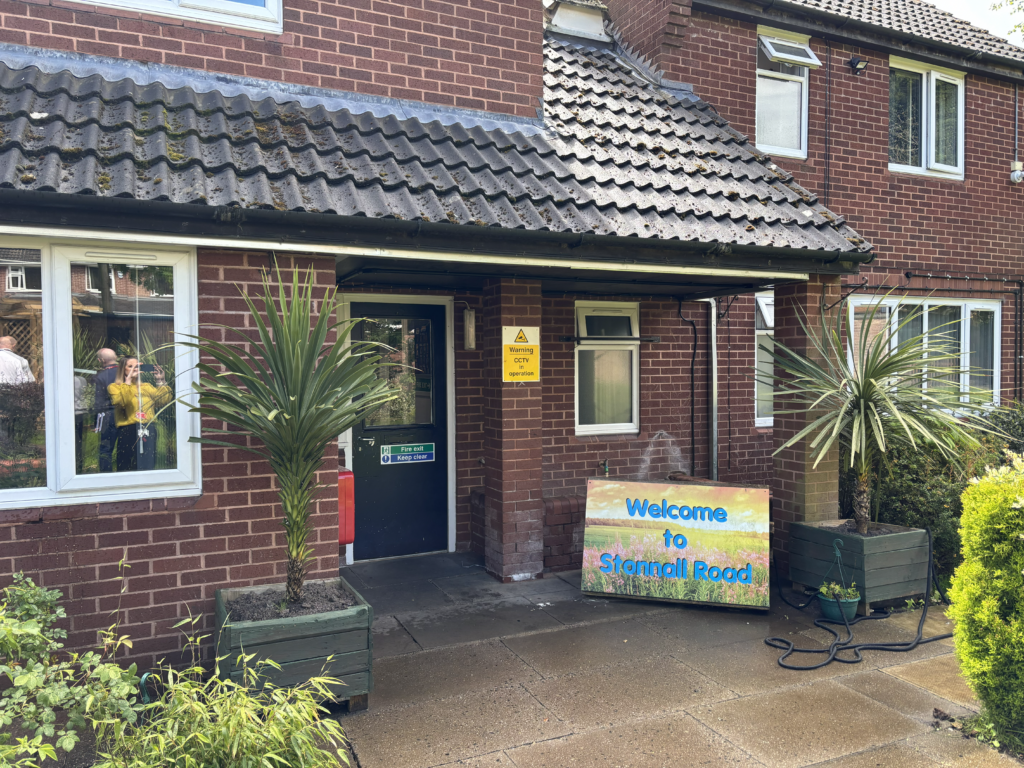
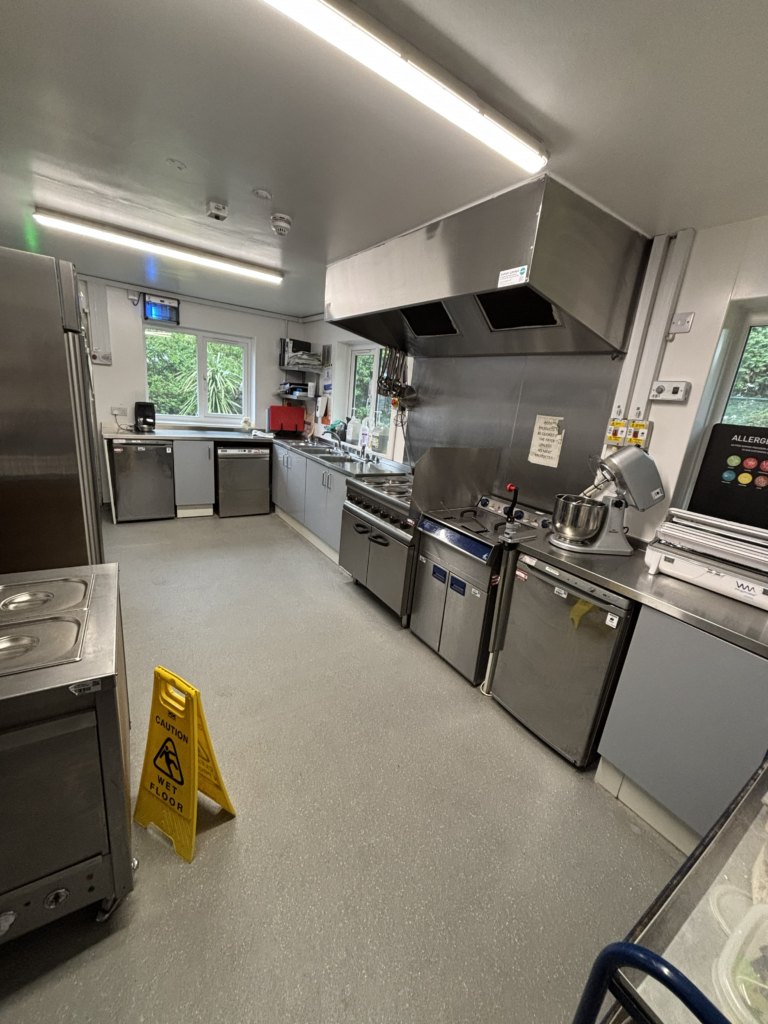
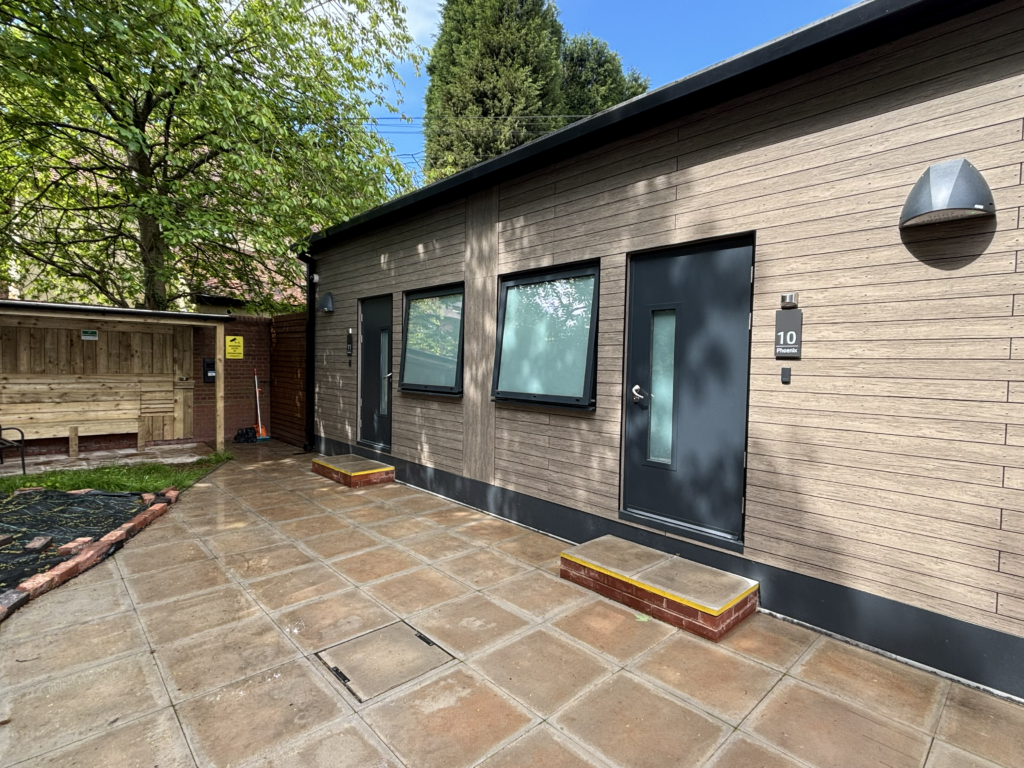
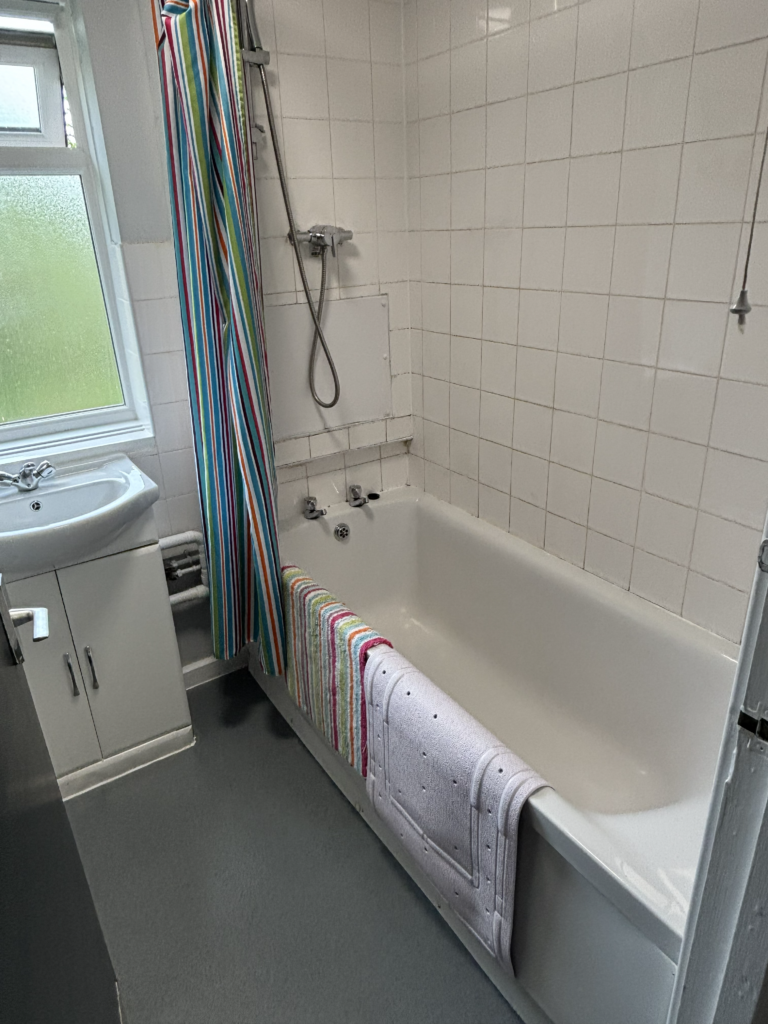
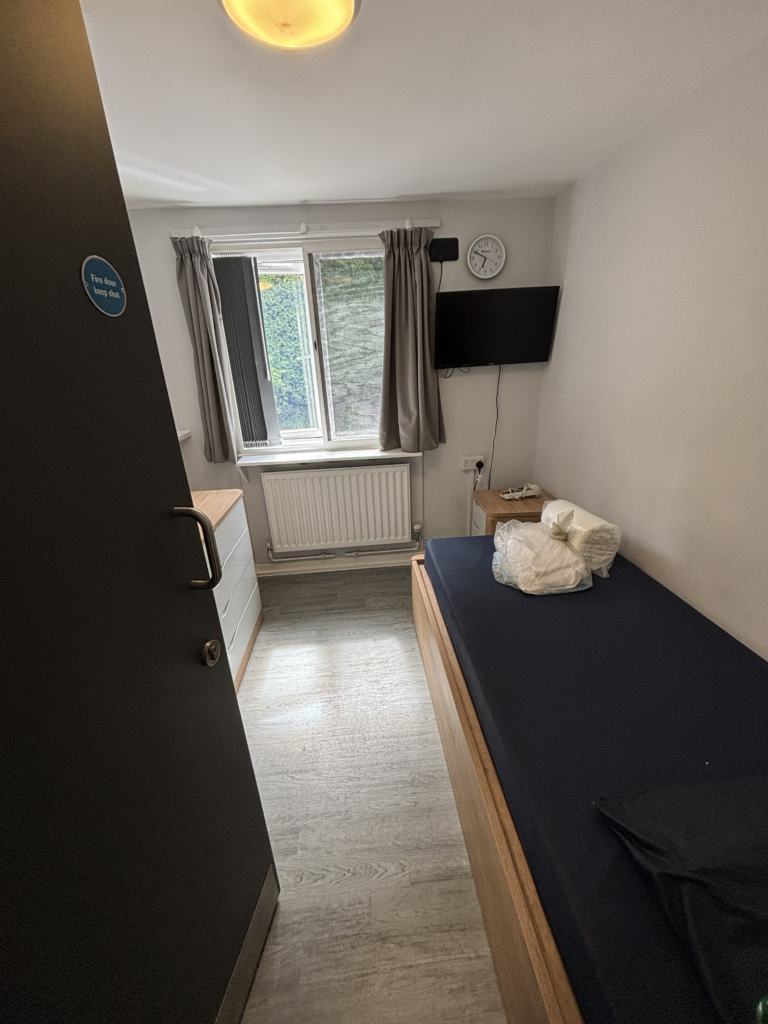
- Stonnall Road provided a clean, homely and well-maintained environment, following recent refurbishment and expansion. The addition of four new modular accommodation units increased capacity and offered modern, self-contained living spaces, supporting residents’ comfort, privacy and independence. Accommodation was of a high standard overall, with predominantly single occupancy rooms that promoted dignity and safer management. Feedback from residents was very positive, highlighting the quality, cleanliness and comfort of the living environment.
- There were designated rooms for residents presenting arson-related risks, with allocations informed by risk assessment to support safe placement. One room included a sprinkler system for those posing the highest risk. The premises also included a ground floor room suitable for residents with limited mobility, to support their accessibility needs.
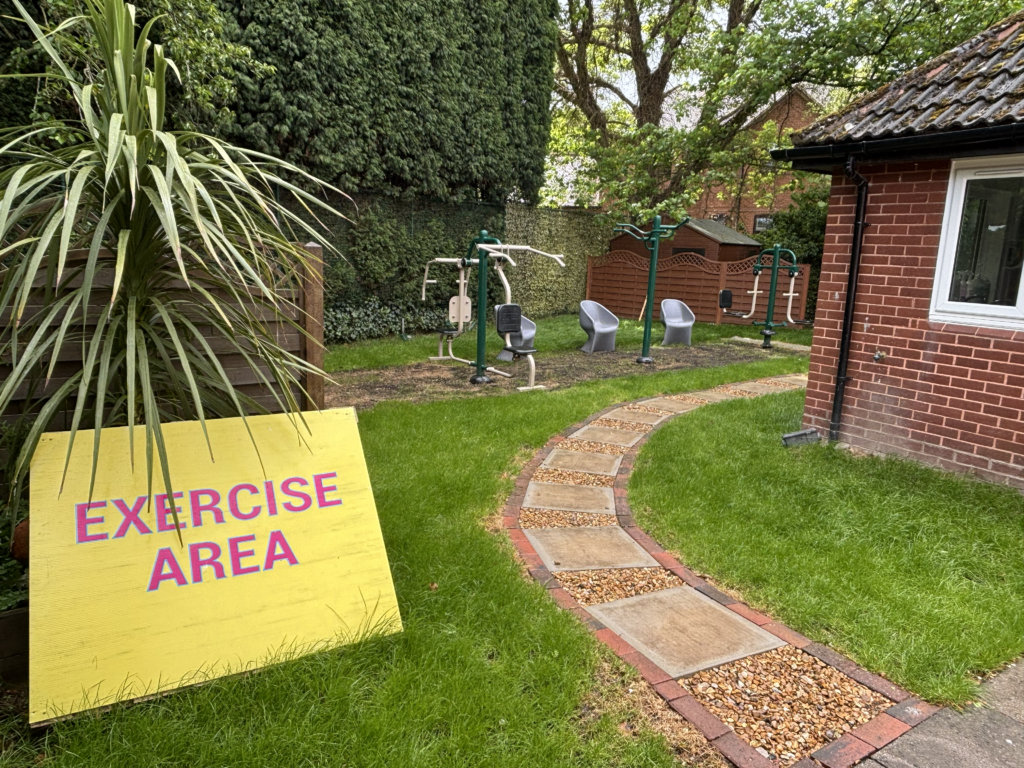
- The grounds were a particular strength, with a large and well-maintained garden that residents actively contributed to as part of their rehabilitation. This promoted a sense of pride, routine and wellbeing. The outdoor space also included exercise equipment and a quiet area for reflection, which made a positive contribution to residents’ overall wellbeing and engagement.
- A range of security equipment was in place and was routinely used, including CCTV, personal attack alarms, radios and controlled access systems. Staff consistently carried personal alarms and radios, and inspectors observed staff using these appropriately during routine duties and risk-related activities. CCTV was used to support monitoring of the premises and incidents, and staff were aware of its role in managing behaviour and reviewing events where required.
Areas for improvement:
- The quality of guided welfare assessments and safety and support plans (SaSPs) was mixed. Although a SaSP had been completed in all eight of the inspected cases, two of them had not been reviewed. Several SaSPs were also overly reliant on self-reporting from residents and failed to reflect known risks, including histories of self-harm and suicide. Although SaSPs were countersigned by the manager, deficits in practice were not always identified and fed back to the staff member. Moreover, there were significant gaps in the completion of SaSP training across the staff group, which requires attention to ensure consistent and effective practice moving forward. The manager had already begun to address this following feedback provided at the end of fieldwork.
- During our observation of a group activity, staff briefly left the room, which reduced direct supervision of a high-risk resident. Some behaviour during this time highlighted the importance of maintaining clear awareness of positioning and proximity. Although the situation was eventually managed and no harm occurred, it indicated that risk management approaches were not applied as consistently as intended, despite a recent briefing by the manager, and suggested the need for greater vigilance in practice.
- We observed occasions when staff on duty were not wearing safety belts as required, indicating that safety procedures were not followed consistently. This has implications for staff safety, as failure to use protective equipment when needed reduces their ability to respond effectively to incidents and manage risk.
Public protection (Back to top)
| The approved premises effectively protects the public | Rating |
| Requires improvement |
Strengths:
- Stonnall Road was represented at all Multi-Agency Public Protection Arrangements (MAPPA) meetings for its residents. The manager and area manager attended all Level 3 meetings, and the probation service officers/keyworkers attended all meetings for residents managed at MAPPA Level 2.
- In line with national AP policy, allocation decisions were made by the central referrals unit, with limited involvement of local management. Nevertheless, during fieldwork we observed appropriate escalation of an allocation to the manager by a residential worker when it became apparent that another resident posed a serious risk of harm to a new arrival. The manager’s swift and decisive action in relocating the individual demonstrated strong professional judgement, effective recognition of risk and a commitment to prioritising safety.
- In the cases inspected, enforcement action was generally appropriate, with most instances managed effectively and a range of measures used to address non-compliance. The AP demonstrated familiarity with enforcement processes and responded promptly to emerging risks, including out-of-hours decisions. Overall, enforcement activity was proportionate and contributed to maintaining a stable and well-managed environment.
- The process for recording and monitoring compliance with licence conditions in the general office, including sign-ins and curfews, was easily accessible and robust. Moreover, the daily handover process would trigger email summaries of urgent information, with information shared promptly with practitioners when needed.
- Alcohol and drug testing was generally well embedded and delivered consistently. Regular testing and accurate recording supported effective monitoring and risk management. In most inspected cases, testing was carried out appropriately.
Areas for improvement:
- One case in the sample required safeguarding action, and provided cause for concern. There were missed opportunities to recognise and respond to risks to others, despite these being central to the placement, and limited evidence of escalation or effective communication between agencies. Although responsibility sat primarily with the supervising probation delivery unit, AP staff did not take sufficient steps to follow up or reinforce safeguarding concerns. This case highlighted the need to strengthen safeguarding awareness, professional curiosity and escalation processes, supported by improved training and practice.
- Although handover arrangements supported day-to-day management and residents’ wellbeing, they did not always support deeper, analytical consideration of risk. This was particularly evident to inspectors in the evening handover, where the emphasis on safeguarding the public was less pronounced. The morning handover, when attended by the manager, was more reflective, with a clearer focus on risk and public protection. Inspectors therefore found handover practice to be somewhat inconsistent.
- The police attended the AP regularly and information was shared with the local MOSOVO team, which were positive. However, formal information exchange only happened monthly, which was not often enough to ensure timely oversight of emerging risks. More regular communication may have strengthened the effectiveness of this partnership, particularly as a more robust process could have helped to identify and address situations where residents were not complying with licence conditions. For example, in one case an individual had ongoing contact with a partner and children, contrary to restrictions.
- Although there is no requirement for managers to attend all MAPPA meetings, greater managerial presence would enhance oversight and support more robust risk management, particularly while staff are still completing essential training.
Rehabilitation (Back to top)
| The Approved Premises delivers activity to reduce reoffending | Rating |
| Good |
Strengths:
- Stonnall Road worked effectively with a range of partner agencies to ensure residents could access the support they needed. This included regular input from Change, Grow, Live (CGL), which provided one-to-one support for substance misuse, and the CFO Activity Hub, which helped residents move towards education, training and employment. Additional support was provided through services such as Reconnect, which helped individuals access healthcare following release from custody, and The Dog Therapy Trust, whose weekly visits promoted calm and wellbeing. Strong links were also in place with local GP surgeries and a pharmacy, ensuring timely access to healthcare and medication. In five of the eight inspected cases, other agencies were deemed by inspectors to have been appropriately involved in the delivery of services or support to promote the resident’s rehabilitation.
- Rehabilitative activity was relatively varied and tailored to individual needs, with a focus on meaningful, strengths-based interventions. Activities included weekly residents’ meetings, one-to-one sessions with CGL, film nights, cooking sessions, gardening, therapy dog visits, arts and crafts, and music sessions, all designed to support wellbeing and engagement. Observations during fieldwork showed these activities were responsive and purposeful, helping residents to build confidence, develop practical skills and increase independence, while supporting emotional wellbeing and positive peer interaction.
- Inspectors found that residents received a suitable and timely induction in all cases reviewed, with Stonnall Road’s performance consistently above the national average for completing the two-stage process. While induction was not observed during fieldwork, feedback from residents was positive overall, with most rating their experience as ‘good’ or ‘excellent’.
- Interactions between staff and residents were consistently warm, professional and respectful, providing a strong foundation for rehabilitative work. This was reflected in case records, which showed positive relationships in all cases, and in residents’ feedback, with the majority reporting that staff were ‘always’ available to support them and ‘always’ treated them with respect.
- Keywork was a clear strength, with frequent and meaningful sessions evident in most cases and delivered to a consistently good standard. Feedback from residents and probation practitioners was positive, and staff demonstrated strong skills in using keywork to build constructive relationships and address wellbeing, resettlement needs and risk factors in a structured and supportive way.
Areas for improvement:
- Support for move-on was evident but inconsistent and was affected by wider pressures in the local housing market. Clear move-on planning was only in place in half of the cases reviewed, and feedback from probation practitioners indicated variable experiences of support. A more structured approach, including closer links with housing services, would improve outcomes and better support residents to secure suitable accommodation.
- While some partnerships to support rehabilitation were well embedded, there were gaps in areas such as mental health provision, where access to services was slow, and in housing support, where there was no consistent presence from local providers to assist with move-on planning.
- Feedback from probation practitioners on the rehabilitative offer was somewhat mixed. Across the case sample, delivery was not always consistently planned or structured. Some activity remained informal and was not clearly linked to sentence plans or identified risks. Engagement was also reduced where residents spent significant time away from the AP. While there was a clear rehabilitative ethos and examples of effective practice, greater consistency in planning and delivery would strengthen the overall offer.
- Pre-arrival contact with residents was limited. Only a small number of residents reported receiving contact before arrival, and this was evidenced in just one of the inspected cases. While the manager outlined an expectation that contact should take place, this was not consistently reflected in practice and represents an area for improvement, particularly given its importance in supporting early engagement and planning for individual needs and risks.
Press release (Back to top)
“Good standard of service” found at Stonnall Approved Premises, rated ‘Good’ following inspection
Inspection response letter (Back to top)
Further information (Back to top)
This inspection was led by HM Inspector Stuart Tasker, supported by a team of inspectors and colleagues from across the Inspectorate. We would like to thank all those who helped plan and took part in the inspection; without their help and cooperation, the inspection would not have been possible.
Images (Back to top)