An inspection of Plas Y Wern Approved Premises
Foreword (Back to top)
Our inspection of Plas Y Wern (PYW) Approved Premises (AP), our first in Wales, found much to commend. Leadership was ‘Outstanding’ and the vision and values of the AP were clear and well understood by staff. There was a strong culture of collaboration and learning, and we found staff to be motivated, compassionate and committed to delivering a high-quality service. Residents spoke positively about the support they received and told us they felt safe. We also saw excellent examples of partnership working, with external agencies providing interventions that promote rehabilitation and resettlement.
The AP provided a generally safe and healthy environment, and risks of harm were managed well. Public protection arrangements were robust, with effective enforcement and a strong relationship with the police. Rehabilitation was supported through a structured programme of activities and meaningful keywork sessions.
However, there were areas that require improvement. Staffing shortages have placed significant pressure on the team and created a risk of staff burnout. While progress had been made against Welsh language commitments, further steps are required to fully meet expectations. Case recording of rehabilitative work and drug and alcohol testing was inconsistent, and more attention is needed to ensure accuracy and accountability. Finally, we found the physical environment to be cramped, and room sharing was causing anxiety for some residents.
Overall, PYW is performing well and demonstrates many strengths. Addressing the areas for improvement identified in this report will help ensure the AP continues to deliver a safe, supportive, and rehabilitative environment for residents while maintaining public protection.
Martin Jones CBE
HM Chief Inspector of Probation
Background information (Back to top)
| Total number of Approved Premises nationally | 104 |
| Length of time on site by inspectors including out of hours activity | Two days |
| Total number of beds in Plas Y Wern | 27 |
| Average length of residents’ stay at Plas Y Wern | 37 days |
Nationally
APs provide 24-hour monitoring and supervision to their residents and are expected to engage them in interventions to reduce the likelihood of further offending. There are 104 APs in England and Wales. Most are for men only, with eight for women only. Twelve are psychologically informed planned environments (PIPEs), co-commissioned with NHS England. Fourteen APs are independent, including five of the eight APs for women. These are led mostly by third sector providers. Independent APs (IAPs) are delivered under contract and in partnership with HM Prison and Probation Service (HMPPS).
There are four APs in Wales which are part of the Residential Public Protection (RPP) division, led by the head of residential public protection. This division sits within the Wales probation region and is integrated with mainstream sentence management. This structure differs from the model in England, where APs operate as a separate entity.
Locally
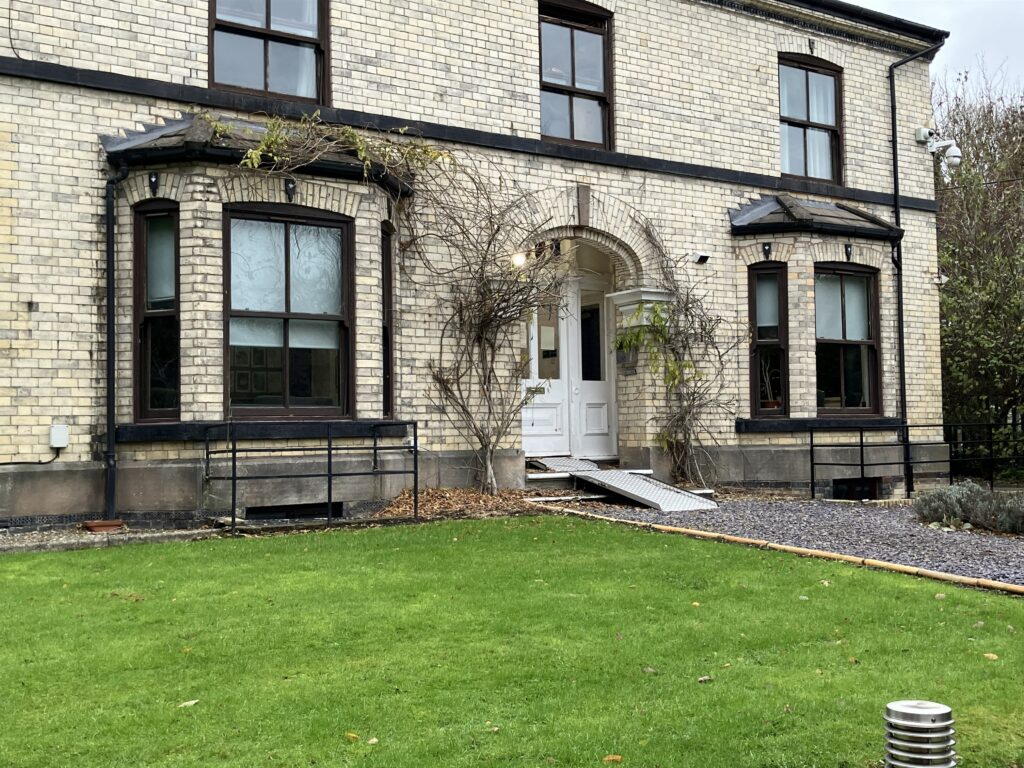
PYW AP in Wrexham, Wales, has a maximum occupancy of 27 men, aged 18 and over. There are five double and 17 single occupancy rooms, split across two buildings – the main building and the coach house. PYW is a catered AP. At the start of our fieldwork there were 21 residents in placement, although this number fluctuated slightly throughout the week due to planned departures and new arrivals.
Our inspection methodology
We inspected PYW during the week beginning 24 November 2025. This included the off-site inspection of eight cases relating to individuals who were either still resident at the AP or who had recently departed. While carrying out on-site fieldwork, we observed practice and interviewed managers and staff, individually and in groups. We also received feedback from eight current residents about their experiences. In addition, our fieldwork included the AP’s ‘out-of-hours’ activities – specifically, the early morning and evening shift handover processes – and a detailed analysis of recent enforcement and recall decisions.
Ratings (Back to top)
| Fieldwork started November 2025 | Score 11/15 |
| Overall rating | Good |
| Standard | Score | Rating |
| Leadership | 3 | Outstanding |
| Staffing | 2 | Good |
| Safety | 2 | Good |
| Public Protection | 2 | Good |
| Rehabilitation | 2 | Good |
Recommendations (Back to top)
As a result of our inspection findings, we have made the following recommendations that we believe, if implemented, will have a positive impact on the quality of services delivered at Plas Y Wern.
The Plas Y Wern leadership team should:
- address deficits in the quality of case recording, particularly records relating to drug and alcohol testing and the delivery of rehabilitative work
- increase the frequency and depth of casework auditing to address inconsistencies identified during inspection
- continue efforts to meet Welsh Language Scheme commitments, including bilingual signage and routine use of Welsh greetings
- strengthen arrangements for pre-arrival contact with residents to improve engagement and preparation for their AP placement
- review and improve the process for timely and consistent review of Safety and Support Plans (SaSPs) to maintain effective risk management.
His Majesty’s Prison and Probation Service should:
- urgently complete the review of staffing, resourcing, and recruitment procedures for APs to promote safe and rehabilitative practice
- develop evidence-based guidance for room-sharing arrangements, informed by research, to ensure that residents are treated with decency and fairness as they transition from custody into the community.
Leadership and governance (Back to top)
| Rating | |
| Outstanding |
Strengths:
- PYW had a clear, documented vision that was on display throughout the AP. The document contained a vision statement and the AP’s agreed values, strengths, and aspirations. The broad themes outlined within the vision statement – public protection, rehabilitation, and safety – were understood by staff and communicated to inspectors during fieldwork.
- Leaders worked collaboratively to promote a positive culture. Celebrating success, highlighting good news stories, and providing praise for good work was standard practice.
- The Head of Residential Public Protection (RPP) hosted a monthly ‘Coffee and Celebration’ Microsoft Teams call all for all staff in the RPP division. As well as showcasing positive news and achievements across the division, time was allocated for presenting and discussing any new policies or practice initiatives.
- PYW won three Wales probation region staff awards in the 2025 ceremony:
- fairness, decency & respect award – presented to a probation service officer (PSO)/keyworker
- changing lives award – nominated by an ex-resident and awarded to the entire PYW team
- Wales probation champion 2025 – given to the PSO who received the fairness, decency & respect award. The Area Executive Director praised the PSO’s “compassion and care for the AP residents and the values he demonstrates daily of integrity, fairness, and respect, making him a role model for other staff and residents”.
- The Wales Human Factors model was fully embedded, including its associated meeting structure and a daily protected hour for consultation with managers. The model was introduced to promote a learning culture, strengthen psychological safety among staff, and enhance communication and decision making. Inspectors observed the model in practice and found that it was supporting staff reflection, resilience, and overall stability within the AP.
- Resident feedback about PYW was overwhelmingly positive with most emphasising the support from staff and their welcoming and friendly approach. All residents interviewed by inspectors felt safe. We were also provided with numerous written testimonials from past residents, highlighting the positive impact that the AP had had on them and their resettlement.
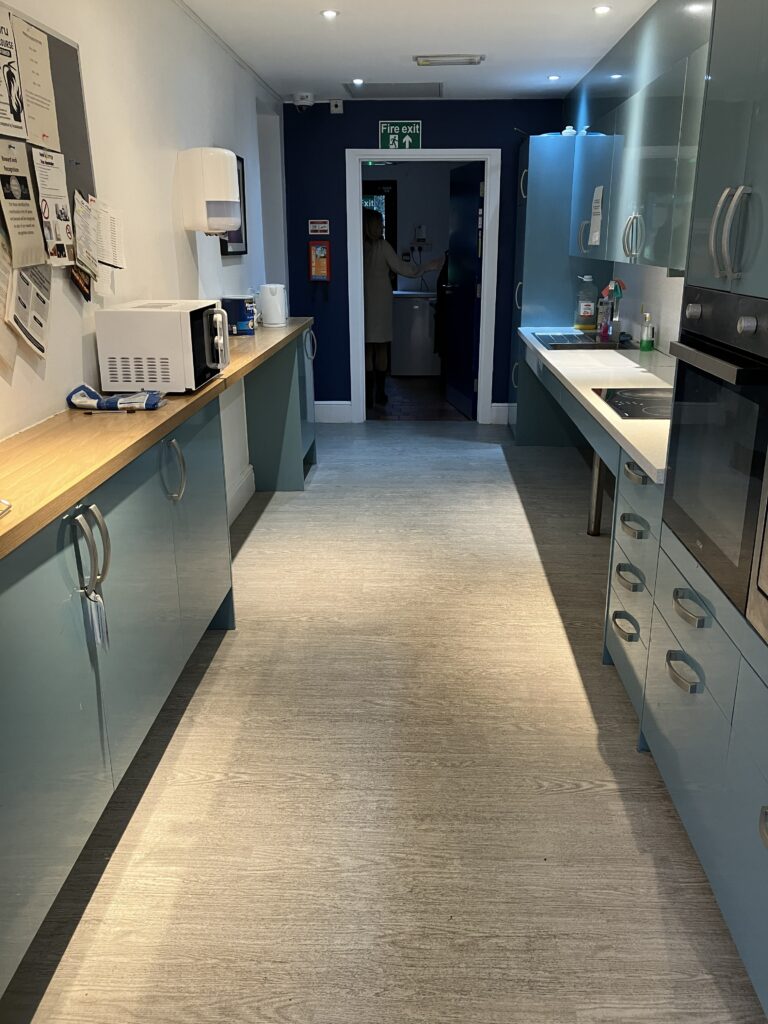
- Resident feedback was proactively sought and exit surveys were prioritised and reviewed by the manager. The weekly residents meeting, which was observed by inspectors, was well attended and gave a space for consultation to generate ideas and obtain suggestions to improve service delivery. Pre-departure three-way meetings between the resident, keyworker and their probation practitioner had been implemented and this was another way of reviewing progress and gathering residents’ views about their AP placement. “You said, we did” posters showed residents how their feedback and requests were acted upon by staff and managers. For example, in response to residents’ requests, the frequency of cooking classes had been increased, and additional kitchen equipment had been sourced.
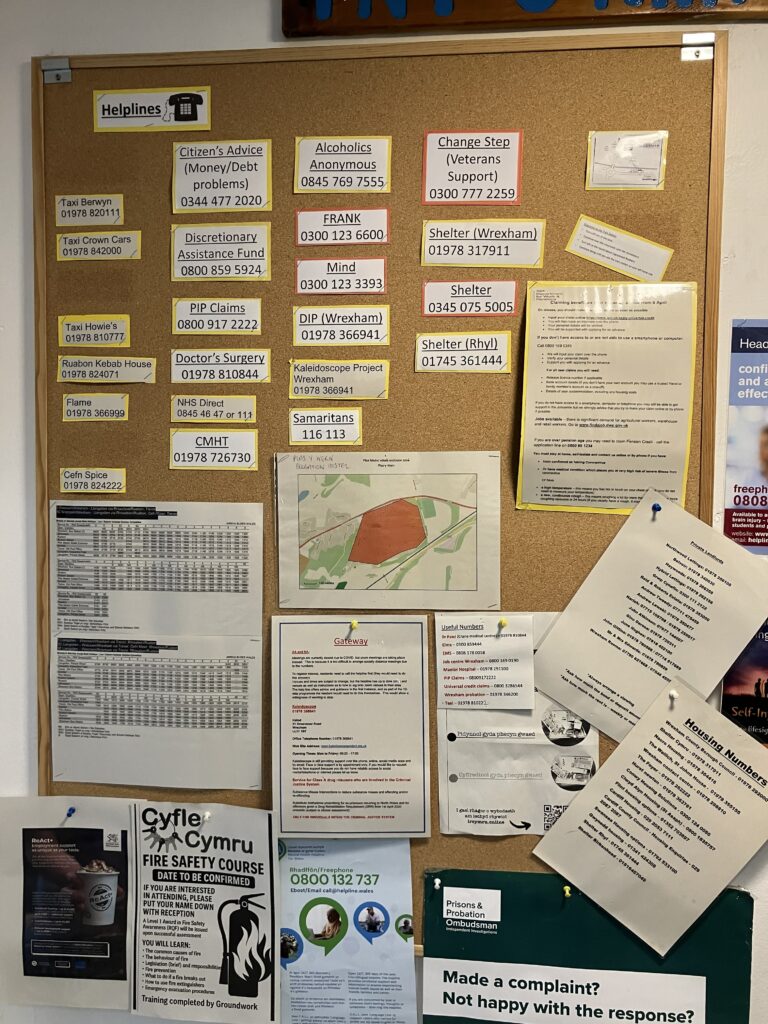
- Collaboration with other organisations and agencies to manage risks and ensure access to interventions and support for residents was a particular strength. Several organisations were delivering activities on-site across the range of rehabilitation pathways to support residents’ resettlement.
- Close working with prison colleagues was a common feature of the AP’s delivery, particularly with staff at HM Prison (HMP) Berwyn. Examples of this joint work included:
- prison staff delivering interventions at PYW. During fieldwork, we observed a well-attended personal well-being and nutrition group. Having a familiar face for residents transitioning from the prison into life at PYW was a stabilising factor for some residents
- The opportunity to deploy drug detection dogs to identify illegal substances and provide a visible deterrent against drug use by residents
- prison clothing provided as an emergency resource for residents that did not have access to their own items. This provision was used by one resident during fieldwork. He told inspectors that he had been released from custody at short notice and had not had time to collect his clothing from his family. He was delighted to have been provided with a new tracksuit that enabled him to exercise in the on-site gym and have a clean change of clothes.
- Senior leaders were committed to improving quality and ensuring a high level of performance across the Wales APs. There was a comprehensive improvement plan in place that had been produced following a detailed quality audit in each of the four APs in summer 2025. Quality audits remain a core feature of the current area manager’s role.
- PYW’s achievement of national service level measures had historically been inconsistent and the team had struggled to meet expectations across a range of key processes (such as timeliness of first and second stage inductions, and of initial and review safety and support plans (SaSPs)). The manager had worked with staff to improve performance, and significant progress had been made in the second half of 2025. A weekly PSO tasking meeting had been implemented as a way of addressing both quality and performance, providing reminders to staff of key tasks requiring completion and giving an opportunity to look ahead and prepare for upcoming arrivals.
- There was sound equity, diversity and inclusion awareness and responsive practice. At a strategic level, leaders used data relating to the AP population in combination with an annual regional analysis of the wider people on probation population, undertaken by the Wales Community Integration Team. This enabled the identification of service gaps. From the most recent analysis, disabilities and neurodiversity were shown to require additional attention and resources. In response, a sensory room, fidget devices, and mental health first aid training were sourced.
- We observed a range of positive actions taken to cater to the diverse needs of residents. These included:
- discretionary rent decisions for residents with no recourse to public funds
- referrals to adult social care for vulnerable residents and those with mental health concerns and physical disabilities
- mental health concerns escalated promptly to the manager for consultation and support with action planning
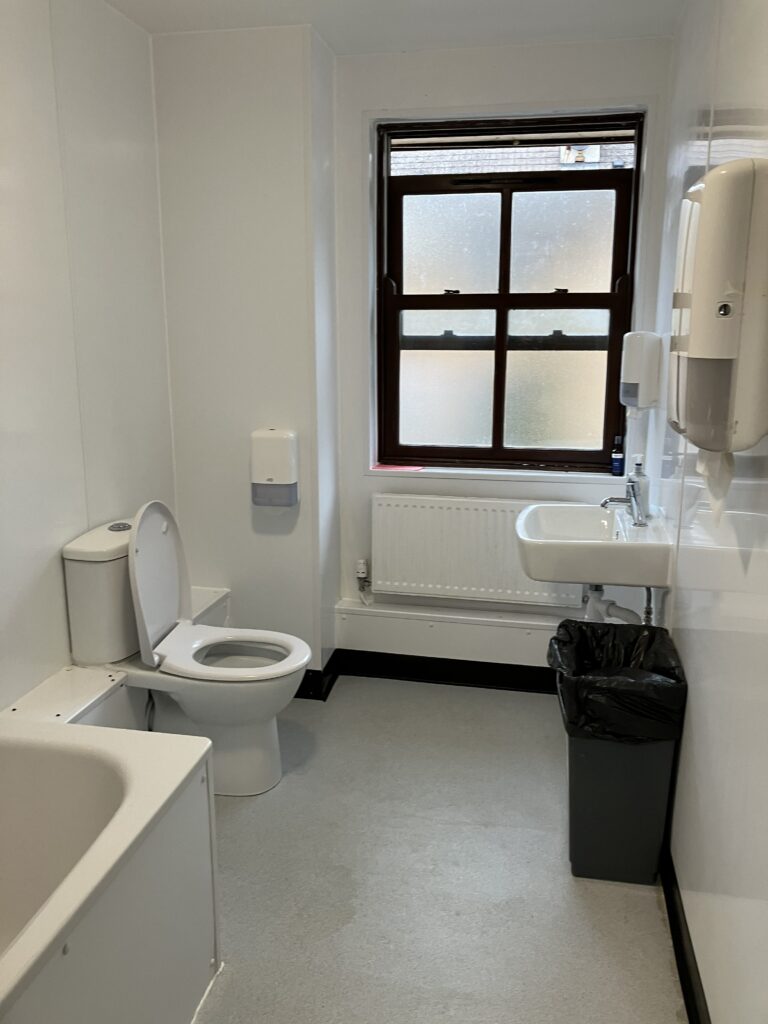
- a clear pathway for supporting transgender residents (including allocation of own bathrooms for dignity)
- chaplaincy engagement for religious needs, such as visits by a Rabbi
- induction packs available in different languages, including Welsh, and Welsh language requirements considered in the staff recruitment strategy.
Areas for improvement:
- We identified encouraging steps towards meeting the commitments set out in the HMPPS Welsh Language Scheme (2025), including the use of some bilingual signage and a stated intention to advertise specifically for Welsh-speaking staff. However, several permanent signs remained English-only and Welsh was not observed to be routinely used in everyday interactions, such as answering telephone calls or offering greetings. There remains scope for PYW to strengthen some of its practices to meet the scheme’s explicit requirement to promote, normalise, and encourage the use of Welsh language and not just respond to demand. Completing the transition to fully bilingual permanent signage, introducing bilingual greetings as standard practice, and continuing efforts to recruit Welsh-speaking staff would more fully realise the principle of linguistic equality and demonstrate clear progress toward meeting HMPPS expectations.
Staffing (Back to top)
| Staff are enabled to deliver a high-quality service for residents. | Rating |
| Good |
Strengths:
- We met a motivated and compassionate group of staff who were going out of their way to support residents and deliver effective public protection.
- Completion of national mandatory training for new AP staff was tracked by management. In addition to the standard required training, the AP manager had also developed their own induction framework that had been shared across the AP division in Wales. This framework provided a clear, staged pathway for new staff and included thematic learning, shadowing, and observation before they would be scheduled to work independently.
- The inspection team was impressed with the level of knowledge and competence displayed by staff during our fieldwork. A review of recent enforcement, recall decisions, and staff response to positive drug and alcohol testing by the inspection team evidenced the staff team’s ability to assess, manage, and escalate emerging risks. We observed morning and evening handovers and noted the diligence and level of professional curiosity displayed by staff and the actions taken to respond to issues. These meetings were thorough, both in their delivery and post-meeting recording.
- Management operated an open-door policy and was visible and approachable. Formal and structured supervision was provided every six to eight weeks, and a template was used to structure these meetings and to maintain consistency across the staff group. The management protected hour was fully embedded giving daily space for staff to consult with their seniors in a structured and consistent way. Despite having a large span of control, the AP manager prioritised supervision and staff complimented and respected them, their strong work ethic, and supportive approach. The AP manager also received strong backing from senior leaders and was given appropriate guidance and support to address the staffing challenges.
- Although staffing and the juggling of resources was complex, there was resilience within the Welsh AP structure and the risk of an AP in Wales closing was minimal. When needed, senior leaders would direct staff to work in alternative locations to their own to provide cover – and this had happened during our fieldwork. Moreover, because the AP division was part of the Wales probation region, staff from probation delivery units (PDUs) could also be directed to support APs.
- Management oversight of practice was happening, and we were provided with an extensive range of examples of feedback from countersigning processes that the manager was providing to staff on a routine basis to improve quality.
- There was a strong focus on staff safety and well-being, embedded within the organisational culture. The implementation of Human Factors, the use of staff recognition awards, and the visible presence of management were clear examples of this in practice. Managers were proactive and decisive in managing staff sickness, setting behaviour expectations and addressing conflict and tensions amongst staff.
Areas for improvement:
- PYW worked with the standard residential worker (RW) staffing model, with two RWs on-site at any one time. The target RW resource was 11.5 full time equivalent (FTE) but at the time of our inspection there were only 9.05 FTE in post. One newly appointed RW was awaiting vetting, and the current AP administrator was due to move into an RW vacancy imminently. Even at full staffing levels, having only two RWs on shift at any given time, for an AP accommodating 27 residents, was challenging.
- Resource management was difficult, and a significant amount of time was spent by the manager and AP administrator coordinating rotas and arranging cover, given the RW vacancies. PSOs often stepped in to provide cover. While this was prudent, it diverted attention from their own role and responsibilities. Some staff members reported to inspectors that they were experiencing symptoms of burnout, resulting from the extensive cover they had been required to provide and the sustained pressures caused by staffing shortages. Management had also recently had to address some conflict and tension between a small group of staff.
- With a maximum occupancy of 27 residents, the manager carried a highly demanding role and was responsible for a wide range of tasks, including: managing all resident behavioural issues; maintaining community relations and networks; making enforcement decisions; overseeing staff rotas and ensuring adequate cover; management oversight; quality assurance; and line management for the entire team. The inspection team concluded that additional management resource was required.
- It was clear that management oversight was taking place but could be improved further by feedback being included consistently within case records. Area manager audits of all four APs and their processes were an established feature of practice in Wales. It would be beneficial to increase the frequency and intensity of casework auditing in light of the inconsistencies and gaps identified in the case sample and highlighted elsewhere in this report.
Safety (Back to top)
| The Approved Premises provides a safe, healthy and dignified environment for staff and residents. | Rating |
| Good |
Strengths:
- Risks of self-harm and suicide were managed appropriately. We observed professionally curious handover discussions between staff where the behaviours and well-being of individual residents were actively monitored and discussed. We were also provided with examples where staff had responded appropriately when residents had experienced crisis or their emotional well-being was deteriorating.
- All residents interviewed by inspectors reported feeling safe within the AP. Safeguarding of residents was strong and enhanced by an arrangement with adult social care (specifically, the offender assessment and liaison team (OALT)) and having two adult social workers regularly on-site. In our review of casework, staff had taken action in safeguarding residents in all relevant instances. For example, in one case when a resident was ill, they received the necessary support from staff and care was also taken to ensure that other residents were not put at risk. We also observed active consideration of resident safeguarding during morning and evening handovers.
- The storage and administration of medication was generally consistent with policy and aligned with best practice. Staff had received medication training and reported confidence in the process. The AP manager was confident in the staff group’s compliance with the policy and daily and weekly internal audits were conducted to maintain assurance that residents were being administered their correct medications. The entire medication process was audited by the area manager on an annual basis.
- We observed thorough room searches to maintain safety standards and staff were familiar with enforcement and improvement planning processes used to manage residents’ poor behaviour. We saw deployment of these systems in the inspected case sample.
- At the time of our inspection, the resident group was generally stable, calm and cooperative. The manager had developed a structured approach to promoting positive behaviour and progression within the AP. Residents who demonstrated sustained stability and compliance with house rules were considered for a move from the main building to the coach house. This transition offered a greater degree of independence while maintaining appropriate oversight. The process was clearly explained to residents, who understood that cooperation and engagement with staff could lead to increased trust and responsibility. This approach provided a tangible incentive for residents to work towards positive goals and reinforced the importance of pro-social behaviour within the community.
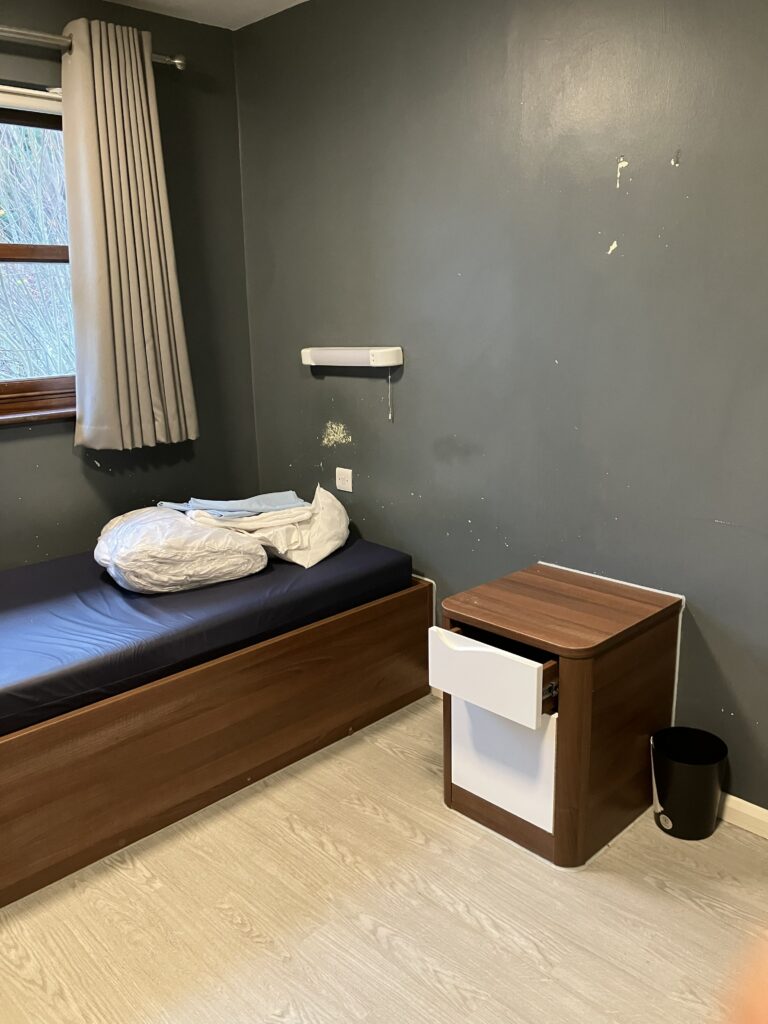
- All bedrooms had anti-ligature furniture to reduce the potential for self-harm and suicide. There were also two rooms that had automatic sprinkler systems and other adaptations for those posing the highest risk of committing arson offences. In addition, a small number of rooms had adaptations suitable for residents assessed as presenting a lower fire risk. There were two adapted rooms for people experiencing poor mobility. The resident occupying one of the rooms told inspectors that he felt “lucky” to be allocated to the room and was incredibly grateful. The bed was however not entirely appropriate, and the AP had referred him to adult social care for assessment and some further adaptations. In the meantime, he had been provided with additional duvets and appreciated this support.
- The wider environment was generally well-maintained. There was a good relationship with the facilities management team, and repairs and work orders were actioned appropriately.
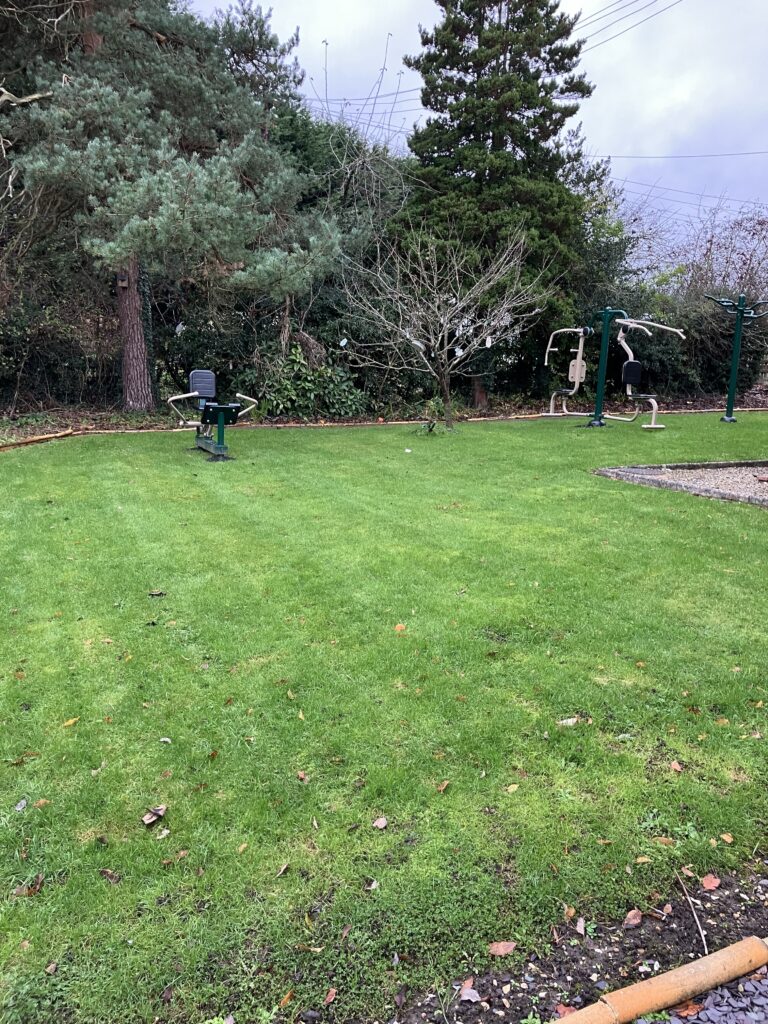
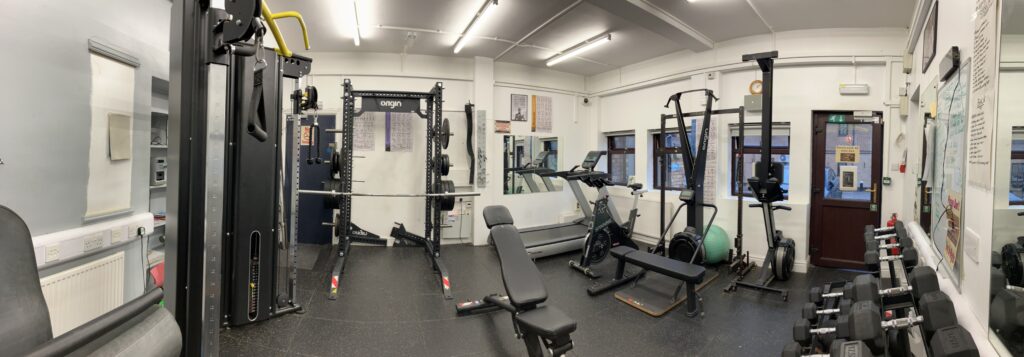
- The AP had a gymnasium with a wide range of high-quality equipment that was well utilised by residents in their own time and during structured rehabilitative activities. Residents highlighted the gym as a real asset in their rehabilitation, and it helped them make constructive use of their time.
- Staff and visitors were provided with personal assistance alarms which were tested prior to being handed out. CCTV quality was good, and we observed it being used by staff to monitor residents and their whereabouts.
Areas for improvement:
- Although national expectations regarding the timely completion of initial SaSP were regularly achieved, SaSP reviewing was a less consistent area of practice and required some attention.
- The practice of room-sharing presented challenges for some residents, particularly around privacy and personal space. During fieldwork, some residents who were allocated to double rooms but were not yet sharing, expressed anxiety about the possibility of another person being placed with them at short notice. This uncertainty created feelings of discomfort and reduced their sense of stability. While staff worked hard to manage allocations sensitively, the lack of guaranteed privacy remained a concern for some individuals and had the potential to affect their overall experience of living at the AP.
- One resident told us that their room had cobwebs when they moved in and another said there was a problem with wasps, and they both felt the response to these issues had been slow.
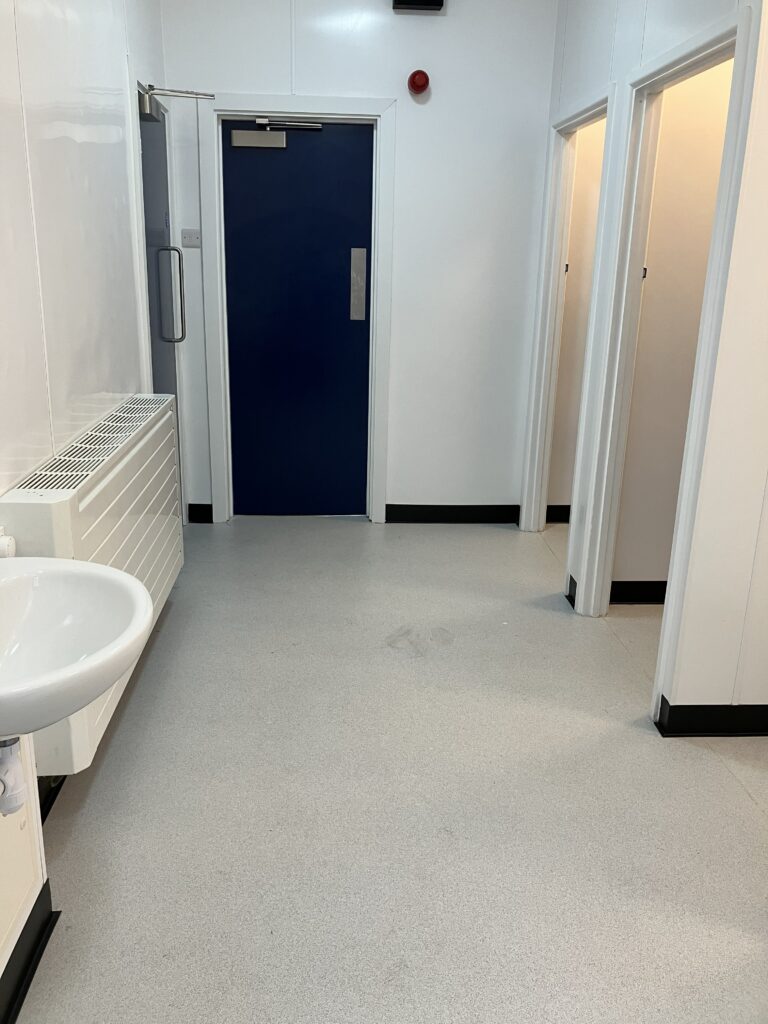
- Although PYW was located on a relatively large plot of land, the two buildings felt cramped and did not have sufficient meeting space, interview rooms, or a dedicated area for staff to use during breaks. Leaders wanted to expand the recreational area in the coach house.
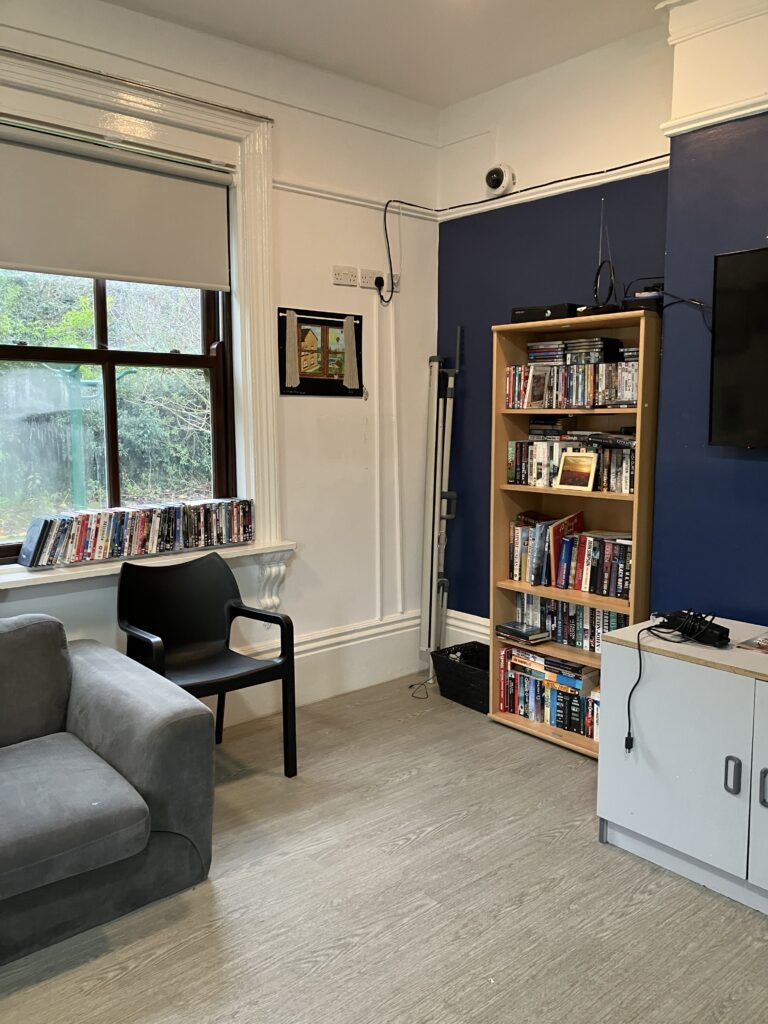
- Although there was a well-equipped activities/games room, which offered residents opportunities for recreation and social interaction, inspectors noted that the room was very cold, which limited its comfort. In addition, the room was not fully clean, with some areas requiring attention to maintain appropriate standards of hygiene.
Public protection (Back to top)
| The Approved Premises effectively protects the public | Rating |
| Good |
Strengths:
- PYW was represented at all Multi-Agency Public Protection Arrangements (MAPPA) meetings for its residents. The manager attended all meetings, and the Area Manager attended all meetings for residents managed at MAPPA Level 3. The head of public protection attended for particularly complex cases. PSOs attended for the cases that they were keyworkers for.
- The manager had appropriate oversight and influence in the allocation of residents to the AP. Although allocations were controlled by the Wales central referral unit (CRU), the relationship between PYW and the CRU was productive and there was rarely disagreement about the allocation of residents to the AP. This was helped by the CRU chairing a daily meeting with all AP managers in Wales to aid communication, share information and intelligence between the departments, and problem solve.
- Enforcement decisions were generally robust, and recording was sufficient in all relevant cases inspected. We were provided with other examples of enforcement decision making and recording from the three months leading up to our inspection and which further evidenced good practice in this area. Poor compliance or potential behaviours of concern were discussed in handover meetings which were all accurately recorded.
- The manager provided numerous examples of the team taking swift and appropriate action in relation to both child and adult safeguarding. Staff had also attended the required training. Having access to adult social care on-site was a valuable resource and was beneficial for upskilling AP staff in safeguarding practice.
- The process for recording and monitoring compliance with licence conditions in the main office, including sign-ins and curfews, was easily accessible and robust. Each staff member had a copy and referred to it throughout their shifts, responding appropriately by alerting the manager and probation practitioners in instances of non-compliance. The inspection case sample also highlighted some good practice in relation to information sharing and joint working with probation practitioners. Staff were proactive in communicating with staff in PDUs including through three-way meetings to both motivate residents and jointly manage the risks they posed.
- The manager had developed a robust arrangement with the police. In addition to having a designated contact within the MOSOVO (Management of Sexual Offenders and Violent Offenders) team – for sharing intelligence and managing those residents posing the highest risk of causing sexual and physical harm – a red, amber, green (RAG) process was established, broadly based on integrated offender management principles. The RAG system identified the level of monitoring, resource, and neighbourhood patrol that the police needed to allocate to PYW. The RAG rating allocation was determined by agreed criteria based on the resident population, their stability, intelligence, and staffing at the AP. The RAG status was reviewed and updated weekly.
- There was evidence of information sharing and liaison with other agencies to manage the risk posed by the resident, where needed, in the cases inspected.
- Drug and alcohol testing was frequent and we were provided with an extensive range of case examples from the three months leading up to our inspection where drug and alcohol testing had been carried out and appropriate decisions made in response to positive tests and escalating risk.
Areas for improvement:
- Although our dip sampling activity showed that drug and alcohol testing was frequent and generally administered in accordance with policy requirements, we found three cases in our case sample where regular alcohol testing had been requested by probation practitioners, but records did not confirm whether they had been undertaken. Although the case sample showed that drug testing was generally administered in line with policy, results were not always recorded. Accurate and timely recording of drug and alcohol testing is essential to demonstrate compliance with licence conditions and to support robust oversight of risk.
Rehabilitation (Back to top)
| The Approved Premises delivers activity to reduce reoffending | Rating |
| Good |
Strengths:
- There was extensive collaboration with other organisations and services to ensure access to interventions and promote rehabilitation. PYW’s approach to maximising outside agency involvement in the delivery of interventions was a wise strategic decision, in light of the pressures on AP staff. These services included:
- St Giles Trust, a commissioned rehabilitative service provider, which provided peer mentoring to residents to help engage them in wider support services and worked with individuals to keep them motivated on release from custody.
- The Elms North Wales Substance Misuse Service.
- Adferiad Mental Health and Substance Misuse Service which provided a range of services including mental health support, interventions for those experiencing drug and/or alcohol misuse issues, and gambling addiction support.
- Careers Wales, for education, training and employment (ETE) support.
- NACRO, a commissioned rehabilitative service provider, which attended the AP regularly to provide assistance to residents with sourcing move-on accommodation.
- Adult social care (the OALT) which attended the AP weekly meeting to assess and support particularly vulnerable residents and could help residents access a range of other assessment and support provision through the local authority.
- There was a planned and structured programme of activities, delivered by both external partners and AP staff. The programme included gardening; cooking; personal well-being and nutrition; fitness, men’s health and gym sessions; ETE support; housing advice; practical support with form filling; mindfulness; and film nights.
- Inspectors found rehabilitative activities had been delivered sufficiently in six of the eight inspected cases. Six of the residents that we interviewed rated the rehabilitative activities on offer as “good” and the remaining two rated them as “fair”.
- In most inspected cases, there was evidence of joint working between AP staff and probation practitioners. Work was generally appropriately aligned with the sentence plan and did not duplicate or contradict work that had been identified by probation practitioners.
- Records showed that staff delivered a thorough and detailed induction. PYW also performed above the national average for timely delivery of the two-stage induction process on a consistent basis. One of the residents interviewed had arrived at PYW earlier that day and he spoke positively about his induction and his initial impression of the AP. He was particularly struck by how welcoming staff had been and the practical support offered – by way of a fresh change of clothes/new tracksuit – so soon into his placement.
- A newcomers meeting took place on a Saturday as an extra support mechanism for new residents in the early stage of their placement.
- Throughout our fieldwork, inspectors observed both formal and informal interactions between staff and residents and these were all professional, respectful and appropriate – an important foundation for rehabilitative work. Six of the eight interviewed residents said that they were “always” treated with dignity and respect. The remaining two told us that this happened “most of the time”. Case records showed positive relationships between staff and residents in seven of the eight cases reviewed.
- Frequent keywork was evident in seven of the eight inspected cases and, in six cases, inspectors deemed this to have been meaningful and delivered to a sufficient standard. The majority of residents interviewed by inspectors rated their keywork sessions as either “excellent” or “good”.
- We were made aware of examples of staff supporting residents to move on from the AP although there were limitations and obtaining accommodation in the local area was difficult. Nevertheless, supporting residents with applications to other supported housing options was common practice. It was also positive that NACRO and The Salvation Army provided services to residents on-site and they were on hand to assess suitability and source move-on options.
- A transitions board took place monthly and was chaired by the deputy head of the RPP division. The panel considered referrals from AP staff, managers, and probation practitioners where move-on was proving particularly difficult or complex. It was the panel’s role to help problem solve and remove barriers to successful move-on, where it could. The length of AP placements would be extended, when possible, to avoid residents entering homelessness.
- Inspectors found the quality of keywork to be robust, demonstrating person-centred practice with clear attention to mental health needs and disabilities.
Areas for improvement:
- The quality of case recording regarding rehabilitative work was generally inconsistent across the inspected case sample. There was often an absence of detail regarding the work delivered and the outcomes achieved by residents.
- Although move-on activity was possible at PYW as a result of the partnerships developed, activity to support residents to move-on successfully from the AP was only evident in two of the eight inspected cases.
- There had been no pre-arrival contact with residents in any of the inspected cases, despite there being sufficient time for this to occur. This had already been identified as an issue by management via internal audit processes and work was underway to improve this area of practice. It was encouraging that during our fieldwork PSOs were conducting pre-arrival meetings with prospective residents both in person at HMP Berwyn and via Microsoft Teams.
Press release (Back to top)
Cymraeg (Back to top)
Further information (Back to top)
This inspection was led by HM Inspector Stuart Tasker, supported by a team of inspectors and colleagues from across the Inspectorate. We would like to thank all those who helped plan and took part in the inspection; without their help and cooperation, the inspection would not have been possible.
Images (Back to top)