An inspection of Merseybank Approved Premises
Foreword (Back to top)
This inspection of Merseybank Approved Premises (AP) was our second inspection of an AP in the North West area, and it received an overall rating of ‘Good’.
We found a well-led service with a clear commitment to learning and improvement. Leaders had used learning from findings identified during previous inspections elsewhere in the region to strengthen practice through audit and quality assurance activity in several areas. The AP manager provided visible and supportive leadership, helping to create a positive culture where staff felt valued and residents were treated with respect.
Merseybank demonstrated a number of important strengths. Staff were committed to their work and had developed positive relationships with residents that supported both rehabilitation and the effective management of risk. Public protection arrangements were robust, with effective information sharing and a clear focus on keeping people safe. We were particularly impressed by the work undertaken with residents serving sentences of imprisonment for public protection (IPP). This group can often feel trapped and hopeless about their future, yet staff showed compassion and persistence in helping residents engage with opportunities for progression and develop a greater sense of hope.
However, our inspection also identified areas requiring further improvement. While leaders demonstrated a strong commitment to equity, diversity, and inclusion, this was not always reflected consistently in work with individual residents. We also found that the quality of rehabilitative work was variable, particularly in pre-release engagement and keywork sessions. In addition, some staff raised concerns about workload pressures, communication between staff groups, and the potential impact of planned national rota changes.
Overall, Merseybank was a safe and supportive environment that delivered effective work to protect the public. By building on its many strengths, improving the consistency of rehabilitative practice, and addressing the concerns identified by staff, the premises was well placed to achieve even better outcomes in the future.
Martin Jones CBE
HM Chief Inspector of Probation
Background information (Back to top)
| Total number of approved premises nationally | 106 |
| Length of time on site by inspectors, including out-of-hours activity | Two days |
| Total number of beds in Merseybank | 23 |
| Average length of residents’ stay at Merseybank | 42 days |
Nationally
Approved premises (APs) play a vital role in managing some of the highest-risk individuals supervised by the Probation Service. There are 106 APs across England and Wales, most of which are for men only, with eight dedicated to women. Twelve APs operate as psychologically informed planned environments, co-commissioned with NHS England. Sixteen APs are independently run by third-sector providers under contract and in partnership with HM Prison and Probation Service, including five of the eight women’s APs.
Locally
Our inspection of Merseybank AP in Liverpool was the second within the North West area. The premises had capacity for 23 male residents, accommodated across 22 single-occupancy rooms and one shared room, with 18 residents in placement at the time of our visit. Merseybank was also a designated site for enhanced work with individuals serving imprisonment for public protection (IPP) sentences, providing targeted support and supervision for this cohort.
Our inspection methodology
We inspected Merseybank AP during the week commencing 06 July 2026. The inspection included an offsite review of eight cases involving individuals who were either residing at the premises or had recently moved on. During onsite fieldwork, we observed practice and held interviews with managers and staff, both individually and in groups. We also received feedback from seven current residents. In addition, we surveyed all staff working at the premises and received six responses. We also surveyed probation practitioners who had supervised individuals residing at the premises in the three months prior to fieldwork, receiving nine responses. Our fieldwork covered out-of-hours activity, including early morning and evening handovers, and a detailed review of recent enforcement and recall decisions.
Ratings (Back to top)
| Fieldwork started July 2026 | Score 9/15 |
| Overall rating | Good |
| Standard | Score | Rating |
| Leadership and governance | 3 | Outstanding |
| Staffing | 1 | Requires improvement |
| Safety | 2 | Good |
| Public protection | 2 | Good |
| Rehabilitation | 1 | Requires improvement |
Recommendations (Back to top)
As a result of our inspection findings, we have made the following recommendations that we believe, if implemented, will have a positive impact on the quality of services delivered at Merseybank.
The Merseybank AP leadership team should:
- establish arrangements for identifying and responding to residents’ diversity-related needs, ensuring that reasonable adjustments and protected characteristics are consistently reflected in assessment, planning, and day-to-day practice
- ensure that prospective residents are meaningfully involved in pre-release engagement and transition planning, so that they are better prepared for their move into the AP
- improve the quality of keywork, ensuring that sessions are purposeful, rehabilitative, responsive to individual needs, and clearly evidenced through recording
- strengthen communication and information-sharing arrangements between residential workers (RWs) and probation service officers (PSOs), including the effective involvement of PSOs in resident handovers
- broaden and enhance the rehabilitative activity offer, including increasing opportunities for structured interventions, groupwork, and onsite partner agency provision.
His Majesty’s Prison and Probation Service should:
- ensure that the findings of the AP activity and resourcing review are used to inform and deliver a workforce strategy that provides sufficient staffing capacity for approved premises and supports manageable workloads for staff
- take action to mitigate the potential loss of experienced staff arising from planned national rota changes
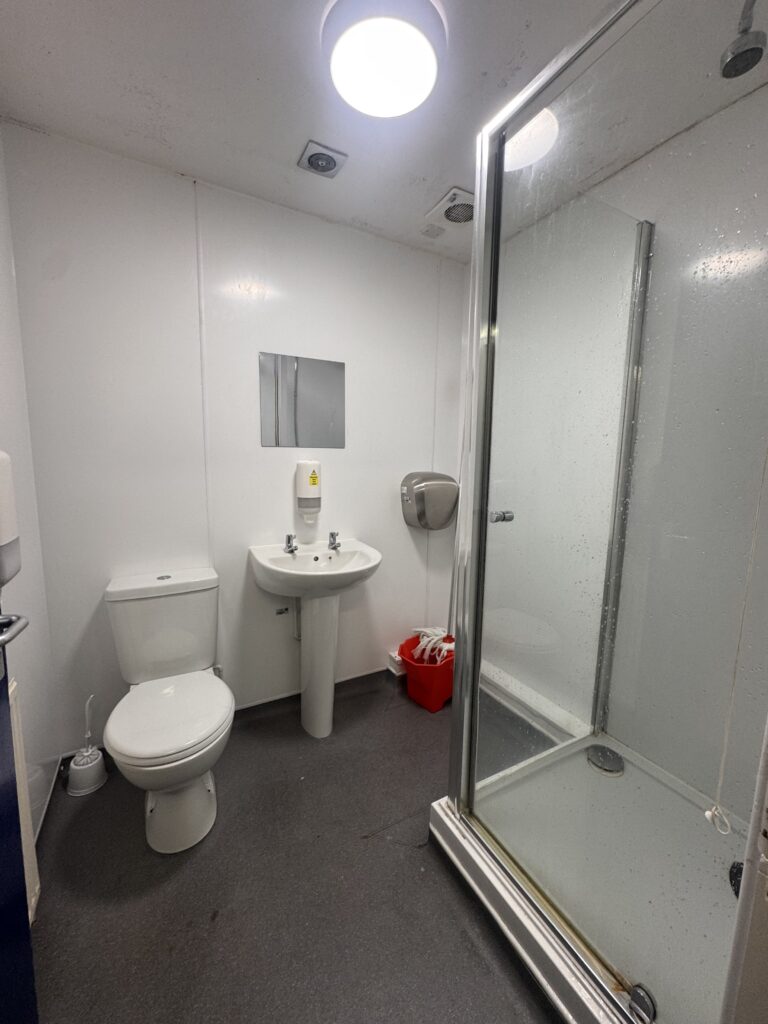
- ensure that facilities are sufficient to support staff wellbeing, effective operational practice, and confidential engagement with residents.
Leadership and governance (Back to top)
| Leadership and governance drive the delivery of a high-quality service. | Rating |
| Outstanding |
Strengths:
- Merseybank had a clear mission statement that set out its aims of reducing reoffending, protecting the public, building residents’ resilience, and supporting rehabilitation. It promoted a compassionate, risk-aware approach, underpinned by effective multi-agency working and a belief in positive change. Staff demonstrated a consistent understanding of the AP’s purpose and approach to supporting residents and managing risk.
- The AP manager played a significant role in fostering and maintaining a positive culture. Staff consistently described them as visible, approachable, and supportive, and widely respected across the team. They led by example, modelling the values and behaviours expected within the AP and promoting respectful working relationships. Although wider inspection activity identified some professional frustrations among staff, these had not adversely affected team relationships or the overall culture of the AP. Staff attributed this, in part, to the AP manager’s efforts to create a cohesive team environment in which people felt valued and supported.
- Senior leaders were visible and fostered staff engagement through regular forums. Staff had opportunities to raise concerns, share feedback, and discuss issues affecting their work. Leaders supplemented the annual Civil Service People Survey with regular pulse surveys to monitor staff morale and engagement and demonstrated that feedback was acted upon. For example, protected daily development time was introduced in response to staff feedback, and concerns about shift allocation arrangements had led to the development of a digital tool to support a fairer and more transparent process.
- Responses to our staff survey indicated that staff generally felt able to provide feedback to leaders on issues affecting them, with all but one respondent answering positively. This positive culture was also reflected in feedback from residents and probation practitioners, who consistently highlighted staff’s commitment to maintaining a safe and supportive environment, their proactive approach to managing behaviour, and strong collaborative working relationships.
- Merseybank routinely sought residents’ views through a range of formal and informal mechanisms. Weekly residents’ meetings provided opportunities for residents to raise concerns, suggest activities, and contribute ideas for improving the AP, while new residents were invited to share their experiences through entrance surveys. Weekly ‘residents’ voice’ sessions focused on welfare and wellbeing issues and created a more informal environment in which residents could discuss matters affecting them. A resident representative also attended the North West area diversity forum, enabling residents’ views to be fed directly to senior leaders and informing discussions about equality, diversity, and inclusion.
- There was clear evidence that residents’ feedback was analysed and used to improve service delivery. For example, concerns about limited access to keyworkers due to shift patterns had led to the introduction of twice weekly drop-in sessions to provide additional support and guidance. Feedback from residents experiencing difficulties sleeping also resulted in extending their access to the garden area until midnight, reducing the likelihood of breaching AP rules by smoking or vaping in their rooms.
- Leaders worked effectively with a wide range of community partners to support residents’ rehabilitation and resettlement while promoting public protection. Well-established multi-agency relationships were evident across health, housing, substance misuse, employment, and criminal justice services, with effective information-sharing arrangements with key partners, including the police and healthcare providers.
- Additional partnerships helped to address practical needs, including access to food and support for those experiencing financial hardship. There were also specialist arrangements for residents with complex needs, including those serving imprisonment for public protection (IPP) sentences, and a range of move-on accommodation providers supported residents to transition from the AP into more independent living arrangements.
- Merseybank demonstrated a strong commitment to quality assurance and continuous improvement. Performance was monitored closely and the AP had achieved consistently positive results against national performance measures, with any isolated underperformance largely attributable to data quality issues rather than deficiencies in service delivery. Leaders and managers maintained effective oversight of performance, addressing individual practice concerns where they arose and providing support to improve standards.
- Leaders had responded positively to learning from previous inspections, commissioning external audit activity that identified areas for development, and provided practical guidance to strengthen practice. A range of quality assurance processes were in place, including audits completed under the newly introduced national framework, dip sampling by senior managers, and thematic reviews of operational processes. Findings were routinely discussed through management forums and had led to tangible improvements, including strengthened handover arrangements.
- Leaders demonstrated a clear commitment to continuous improvement and used staff feedback to inform learning and development opportunities. In response to issues identified through staff engagement mechanisms, they had introduced initiatives such as learning sessions on topics identified by staff, and targeted training to strengthen knowledge and skills in specific areas of practice. Annual development events provided opportunities for staff to explore key aspects of practice, learn collaboratively through discussion and interactive exercises, and reflect on their approach to their work. Staff feedback on training and development opportunities was generally positive.
- Leaders actively promoted equality, diversity, and inclusion (EDI) through both resident engagement and awareness-raising activities. Residents’ views were represented through the North West diversity forum, providing a mechanism to share feedback directly with senior leaders, and informing consideration of cultural and religious events across the region. Leaders had also introduced a programme of EDI and faith-focused sessions for residents and staff, aimed at increasing understanding, promoting inclusion, and fostering respect for different backgrounds, cultures, and belief systems.
Areas for improvement:
- Although leaders had established a range of systems, forums, and initiatives to promote EDI, these arrangements were not consistently translated into individual practice. Diversity needs were not fully recognised in all the cases we inspected, and we observed examples where residents’ individual needs were not adequately addressed. Some residents also raised similar concerns in their feedback.
Staffing (Back to top)
| Staff are enabled to deliver a high-quality service for residents. | Rating |
| Requires improvement |
Strengths:
- Staffing at the Merseybank AP was stable, with low levels of sickness absence and staff turnover. The AP had participated in a pilot to bring night cover in house and was therefore able to provide 24-hour staffing through a fully substantive staff group, reducing reliance on contract staffing arrangements and supporting consistency of service delivery. The stability of the workforce was such that staff were, at times, able to provide support to other APs experiencing resource pressures.
- There was a high level of experience across the staff group at Merseybank, with many staff having extensive lengths of service. Discussions with staff and observations of their practice demonstrated consistently strong interpersonal and engagement skills, enabling them to develop positive and supportive relationships with residents. Staff also demonstrated a strong ability to apply professional curiosity and manage risk effectively. Inspectors were particularly impressed by some of the work delivered with residents serving IPP sentences.
- During the fieldwork, inspectors observed both formal and informal interactions between staff and residents that were caring and professional, while remaining respectful and bounded. Staff demonstrated a genuine commitment to residents’ wellbeing, and a culture of warmth and compassion was evident. This positive environment appeared to promote trust and meaningful engagement between staff and residents. Resident feedback reflected these findings, with four of the seven survey respondents reporting that they were ‘always’ treated well and with respect, and the remaining three stating that this happened ‘most of the time’.
- The AP manager maintained effective oversight of residents’ placements through the countersigning of key documents, regular reviews of welfare checks, placement reviews, and risk discussions. Records evidenced a strong understanding of residents’ risks, needs, and progress, alongside active involvement in decision-making. Management oversight was purposeful, providing clear direction and appropriate challenge to staff, while responding promptly to changing circumstances, compliance issues, and emerging risks.
- All staff received supervision quarterly, which followed a structured format and was supported by written records. For PSOs this was supplemented by fortnightly case discussions, during which each resident was reviewed in detail, including their progress within the AP, factors related to risk, and any actions required. Staff survey responses about supervision were positive, and staff interviewed during the inspection also spoke positively about the AP manager’s supportive and visible leadership. They described an open-door culture within the premises, which enabled them to access advice and support when needed, rather than relying solely on formal supervision sessions.
- Arrangements were in place to promote staff safety and wellbeing. There had been few serious incidents in the previous 12 months, indicating a generally stable and well-managed environment, and staff views about safety were largely positive. Staff wellbeing was supported through a range of national and local initiatives, with leaders demonstrating a proactive and responsive approach. This included staff access to wellbeing resources, protected time for development activities, and recognition schemes that celebrated staff achievements and contributions. The AP manager also took a personalised approach to staff wellbeing, implementing reasonable adjustments where required and ensuring timely access to occupational health and employee support services. Staff involved in serious incidents were offered appropriate post-incident support, including debriefs and referrals to specialist services.
- The AP manager provided examples of how concerns relating to underperformance had been promptly identified and addressed in line with human resources policies. Where appropriate, issues were managed at the lowest effective level, with a clear emphasis on early resolution and supportive intervention.
Areas for improvement:
- Staff survey responses about working at Merseybank were mixed. While most respondents reported feeling proud to work at the AP, some expressed less positive views, suggesting that there were factors affecting staff morale and their sense of affiliation with the organisation.
- The PSO rota, which supported condensed working patterns, together with planned absences for training and annual leave, resulted in periods with no PSO cover within the AP. During these periods, RWs acted as the main point of contact for residents and undertook additional duties, including facilitating video calls with probation practitioners. The absence of PSO cover also required the AP manager to provide office cover to complete essential tasks, such as medication administration and room searches. Inspectors considered that additional residential workers were needed to support the effective operation of the AP.
- Staff interviewed during the fieldwork perceived an inequity in the distribution of work. There were clear professional frustrations about roles and responsibilities, and perceptions of unfair workload allocation. These tensions were well managed and had not adversely affected working relationships or wider team dynamics.
- Some experienced RWs told inspectors they were considering leaving the service following the introduction of a new rota arrangement, which was expected to increase night shift working significantly. As RWs made a substantial contribution to resident support and the effective operation of the premises, the potential loss of experienced staff presented a risk.
- Staff understanding of residents’ diverse needs was not always translated into consistent practice, and ineffective communication between staff groups meant that residents sometimes had to repeatedly explain their needs and circumstances. The training tracker showing that most staff had not completed training on EDI.
- Facilities at the AP were insufficient to support staff wellbeing and operational needs. Dedicated staff space was limited, with rooms often serving multiple functions, and there was no dedicated interview room for meetings with residents. As a result, staff and resident discussions were sometimes held in rooms used for other purposes, and residents were occasionally brought into secure staff areas to facilitate meetings.
- Staff had previously received regular reflective practice facilitated by the offender personality disorder (OPD) team, but this had ceased temporarily because of a staff vacancy, although it was expected to resume. During the fieldwork, RWs reported that, even when the provision was available, they often struggled to participate owing to insufficient cover for front office duties. Consequently, there was a perception that PSOs were prioritised for access to reflective practice, even though RWs were exposed to comparable risks and traumatic experiences.
Safety (Back to top)
| The approved premises provides a safe, healthy, and dignified environment for staff and residents. | Rating |
| Good |
Strengths:
- Initial assessments of suicide and self-harm risk had been completed in all inspected cases. These had been reviewed within 14 days and countersigned by the AP manager in line with policy. The quality of the assessments was good, demonstrating effective use of existing records to inform analysis and reduce reliance on self-reporting. Assessments reflected sound professional judgement and a clear consideration of the support and safeguarding measures needed to manage individual risks. Where concerns relating to suicide or self-harm had been identified, these were managed effectively.
- Medication management arrangements complied with policy and legislative requirements. Medication was stored and administered securely, with appropriate oversight, record-keeping, and audit processes. Inspectors found evidence that discrepancies identified through routine audits were escalated and addressed appropriately. There were arrangements for residents authorised to manage their own medication, reviewed in line with policy. Controlled drugs were stored securely, and staff responsible for administering medication had been assessed as competent for the role.
- Safeguarding concerns had been identified in most of the cases inspected. In each case, staff took applicable action to protect residents and manage identified risks. Appropriate measures were implemented in response to concerns about self-harm, suicide, substance misuse, medication management, and health. Staff supported residents to access relevant services where needed and demonstrated professional curiosity by seeking information from a range of sources and responding promptly to emerging concerns.
- The behaviour management arrangements were understood by residents. They were told about the expectations regarding behaviour and compliance during induction, reinforced through ongoing discussions and resident meetings. Residents reported that staff consistently challenged inappropriate behaviour and breaches of AP rules, helping to maintain a safe and well-ordered environment. Where residents presented with a history of behavioural concerns, individual behaviour agreements were used to clarify expectations and the consequences of non-compliance.
- Welfare checks were completed consistently and in line with policy, including enhanced checks for residents at risk of overdose linked to substance misuse. The AP manager maintained appropriate oversight of these arrangements, and decisions regarding the level of monitoring were recorded and reviewed as required. Handover processes supported the timely sharing of information about residents and emerging risks. Staff maintained a vigilant approach to monitoring residents and responding to changes in presentation and risk.
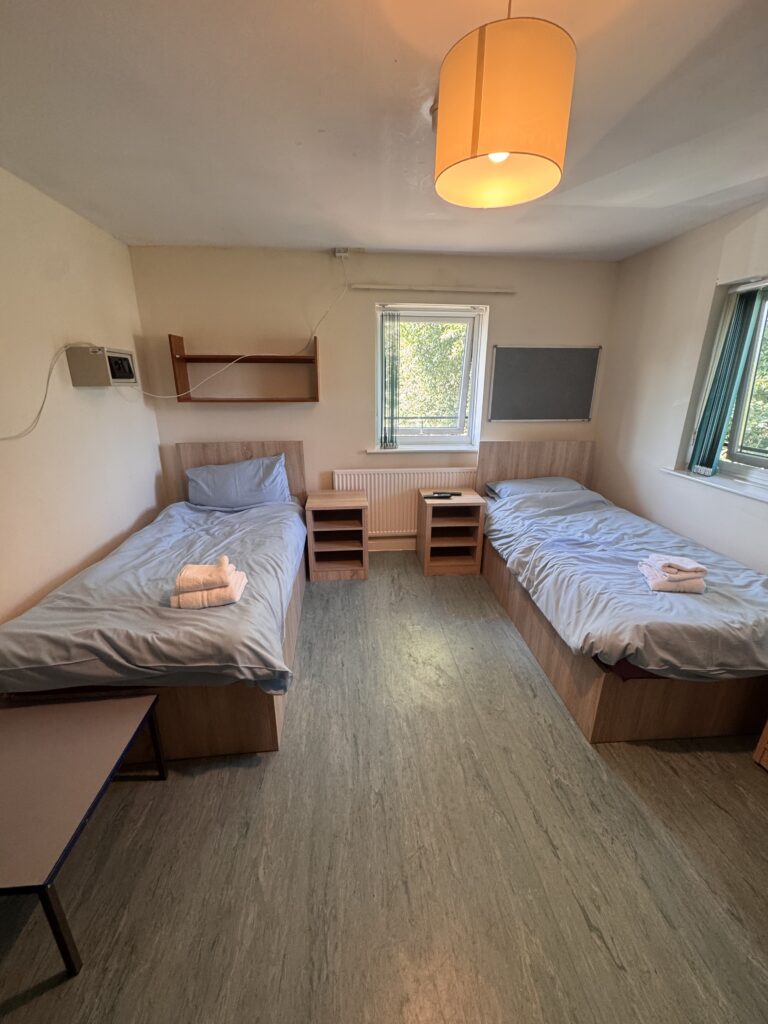
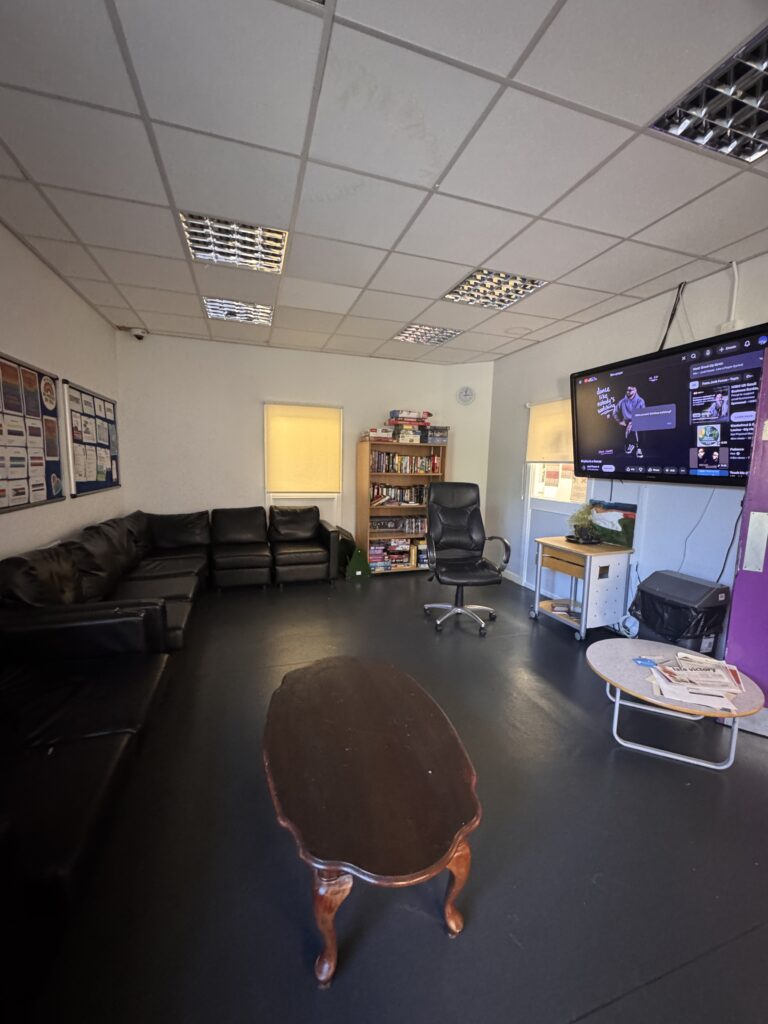
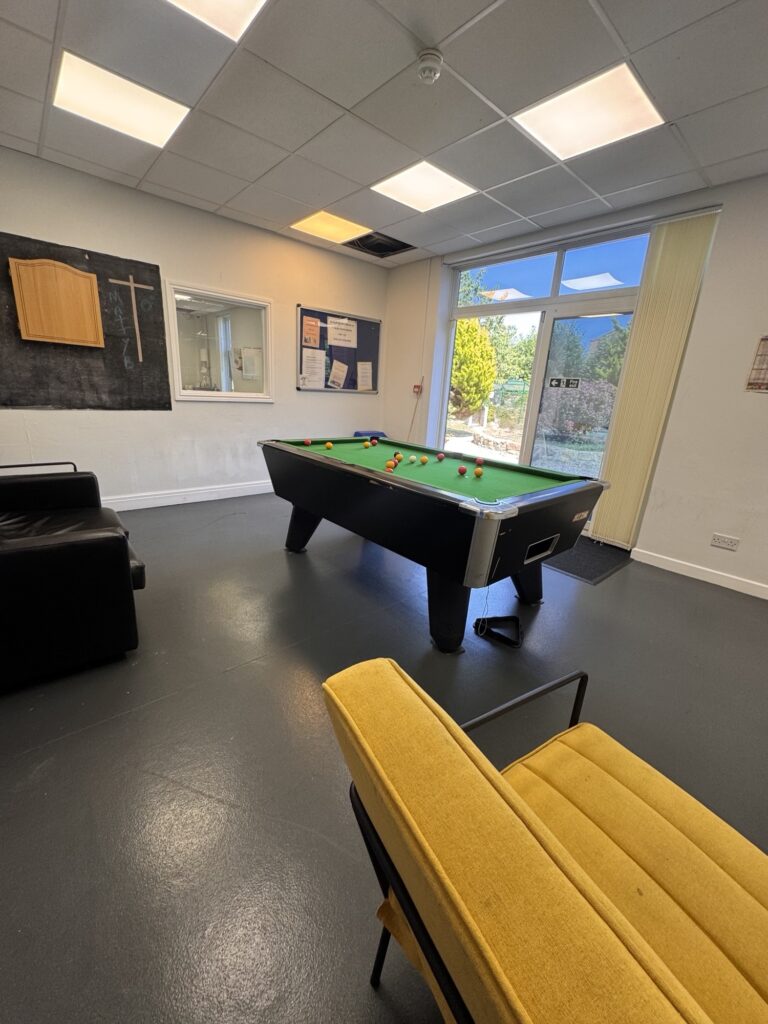
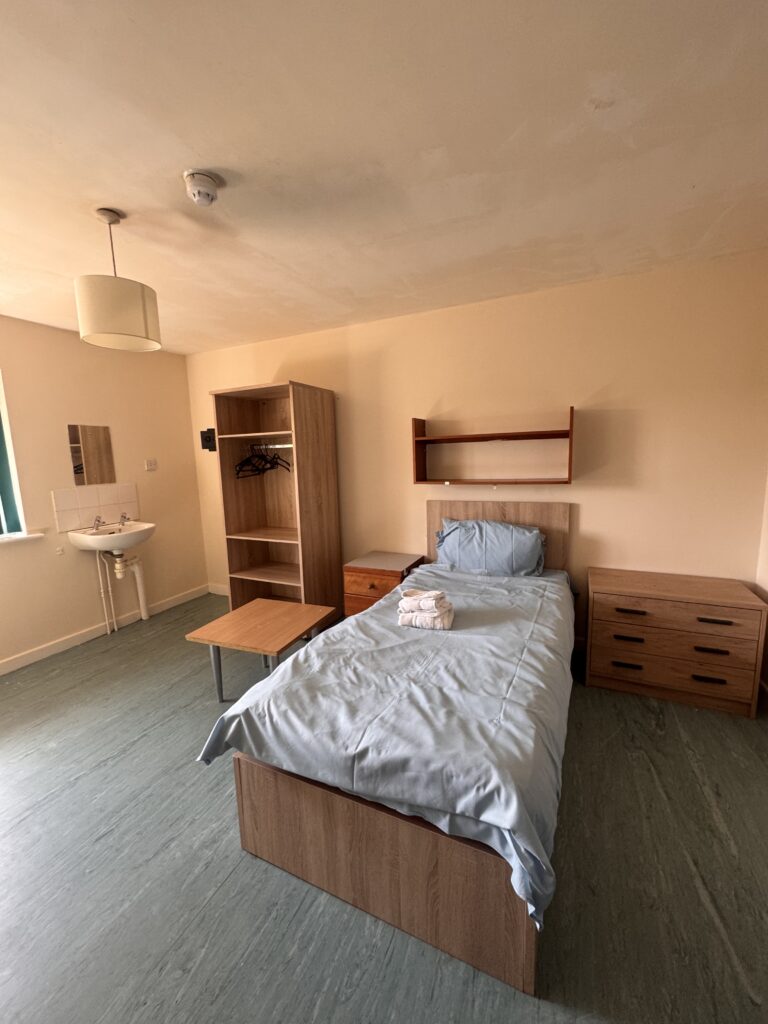
- Residents’ bedrooms were clean, well maintained, and fit for purpose. The AP provided a bright and welcoming environment, with spacious communal areas and access to outdoor space for residents.
- The AP had also benefited from strengthened physical security measures, including the use of body-worn video cameras, advanced CCTV coverage, and biometric technology. During the fieldwork, we observed staff consistently wearing safety belts, enabling them to respond effectively to incidents.
Areas for improvement:
- Residents did not routinely arrive with medical discharge summaries from prison. Delays in receiving this information from prison healthcare providers created risks to continuity of care, particularly as residents were typically released with only a seven-day supply of medication. Staff were often required to take additional steps to obtain the documentation needed for GP registration and ongoing prescribing arrangements. This was especially important for residents prescribed antipsychotic medication, where continuity of treatment was essential.
- During the fieldwork, we observed instances where residents were not required to attend the office in person for licence signings. Staff explained that they sometimes adopted a flexible approach when residents were known to be within the building. Inspectors considered that this practice needed review, as requiring residents to attend in person helped staff confirm compliance with licence requirements and maintain effective oversight.
- Inspectors identified a gap in visitor safety arrangements, as personal alarms did not function in the garden area. While alternative arrangements were available for staff, there was no equivalent provision for visitors. Contingency arrangements therefore required strengthening to ensure appropriate safety measures for everyone on site.
- Although there were no dedicated arson-resistant rooms equipped with sprinkler systems, the AP had identified five bedrooms as suitable for residents presenting an arson risk. Four of these rooms were on the upper floor and each had at least one external wall. The fifth designated room was the ground-floor, en-suite accessible bedroom. The suitability of this room warranted further review, given that it was directly beneath another bedroom and immediately adjacent to the building’s main fire exit.
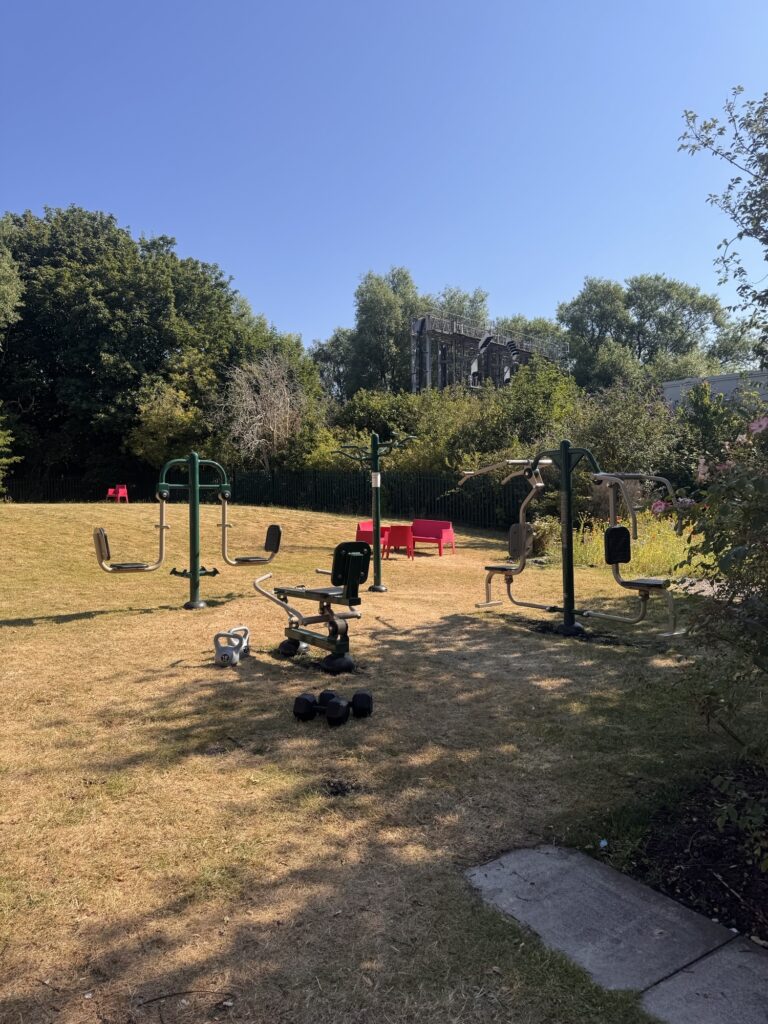
- Residents had access to outdoor space. However, exercise equipment within the grounds was not available for their use, as there were no maintenance arrangements to ensure compliance with health and safety requirements.
Public protection (Back to top)
| The approved premises effectively protects the public. | Rating |
| Good |
Strengths:
- There was appropriate representation at all multi-agency public protection arrangements (MAPPA) meetings. PSOs attended Level 2 and Level 3 meetings relating to their allocated cases, while the AP manager provided oversight and management representation across cases. Additional oversight was provided through the attendance of the AP area manager at Level 3 meetings.
- The AP manager reviewed all placements on notification. This included allocating residents to a PSO and considering any risks relating to self-harm, suicide or overdose to ensure appropriate oversight from their arrival. The AP manager maintained oversight throughout residents’ placements and, where appropriate, liaised with the central referral unit (CRU) to extend placements in support of risk management and sentence progression.
- There was clear evidence that enforcement and improvement planning processes were well embedded within the AP. Examples reviewed before and during the inspection demonstrated that staff understood and applied these processes effectively to address behavioural concerns, including the use of notices of concern where required. Improvement plans were developed with residents and focused on supporting positive engagement and addressing areas of concern. Decisions made outside normal working hours also demonstrated the AP’s ability to assess emerging risks and respond promptly and proportionately.
- There was evidence across the case sample of effective safeguarding activity to protect adults and children. Staff worked appropriately with partner agencies to manage risk, share information, and protect actual and potential victims. In our inspection of eight cases, where information sharing with external agencies was required, this was undertaken appropriately and promptly.
- Staff demonstrated effective use of professional curiosity and a good understanding of how relationships and associations could indicate increased risk, taking appropriate action when concerns emerged. During the fieldwork, inspectors also observed a thorough room search, which demonstrated staff’s ability to identify indicators of increased risk, and understanding of residents’ licence conditions and risk management requirements.
- Information sharing between AP staff and probation practitioners was effective, particularly in risk management, safeguarding concerns, substance misuse, compliance, and concerning associations. The AP had also established arrangements for sharing relevant information with partner agencies, including routine liaison with the police to support community safety.
- The North West AP area had undertaken work to strengthen handover arrangements and improve consistency. Inspectors observed both morning and evening handovers and found them to be structured and comprehensive. Discussions covered all residents and demonstrated staff’s awareness of risks, wellbeing concerns, and required actions. Staff also demonstrated appropriate professional curiosity by exploring concerns and identifying any necessary follow-up activity.
- Our inspection of eight cases, together with feedback from our survey of probation practitioners, indicated that drug and alcohol testing was generally carried out appropriately and in accordance with policy, legislative requirements, and assessed risk.
Areas for improvement:
- The introduction of centrally managed assessments had been intended to reduce workload pressures on AP managers by transferring responsibility for assessments to the CRU. However, assessment summaries did not always clearly identify key information about residents’ risks, needs, neurodiversity, and other factors relevant to their management and support. As a result, AP staff sometimes had to review additional records to obtain the information required to support placement decisions. This created a potential risk when referrals were received at short notice and staff were managing competing demands.
- The quality of collaboration between the AP and probation practitioners varied across the cases inspected. In some, joint working was largely limited to information sharing, and meetings involving residents, AP staff, and probation practitioners focused primarily on routine supervision rather than reviewing progress, risk, and resettlement goals.
- Communication between PSOs and RWs was not always effective. During the inspection, information recorded following a keywork session had not been shared with RWs, limiting their understanding of a change in a resident’s presentation. The lack of a regular forum for PSOs and RWs to discuss residents’ risks, needs, and progress contributed to this issue. Resident feedback also highlighted communication difficulties and their need to repeat information to different members of staff.
- Although staff used a written handover document to support discussions, it was not routinely uploaded to electronic records. Leaders advised that a new handover framework was still being embedded and would form part of future recording arrangements. A review of records indicated that most, but not all, information discussed during handovers had been recorded on residents’ electronic files.
Rehabilitation (Back to top)
| The approved premises delivers activity to reduce reoffending. | Rating |
| Requires improvement |
Strengths:
- A weekly timetable at Merseybank provided residents with access to a range of activities and interventions. These included residents’ meetings, residents’ voice sessions, wellbeing and self-care sessions, woodwork and carpentry workshops, and support to improve education, training, and employment outcomes. Residents typically had access to one or two activities each day, alongside appointments and engagement with external services. The AP also worked effectively with partner organisations and community services to support residents’ rehabilitation and access to interventions, both within the premises and in the community.
- Additional projects and themed activities were delivered throughout the year, including national initiatives and activities linked to major sporting events. Residents were provided with a weekly diary planner to help organise their appointments, activities, and engagement with external services. The AP also had access to a minibus, which supported community-based activities such as football sessions and local history walks.
- Inspectors found that rehabilitative activities provided in the AP aligned appropriately with the work delivered by probation practitioners in all eight inspected cases.
- Merseybank had achieved and maintained the Royal College of Psychiatrists’ Enabling Environment Award, demonstrating its commitment to relational practice and the creation of a supportive environment for residents. This was reflected in the consistently positive and professional interactions observed between staff and residents during the inspection. Staff demonstrated compassion and a genuine commitment to supporting residents, and residents generally reported being treated with dignity and respect, and able to access support when needed.
- Work with residents serving IPP sentences was particularly strong. They received pre-release contact and benefited from robust planning arrangements. Keywork was of a high standard and included meaningful exploration of risk factors, triggers, coping strategies, and risk management plans. This was complemented by tailored support, including access to a dedicated support group, and a specialist resettlement pathway into psychologically informed supported accommodation.
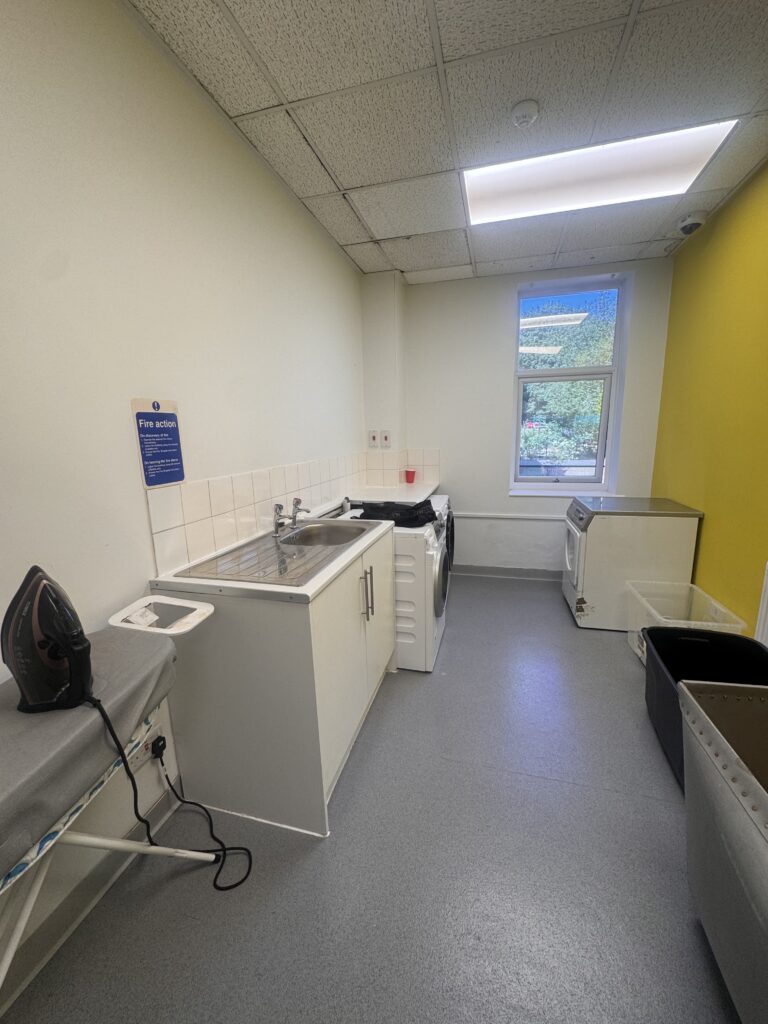
- Residents contributed to the day-to-day life of the AP and engaged in activities that supported the wider regime. We observed residents taking an active role in maintaining and improving the premises, including communal and outdoor areas. Staff also described examples of former residents continuing to make positive contributions to the AP after moving on.
- The AP worked effectively with partner organisations to support residents’ resettlement and move-on arrangements. This included access to housing and resettlement advice, supported accommodation, and specialist support for residents experiencing or at risk of homelessness.
Areas for improvement:
- Pre-release engagement with residents was limited. This was reflected in both resident feedback and the cases inspected. Although residence plans had been completed in most cases, they rarely evidenced meaningful collaboration with residents or captured their expectations of the placement. The reasons why pre-release engagement and collaborative planning had not been prioritised were not clear.
- While keywork sessions took place regularly, some were more akin to welfare check-ins than purposeful rehabilitative interventions. Recording often lacked sufficient detail to demonstrate the work undertaken or its impact, making it difficult to assess the quality of some interventions. Opportunities for professional curiosity, constructive challenge, and more meaningful rehabilitative work were sometimes missed. These findings were consistent with issues previously identified through internal quality assurance.
- The quality of resident inductions and the recording of these sessions was variable. In some cases, health vulnerabilities and diversity-related factors were not explored in sufficient depth, and records did not clearly demonstrate how identified needs would be considered throughout the placement.
- Some residents told inspectors that they experienced periods of boredom within the AP and would welcome a broader range of activities and group-based interventions. A more varied activity programme, including increased involvement from external agencies in delivering interventions and support within the AP, would have helped to address these concerns.
Press release (Back to top)
“Safe and supportive environment” found at Merseybank AP, rated ‘Good’ following inspection
Further information (Back to top)
This inspection was led by HM Inspector Claire Andrews, supported by a team of inspectors and colleagues from across the Inspectorate. We would like to thank all those who helped plan and took part in the inspection; without their help and cooperation, the inspection would not have been possible.
Images (Back to top)