An inspection of Kew Approved Premises
Foreword (Back to top)
Kew Approved Premises (AP) in Richmond, London, received an overall rating of ‘Requires improvement’.
Inspectors found a service that had made progress following a prolonged period of instability, supported by improved leadership and governance and effective work with partner agencies to manage risk and protect the public.
The AP manager had worked hard to stabilise the service since taking up post in November 2025. Staff described a more structured and accountable environment, and inspectors found evidence of stronger oversight of practice, improved staff support and a clearer focus on performance and quality assurance. Given the significant staffing shortages and workforce instability, leaders and staff should be commended for their efforts to keep the premises operational and maintain service delivery during a particularly challenging period.
Public protection arrangements were also generally effective, with good information-sharing and positive multi-agency working, particularly in managing higher-risk residents.
However, significant staffing shortages continued to affect the AP. The service relied heavily on redeployed and temporary staff, and workforce instability had limited the delivery of rehabilitative activities, keywork, pre-arrival planning and other important aspects of practice. Inspectors also found inconsistencies in safeguarding practice, room-search arrangements and the management of some safety-related processes. Ongoing maintenance issues, including recurring flooding, continued to affect the quality of the environment.
While residents had access to some constructive activities and support from partner organisations, rehabilitation was the weakest area of practice. Further work was needed to ensure residents received consistent opportunities to address their needs, reduce their risk of reoffending and prepare for successful resettlement. The recommendations in this report are intended to support Kew AP and His Majesty’s Prison and Probation Service in addressing these issues and building on the progress already made.
Martin Jones CBE
HM Chief Inspector of Probation
Background information (Back to top)
| Total number of APs nationally | 106 |
| Length of time on site, including out-of-hours activity | Two days |
| Total number of beds at Kew AP All bedrooms are single occupancy | 27 |
| Average length of residents’ stay at Kew | 42 days |
Nationally
APs provide 24-hour monitoring and supervision to their residents and are expected to engage them in interventions to reduce the likelihood of further offending. There are 106 APs in England and Wales. Most are for men only, with eight for women only. Twelve are psychologically informed planned environments (PIPEs), co-commissioned with NHS England. Sixteen APs are independent, including five of the eight APs for women. Most are led by third-sector providers. Independent APs are delivered under contract and in partnership with HM Prison and Probation Service.
Locally
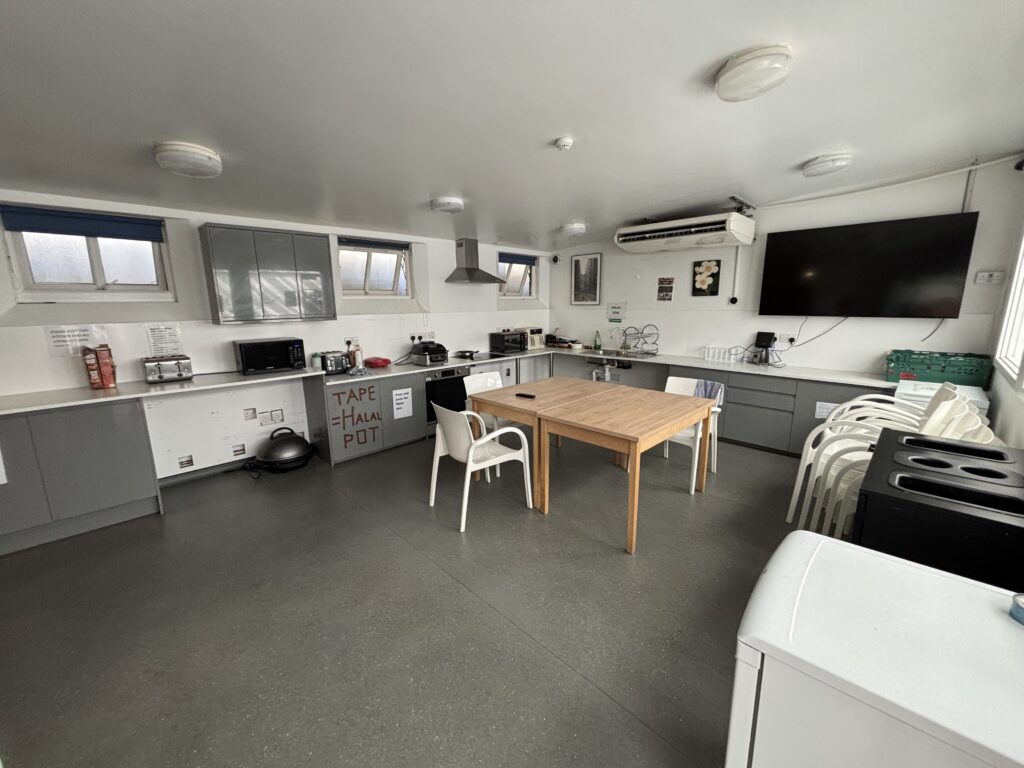
Kew AP accommodates up to 27 men aged 18 and over, all housed in single-occupancy rooms. It is a self-catered facility. At the start of our fieldwork, 21 residents were accommodated at the premises, and this had increased to 24 by the end of our time on site.
The AP had experienced a prolonged period of operational challenge in the months preceding our fieldwork. The manager had only been in post since November 2025, inheriting a service that had been without a substantive manager for over six months and was already affected by significant staffing shortages and workforce instability. Since their appointment, considerable management effort had been required to stabilise the service, rebuild governance arrangements and address longstanding operational issues.
Our inspection methodology
We inspected Kew during the week beginning 24 August 2026. This included the off-site inspection of eight cases relating to individuals who were either still resident at the AP or who had recently departed. During on-site fieldwork, we observed practice and interviewed managers and staff, individually and in groups. We also received feedback from nine current residents. In addition, we surveyed all staff working at the AP, receiving five responses, and surveyed all probation practitioners who had supervised a person residing at the AP in the three months before fieldwork, receiving 13 responses. Our fieldwork included the AP’s out-of-hours activity, including early morning and evening handovers, and an analysis of recent enforcement, recall decisions, and drug and alcohol testing during the three months before fieldwork.
Ratings (Back to top)
| Fieldwork started August 2026 | Score 7/15 |
| Overall rating | Requires improvement |
| Standard | Score | Rating |
| Leadership | 2 | Good |
| Staffing | 1 | Requires improvement |
| Safety | 1 | Requires improvement |
| Public protection | 2 | Good |
| Rehabilitation | 1 | Requires improvement |
Recommendations (Back to top)
As a result of our inspection findings, we have made the following recommendations that we believe, if implemented, will have a positive impact on the quality of services delivered at Kew AP.
The Kew AP leadership team should:
- improve the quality and consistency of keywork so that it supports residents’ rehabilitation, risk reduction and resettlement needs
- strengthen formal handover arrangements to ensure that information on risk, safeguarding and welfare is analysed, communicated and recorded effectively
- improve the quality and consistency of room searches, bag searches and resident movement monitoring to strengthen safety and risk management
- strengthen the oversight of staff training and ensure that all required training is completed and accurately recorded
- improve the planning, delivery and recording of rehabilitative activities, including strengthening partnership arrangements with external providers
- develop more effective arrangements for pre-arrival planning and engagement with prospective residents.
His Majesty’s Prison and Probation Service should:
- address staffing shortages and workforce instability at Kew AP to ensure that all areas of the service can be delivered consistently
- review the operation of the Central Referral Unit to ensure local managers can contribute meaningfully to placement decisions and allocation of residents
- resolve the recurring maintenance issues affecting the premises, including flooding, water ingress, ventilation and associated accommodation concerns.
Leadership and governance (Back to top)
| Leadership and governance drive the delivery of a high-quality service. | Rating |
| Good |
Strengths:
- Kew AP had a vision and mission that promoted a safe, supportive and structured environment, helping residents to access opportunities, support and rehabilitation while maintaining public protection. The vision and mission statement had been developed collaboratively with staff and was well integrated into the AP. It was displayed throughout the building and reflected in resident welcome materials and induction processes. This provided a clear framework for the delivery of services and the expectations placed on residents.
- The AP manager had led a positive shift in culture following a prolonged period of instability. Staff described her as visible, approachable and supportive, and credited her with introducing greater structure, accountability and consistency. They actively engaged staff in service development and, despite significant staffing and operational challenges, had helped to improve morale, communication and working relationships. Following a serious assault on a staff member at the end of April 2026, leaders also provided wellbeing support and responded to staff concerns about safety and security.
- Managers gathered and considered residents’ views in a range of ways, including weekly resident meetings, a feedback box, direct access to the AP manager and a regional resident representative forum. They demonstrated a good awareness of the issues raised by residents, including concerns about accommodation, contact with probation practitioners and access to activities, and used this feedback to inform discussions about service delivery and potential improvements.
- The AP manager had developed positive relationships with a range of community organisations that supported residents’ rehabilitation. Residents had access to some services delivered at the AP, including substance misuse provision, employment and training support, Connect to Work and weekly music sessions. Staff reported positive working relationships with these organisations and identified employment and substance misuse pathways as particular strengths.
- There were also strong relationships with partner agencies to support public protection and residents’ wellbeing. Positive relationships were maintained with local health services to support safe prescribing and medication provision. Information was shared proactively with police partners, including Jigsaw and integrated offender management teams, on a weekly basis to support local community safety activity. Relationships with the neighbourhood policing team had strengthened following a serious assault on a staff member, resulting in increased police visibility and reassurance for staff and the public.
- Leaders had a clear understanding of the risks affecting service delivery, particularly those arising from staffing shortages, and the impact of the serious assault on a staff member. These risks were actively monitored through regular engagement between local and regional leaders, with a range of mitigating measures implemented to maintain operational delivery during periods of significant pressure.
- Following the serious assault on a staff member, additional security measures were introduced, alongside improved wellbeing support and regular communication with staff. There was also a good understanding of risks relating to residents’ safety and public protection, supported by strengthened management oversight of welfare checks, safety and support planning (SaSP), medication management and wider risk management activity. Case evidence showed regular management scrutiny of the highest-risk residents and effective information-sharing arrangements with partner agencies.
- The AP manager had strengthened performance management, quality assurance and organisational learning since taking up her post. She had improved oversight through regular case audits and had prioritised staff supervision and detailed quality assurance activity, including the review and countersigning of safety and support plans, welfare checks and medication management records.
- Managers demonstrated a commitment to equality, diversity and inclusion (EDI) and had promoted a range of related initiatives, including engagement with national resources, awareness events and resident representative forums. Staff also responded well to residents’ individual needs, supporting access to places of worship, accommodating dietary and cultural requirements, and adapting support for residents with mobility, literacy, learning, mental health and physical health needs.
Areas for improvement:
- Although the culture at Kew AP had improved, it had not yet been embedded consistently across the service. Inspectors found evidence of divisions between some staff groups, resistance to change and inconsistent engagement with management expectations. Staffing shortages and operational pressures had contributed to a reactive environment, limiting opportunities for longer-term development and rehabilitative work. There was limited visibility of senior leaders within the AP, and greater engagement and presence from them would have been welcomed by staff.
- There was limited evidence that residents’ feedback was routinely analysed and used to improve the service. Although managers responded to concerns raised by residents, there was no clear process for systematically collating and evaluating feedback. Some issues, particularly those relating to rehabilitative activities, housing support and building maintenance, had been raised repeatedly by residents and remained unresolved.
- The AP faced challenges in maximising the benefits of community partnerships and local services. A large proportion of residents were from outside the area, which made it more difficult to establish continuity of support, integrate residents into the local community and develop a meaningful local housing offer. Housing support was further limited by the absence of a dedicated housing provider at the AP, while staffing shortages had reduced opportunities for community-based rehabilitative activities and engagement.
- Despite the measures introduced by leaders, staffing shortages continued to affect the delivery of some key functions. Rehabilitative activities, pre-arrival work, resident planning and three-way meetings were not completed consistently, as staff were often required to prioritise public protection and immediate operational demands within a reactive working environment.
- Although oversight and quality assurance arrangements had improved, these had not yet resulted in consistent practice across all areas of service delivery. Inspectors identified weaknesses in keywork, pre-arrival planning, handovers and room-search practice, and a lack of three-way meetings with residents’ probation practitioner. While managers were aware of these issues and were taking action to address them, implementation remained inconsistent and some shortcomings persisted at the time of the inspection.
- Workforce instability had limited the AP’s ability to embed improvement consistently. Inspectors identified gaps in the completion of mandatory and required training, while staff reported shortcomings in induction arrangements and specialist training relating to mental health, self-harm and crisis management.
- Leaders did not routinely collect or analyse EDI data to inform service planning or evaluate how effectively the AP was meeting the needs of different groups of residents. This limited their ability to use EDI information strategically to shape service development and monitor outcomes.
Staffing (Back to top)
| Staff are enabled to deliver a high-quality service for residents. | Rating |
| Requires improvement |
Strengths:
- Despite significant workforce instability, staff demonstrated resilience and commitment to maintaining service delivery. Leaders implemented a range of measures to mitigate staffing pressures, including the deployment of staff from other APs, the use of agency staff and regular regional oversight of staffing levels. Staff were flexible in responding to operational demands, and the AP manager provided strong leadership in maintaining safe staffing levels and driving improvements in culture, governance and operational practice.
- Staff generally demonstrated confidence in their ability to carry out their roles, with survey responses indicating that they felt they had the knowledge, skills and experience required to fulfil their responsibilities. Staff competence was supported through regular supervision, team meetings and active management oversight. Inspectors saw extensive quality assurance activity, with detailed feedback provided to staff that identified both strengths and areas for development and promoted professional standards.
- Staff generally knew residents well and on the whole maintained positive working relationships with them. Inspectors observed staff identifying and responding to individual welfare concerns. Staff were also seen adapting their approach to meet some residents’ individual needs, including those relating to literacy, mobility and faith. Feedback from probation practitioners was largely positive and suggested that residents’ diversity needs were often understood and responded to appropriately.
- Staff remained engaged and committed despite a challenging operating environment. Inspectors found evidence of a resilient workforce that had maintained service delivery during significant staffing shortages and following the serious assault on a staff member. Staff demonstrated a commitment to public protection and residents’ safety, often taking on additional responsibilities, working extra shifts and adapting to changing demands to ensure the AP continued to function.
- Staff generally received regular supervision, which was used to provide support, feedback and oversight of practice. Supervision formed an important part of wider management oversight arrangements and gave staff opportunities to discuss performance, wellbeing and development needs. Staff reported that they could raise concerns and seek guidance, and written records helped to reinforce accountability and learning. In addition, monthly reflective practice sessions and complex case consultations with the offender personality disorder pathway team provided valuable opportunities for staff to reflect on challenging work and develop their professional confidence.
- Arrangements to promote staff safety and wellbeing had been strengthened significantly following the serious assault on a staff member. Additional security measures were introduced, including improved site security arrangements, enhanced access controls and wider security reviews, which staff reported had increased their confidence and sense of safety. Staff wellbeing was also supported through access to counselling, trauma risk management practitioners, psychological support, reflective practice opportunities and regular management support. Inspectors observed a range of measures that contributed to staff safety and welfare, including appropriate security arrangements, personal attack alarms, established health and safety procedures, effective incident-reporting processes and dedicated staff facilities.
Areas for improvement:
- Kew was operating with significant staffing shortages and instability. While the AP was staffed to the national model, only two of the three and a half allocated probation service officer (PSO)/keyworker posts were actively filled, and eight of the 10 residential workers were unavailable due to long-term sickness absence, maternity leave or suspension. As a result, the AP relied heavily on redeployed and temporary staff to maintain service delivery. These staffing pressures were a persistent feature of the AP and limited its ability to operate as intended.
- Staffing shortages had a significant impact on the AP’s ability to operate as intended. Although Kew was staffed to the national model on paper, a combination of vacancies, long-term sickness absence, maternity leave and suspension meant that large numbers of staff were unavailable. As a result, the AP relied heavily on redeployed and temporary staff to maintain service provision and was unable to consistently deliver all aspects of the service to the expected standard.
- Training and induction arrangements had not been sufficient. Several staff reported receiving limited formal induction and identified gaps in specialist training, including mental health, crisis management, safeguarding, self-harm and collaborative assessment of risk and emotion (CARE) procedures. Inspectors also found low completion rates for some mandatory and required training, including SaSP, CARE, suicide awareness and managing violence and aggression. This contributed to inconsistencies in practice, including limited professional curiosity in some areas of work.
- The quality of relationships with residents was not consistent across all areas of practice. Some observations of practice during fieldwork found that interactions could be procedural and task-focused, with limited exploration of residents’ experiences, motivations and wider needs. Staff also reported challenges in developing meaningful engagement with some residents beyond immediate practical matters. While most feedback from residents was positive, some reported that they were only ‘sometimes’ treated well and with respect, indicating inconsistency in residents’ experiences of staff support.
- Workforce morale and engagement were not consistent across the staff group. While many staff remained positive and committed, survey responses indicated that levels of pride in working at the AP varied, suggesting that the impact of ongoing staffing pressures and operational challenges had affected the experience of some staff.
- Support for staff transitioning into new roles was not always adequate. Of particular concern, the AP manager had not received a formal induction on taking up their first AP management role and had largely relied on peer support and self-directed learning to develop their knowledge and understanding. The absence of formal supervision further reduced the support available during this period.
- The quality and impact of supervision were not experienced consistently across the workforce. While some staff reported that supervision enhanced the quality of their work, survey responses indicated more variable experiences among others. This suggested that, although supervision arrangements were established, they were not yet delivering consistent benefits across all staff groups.
- Although improvements to security were implemented following the serious assault on a staff member, concerns about the car park gate had been raised for a considerable period beforehand without being resolved. Staff and managers viewed the unrepaired gate as a potential contributory factor in the incident, and evidence indicated that concerns raised repeatedly through facilities management processes had not been addressed in a timely manner.
Safety (Back to top)
| The approved premises provides a safe, healthy and dignified environment for staff and residents. | Rating |
| Requires improvement |
Strengths:
- Appropriate arrangements were in place to identify and support residents at risk of suicide or self-harm. Initial SaSPs had been completed in all inspected cases and were reviewed when required. The AP manager had strengthened oversight of welfare checks and monitoring arrangements, with welfare concerns routinely reviewed and support plans adjusted in response to identified risks and needs. Inspectors observed welfare checks being completed consistently and respectfully, and staff demonstrated a good understanding of residents’ wellbeing needs through both daily practice and handover discussions.
- Medication management arrangements were generally effective and promoted the safe storage and administration of medication. Staff demonstrated a good understanding of medication procedures, with medication stored securely, administered by appropriately trained staff and subject to regular checks and audits.
- We observed some examples of staff responding to residents’ welfare, vulnerability and safeguarding needs. This included providing practical support and adjustments to address identified concerns, assisting residents following medical treatment, monitoring wellbeing issues and using SaSPs where risks had been identified. Staff also supported residents to access healthcare services, mental health treatment, benefits and GP registration, while keywork and day-to-day interactions provided opportunities to discuss wellbeing and wider resettlement needs.
- Arrangements were in place to manage residents’ behaviour, and expectations were clearly communicated to residents during induction. We found examples of staff responding promptly to concerns through the use of notices of concern, warning letters and improvement plans, and higher-risk incidents were communicated quickly to relevant agencies to support breach and recall processes where necessary.
- There was some evidence that staff made observations of residents’ behaviour to maintain oversight of welfare, compliance and risk. Welfare checks were completed routinely, and staff demonstrated a good knowledge of residents and their circumstances when completing these checks.
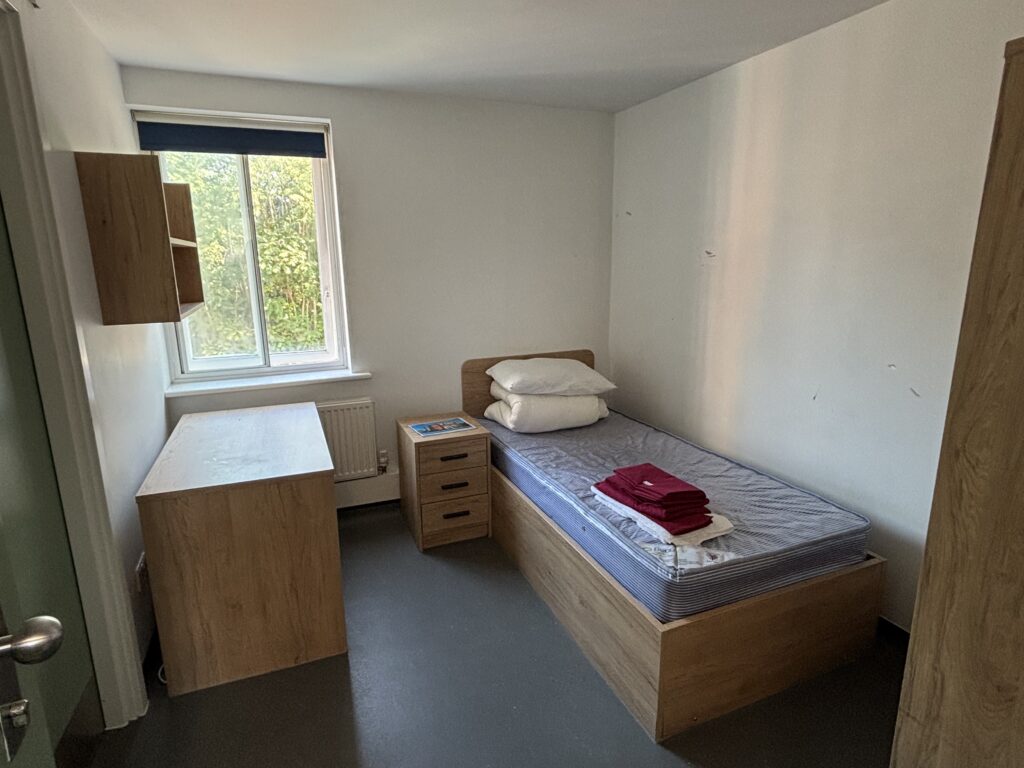
- Residents were provided with single-occupancy bedrooms, which promoted privacy, dignity and personal space. Feedback from some residents about their rooms was positive, particularly where en-suite facilities were available, and several described their accommodation as clean and acceptable.
- Suitable adaptations had been made to meet the needs and risks of residents. Kew had eight designated arson rooms, with allocations informed by relevant risk assessments, helping to support the safe management of residents who presented a higher risk of arson-related offending. The AP also had a wheelchair-accessible ground-floor bedroom with en-suite facilities, enabling it to accommodate residents with limited mobility.
- The wider environment was generally clean, decent and reasonably well maintained. Building issues were routinely discussed in resident and staff meetings, and there was evidence that repairs were mostly undertaken when problems were identified. Staff reported that facilities management was generally responsive when concerns were escalated, and examples were provided of maintenance issues being addressed.
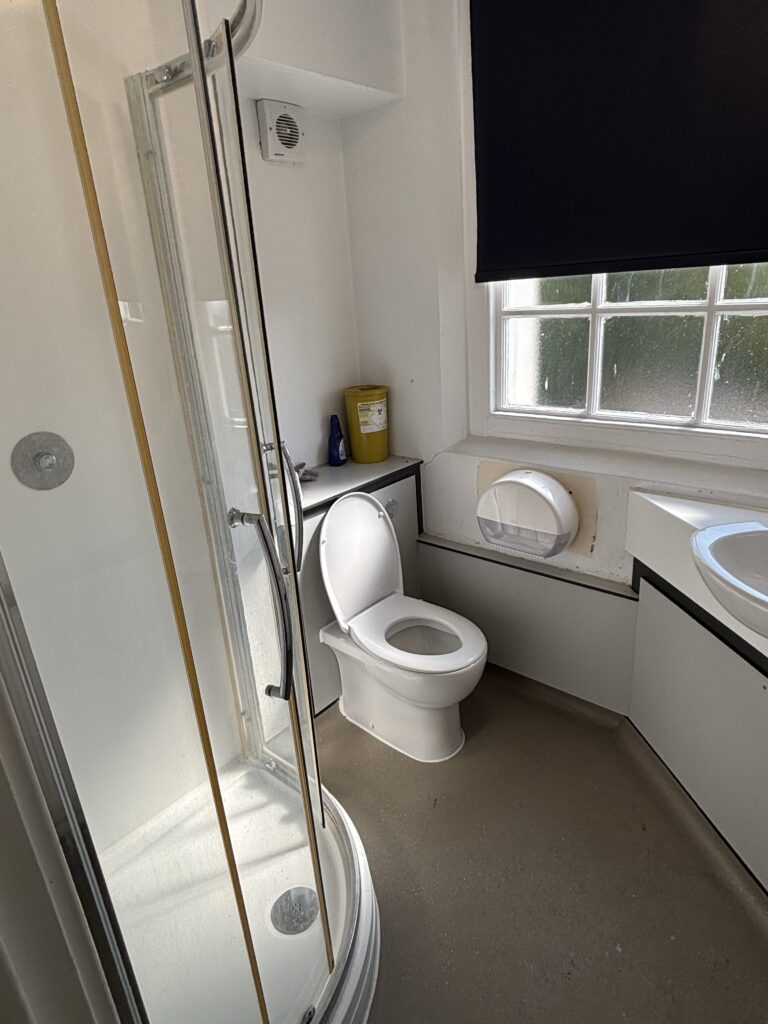
- Feedback regarding shower facilities was generally positive. Residents reported that sufficient showers were available, they were accessible and facilities were generally clean.
- Security equipment and systems were used to support incident management and oversight. CCTV was actively monitored by staff and reviewed when required to verify residents’ movements and investigate concerns. Body-worn cameras were expected to be used during higher-risk activities, and information obtained through searches, CCTV and monitoring processes was recorded and shared with relevant agencies where appropriate.
Areas for improvement:
- Practice relating to the management of self-harm and suicide risks was not consistent. Managers and staff identified gaps in knowledge and confidence regarding CARE procedures, and there was evidence that actions required following the identification of self-harm or suicide risks were not always understood or implemented promptly. Further training and development were needed to strengthen staff confidence and ensure a more consistent approach to managing these risks.
- Safeguarding of residents was not always proactive or consistently applied. In some cases, known vulnerabilities were not fully understood or addressed at the earliest opportunity, resulting in delays to actions such as adult social care referrals and emergency evacuation planning. Practice was strongest where concerns had been clearly identified, but there was less consistency in recognising and responding to more complex or emerging vulnerabilities.
- Inspectors were not assured that arrangements for monitoring residents’ movements were sufficiently robust. Residents recorded their own movements when signing in and out, but staff did not routinely establish or record where residents were going. This limited opportunities to engage with residents, assess changes in presentation, gather relevant information and identify emerging concerns about welfare or risk. Staff knowledge of residents’ whereabouts and activities when away from the AP was also limited, reducing opportunities for day-to-day monitoring and safeguarding.
- Search procedures were not always completed to the required standard. Inspectors observed weaknesses in both bag and room-search practices, including incomplete searches of luggage, clothing and potential concealment areas. Residents were also observed returning to the AP with bags that were not searched. While staff often demonstrated professional curiosity when concerns arose, the inconsistent thoroughness of searches reduced assurance that prohibited items, substances or other risk-related materials would always be identified.
- The quality of accommodation was affected by ongoing maintenance issues. At the time of the inspection, three bedrooms were unavailable following flooding that had caused damage from sewage-contaminated water, and inspectors found that flooding and water ingress had been recurring problems over the previous year. Feedback from residents also highlighted concerns about excessive heat and poor ventilation within bedrooms, while some residents felt that rooms were cramped or that the environment felt overly institutional.
- Recurring maintenance problems continued to affect the quality of the environment. Ongoing leaks, flooding and poor ventilation had been raised repeatedly by both residents and staff and, although repairs had been carried out, solutions were often temporary and issues reoccurred. Some residents also raised concerns about the cleanliness of communal areas, indicating that the overall quality of the living environment was not consistently maintained.
- Residents’ feedback identified some ongoing concerns about toilet facilities and cleanliness. Some residents reported experiencing flooding and leaks, including one resident who had to move rooms following a leaking toilet. Feedback about cleanliness was mixed, with concerns raised about the upkeep of communal facilities and the impact of some residents not maintaining shared spaces appropriately.
- The use of security equipment and procedures was not always consistent. Inspectors observed occasions when staff did not carry safety equipment in resident areas, room searches were conducted without immediate access to anti-ligature equipment, and visitor identification checks were not always completed. The biometric system was also not being used to its full capability, and staff understanding of some security procedures and equipment was variable, reducing assurance that security measures were being applied consistently.
Public protection (Back to top)
| The approved premises effectively protects the public | Rating |
| Good |
Strengths:
- Managers ensured that Kew AP was appropriately represented at key multi-agency public protection forums. The AP manager attended all multi-agency public protection arrangements (MAPPA) meetings relating to residents, with area manager involvement in the highest-risk cases. Management also participated in multi-agency panels to assess referrals, and staff received detailed briefings before the arrival of residents presenting the most significant risks. These arrangements supported effective information-sharing and helped staff understand and manage risk appropriately.
- Allocation and arrival arrangements generally supported effective risk management. The AP manager reviewed all allocations, considering residents’ risks, needs and suitability, and Kew was actively involved in arrangements for higher-risk residents. In several inspected cases, particularly those presenting more significant risks, assessment information, briefings and multi-agency planning enabled staff to prepare appropriately for residents’ arrival and manage risks from the outset.
- Enforcement action was appropriate and proportionate in some cases, with staff making prompt use of notices of concern, warning letters and improvement plans to address non-compliance. Residents were generally provided with clear explanations for enforcement decisions, and concerns relating to missed curfews, missed sign-ins and absconding were communicated promptly to relevant agencies when necessary. Feedback from probation practitioners was positive, indicating confidence in the appropriateness of the AP’s enforcement decisions.
- Collaboration between AP staff and probation practitioners was effective in most of the inspected cases. There was evidence of regular information-sharing about residents’ compliance, curfews, whereabouts, room searches and emerging risks. Joint working was particularly strong in the highest-risk cases, where detailed pre-release planning, comprehensive briefings and ongoing liaison ensured that residents’ risks and support needs were well understood. Feedback from probation practitioners was also positive, with most reporting that information-sharing was timely and that case recording supported effective communication between the AP and local probation services.
- Staff recognised drug and alcohol testing as an important safeguarding and risk management tool. Inspectors found examples where testing was undertaken appropriately, and a review of testing activity during the three months before the inspection indicated that testing was generally being completed, recorded and managed in line with national policy and guidance.
- Inspectors were reassured by the daily 9:30am whole-team handover, which demonstrated a good understanding of residents’ risks, vulnerabilities and current circumstances. Staff contributed positively to discussions, shared relevant information and explored safeguarding and risk issues in greater detail. These discussions provided evidence that staff generally knew residents well and were able to identify and discuss emerging concerns.
Areas for improvement:
- The quality of formal shift handovers was not sufficient to consistently support the effective management of risk and safeguarding. Information was often communicated at a basic level, with limited analysis of residents’ presentation, behaviour, welfare or emerging concerns. Professional curiosity was limited, staff did not routinely seek clarification or challenge information provided, and written handover records often lacked detail and did not fully reflect the more comprehensive discussions that took place later in the day.
- There were significant concerns about the operation of the central referral unit and the limited influence local leaders had over allocation decisions. Managers reported a marked reduction in their ability to scrutinise and challenge referrals, with communication now managed through a digital ticketing system rather than direct professional discussion. This restricted opportunities to consider local operational pressures, residents’ compatibility and the cumulative risks associated with the resident group. Both the AP manager and supporting area manager provided examples where they had raised concerns about the suitability of referrals but had little ability to influence the outcome, resulting in placements proceeding despite local reservations. As a consequence, responsibility for managing the impact of allocation decisions often rested with the AP, while key decisions regarding placements sat outside local management control.
- The quality of enforcement activity was not consistent across all cases. Inspectors found examples where responses to non-compliance were overly lenient and opportunities were missed to challenge behaviour and address emerging risks. This included limited follow-up of missed substance misuse appointments, concerns about alcohol and drug use, and repeated failures to comply with sign-in and curfew requirements. In some cases, enforcement measures were initiated appropriately but were not sustained over time, and opportunities to use drug and alcohol testing to inform decision-making and risk management were missed.
- The use of drug and alcohol testing was not consistently robust across the case sample. Inspectors identified missed opportunities to use testing proactively to monitor known substance misuse risks and inform risk management decisions. Feedback from probation practitioners was less positive in this area than in others. Some expressed dissatisfaction about the frequency of testing at Kew, although they understood and acknowledged that the AP was bound by national policy and guidance.
Rehabilitation (Back to top)
| The approved premises delivers activity to reduce reoffending | Rating |
| Requires improvement |
Strengths:
- Kew AP had established links with a range of external organisations that could support residents’ rehabilitation. Residents were able to access services relating to substance misuse and education, employment and training. Staff described constructive working relationships with partner agencies and used these services to help residents address identified needs and access additional support during their stay.
- Despite significant staffing pressures, residents continued to have access to a small range of rehabilitative activities within the AP. These included weekly music sessions delivered by Finding Rhythms, a regular Sunday cooking session and a weekly foodbank collection service. These activities provided opportunities for residents to develop practical skills, engage positively with others, make constructive use of their time and access additional support. While the overall rehabilitative offer was limited by workforce pressures, it was positive that the AP had maintained some provision to support residents’ engagement and rehabilitation.
- There was some evidence that rehabilitative work was aligned with the activity being delivered by probation practitioners. In half of the inspected cases, rehabilitative activity addressed areas relevant to residents’ assessed needs, and case records demonstrated regular liaison between AP staff and probation practitioners in most cases. Feedback from probation practitioners was generally positive, with the majority expressing satisfaction with the quality and relevance of the rehabilitative support provided to the residents they supervised.
- Residents generally received a suitable and timely induction on arrival at the AP. Staff demonstrated a good understanding of the induction process and provided residents with clear information about available services, support arrangements and the practical expectations of living at the AP. Inductions placed an appropriate emphasis on behavioural expectations, safety, healthcare registration, resettlement support and the risks associated with substance misuse following release from custody. The welcome pack and induction materials were also tailored to the AP and supported residents to settle into the environment.
- There was evidence of resettlement planning in some cases. Inspectors found clear move-on plans, supported by identified actions and ongoing preparation for resettlement, in five of the eight inspected cases. Keyworkers routinely supported residents with housing applications and accommodation searches and worked with them to identify suitable move-on options and navigate relevant services.
Areas for improvement:
- Detail regarding the work delivered within rehabilitative activities was not aways recorded in case records, particularly the sessions provided by other agencies. It would be beneficial for management to develop these partnerships further by establishing formal information-sharing and recording agreements with the other agencies.
- Rehabilitative activities were not sufficiently planned or delivered to consistently support residents’ reintegration into the community. Staffing shortages had significantly reduced the AP’s capacity to provide a broader rehabilitative offer, as resources were focused on maintaining public protection and core operational functions. As a result, there was limited evidence that rehabilitative interventions and activities were being delivered at a scale sufficient to meet residents’ needs.
- There was little evidence of meaningful pre-arrival engagement with prospective residents. Only one of the inspected cases included any contact from AP staff before arrival, and this was limited to written information. Residents’ feedback also indicated that most had not been contacted by the AP before their placement. As a result, opportunities to prepare residents for their arrival, address concerns and begin planning for their placement were often missed.
- Although case records and residents’ feedback indicated that there were some positive relationships between staff and residents, inspectors observed very little interaction beyond routine operational tasks, particularly in relation to residential workers. This limited opportunities to build meaningful relationships, understand residents’ experiences and support rehabilitation. Residents’ feedback also suggested that experiences were not consistently positive across the resident group, with some reporting that they were only ‘sometimes’ treated well and with respect by staff.
- Keywork was not always delivered to a sufficient standard to support residents’ rehabilitation. While frequent keywork was evident in most cases, inspectors found it to be meaningful in only half of the inspected cases. Sessions often focused on practical or procedural matters, with limited professional curiosity and insufficient exploration of issues such as substance misuse, emotional wellbeing and protective factors. Inspectors also identified delays in starting keywork in some cases.
- Securing suitable accommodation remained a significant challenge and impacted on the effectiveness of move-on planning for some residents. Many residents were from outside London and had limited prospects of remaining in the local area, meaning that resettlement arrangements often depended on housing providers, local authorities and family links elsewhere in the country. This reduced the AP’s ability to influence housing outcomes and secure timely move-on accommodation.
Press release (Back to top)
“Progress made” at Kew Approved Premises, rated ‘Requires improvement’ following inspection
Further information (Back to top)
This inspection was led by HM Inspector Stuart Tasker, supported by a team of inspectors and colleagues from across the Inspectorate. We would like to thank all those who helped plan and took part in the inspection; without their help and cooperation, the inspection would not have been possible.
Images (Back to top)