An inspection of Fleming House Approved Premises
Foreword (Back to top)
I joined the inspection team during our inspection of Fleming House approved premises (AP), a psychologically informed planned environment (PIPE). The inspection took place at an important stage in the service’s recovery, and, at the time of our inspection, leaders were working to stabilise the service, strengthen public protection arrangements, and rebuild a positive rehabilitative culture.
A key factor in our findings was the impact of the temporary AP area manager, who had been appointed to lead a programme of improvement. The service had benefited from clear direction and oversight during a period of significant change. Priorities had been clearly identified, improvements delivered in a planned and risk-informed way, and a more positive and collaborative culture had begun to emerge. Staff and partners consistently described the AP area manager as visible, supportive, and determined, reflecting the confidence that had developed in the leadership of the service.
As a PIPE, effective partnership working between probation and National Health Service (NHS) staff was essential. Strong and constructive relationships across both organisations helped to create a more stable and therapeutic environment for residents. The progress made at Fleming House reflected the commitment of staff and partners across the service to improving outcomes for residents.
We also found effective public protection arrangements, supported by strong partnership working and timely information sharing. Given the attention Fleming House has received in recent years, these findings should provide reassurance to the local community that leaders had prioritised appropriately public protection and taken meaningful steps to strengthen arrangements for keeping people safe.
As a result, we awarded Fleming House an overall rating of ‘Good’.
However, the service remained in transition. Many of the improvements observed during the inspection were recent and had not yet been embedded fully. We identified weaknesses in recording, gaps in staff training that affected aspects of practice, and limited staffing resilience, all of which required further attention. Several of our recommendations extend beyond the premises itself, recognising that local leaders had been operating with overstretched management capacity while leading a substantial programme of change.
The challenge now is to sustain the progress already achieved. Change of this scale takes time, and Fleming House has not yet reached the point where its transformation can be regarded as complete. Much of the progress observed during this inspection was linked closely to the stability and leadership provided through temporary arrangements. Ensuring that this progress is sustained, and that the service retains the capacity and leadership needed to continue its improvement journey, will be critical to its future success.
Martin Jones CBE
HM Chief Inspector of Probation
Background information (Back to top)
| Total number of approved premises nationally | 106 |
| Length of time on site by inspectors, including out-of-hours activity | Two days |
| Total number of beds in Fleming House | 30 |
| Average length of residents’ stay at Fleming House | 57 days |
Nationally
Approved premises (APs) play a vital role in managing some of the highest-risk individuals supervised by the Probation Service. There are 106 APs across England and Wales, most of which are for men only, with eight dedicated to women. Twelve APs operate as psychologically informed planned environments, co-commissioned with NHS England. Sixteen APs are independently run by third-sector providers under contract and in partnership with HM Prison and Probation Service, including five of the eight women’s APs.
Locally
Fleming House was a PIPE AP located in Maidstone. It had capacity for 30 men across 27 bedrooms, comprising 24 single rooms and three double rooms. There were 26 residents in placement at the time of the inspection. The inspection took place during a period of organisational change. The service was being managed by an area manager undertaking the AP manager role on an interim basis, who had been in post for approximately five months and was leading ongoing improvement and stabilisation activity. Prior to the inspection, aspects of the regime had been scaled back and were reintroduced subsequently in a phased manner as improvement activity progressed.
Our inspection methodology
We inspected Fleming House AP during the week commencing 14 September 2026. The inspection included an off-site review of eight cases involving individuals who were either residing at the premises at the time of the inspection or had moved on within the three months prior to fieldwork. Some case records reflected an earlier phase of service delivery when elements of the regime had been operating on a more limited basis. Consequently, the evidence available within those records did not always mirror the practice, activities, and arrangements observed during fieldwork, some of which had been implemented more recently. During on-site fieldwork, we observed practice and held interviews with managers and staff, both individually and in groups. We also received feedback from eight current residents. In addition, we surveyed all staff working at the premises and received five responses. We also surveyed probation practitioners who had supervised individuals residing at the premises in the three months prior to fieldwork, receiving seven responses. Our fieldwork covered out-of-hours activity, including early morning and evening handovers, and a detailed review of recent enforcement and recall decisions.
Ratings (Back to top)
| Fieldwork started September 2026 | Score 8/15 |
| Overall rating | Good |
| Standard | Score | Rating |
| Leadership and governance | 2 | Good |
| Staffing | 1 | Requires improvement |
| Safety | 1 | Requires improvement |
| Public protection | 2 | Good |
| Rehabilitation | 2 | Good |
Recommendations (Back to top)
As a result of our inspection findings, we have made the following recommendations that we believe, if implemented, will have a positive impact on the quality of services delivered at Fleming House.
The Fleming House AP leadership team should:
- ensure that all staff complete mandatory and role-specific training and that effective oversight arrangements are in place to monitor compliance and address gaps in knowledge and practice
- improve recording practices across all areas of work to ensure that staff activity, resident engagement, decision-making, management oversight, actions, and outcomes are recorded accurately and evidenced consistently
- ensure that keywork is purposeful, tailored to residents’ individual risks, needs and diversity-related factors, and aligned clearly to sentence plan objectives.
His Majesty’s Prison and Probation Service should:
- determine future leadership arrangements at Fleming House, ensuring that decisions are informed by the progress achieved to date and are communicated clearly to staff
- review staffing and management capacity to ensure there is sufficient resilience to deliver the PIPE model as intended and reduce reliance on management undertaking routine operational duties
- provide immediate bespoke training to staff in relation to medication management, Support and Safety Plans (SaSPs) and Collaborate Assessment of Risk and Emotion (CARE)
- provide ongoing, regular quality assurance and improvement support to enable local leaders to monitor the effectiveness of change activity, embed improvements, and sustain progress over the longer term
- review recruitment arrangements for PIPE APs to ensure that recruitment processes enable services to attract, assess, and appoint staff capable of delivering psychologically informed practice
- improve CCTV capacity within Fleming House to ensure that footage can be retained and retrieved for a sufficient period to support investigations and risk management.
Leadership and governance (Back to top)
| Leadership and governance drive the delivery of a high-quality service. | Rating |
| Good |
Strengths:
- Approximately five months before the inspection, an AP area manager had been appointed on an interim basis to lead the AP and oversee a programme of improvement. They adopted a structured, risk-based approach, prioritising activity according to identified risks and operational need. This had enabled the service to maintain safe delivery while addressing areas of weakness. The improvement programme had been supported by senior probation and NHS leaders, who provided additional oversight and support during a period of significant change.
- The AP area manager had established a positive culture. They maintained a strong presence within the premises and routinely worked alongside staff. Staff morale was reported to be good. Staff said they felt valued and supported, described the AP area manager as visible and approachable, and spoke positively about local leadership, team working, and the direction of the service.
- Relationships between probation and NHS colleagues were constructive and collaborative. Staff described effective joint working, supported by regular communication and clear leadership arrangements. Weekly meetings provided opportunities to discuss residents’ needs, staff wellbeing, and service priorities, and contributed to a coordinated approach to delivering both the AP and PIPE functions. NHS colleagues reported that partnership working had strengthened during the period of improvement activity and had contributed to greater stability across the service. NHS staff had worked closely with the AP area manager to develop and embed changes designed to strengthen the PIPE environment and wider service delivery.
- Residents had opportunities to provide feedback on the service and contribute to decisions affecting life within the AP. Weekly community meetings provided a forum for residents to raise concerns, share suggestions, and discuss matters affecting the wider community. These meetings had become increasingly resident-led, with residents encouraged to chair discussions and contribute to decisions. Feedback from residents influenced service delivery, including the introduction of meditation sessions in response to residents’ preferences for a more structured approach to supporting their mental wellbeing.
- The service sought residents’ views through a range of additional mechanisms. NHS staff consulted residents routinely on aspects of day-to-day practice, including the delivery of welfare checks which had resulted in adjustments to how checks were conducted. Validated clinical assessment tools were also used to gather feedback on residents’ perceptions of safety, support, and community within the premises, alongside measures of psychological wellbeing.
- Leaders had also taken steps to strengthen residents’ experiences within the PIPE environment. Funding had been secured and a dedicated PIPE central referrals unit (CRU) manager was in post to improve the management of referrals, support more appropriate placement decisions, and maximise opportunities for residents to engage in psychologically informed interventions. At the time of the inspection, all but two residents occupied PIPE placements and the premises presented a calm and settled atmosphere.
- There were effective relationships with a range of statutory, voluntary, and community organisations to support both rehabilitation and public protection objectives. These partnerships provided residents with access to specialist services, health and wellbeing support, education, training, and employment opportunities, while also supporting effective multi-agency risk management. Partnership arrangements were well established, contributing to effective information sharing and coordinated service delivery. Collaborative working with police, healthcare providers, and specialist support services helped ensure that residents received appropriate support while enabling agencies to manage risk and respond to identified needs.
- The AP area manager maintained close oversight of performance across the service. Inspectors found that the issues identified during fieldwork were already known and understood, with clear plans in place to address them. There was strong evidence of active oversight, with performance concerns, operational risks, and areas requiring improvement being routinely monitored and managed.
- The AP area manager responded promptly when concerns were identified and took appropriate action to support improvement. Where necessary, formal performance management arrangements had been used appropriately and inspectors observed examples during fieldwork where practice deficits were recognised and addressed immediately.
Areas for improvement:
- The vision for Fleming House had not yet been fully embedded across the staff group and further work was required to establish a shared understanding of its aims and direction. While the vision articulated a clear, rehabilitative ethos and aligned closely with the premises’ identity as a PIPE, not all staff were aware of it or understood how it should influence practice.
- Confidence in the wider organisation had not been fully restored across the staff group. While staff expressed positive views about local leadership consistently, some described the lasting impact that previous organisational challenges had had on their confidence in HMPPS senior leaders. A small number of staff reported that senior leaders had not always been sufficiently visible during periods of significant challenge and felt that organisational responses to concerns had, at times, appeared distant or overly procedural. Although the AP area manager reported receiving strong support from senior probation leaders, this was not reflected consistently in the views expressed by frontline staff.
- Quality assurance arrangements were not developed sufficiently to provide systematic oversight of practice. The AP was operating during a period of significant transition, and greater external quality assurance oversight was required to support local leaders in sustaining and embedding improvements across the service.
- A culture of learning and continuous improvement had not yet been consistently embedded across the staff group. Although staff had access to a broad range of training and professional development opportunities, there was insufficient evidence that these were being utilised or embedded consistently within day-to-day practice. Leaders acknowledged that not all staff fully engaged with the PIPE model or the reflective approaches that underpin it. Some staff had been recruited before the premises had become a PIPE and had not fully embraced the model’s emphasis on reflection and psychologically informed practice.
- Equity, diversity and inclusion (EDI) information relating to residents was collected through established processes; however, there was limited evidence that this information was analysed or used routinely to inform service delivery, identify emerging trends, or shape provision in response to the profile of the resident population.
Staffing (Back to top)
| Staff are enabled to deliver a high-quality service for residents. | Rating |
| Requires improvement |
Strengths:
- Staff demonstrated a strong commitment to the continued development of the AP. Despite the challenges and periods of instability experienced in recent years, they spoke positively about the direction of the service and described a shared desire to support its ongoing recovery and improvement. The staff group was engaged and motivated, with a clear focus on achieving positive outcomes for residents.
- Staff consistently identified the AP area manager as having played a significant role in rebuilding morale and restoring confidence across the workforce. They spoke positively about the manager’s leadership and described how their approach had helped unite the staff group behind a common purpose. Staff emphasised the importance of continuity in leadership while improvements continued to be embedded. Workforce stability had also improved, with relatively stable staffing levels and low levels of sickness absence at the time of the inspection.
- Staff had access to a range of supervisory, reflective, and clinical support arrangements designed to enhance their work with residents. As a PIPE, the AP provided opportunities for individual clinical supervision, group supervision, and externally facilitated reflective practice. Leaders reported that engagement with these arrangements had improved over time, with staff participating more consistently and openly. Staff described these opportunities as making a positive contribution to their work and helping them to better understand, and respond to, residents’ needs.
- Staff were supported to understand and respond to residents’ individual needs through a range of established forums and communication processes. Twice-daily shift handovers and daily staff briefings provided opportunities to discuss residents’ circumstances, wellbeing, and diversity-related needs. Weekly psychological formulation meetings and reflective practice sessions promoted a shared understanding of residents’ presentations, strengths, and support needs, helping to inform individualised approaches to resident management. Residents were encouraged to contribute to these discussions where appropriate.
- Feedback from residents indicated that relationships with staff were generally positive. Residents commonly described staff as approachable, supportive, and available when needed, and several reported that staff knew them well and took time to understand their needs. Responses relating to keyworkers were particularly positive, with residents describing support that extended beyond the minimum expectations of the role. Residents also provided examples of receiving practical and emotional support from the wider staff group during periods of difficulty.
- The AP area manager had prioritised staff wellbeing and safety. They maintained an awareness of individual wellbeing needs and provided additional support where required, including to staff experiencing personal pressures or work-related stress. Improvements had also been made to health and safety arrangements, including the identification of a dedicated health and safety lead within the premises. Staff described leaders as generally approachable and accessible, reported that support was available when needed, and confirmed that the premises felt like a safe place to work.
- Leaders had taken a proportionate approach to managing performance concerns. Where issues had been identified, these were addressed through appropriate formal performance management arrangements when necessary. In other cases, concerns were managed at the lowest effective level, supported by additional supervision, training, and targeted development activity to promote improvement.
- Leaders had strengthened recruitment arrangements by involving a resident in interview panels to provide a lived experience perspective. This approach was viewed positively and helped reinforce the psychologically informed ethos of the AP.
Areas for improvement:
- Staffing levels provided limited resilience for an AP of this size and constrained the consistent delivery of the PIPE model across the 24-hour environment. While staffing was stable at the time of the inspection, with relatively low sickness absence and few vacancies, staffing resources remained stretched. Annualised hours staff provided some additional capacity, but the limited number of contracted hours and varying availability of these staff meant that this arrangement did not mitigate resource pressures fully. In addition, extended periods between shifts could make it more difficult for annualised hours staff to remain up to date with changes in practice, operational developments, and training requirements.
- Staffing pressures were particularly evident during evenings and weekends, when only two staff were routinely deployed within the premises. During these periods, staff were required to prioritise core operational responsibilities, including monitoring CCTV, administering medication, completing welfare checks, and undertaking other routine tasks. As a result, opportunities for meaningful interactions, structured activities, and psychologically informed interventions were reduced. The PIPE model was delivered most effectively during weekday daytime periods, when additional staff and specialist practitioners were available.
- The staffing structure lacked sufficient capacity to absorb additional pressures. The AP area manager was undertaking both AP manager and area manager responsibilities, resulting in a broad and demanding workload. In addition to their leadership responsibilities, they regularly undertook operational tasks to maintain service delivery, including completing keywork sessions, preparing residence plans, conducting welfare checks, and providing direct operational cover when staffing pressures arose. During the inspection, due to residential worker shortages, the AP area manager attended the premises early to relieve night staff. While leaders had sought to manage staffing pressures flexibly and maintain service delivery, reliance on the AP area manager to undertake routine operational duties created additional capacity pressures. Although these arrangements had contributed to stability and supported recent improvements, they were not sustainable in the longer term. Additional staffing and management capacity were needed to support the consistent delivery and continued development of the PIPE model.
- National recruitment arrangements limited the ability to identify candidates suited to working within a psychologically informed environment. Generic job descriptions for residential worker and probation service officer (PSO) roles did not explicitly set out expectations in relation to psychologically informed practice, reflective practice, or the relational aspects of the PIPE model. Local leaders had sought to address this through supplementary recruitment activity, but opportunities to tailor recruitment processes to the needs of the PIPE model remained constrained by national arrangements.
- Induction arrangements had not consistently provided new staff with the knowledge and support required to work effectively within the AP and deliver the PIPE model. Leaders had identified induction as an area requiring improvement, acknowledging that previous arrangements had lacked consistency. This was reflected in staff survey responses, with all respondents who had joined the premises within the previous two years rating their induction as ‘not at all sufficient’. At the time of our inspection, revised induction framework was being developed to provide a more structured and comprehensive introduction to local procedures, PIPE practice, and role expectations.
- Staff demonstrated varying levels of competence across key aspects of their work. The quality of case recording was also a concern, with records not always accurately reflecting work undertaken with residents or the rationale for decisions made. A substantial period of organisational change, during which new processes and expectations had been introduced, had affected the consistency with which some practices had become embedded.
- Significant training gaps required immediate attention. Training records identified low levels of completion across several mandatory and role-specific learning requirements, including equality, diversity and inclusion training, safeguarding training, and medication training. Staff and leaders identified a range of development needs that reflected the weaknesses found during the inspection, including strengthening staff understanding of the PIPE model, developing group facilitation skills, improving competence in key operational processes, and increasing confidence in the use of information technology systems. Targeted training and development activity was required to ensure that staff had the knowledge and skills necessary to carry out their roles effectively and consistently.
- Uncertainty regarding future management arrangements was affecting staff confidence and morale. Staff reported limited clarity regarding longer-term arrangements following the conclusion of the AP area manager’s temporary appointment, and several described this uncertainty as a source of anxiety. Greater clarity regarding succession planning and future leadership arrangements was required to provide reassurance to staff and support workforce stability.
Safety (Back to top)
| The approved premises provides a safe, healthy, and dignified environment for staff and residents. | Rating |
| Requires improvement |
Strengths:
- Staff responded promptly and proportionately to safeguarding concerns, helping to protect residents and manage emerging risks. Safeguarding concerns were identified in five of the eight cases inspected, and appropriate action was taken in all five cases to promote residents’ safety and wellbeing. Staff supported residents to access healthcare services, implemented additional welfare measures during periods of heightened vulnerability, and worked effectively with partner agencies, including adult social care and community mental health services, where concerns arose. Staff also demonstrated awareness of emerging risks and took timely action in response to changing circumstances.
- Residents were supported to understand the expectations of their placement and the consequences of non-compliance. Expectations were communicated at multiple stages of the placement process, including before arrival and during induction, and were reinforced through written guidance and day-to-day interactions with staff. Positive staff-resident relationships helped to promote compliance, while established enforcement and improvement planning processes were used to respond proportionately to behaviours of concern and encourage positive behavioural change.
- Arrangements to monitor and support residents at risk of harm were generally well established, particularly in relation to enhanced roused-response checks for residents identified as being at increased risk of overdose linked to substance misuse. Decisions regarding the frequency and nature of welfare checks were recorded appropriately, reviewed and overseen by the AP area manager, providing assurance that measures implemented to protect vulnerable residents remained proportionate to identified risks. The PIPE model encouraged staff and residents to discuss how welfare checks could be undertaken in a way that minimised distress while maintaining appropriate safeguards and taking account of individual circumstances, where possible.
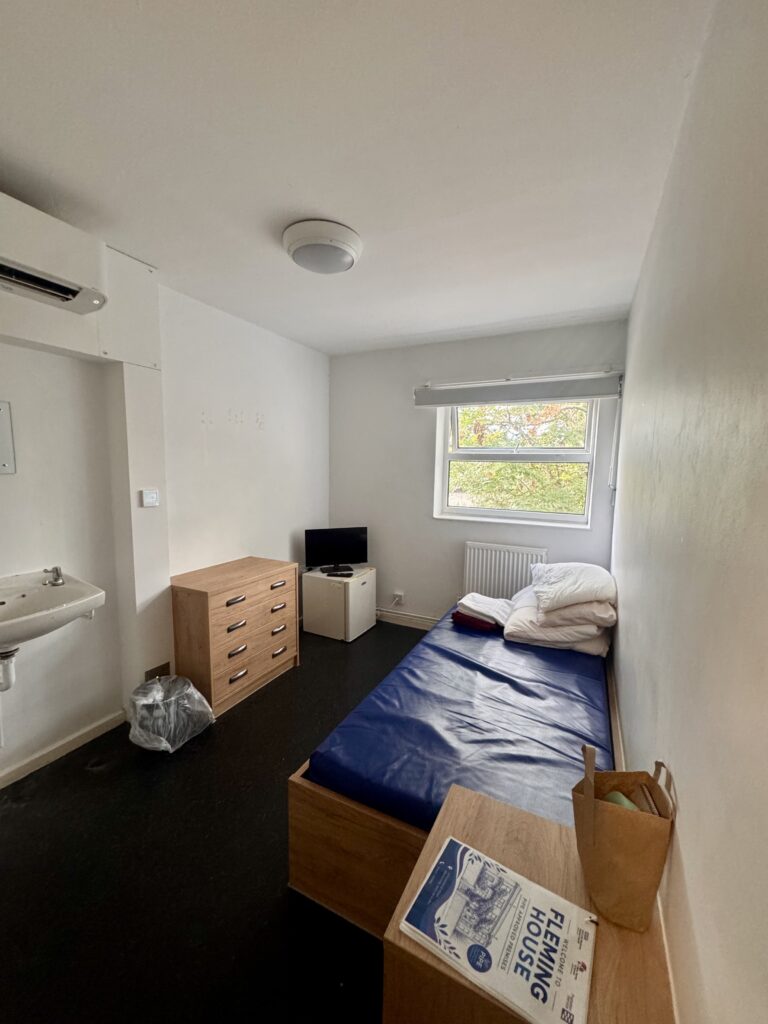
- Most residents were accommodated in single-occupancy bedrooms that were clean, well maintained, and appropriately furnished. Bedrooms included enhanced features such as televisions, fridges, and air conditioning, and residents generally considered the accommodation to be suitable for their needs. Several residents highlighted positive aspects of their rooms, including access to en-suite or adapted facilities and quieter locations within the premises.
- Accommodation arrangements were responsive to residents’ individual circumstances and risk factors. The premises contained three double bedrooms, but occupancy levels were adjusted where necessary to support effective risk management and individual needs. At the time of the inspection, two of the three double rooms were being used for single occupancy in response to the circumstances of the residents living in them.
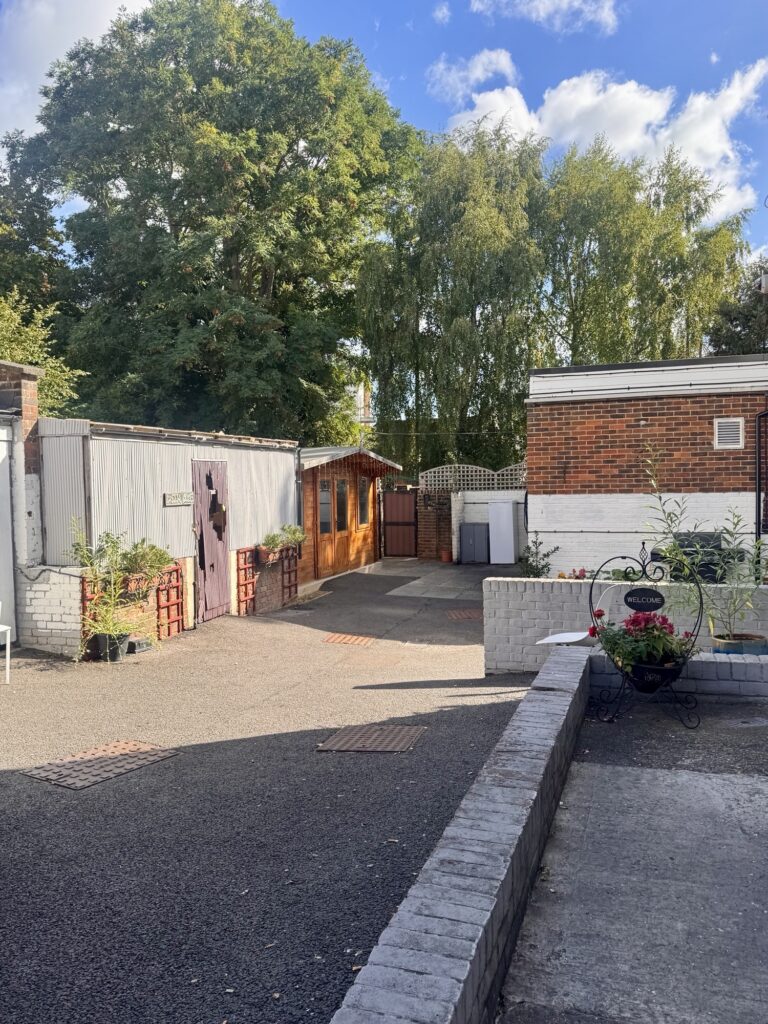
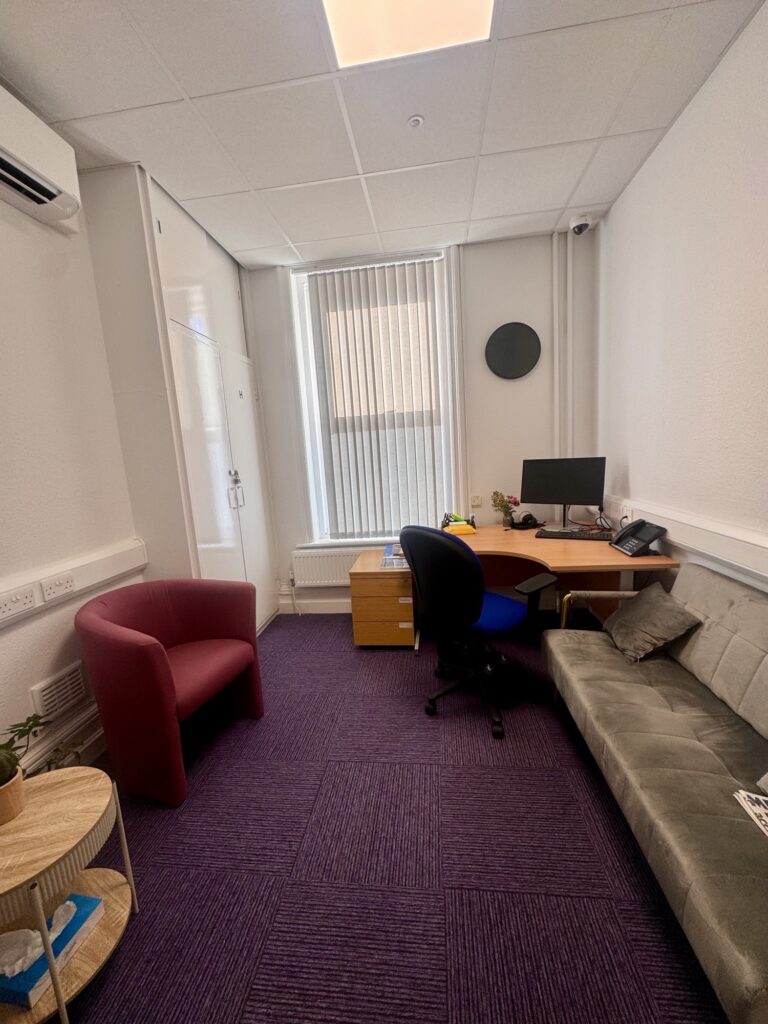
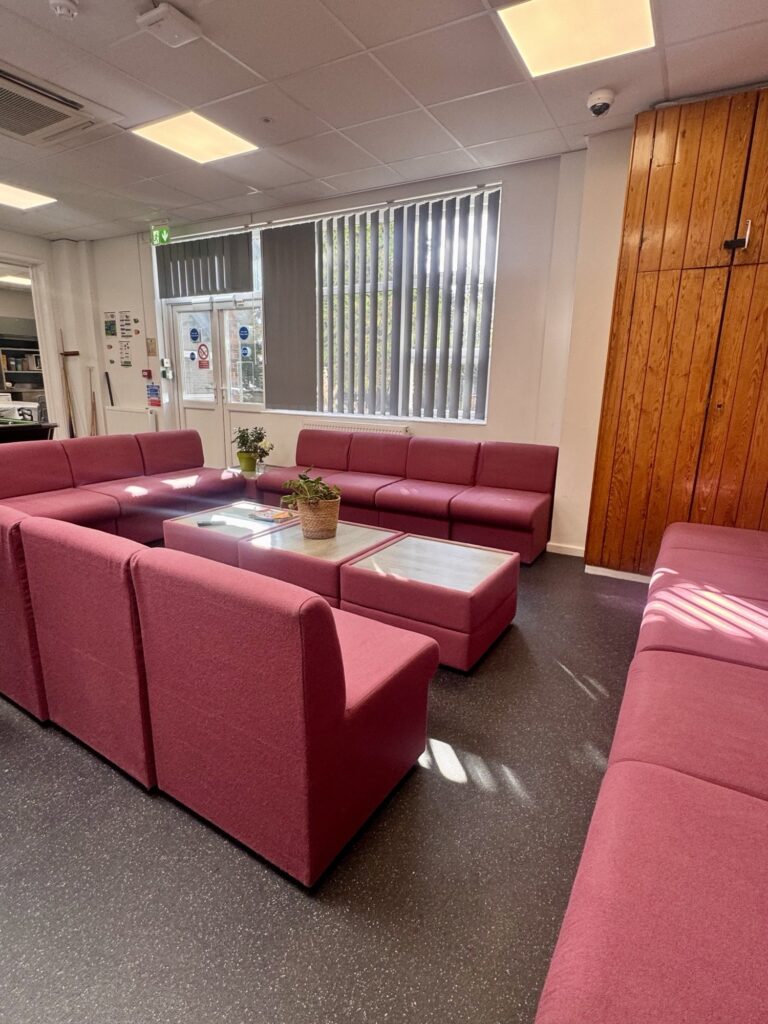
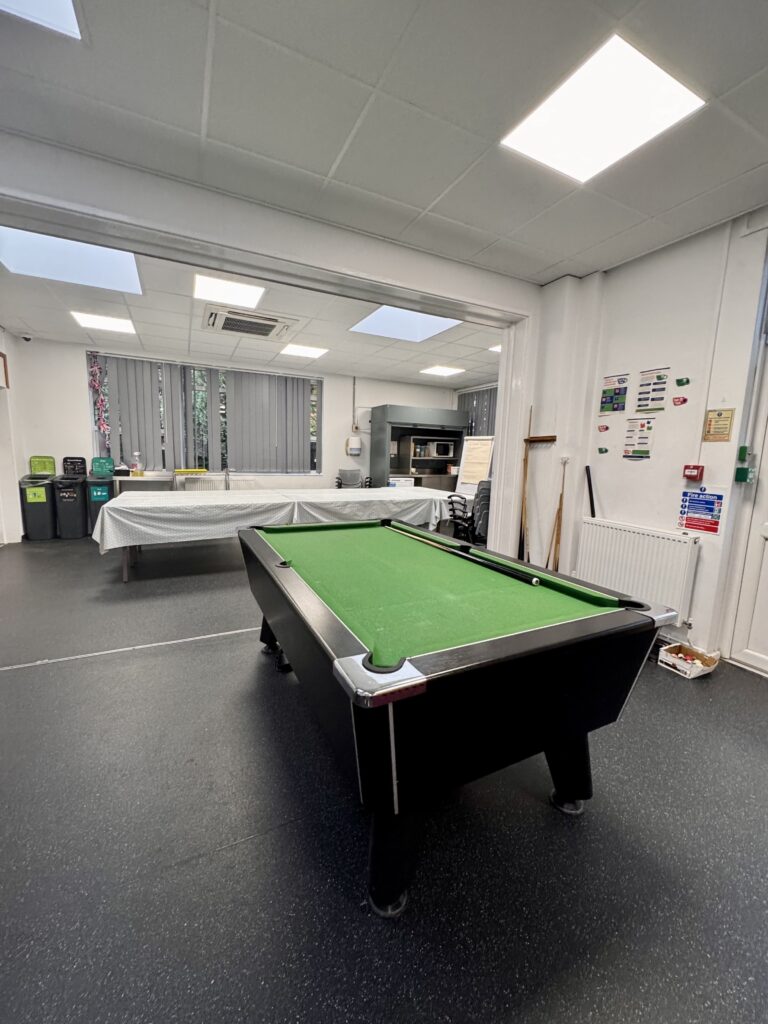
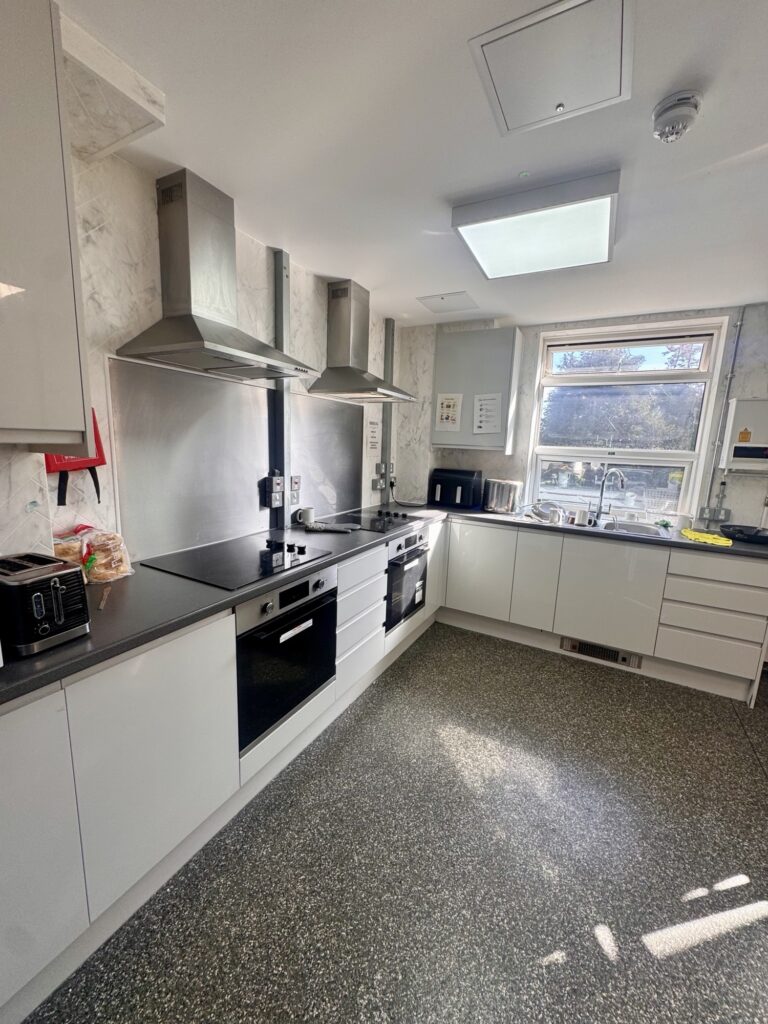
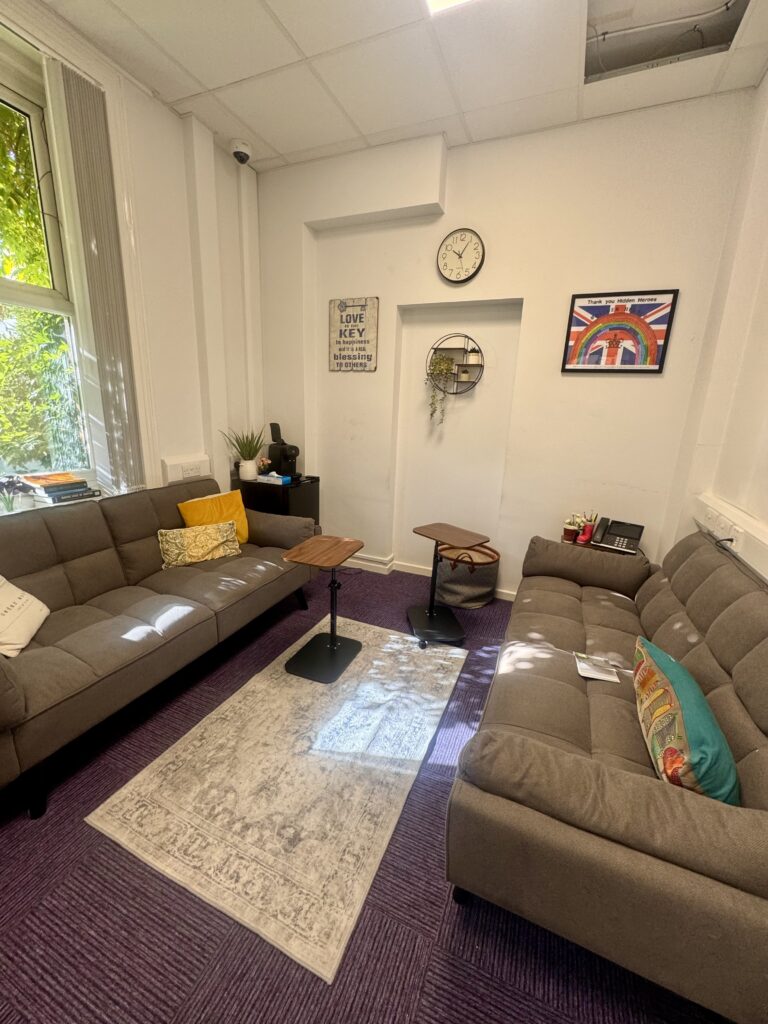
- The wider AP environment was warm, welcoming, and well maintained. Following a full refurbishment in 2023, the accommodation was presented to a good standard, and staff demonstrated pride in maintaining the premises. Residents had access to a range of communal facilities, including a lounge, dining room, kitchen, wellbeing room, additional seating areas, and a large outdoor space with a summerhouse, which helped to create a homely environment.
Areas for improvement:
- The management of suicide and self-harm risk was not always supported by effective Support and Safety Plans (SaSPs). While required assessments and reviews had generally been completed within expected timescales, the quality of support planning was variable. Assessments and plans did not always reflect residents’ presenting risks and needs, and reviews often lacked sufficient depth. Staff frequently took appropriate action to respond to emerging concerns and vulnerabilities, but these actions were not supported consistently by accurate and sufficiently detailed documentation.
- Gaps were identified in the application of the Collaborate Assessment of Risk and Emotion (CARE) process and in staff knowledge and understanding of the framework. In some cases, CARE had not been implemented or completed in accordance with policy requirements, resulting in weaknesses in the management and recording of suicide and self-harm concerns. Targeted training and development were needed to strengthen the consistent use of SaSP and CARE processes in practice.
- Medication management arrangements were not consistently compliant with policy and legislative requirements. Weaknesses were identified in record keeping, audit activity, storage arrangements, and oversight processes, including gaps in medication audits and non-compliance with requirements relating to the storage of controlled drugs. Staff training records also confirmed that not all relevant staff had completed medication training, and arrangements for escalating concerns relating to medication non-compliance were not always documented clearly.
- Case records did not routinely evidence meaningful conversations with residents or demonstrate how interactions had informed assessments of changes in presentation, wellbeing, or vulnerability. The PIPE approach encouraged discussion with residents about how welfare checks could be undertaken in a way that minimised distress. However, variations in staff practice had resulted in concerns occasionally being raised by residents regarding the way overnight welfare checks were conducted.
- Storage provision within shared bedrooms was insufficient to meet the needs of two occupants. Each room contained only one wardrobe and one chest of drawers, limiting residents’ ability to store personal belongings appropriately. The lack of storage also reduced the effectiveness of room searches and weakened aspects of risk management.
- Arrangements for accommodating residents assessed as presenting an arson risk required review. The AP had 12 bedrooms designated as suitable for residents presenting an arson risk, which had the potential to result in a significant concentration of higher-risk residents within a single premises.
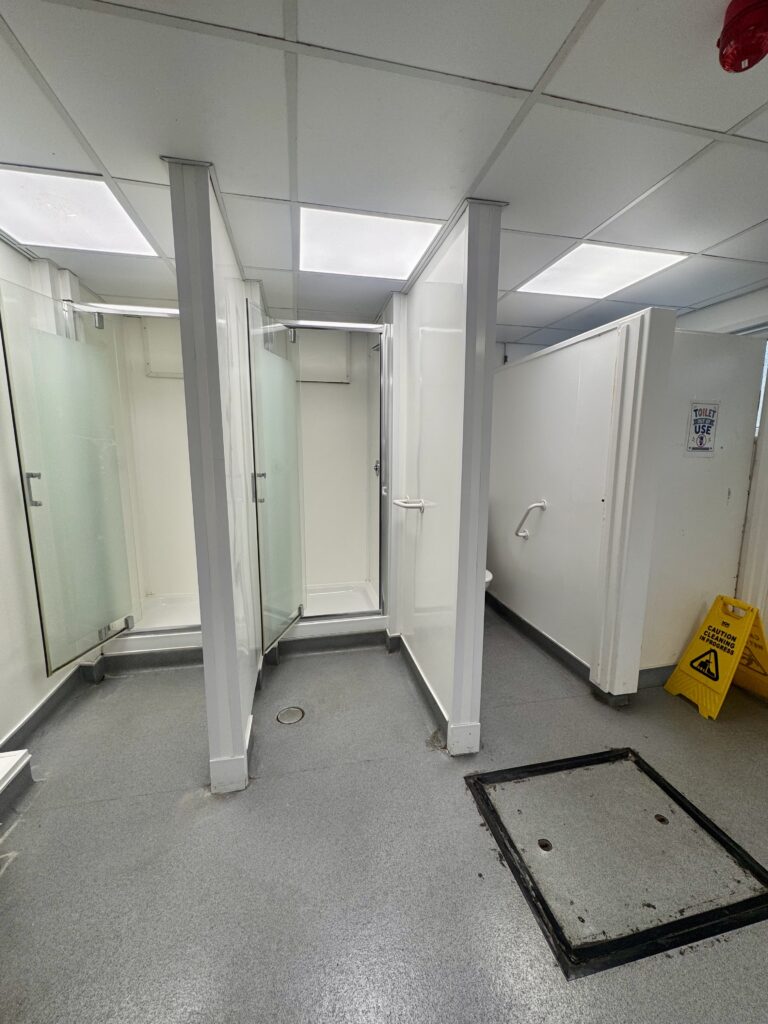
- Residents raised concerns about the condition, maintenance, and reliability of communal toilets and showers, including reports of blocked facilities, poor water pressure, and delays in completing repairs. In addition, the design and layout of shared bathroom facilities did not promote privacy and dignity fully. The communal washroom areas were designed for multiple occupants rather than single use, limiting residents’ privacy when accessing toilet and shower facilities.
- While CCTV coverage throughout the AP was extensive, the system retained footage for only seven days. This limited the AP’s ability to review incidents retrospectively where a longer period had elapsed before concerns came to light or investigations commenced.
- Due to ongoing maintenance, outdoor exercise equipment previously provided through national funding arrangements was no longer available for use. The equipment had been taken out of service, preventing residents from benefiting from a resource intended to promote physical activity and wellbeing within the AP grounds.
Public protection (Back to top)
| The approved premises effectively protects the public. | Rating |
| Good |
Strengths:
- There was appropriate representation at all multi-agency public protection arrangements (MAPPA) meetings. The AP area manager attended all Level 2 and Level 3 MAPPA meetings for residents prior to release. For residents in placement, the regime lead and/or PSOs routinely attended MAPPA meetings, with the AP area manager also attending where residents were managed at Level 3, presented a higher risk of serious harm, or were subject to other significant complexities.
- A dedicated PIPE CRU manager had been appointed to strengthen the management of referrals and support more appropriate allocation decisions and placement durations. The AP manager described a positive and constructive working relationship with the CRU manager and provided examples of effective dialogue regarding placement allocations and room-sharing arrangements. At the time of the inspection, all but two residents were occupying PIPE placements, which staff reported had contributed to a stable and calm environment within the AP.
- Information sharing between the AP and probation practitioners (PPs) was generally timely and helped to support collaborative working. All PPs who responded to the survey provided positive feedback regarding the timeliness of information sharing from the AP. In some cases, joint pre-release planning, regular three-way meetings, and communication throughout the placement supported a coordinated approach to managing residents’ risks, needs, and resettlement objectives.
- Collaboration with local police was well established. Named police representatives attended weekly meetings with AP staff to review all residents, share information, and discuss emerging risks. Public protection information was exchanged routinely, including information relating to recalls, substance misuse and other risk-related concerns, with relevant intelligence escalated promptly to local neighbourhood policing teams. During the fieldwork, inspectors observed several routine police visits and saw timely responses from officers when concerns about risk were raised by staff. Police officers appeared familiar with both the AP and the resident cohort, and relationships between police and AP staff were characterised by open communication and collaborative discussions regarding risk management and public protection.
- Verbal handovers took place twice daily at shift changes and there was a daily all-staff briefing each morning, which provided regular opportunities to share information relevant to risk management. Evening handovers followed a structured format, with staff discussing each resident’s whereabouts, activities, presentation, and any emerging concerns. These discussions supported a proactive approach to risk management, enabling staff to identify issues requiring further action and share relevant information where necessary. Outstanding issues were reviewed during the daily staff briefing, where actions and responsibilities for the day ahead were agreed.
- Drug and alcohol testing arrangements were implemented routinely and supported the management of risk within the AP. Daily alcohol testing was undertaken for residents awaiting the fitting of alcohol monitoring tags, providing an additional safeguard during periods of heightened risk.
- Safeguarding concerns were identified and escalated appropriately, helping to protect children and adults who may have been at risk of harm. Staff took action when concerns emerged, including making referrals to relevant agencies, escalating safeguarding concerns, and undertaking risk-informed room searches where necessary.
Areas for improvement:
- Recording practices required improvement across multiple aspects of public protection work. Records did not consistently evidence actions taken or decisions made, making it difficult to establish how risk, safeguarding concerns, and public protection issues had been assessed, managed, and reviewed. In several cases, information recorded by PPs indicated that concerns had been identified, discussed, and shared appropriately, but this was not reflected consistently in AP records.
- The quality of public protection work was not effective across all cases consistently. While some examples demonstrated good communication, collaborative working, and appropriate management of risk, other cases showed weaknesses in the exploration of concerns, the application of professional curiosity, and the management of compliance issues. Placement objectives were not always reviewed jointly and, in some cases, there was less evidence of coordinated activity to address factors associated with the risk of harm to others.
- Recent improvements to communication and handover arrangements had not yet been embedded fully. Written records of handovers also required strengthening to ensure that discussions, actions, and decisions were recorded consistently and were subject to effective oversight.
Rehabilitation (Back to top)
| The approved premises delivers activity to reduce reoffending. | Rating |
| Good |
Strengths:
- Residents had access to a structured and varied programme of rehabilitative activity, which was planned in advance and communicated through weekly and monthly timetables. Activities were delivered by both AP staff and partner agencies and included support to address health, wellbeing, substance misuse, housing, education, employment, and independent living needs. Residents were also able to participate in a range of social, creative, and recreational activities designed to promote engagement, develop skills, and encourage positive use of time.
- As a PIPE AP, residents routinely had access to the Chiron service, a joint probation and NHS initiative providing psychologically informed support tailored to individual needs. The service offered one-to-one support alongside a range of therapeutic, social, and wellbeing interventions aimed at helping residents develop skills, address personal challenges, and progress towards their goals. Additional specialist support was available from a social worker and occupational therapist, who attended the AP regularly to provide advice and practical assistance. Established partnerships with healthcare and substance misuse services ensured that residents could access support to address identified needs.
- The wider programme brought together interventions delivered by partner agencies and AP staff, including support with housing, digital skills, adult education, training, and employment. Residents could also participate in activities designed to encourage reflection, wellbeing, and social engagement, including the weekly ‘Between the Lines’ reading group facilitated by a trained reader-in-residence. Opportunities to mark cultural and commemorative events were incorporated into the programme, helping to promote inclusion and community participation.
- Around one-third of residents were engaged in employment, training, or education within the community at the time of the inspection. Feedback from PPs was positive and indicated confidence in both the range of rehabilitative opportunities available and the support provided to assist residents’ progression towards independent living.
- Pre-arrival planning arrangements were well established and helped residents prepare for their move into the AP. Prospective residents were routinely contacted before arrival and provided with information about the placement, enabling them to begin engaging with the service and understand what support would be available. Residents said that this pre-arrival contact helped to ease the transition from custody to the AP.
- Residence plans were also used to identify residents’ needs and support their early engagement with services and activities. Changes to allocation arrangements had strengthened opportunities for effective preparation before admission, helping to establish a foundation for rehabilitation and successful reintegration into the community.
- Resident feedback regarding keywork was largely positive. Residents described receiving support with a range of practical issues, including accommodation, employment, benefits, healthcare registration, and access to community services. Several residents spoke positively about having a dedicated member of staff who could help them address difficulties, navigate services, and access additional support when needed.
- Positive relationships between residents and keyworkers provided a strong foundation for rehabilitative work. Residents described feeling supported during periods of emotional distress and heightened need, while feedback from PPs was generally positive regarding the quality and frequency of keywork delivered within the AP.
- Arrangements were in place to support residents in preparing for their move on from the AP. Accommodation planning formed a routine part of keywork, and established links with external agencies helped residents access housing and other relevant services prior to departure. The AP placed a strong emphasis on resettlement and helping residents progress towards independent living, with staff maintaining a clear focus on securing suitable accommodation and support arrangements. Positive relationships were often sustained beyond residents’ departure from the AP, with some former residents returning to contribute to activities at the premises.
Areas for improvement:
- Residents did not always receive a timely and suitable induction. In five of the eight cases reviewed, induction records were either missing or lacked sufficient detail, and relevant induction documentation had not always been uploaded to case records. While performance data indicated improving compliance with induction requirements, resident feedback suggested that the quality of induction was variable.
- Keywork practice required improvement to ensure that sessions were consistently purposeful, responsive to residents’ individual needs and sufficiently evidenced in case records. Although residents and probation practitioners generally provided positive feedback about keywork, practice was inconsistent across the cases reviewed. Opportunities to explore identified risks, needs, and diversity-related factors were not always fully utilised, and records did not consistently capture the content, analysis, or impact of interventions undertaken. Keywork and rehabilitative activity were not always planned and recorded in a way that demonstrated how they contributed to sentence plan objectives or complemented the work being undertaken by PPs.
- Recording practices required improvement across all aspects of rehabilitative work. Records did not demonstrate consistently the keywork delivered, rehabilitative activity undertaken, referrals made, or outcomes achieved. As a result, case records did not always provide a clear account of residents’ progress, engagement with services, or the impact of interventions intended to support rehabilitation and reintegration.
Press release (Back to top)
“Significant progress made” at Fleming House AP, rated ‘Good’ following inspection
Further information (Back to top)
This inspection was led by HM Inspector Claire Andrews, supported by a team of inspectors and colleagues from across the Inspectorate. We would like to thank all those who helped plan and took part in the inspection; without their help and cooperation, the inspection would not have been possible.
Images (Back to top)