An inspection of Elizabeth Fry Approved Premises
Elizabeth Fry Approved Premises (AP) in Reading has received an overall rating of ‘Outstanding’ following an inspection by HM Inspectorate of Probation. Elizabeth Fry AP is a women-only, independent AP.
Foreword (Back to top)
Our inspection of Elizabeth Fry Approved Premises (AP) found an exceptional service delivering high-quality support to women in the criminal justice system. It demonstrated what can be achieved through strong leadership, a clear vision, and a committed staff group working together to create a safe, respectful, and rehabilitative environment.
Elizabeth Fry is an independent provider offering a distinct, gender-responsive model. A notable feature was its enhanced staffing and management structure, which provided strong leadership capacity, enabling consistent oversight, effective decision-making, and robust support to staff. This illustrates the impact that sufficient management resource can have on service quality.
Specialist roles were embedded within the model, ensuring that the needs of women were addressed in a timely and responsive way. This strengthened both safeguarding and rehabilitative outcomes, and was a key contributor to the consistently high standard of service delivered.
A defining strength of the service was the quality of relationships between staff and residents, which underpinned both risk management and rehabilitative efforts. This was further enhanced by effective partnership working, with established local links enabling access to a wide range of services to support residents’ health, wellbeing, and successful resettlement.
We have rated Elizabeth Fry as ‘Outstanding’ across all standards.
This is a significant achievement and the first time such a rating has been awarded within the current inspection programme. Overall, Elizabeth Fry provides a model of effective, compassionate, and person-centred practice. I commend the leadership team and staff for their dedication and the high standards they have achieved.
Martin Jones CBE
HM Chief Inspector of Probation
Background information (Back to top)
| Total number of approved premises nationally | 105 |
| Length of time on site by inspectors, including out-of-hours activity | 2 days |
| Total number of beds in Elizabeth Fry | 24 |
| Average length of residents’ stay at Elizabeth Fry | 42 days |
Nationally
Approved premises (APs) play a vital role in managing some of the highest-risk individuals supervised by the Probation Service. There are 105 APs across England and Wales, most of which are for men only, with eight dedicated to women. Twelve APs operate as psychologically informed planned environments, co-commissioned with NHS England. Fifteen APs are independently run by third-sector providers under contract and in partnership with HM Prison and Probation Service, including five of the eight women’s APs.
Locally
Elizabeth Fry was an independent AP for women, located in Reading and operated by The Elizabeth Fry Charity. This inspection was the second of an independent sector AP and the third of a women’s premises. The premises had space for 24 residents. At the time of our inspection, however, only 20 places were available due to ongoing refurbishment. This included converting two shared rooms into single rooms and creating an additional accessible room. Once complete, the total capacity was expected to increase to 25 places. During our visit, 17 women were living at the premises. There were some operational differences compared to standard APs. Staff roles had different titles, with placement supervisors carrying out key worker responsibilities, and resettlement support officers undertaking duties typically performed by residential workers in other APs.
Our inspection methodology
We inspected Elizabeth Fry Approved Premises during the week commencing 01 June 2026. The inspection included an offsite review of eight cases involving individuals who were either residing at the premises or had recently moved on. During onsite fieldwork, we observed practice and held interviews with managers and staff, both individually and in groups. We also received feedback from six current residents. In addition, we surveyed all staff working at the premises and received seven responses. We also surveyed probation practitioners who had supervised individuals residing at the premises in the three months prior to fieldwork, receiving 14 responses. Our fieldwork covered out-of-hours activity, including early morning and evening handovers, and included a detailed review of recent enforcement and recall decisions.
Ratings (Back to top)
| Fieldwork started June 2026 | Score 15/15 |
| Overall rating | Outstanding |
| Standard | Score | Rating |
| Leadership and governance | 3 | Outstanding |
| Staffing | 3 | Outstanding |
| Safety | 3 | Outstanding |
| Public protection | 3 | Outstanding |
| Rehabilitation | 3 | Outstanding |
Recommendations (Back to top)
As a result of our inspection findings, we have made the following recommendations that we believe, if implemented, will have a positive impact on the quality of services delivered at Elizabeth Fry AP.
The Elizabeth Fry AP leadership team should:
- strengthen induction arrangements to ensure that residents’ diversity needs are fully explored at the earliest stage, and that case boards are convened for transgender residents.
His Majesty’s Prison and Probation Service should:
- publish the findings of the national AP activity and resourcing review, and set out the staffing levels required to operate APs safely and effectively, ensuring these are implemented in practice
- ensure that Trauma Risk Management (TRiM) is available to staff working in independent approved premises, so that they are appropriately supported following serious incidents
- improve the operation of the central referrals unit (CRU) for the women’s estate, ensuring that referral and allocation decisions are timely, based on sufficiently robust assessments of risk and need, and support safe and appropriate placement.
Leadership and governance (Back to top)
| Leadership and governance drive the delivery of a high-quality service. | Rating |
| Outstanding |
Strengths:
- Elizabeth Fry had a documented vision that reflected its role as an independent provider of services for women in the criminal justice system. This was supported by a mission statement and a set of core values, which emphasised a belief in individuals’ capacity to change, the importance of listening and treating people with respect, the need for safe environments, and a commitment to fairness and consistency. Inspectors observed that day-to-day practice was strongly aligned with the stated values.
- As an independent AP, Elizabeth Fry benefited from constructive support from senior probation leaders, including a probation service area manager and the head of public protection (residential). This external oversight was viewed positively. As a charitable organisation, it was also overseen by an engaged and supportive board of trustees, bringing diverse expertise.
- Leaders were visible, supportive, and inclusive, and demonstrated a clear commitment to the wellbeing of both staff and residents. They were actively involved in the day-to-day delivery of services at the AP, contributing to a strong team ethos. An open-door approach was evident, and staff described leaders as approachable and reported that there were regular opportunities to provide them with feedback on issues affecting both residents and staff within the AP.
- Leaders used a range of formal and informal mechanisms to gather and respond to staff feedback. An annual staff survey was in place, with clear evidence that leaders acted on the findings, and more frequent ‘temperature check’ surveys had been introduced in response to concerns about the infrequency of the survey cycle.
- Staff described a positive and flexible working culture in which leaders were attentive to individual circumstances and recognised responsibilities outside of work. Regular team meetings were used to celebrate success, recognise achievements, and provide small incentives.
- In addition to routine meetings, staff had access to two annual awaydays: one focused on social and team-building activities to support informal engagement and strengthen relationships, and the second had a strategic focus, providing opportunities for staff to reflect on progress and contribute to future planning. These events were inclusive, with all staff groups invited to attend, including housekeeping and catering staff.
- Leaders promoted strong professional expectations and documented behavioural and functional standards, which were prominently displayed within staff areas and routinely reinforced during team meetings. These standards emphasised respectful relationships, resident-focused practice, teamwork, and personal accountability, alongside clear expectations regarding record-keeping, operational awareness, and professional development.
- The wellbeing of residents was a clear priority within the AP. Leaders and staff recognised that they were working within residents’ home environment, and this was reflected in the quality of interactions observed. Relationships between staff and residents were warm and respectful, while maintaining appropriate professional boundaries. There were opportunities for meaningful engagement, including a daily shared lunch attended by staff and residents, which provided space for informal communication and relationship-building.
- Feedback from probation practitioners on their experience of managing cases at Elizabeth Fry was overwhelmingly positive, particularly for the level of support and care provided to residents.
- A range of mechanisms were in place to collect, analyse, and respond to resident feedback. Residents were invited to complete entry and exit surveys, capturing their needs, experiences, and outcomes, with additional efforts to obtain feedback from those recalled to custody. Ongoing feedback was also gathered through weekly resident meetings, a suggestion box, and informal discussions, where residents could contribute ideas for activities and wider improvements. External oversight and further feedback were provided through regular visits from members of the charity’s board of trustees and engagement with the probation ‘engaging people on probation’ (EPOP) team. Inspectors saw evidence that feedback was considered and used to inform change, and where suggested changes could not be implemented, this was discussed openly with residents in a sensitive and transparent manner.
- There were a wide range of partnership arrangements to support residents and promote effective risk management. Multi-agency services worked collaboratively with the AP, with some partners delivering regular onsite support and others accessed through established referral pathways in the community. These included provision for health, substance misuse, housing, psychological support, and specialist services for more complex needs. There were also strong links with the police, including arrangements for information sharing to support risk management, and links with prisons to support resettlement.
- The AP demonstrated consistently strong performance against national metrics in the six months before inspection. A comprehensive approach to quality assurance included regular observations of practice, routine and thematic audits, and effective oversight of recording standards. There was clear evidence that learning from His Majesty’s Inspectorate of Probation inspection reports had been considered, with changes implemented to improve the resident experience in response to findings.
- A strong culture of continuous improvement was evident at the AP, supported by investment in staff development and reflective practice. Staff had access to a wide range of training opportunities, with arrangements to ensure that learning was shared across the team. Continuous improvement was reinforced through structured debriefs following incidents, reflective practice sessions, and regular case reviews.
- Staff demonstrated a strong understanding of working with women in the criminal justice system, supported by training in areas such as trauma-informed practice, domestic abuse, and self-harm, which enabled informed and responsive practice.
- Leaders demonstrated a clear focus on equity, diversity, and inclusion (EDI), using information about the resident population to shape delivery. There were practical arrangements to meet individual needs, including faith, diet, health, and accessibility. Residents were encouraged to contribute to EDI activity, for example through representative roles and events. Data was used to monitor outcomes for different groups, and to identify and address any disproportionate impact on minority groups, and staff took an individualised approach to supporting those with specific needs, including those with protected characteristics.
Areas for improvement:
- The centralised referral and allocation model was identified as the main risk to effective service delivery. This was due to placements being made far from home areas, high volumes of short-notice referrals, and suitability assessments that did not always fully identify risk or need. At times, allocation decisions also led to a concentration of similar risks within the AP, such as high levels of substance misuse. Some steps had been taken to mitigate these issues. A dedicated referrals manager reviewed placements and reassessed risk and need, with evidence of appropriate challenge where information was incomplete. In addition, the women’s central referrals unit (CRU) lead had introduced regular engagement sessions with AP managers to improve communication and collaboration. However, further work was needed to ensure the model operated effectively for the female AP estate.
- Case boards for transgender residents were not consistently convened. While there was some evidence of positive practice, such as collaboration with a local organisation to provide tailored support, and a thoughtful approach to inclusive resources and activities, greater consistency was needed to ensure all transgender residents benefited from structured oversight and review.
Staffing (Back to top)
| Staff are enabled to deliver a high-quality service for residents. | Rating |
| Outstanding |
Strengths:
- Elizabeth Fry employed an all-female staff team in line with policy requirements for women’s APs, recognising the high prevalence of trauma and supporting the delivery of a gender-responsive service.
- As an independent AP, Elizabeth Fry benefited from local autonomy in shaping its staffing profile and rota arrangements. All staff, including catering and housekeeping personnel, were employed directly by the AP. In addition, leaders had introduced four specialist roles in response to their analysis of women’s needs identified through data collection. As a result, residents had access to specialist support in areas such as finance, housing, and substance misuse. For those resettling locally, an outreach worker was also in place to provide support in the immediate period following their move on from the AP.
- In recognition of high management workloads, the AP had implemented a distinctive management structure, with two additional managers supporting the AP manager. One was the referrals and premises manager, responsible for reviewing all allocations to ensure suitability assessments were robust, residents’ needs were identified prior to release, and appropriate risk management plans were in place. This role also oversaw health and safety across the premises. The second was the resettlement and support manager, who supervised resettlement support officers (RSOs), ensuring that they were well trained and competent, and led on routine audits and quality assurance activity. This role also included late afternoon and evening working, providing both day and night staff with equitable access to management support.
- New staff received a thorough and structured induction, which was effective in preparing them for their roles. This included a comprehensive introduction to policies, processes, and the organisation’s purpose, alongside planned opportunities for one-to-one learning, shadowing, and ongoing reflective supervision. The induction process had been further strengthened following staff feedback, with enhanced one-to-one training introduced to better support learning and build confidence before independent practice.
- Casework reviewed and practice observed during the inspection indicated that staff were competent and skilled in their roles, with professional capability demonstrated in relational working, de-escalation, and day-to-day practice. Staff reported high levels of confidence in their knowledge and skills, supported by effective training and development, high completion rates for mandatory learning, and management oversight through observation and reflective practice. Specialist staff provided additional expertise, further strengthening the quality of support available to residents.
- Staff demonstrated a clear commitment to understanding and responding to residents as individuals. In practice, staff showed confidence in recognising presenting needs and adapting their approach accordingly, including adjusting day-to-day routines, living arrangements, and support in a way that was responsive to each resident’s circumstances. Of the 14 probation practitioners who responded to the survey, 12 were ‘very satisfied’ and two ‘satisfied’ that the AP understood and responded to the needs of the resident.
- During the fieldwork, inspectors observed both formal and informal interactions between staff and residents that were warm, caring, and professional, while remaining respectful, appropriate, and clearly bounded.
- Staff received regular, well-structured supervision that exceeded national requirements and supported both their wellbeing and professional development. Management oversight was a particular strength, consistently evident in casework and daily operations, with decisions recorded promptly, underpinned by clear rationale, and supported by meaningful countersigning that included constructive commentary.
- Staff wellbeing and safety were clearly prioritised, with a range of practical measures to help staff feel safe and supported at work. Risks were carefully assessed and managed, including before residents arrived, and lessons were learned from incidents to improve safety, such as introducing additional security features and staffing arrangements.
Areas for improvement:
- Although staff generally reported manageable workloads, weekend staff levels did not always reflect the complexity of residents’ needs. Inspectors found that, at times, two staff members were required to manage multiple high-risk and demanding situations simultaneously, which was not considered sustainable. While staff levels followed the national model, this had recently been subject to an activity and resourcing review by HMPPS senior leaders; however, the outcome had not been published.
- Staff were unable to access Trauma Risk Management (TRiM) support following serious incidents. While this form of peer support was available across HMPPS-run APs, it was not accessible to independent providers. Staff and leaders reported that this gap left them without a valued form of support from others who understood the pressures of the role. Although alternative arrangements had been introduced locally, these did not fully meet this need, and further consideration was required to ensure equitable access to appropriate specialist support.
Safety (Back to top)
| The approved premises provides a safe, healthy, and dignified environment for staff and residents. | Rating |
| Outstanding |
Strengths:
- Effective arrangements were in place to identify and support residents at risk of suicide or self-harm. Staff consistently assessed risk using structured processes, supported by clear management oversight, and developed personalised support plans based on multiple sources of information. Where concerns arose, staff responded promptly with increased monitoring, supportive conversations, and access to relevant services, including external mental health support. These processes were well embedded in day-to-day practice, with staff demonstrating competence in managing risk and supporting residents’ wellbeing.
- Medication management was safe and fully compliant with relevant policies and legal requirements. Clear procedures were consistently followed, including supervised administration by two staff, secure storage of medication, and thorough record-keeping, with administration signed and routinely audited. Where residents managed their own medication, appropriate risk assessments were in place and regularly reviewed in response to changing circumstances. These arrangements were supported by trained and competent staff, strong management oversight, and regular auditing.
- Staff took a proactive approach to safeguarding residents, identifying and responding to a wide range of risks, including physical health concerns and substance misuse. They supported residents to access healthcare and specialist services, and worked closely with other agencies to ensure coordinated support. Practical steps were taken within the premises to keep residents safe, such as carrying out room searches when needed and managing fire safety risks. Staff involved residents in decisions about their safety and support, helping them to understand risks and build safer behaviours.
- There were clear and well-understood behaviour management arrangements. Expectations were communicated to residents before arrival and reinforced during induction, with accessible information provided throughout the premises and in welcome packs. Enforcement processes were consistently applied through a structured, step-by-step approach, helping residents understand the consequences of their behaviour. These processes were used in a supportive and collaborative way, with residents involved in discussions and decisions.
- Staff carried out routine welfare checks each day, increasing the level of monitoring when risks escalated, such as concerns about substance use, mental health or self-harm. Checks were clearly recorded, demonstrating that residents were responsive, and were routinely reviewed by managers, with arrangements adjusted in line with changes in need. These arrangements were communicated effectively between shifts, ensuring consistency in practice.
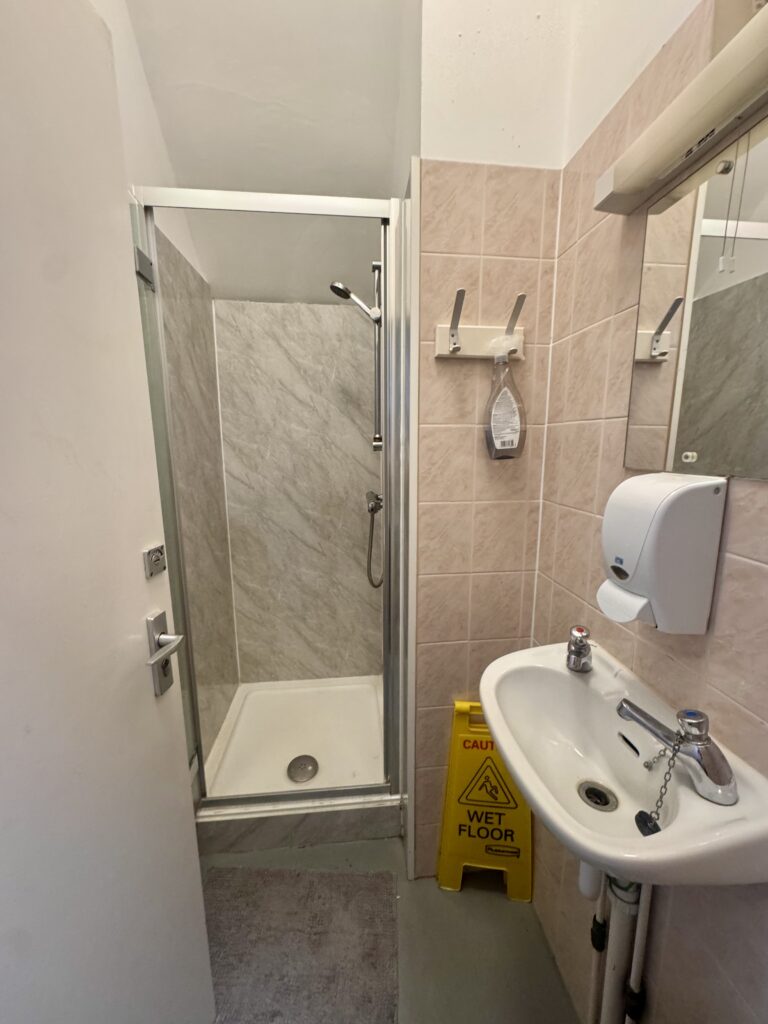
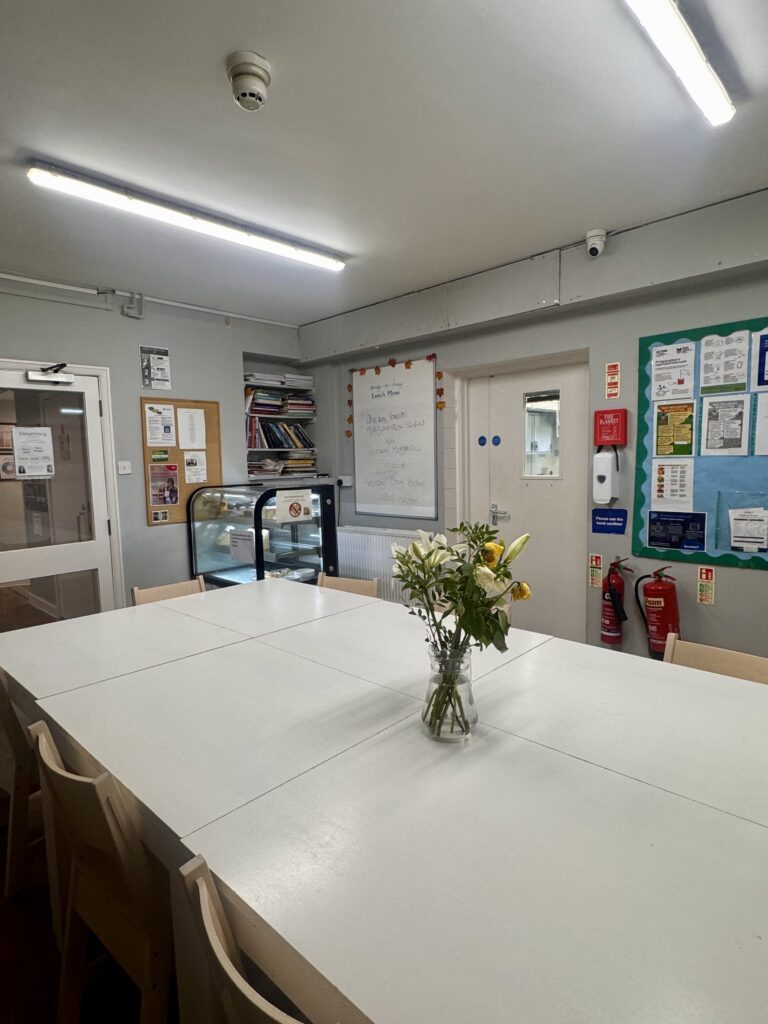
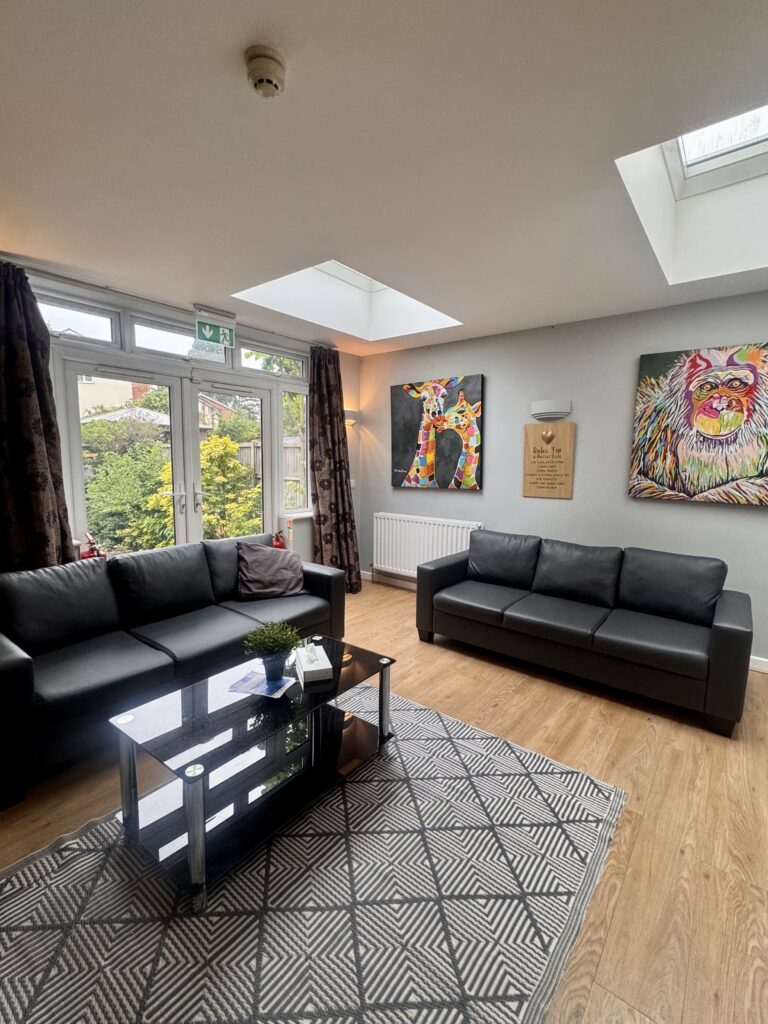
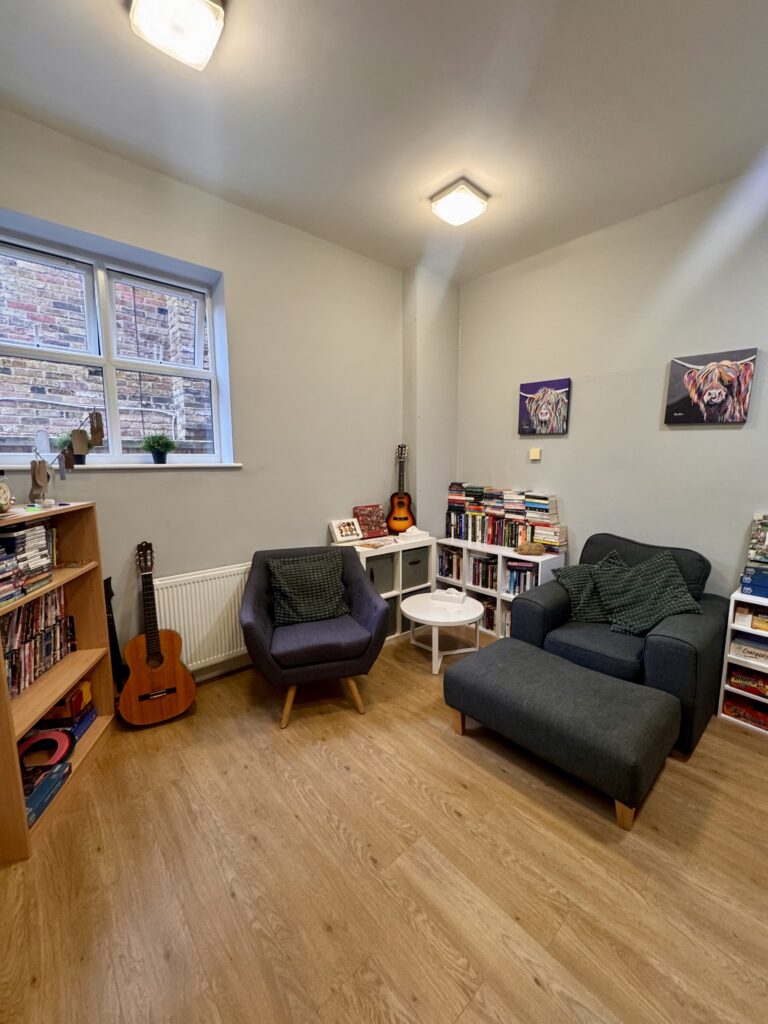
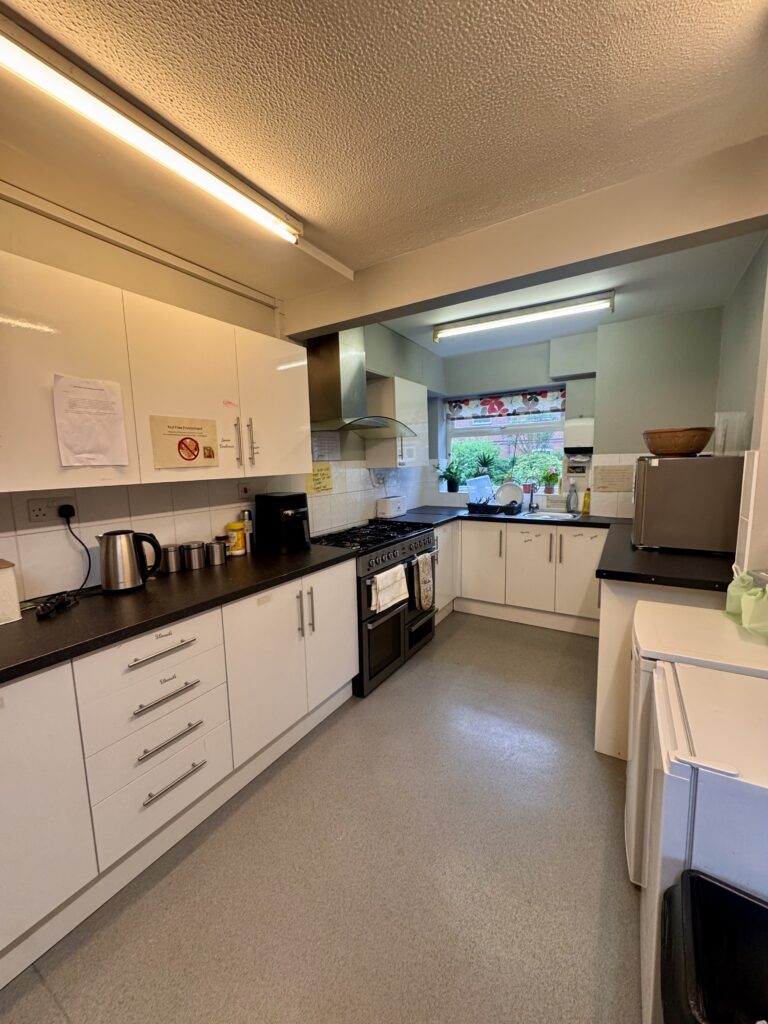
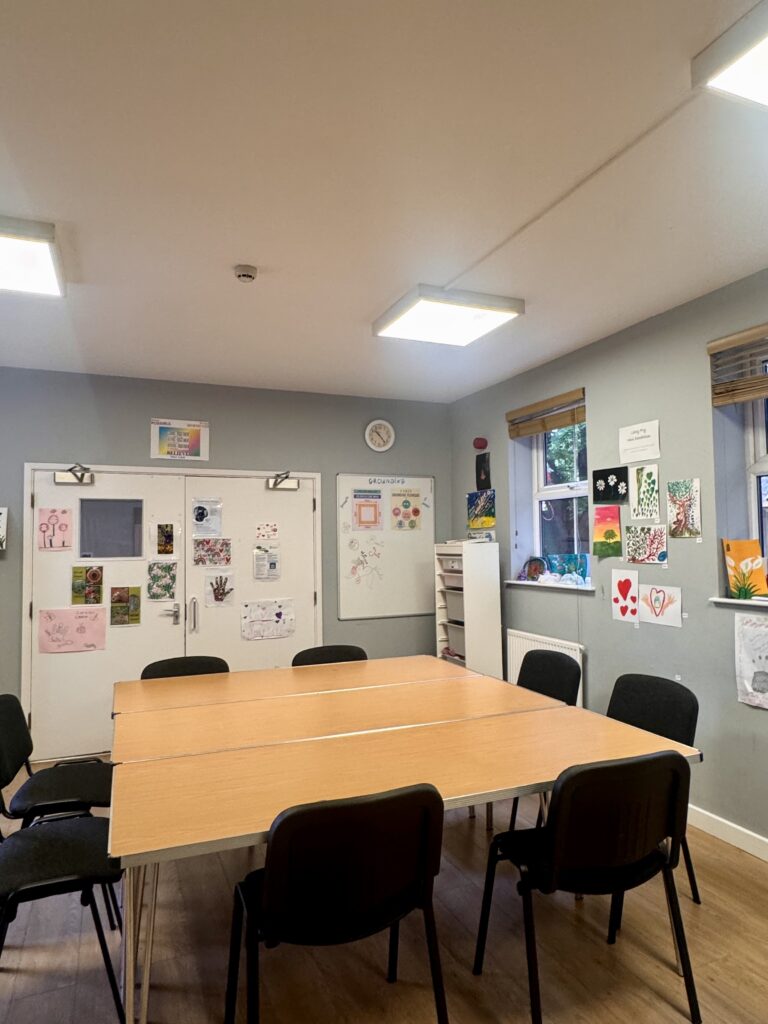
- Residents benefited from a warm, homely, and spacious living environment, with a wide range of facilities to support their wellbeing and daily life, including communal lounges, shared kitchen and dining areas, a multi-faith room, garden space, and dedicated rooms for activities and group work.
- High-quality catering was provided, with nutritious meals and flexible options available throughout the day. Residents were also encouraged to get involved in cooking and menu planning, helping to promote independence while meeting their preferences and dietary needs.
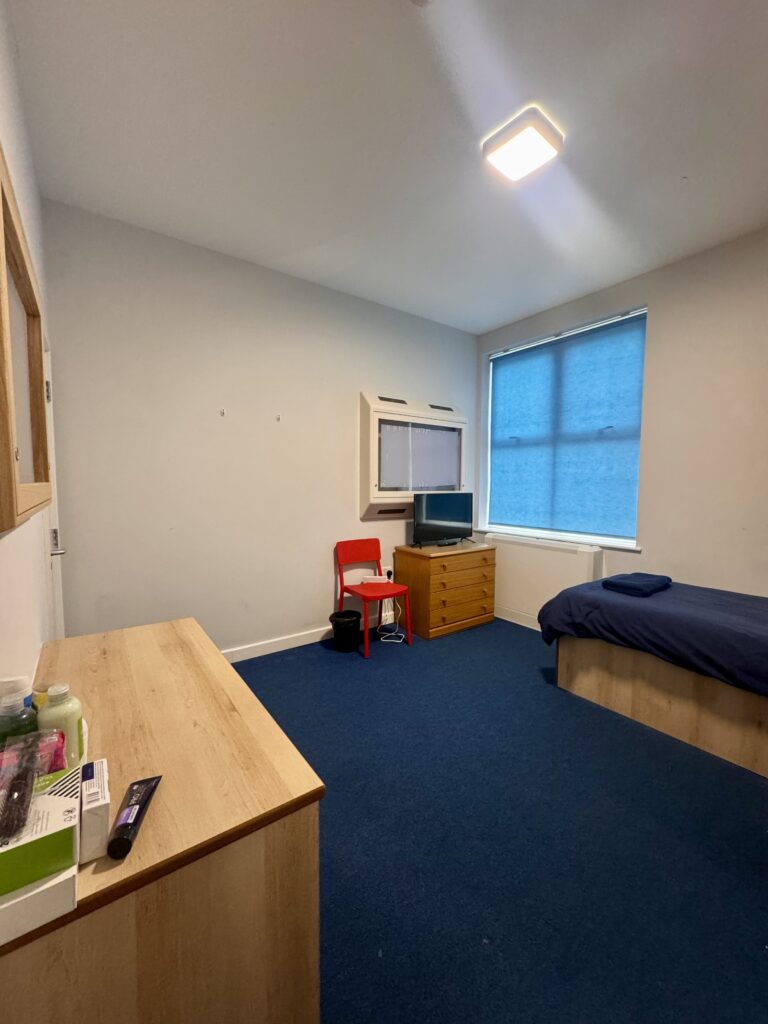
- Bedrooms were clean, well-maintained, and of a good size, with residents surveyed expressing generally positive views about the accommodation. At the time of inspection, two shared bedrooms within the AP were not in use due to ongoing construction work to convert them into single rooms. Residents welcomed the transition to fully single-occupancy accommodation.
- Bedrooms had been adapted to meet individual risks and needs, helping to keep residents safe. This included designated rooms for those presenting a risk of arson, a room designed to support residents with limited mobility, and a bedroom with anti-ligature fittings to reduce the risk of self-harm. There were also additional measures for residents with medical needs, such as epilepsy, ensuring staff could respond quickly in an emergency.
- Personal attack alarms were in place and routinely tested, with staff and visitors carrying them throughout the premises. Silent alarms had also been installed in an interview room used for higher-risk meetings, connecting directly to the police without alerting others, to prevent situations from escalating.
Areas for improvement:
- There was extensive CCTV coverage throughout the AP internally, but a recent audit had identified three potential blind spots within the wider grounds. While these areas were not considered to pose a direct risk to staff safety, one specific location was suspected to be used by residents misusing illicit substances. These issues were already known to AP leaders, and there were plans to install additional cameras.
- We observed that some staff did not consistently wear their safety belts when moving through the AP’s communal areas. This had implications for both staff and resident safety, as it reduced their ability to respond effectively to incidents and manage risk.
Public protection (Back to top)
| The approved premises effectively protects the public. | Rating |
| Outstanding |
Strengths:
- The AP manager and placement supervisors jointly represented the AP at multi-agency public protection arrangements (MAPPA) meetings. As residents approached the end of their placement, the specialist housing worker attended to provide focused input on move-on arrangements.
- The AP referrals and premises manager conducted a comprehensive review of each case allocated to Elizabeth Fry. This insight was used to challenge placements appropriately where necessary and to identify requirements for specialist rooms that had not been recognised in the initial assessment. We were informed that all such challenges were upheld. The AP also valued the support provided by the AP area manager in navigating central allocation processes.
- Enforcement and improvement planning processes were well embedded within the AP to manage residents’ behaviour. Improvement plans were collaborative and supportive, developed with residents rather than imposed on them, taking account of their views, with management oversight and full involvement from probation practitioners. Decisions made out-of-hours also demonstrated the AP’s ability to assess and respond promptly to emerging risks. Overall, inspectors considered enforcement decision-making to be proportionate, with appropriate efforts made to avoid unnecessary recall through the use of professional judgement and measured responses.
- Staff demonstrated a proactive and timely approach to safeguarding, with clear examples of action to protect children and vulnerable adults. They were attentive to licence conditions and emerging risks, responding quickly when concerns arose. Training records showed that staff had completed relevant safeguarding training.
- Room searches were carried out regularly, and observation during fieldwork showed that staff were thorough and demonstrated a clear understanding of indicators of increased risk or safeguarding concerns, as well as residents’ licence conditions.
- There was strong and consistent information sharing and joint working between the AP and probation practitioners. Staff communicated proactively and maintained regular contact, including three-way meetings, and increased communication during periods of heightened risk. This supported effective oversight and joint management of residents, ensuring that work within the AP aligned with wider sentence plans. Feedback from probation practitioners was consistently positive, highlighting timely communication, clear case recording, and a collaborative approach that contributed to effective risk management, particularly for individuals with more complex needs.
- There were effective arrangements for sharing information about residents’ risks with other services. Staff worked closely with partner agencies, including the police and healthcare services, and shared relevant information promptly where needed. Safe systems of work also ensured that agencies attending the AP were alerted to any residents who could pose a risk. This information was shared with visitors on arrival, and appropriate alarms were issued.
- The AP kept a separate daily record for each resident, documenting a range of information including their presentation, activities, associations, appointments, engagement levels, room searches, substance testing, and any risks or welfare issues. These records were detailed, shared with probation practitioners at the end of each day via email, and uploaded to electronic records.
- Staff held verbal handovers twice daily at shift changes. During the fieldwork, we observed both morning and evening handovers. These followed a clear, structured approach, with staff systematically reviewing each resident and referring closely to the daily logs. The discussions reflected a strong level of professional curiosity among staff.
Areas for improvement:
- Drug and alcohol testing was carried out regularly; however, the frequency did not always align with the requirements set out at the start of placements. Some staff indicated that they would wait for management direction before undertaking tests, suggesting that practice could sometimes be directive rather than led by staff initiative.
Rehabilitation (Back to top)
| The approved premises delivers activity to reduce reoffending. | Rating |
| Outstanding |
Strengths:
- The AP worked in close partnership with a broad range of local agencies to support residents’ rehabilitation. Through these arrangements, residents had reliable access to specialist services, including substance misuse treatment, healthcare, and psychological support, many of which delivered interventions on site.
- Partnerships extended beyond statutory services to include voluntary and community organisations that enhanced the range of rehabilitative opportunities available. These links provided support with areas such as housing, employment, and social reintegration, helping residents to build skills and prepare for life in the community.
- A weekly timetable offered residents access to a varied programme of activities. These included structured group interventions, such as substance misuse and healthy relationships programmes, alongside one-to-one support, including chaplaincy provision and sessions with a therapy dog. Residents could also take part in life skills activities, including cooking and gardening, as well as social and recreational opportunities such as arts and crafts, bingo, and film nights. The AP was also equipped with a music room, enabling residents to play instruments or learn new musical skills.
- All residents were expected to participate in the life of the AP and contribute to its regime. This included structured activities such as a rota for cleaning and maintaining the environment, ensuring all residents played an active role in day-to-day living tasks.
- All residents were given the opportunity to complete a Level 2 food hygiene qualification, funded by the AP, enabling them to work alongside the chef in planning and preparing meals for other residents.
- In response to resident feedback, external activities were organised regularly, including a recent visit to a farm. Residents were also encouraged to contribute to planning activities, with nominated representatives working alongside the AP manager to design and deliver activities linked to the EDI calendar.
- Rehabilitative activities were aligned appropriately with the work delivered by probation practitioners in all eight inspected cases. Feedback from probation practitioners to our survey highlighted the strength of the AP’s rehabilitative offer, particularly its range of structured activities and practical support. Practitioners also noted that staff tailored interventions to meet individual needs, working closely with residents to support progress and maintain engagement.
- A relational and trauma-informed approach was embedded and consistently informed staff’s interactions with residents. Residents who responded to our survey reported that staff treated them with respect, kindness, and professionalism, and that they felt listened to and supported. Staff were described as approachable and polite, even when managing challenging situations.
- There was a clear focus on early engagement with residents. Despite three of the inspected cases involving short-notice referrals of less than two weeks, staff made pre-arrival contact in seven out of eight cases. In all cases, residence plans were completed before arrival. These plans were personalised, of good quality, and underpinned by appropriate analysis. They reflected each resident’s individual circumstances and views.
- Residents received regular key work sessions that were meaningful, aligned with their sentence plans, and coordinated with the work of probation practitioners. These interactions were consistently person-centred and responsive to individual needs, effectively balancing support with appropriate challenge to promote rehabilitation.
- The unique staffing model at Elizabeth Fry provided residents with access to in-house specialist support in areas such as housing, finance, and substance misuse. These appointments were offered alongside regular key work sessions, enhancing support across main aspects of resettlement.
- The AP adopted a flexible approach to supporting residents’ progress. While there was an expectation for residents to take part in regular weekly activities, staff focused on what meaningful progress looked like for each individual, rather than applying a fixed, one-size-fits-all approach. This meant support was tailored to reflect each person’s abilities, needs, and stage of development, helping residents to engage at a level that was realistic and beneficial to them.
- There were arrangements to support residents as they moved on from the AP. A dedicated housing worker worked closely with residents and probation practitioners to secure suitable accommodation. Probation practitioners described staff as proactive and flexible in this work, providing practical support such as arranging transport and, where necessary, extending placements to ensure a successful transition. In all inspected cases, there was a clear plan in place for move-on. Residents resettling locally also benefited from support from a dedicated outreach worker, who helped them manage the practical challenges of transition and access to services within the community.
Areas for improvement:
- Although EDI information was collected before residents’ arrival, it did not always capture the full range of personal factors that could influence their experience, such as culture, faith or identity. In some instances, this broader understanding developed later rather than being established at the outset. Inspectors concluded that the induction process would be strengthened by exploring these aspects more fully from the beginning, so that support could be better tailored to each person from the moment they arrived.
Press release (Back to top)
“Exceptional” Elizabeth Fry Approved Premises, rated ‘Outstanding’ in all areas
Further information (Back to top)
This inspection was led by HM Inspector Claire Andrews, supported by a team of inspectors and colleagues from across the Inspectorate. We would like to thank all those who helped plan and took part in the inspection; without their help and cooperation, the inspection would not have been possible.
Images (Back to top)