An inspection of Bridgewood Approved Premises
Foreword (Back to top)
During our inspection of Bridgewood Approved Premises (AP), we met committed staff who were working hard to support residents and sustain service delivery in challenging circumstances. Their individual dedication was evident. However, the service was too reliant on the efforts of individual staff rather than being supported by strong systems and processes.
Leadership and staffing, central to the delivery of any high quality service, were judged to be inadequate. There was not enough management capacity, and the quality assurance systems did not provide the oversight required to ensure that core tasks were completed to the expected standard. While we saw examples of good practice, these were isolated and not driven by clear management direction.
Staffing was particularly fragile. Issues with workplace culture, training gaps, and inconsistent supervision were affecting staff confidence and the reliability of day-to-day work. These weaknesses contributed to inconsistent record-keeping, insufficient information sharing, and failures to complete essential tasks, all of which hindered the safe and effective running of the premises.
As a result, we have rated Bridgewood Approved Premises as ‘Requires improvement’.
Our recommendations set out the pressing steps needed to strengthen leadership, stabilise staffing, and move the service from reactive, person dependent practice to a more robust, well-structured model.
The risks identified during this inspection require timely and sustained action, and a follow up inspection will allow us to assess whether the service has made sufficient progress. We will reinspect within 12 months.
Martin Jones CBE
HM Chief Inspector of Probation
Background information (Back to top)
| Total number of approved premises nationally | 104 |
| Length of time on site by inspectors, including out-of-hours activity | Two days |
| Total number of beds in Bridgewood | 18 |
| Average length of residents’ stay at Bridgewood | 39 days |
Nationally
Approved Premises (APs) play a vital role in managing some of the highest-risk individuals supervised by the Probation Service. There are 104 APs across England and Wales, most of which are for men only, with eight dedicated to women. Twelve APs operate as psychologically informed planned environments, co-commissioned with NHS England. Fourteen APs are independently run by third-sector providers under contract and in partnership with HM Prison and Probation Service, including five of the eight women’s APs.
Locally
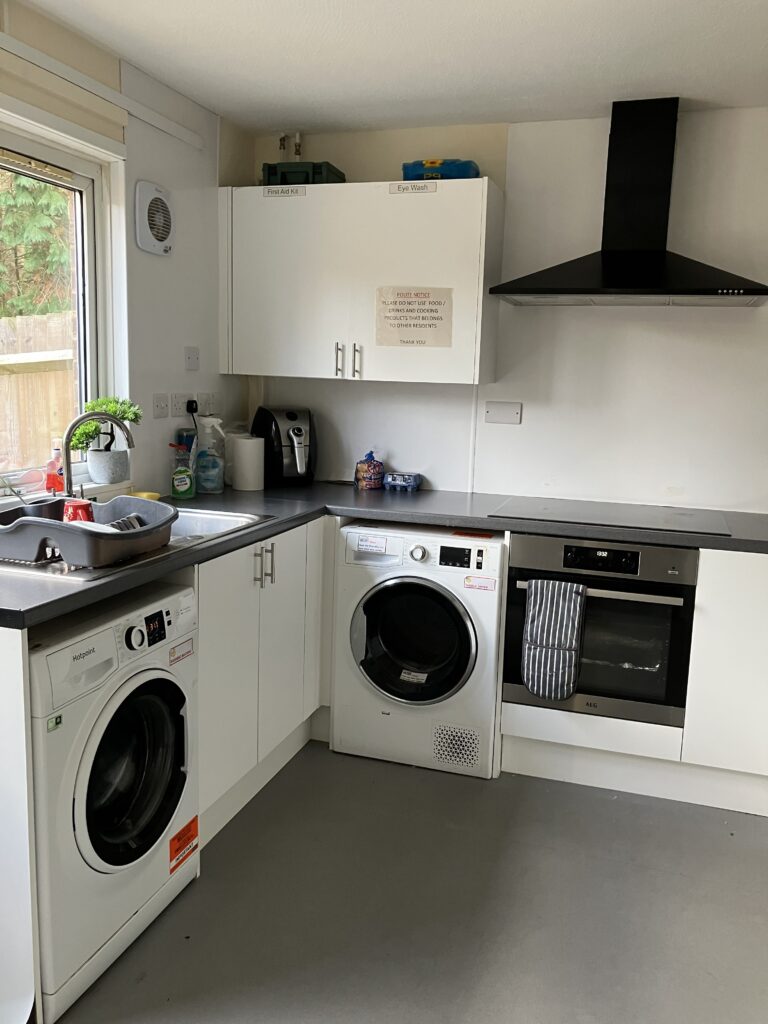
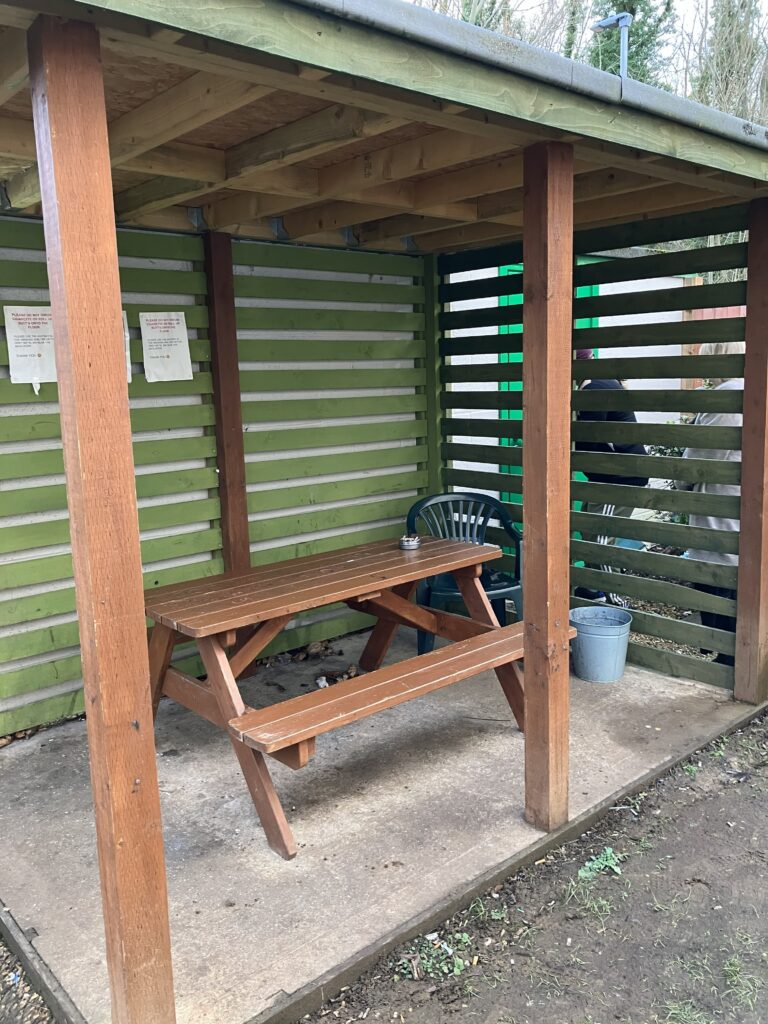
Bridgewood AP in Northampton provided accommodation for up to 18 adult men, offering 14 single rooms and two double rooms. The site comprised a main building, which housed 14 residents and included the catering facilities, and an adjoining smaller property with its own entrance. This separate unit was self‑catered, enabling four residents to develop and practise independent living skills. The premises were situated on a cul‑de‑sac within a residential area. At the time of our inspection, 17 residents were in placement.
Our inspection methodology
We carried out our inspection of Bridgewood AP during the week beginning 05 January 2026. This included an off-site review of eight cases involving individuals who were either current residents or had left the AP within the previous three months. During our on-site fieldwork, we observed practice, interviewed managers and staff, both individually and in groups, and gathered feedback from 12 current residents about their experiences. We also observed the AP’s out-of-hours operations, including early morning and evening shift handovers, and conducted a review of recent enforcement and recall decisions.
Ratings (Back to top)
| Fieldwork started January 2026 | Score 3/15 |
| Overall rating | Requires improvement |
| Standard | Score | Rating |
| Leadership | 0 | Inadequate |
| Staffing | 0 | Inadequate |
| Safety | 1 | Requires improvement |
| Public protection | 1 | Requires improvement |
| Rehabilitation | 1 | Requires improvement |
Recommendations (Back to top)
As a result of our inspection findings, we have made the following recommendations that we believe, if implemented, will have a positive impact on the quality of services delivered at Bridgewood.
The Bridgewood leadership team should:
- ensure that all residents receive timely assessments of suicide and self‑harm risks, and that the quality of these assessments is routinely monitored
- ensure that all staff receive regular, structured supervision, and that supervision sessions are consistently and appropriately documented
- update the local induction process for new staff so that it is current, meaningful, and equips them to perform their role effectively
- engage all staff in a programme of training and development that strengthens their understanding of policy and process, and promotes consistent and effective practice
- improve recording practices across all areas of work to ensure that relevant information is shared in a timely and accurate way to support effective risk management
- implement a systematic quality assurance process to monitor and improve the quality of work with residents, and take prompt and appropriate action when performance standards are not met
- identify a process for routinely gathering and analysing equity, diversity, and inclusion (EDI) information, so that the services delivered are fully responsive to the needs of residents
- work with wider organisational partners to develop a culture‑improvement plan that provides targeted wellbeing support, strengthens psychological safety, and supports staff and leaders to collaborate and solve problems constructively.
His Majesty’s Prison and Probation Service should:
- ensure that the AP is staffed and resourced adequately at all times, with arrangements that provide safe operational cover and prevent risks arising from staffing shortfalls
- deliver the AP manager induction programme as a priority, and establish a schedule to ensure that it is delivered consistently and reliably in future
- provide immediate support to Bridgewood to ensure that practice, systems, and processes are safe, consistent, and contributing positively to the management of residents. This should include targeted support to strengthen staff skills, wellbeing, and team culture, and to equip the workforce to deliver high‑quality and safe practice.
Leadership and governance (Back to top)
| Rating | |
| Inadequate |
Strengths:
- A weekly residents’ meeting was held, offering a structured and consistent forum for individuals to raise questions, express concerns, and contribute ideas. These meetings provided a routine opportunity for residents to share their views on day‑to‑day living arrangements, and any emerging issues within the setting.
- The AP manager demonstrated strong community collaboration, drawing on previous partnership‑working experience to maintain effective relationships with a wide range of local services. These partnerships supported both risk management and residents’ access to appropriate interventions. Inspectors observed established links with healthcare providers, substance misuse services, and local policing teams, alongside input from peer‑support organisations. The manager also sought to broaden opportunities for residents, arranging forthcoming employability sessions and therapeutic activities through community partners.
- Leaders had recognised that aspects of the staff culture required improvement and were taking steps to address these concerns. They had sought external support to better understand and resolve the issues, including asking for an independent review of the workplace culture and engaging with behaviour‑improvement support. The AP manager demonstrated resilience in navigating these challenges, maintaining focus on the needs of residents and the effective operation of the AP throughout a particularly demanding period.
- Staff had access to learning and development opportunities, including attendance at local probation delivery unit (PDU) events and awayday activities. Reflective practice sessions were also available through the offender personality disorder (OPD) team, and learning from local incidents had informed improvements to practice, such as clearer processes for managing residents’ property.
Areas for improvement:
- There was no documented vision for Bridgewood.
- Although leaders had begun to take steps to address the cultural concerns within the AP, the interventions required to support this work had been delayed. These delays meant that longstanding issues continued to affect day‑to‑day operations and staff relationships, and this remained an area requiring timely attention.
- Some staff reported that senior leadership visibility and engagement felt limited. Although mechanisms for communication were in place, these did not always provide sufficient opportunity for meaningful interaction, and staff shift patterns often restricted attendance. When opportunities to raise concerns did arise, some staff did not always experience the process as collaborative and were hesitant to share issues openly.
- There were no consistent meeting structures to support effective discussion, reflection or shared learning. Although staff meetings were held, these were often overtaken by wider workplace issues, limiting meaningful focus on operational priorities. A more balanced and structured approach was needed to ensure meetings provided space for staff to contribute constructively and to address key practice matters.
- The AP had consistently failed to meet all service‑level measures during the previous six months, and the underlying reasons for this were not fully understood. While there had been a slight improvement in the completion of first‑stage inductions, overall performance remained below expectations, and some core tasks were not being completed.
- Although monthly accountability meetings were held to review performance shortfalls and identify the reasons behind them, there was limited evidence that these processes were leading to sustained improvements in performance.
- Routine quality assurance activity was not taking place locally or nationally, and the AP manager’s workload left insufficient capacity to provide the oversight required. Additional support was needed at both area and national levels to ensure that core processes were monitored effectively and that performance improvements could be achieved.
- Leaders did not yet have effective systems to fully understand or use EDI information to inform delivery arrangements. While the AP had a diverse staff team and appropriate facilities to meet some religious and cultural needs, diversity information was not always clearly recorded or reflected in case management, and routine analysis of EDI trends did not take place locally or nationally. As a result, leaders lacked a comprehensive understanding of the resident population’s profile and needs, and opportunities for residents to contribute to national diversity forums were not facilitated.
Staffing (Back to top)
| Staff are enabled to deliver a high-quality service for residents. | Rating |
| Inadequate |
Strengths:
- Some frontline staff demonstrated strong professional values and a clear commitment to residents’ wellbeing. Inspectors saw examples of staff working constructively together, supporting colleagues during periods of staffing pressure, and covering shifts to help maintain continuity of service. These strengths, while not universal across the team, showed that elements of positive practice and teamwork were present and contributed to sustaining service delivery during challenging periods.
- Inspectors identified examples of strong practice within the team, and some staff showed a clear understanding of residents’ needs, delivering interventions that were purposeful and supportive. Case records also demonstrated instances of meaningful keywork and appropriate collaboration with partner agencies. These examples highlighted that there was good‑quality practice within the AP with the potential to make a positive impact when delivered consistently.
- There were positive and professional interactions between staff and residents, with staff demonstrating compassion, care, and respectful attitudes. Staff discussions about residents were similarly constructive and non‑judgemental. Feedback from residents was largely positive; most described staff as approachable and supportive.
- There were some mechanisms to support staff wellbeing and safety. Inspectors saw examples of reasonable adjustments, access to occupational‑health referrals, and provision for staff to take breaks. Support following incidents, such as Trauma Risk Management (TRiM) – a peer‑support model for individuals exposed to traumatic events – was also available.
Areas for improvement:
- The AP had experienced staffing pressures in recent months. Although recruitment activity meant the service was fully staffed at the time of the fieldwork, levels of staff availability varied, which created challenges in maintaining the rota and ensuring consistent coverage across all shifts. These pressures reduced flexibility in deployment and contributed to periods where staffing resilience was limited.
- There were occasions when staffing levels did not meet the requirements for safe and effective operation. Inspectors were informed of shifts where cover was limited and of arrangements that did not provide sufficient access to key systems.
- Management capacity was insufficient to meet the demands of the AP. The manager had an extensive range of responsibilities and was frequently required to absorb additional operational tasks and cover rota gaps, which reduced the time available for core leadership functions. The level of management resource was not aligned with the complexity and operational needs of the AP.
- Tracking processes confirmed that staff had completed the mandatory training modules linked to annual pay progression. However, there were significant gaps in wider essential training. Staff had not completed several important modules relevant to managing risk, safeguarding, and supporting residents’ needs.
- Staff did not receive supervision and appraisal in a way that strengthened the quality of work with residents, and there were gaps in management oversight across the cases reviewed. Although managers were accessible and maintained regular contact with staff, formal supervision was inconsistent, often undocumented, and did not provide the structured oversight needed to support practice.
- Induction arrangements for both managers and staff were insufficient. The AP manager had moved into the role without a structured induction to help her understand the full scope of operational responsibilities, and the national team had not delivered the AP manager induction programme for some time. Local induction processes for new staff also relied on outdated materials and were not supported by clear guidance. These gaps meant that neither managers nor staff were adequately equipped with the knowledge needed to carry out their roles confidently and effectively.
- Longstanding performance issues within the AP required prompt and sustained attention. Some aspects of work were not completed to the required standard, and weaknesses in recording meant there was no clear audit trail to support effective oversight or to progress concerns through formal processes.
- Staff motivation and engagement varied across the group, and morale had been affected by ongoing challenges within the team. This was an area requiring prompt attention to ensure staff felt supported and able to carry out their roles effectively.
- Although during the fieldwork we observed that staff were responsive to residents’ needs, this was contrasted by findings from our case inspections. In the sample reviewed, the wider needs of residents were met in only two of the eight inspected cases.
Safety (Back to top)
| The approved premises provides a safe, healthy, and dignified environment for staff and residents. | Rating |
| Requires improvement |
Strengths:
- Medication for residents was managed in line with required policies and procedures. Inspectors found that storage arrangements and records met legislative and organisational standards, and agreements with local pharmacies supported prescribing and supply. For residents permitted to hold their own medication, the necessary assessments had been completed and appropriately recorded.
- Safeguarding concerns were identified in several of the cases inspected, and staff took actions to address the risks and support residents’ safety. Case records showed examples of staff responding appropriately to identified vulnerabilities and taking steps to protect residents where required.
- Welfare checks were carried out effectively, and residents were appropriately safeguarded. In line with policy, roused responses were consistently obtained during checks, and electronic records reliably documented that welfare checks had been completed.
- Residents generally understood well the arrangements for managing behaviour. Inductions provided clear explanations of the AP’s rules and expectations, and residents gave largely positive feedback about the process. During the fieldwork, inspectors observed staff engaging positively with residents and using appropriate skills to support and de‑escalate behaviour. Paper files showed that enforcement and improvement‑planning processes were applied when required.
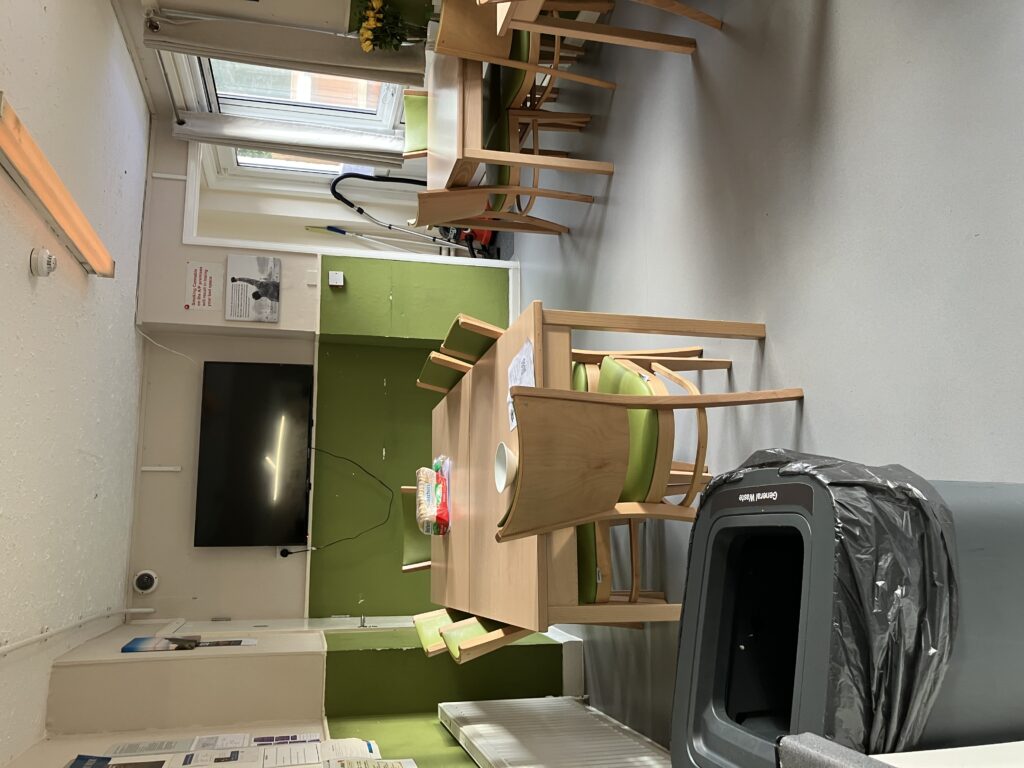
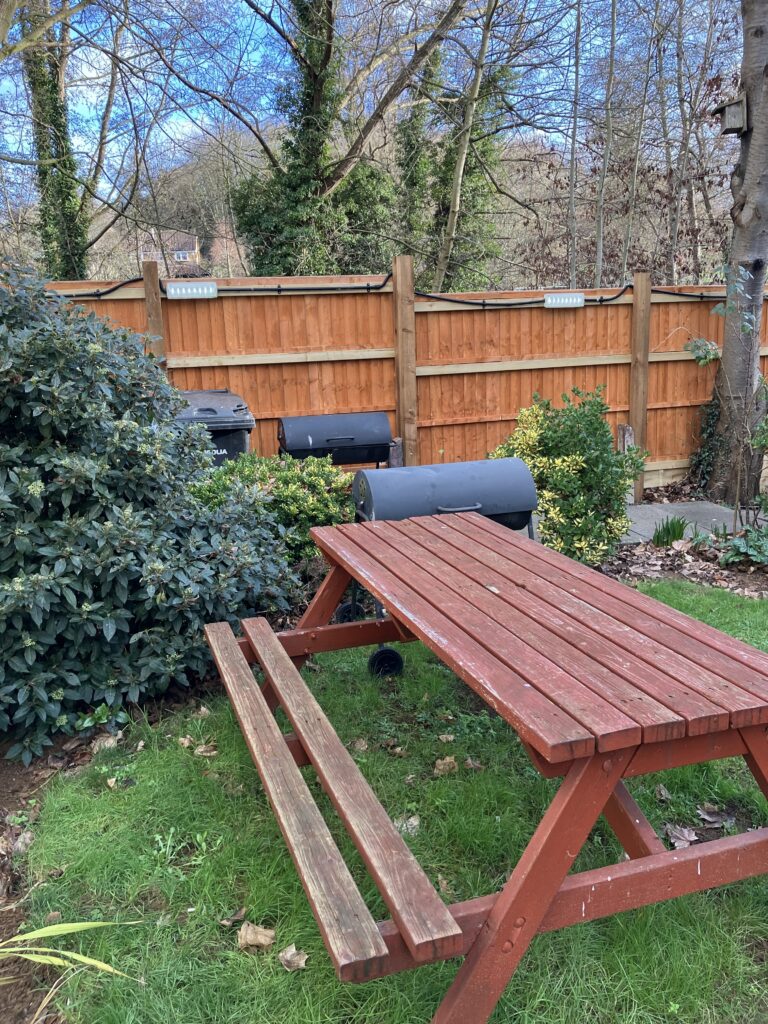
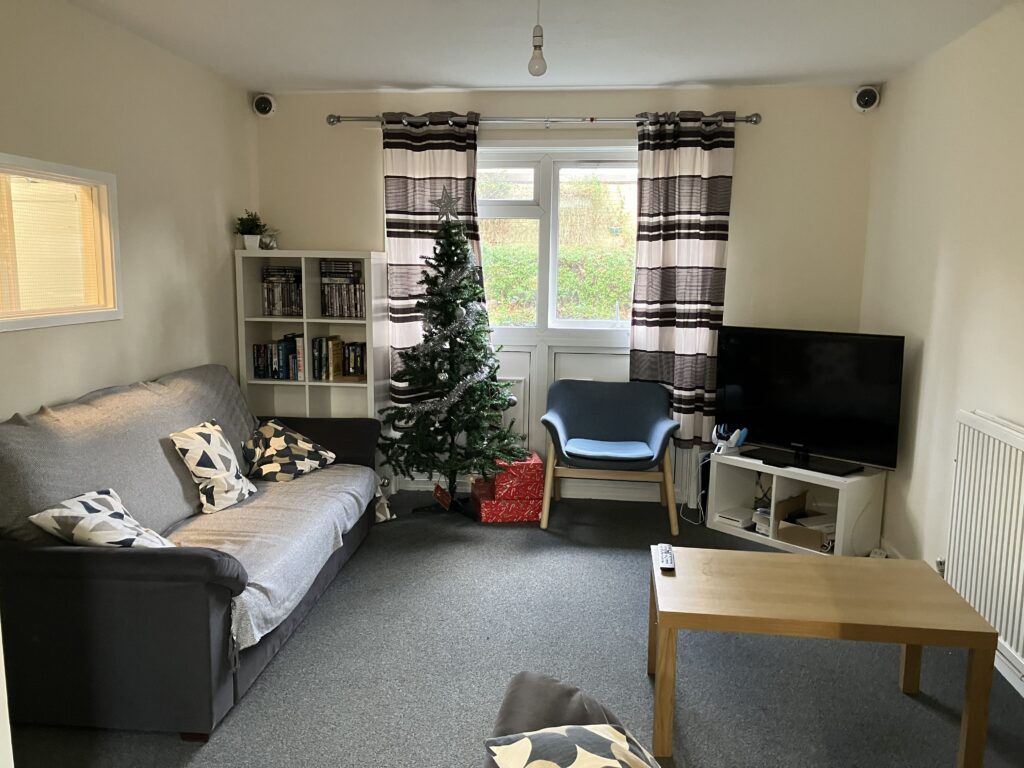
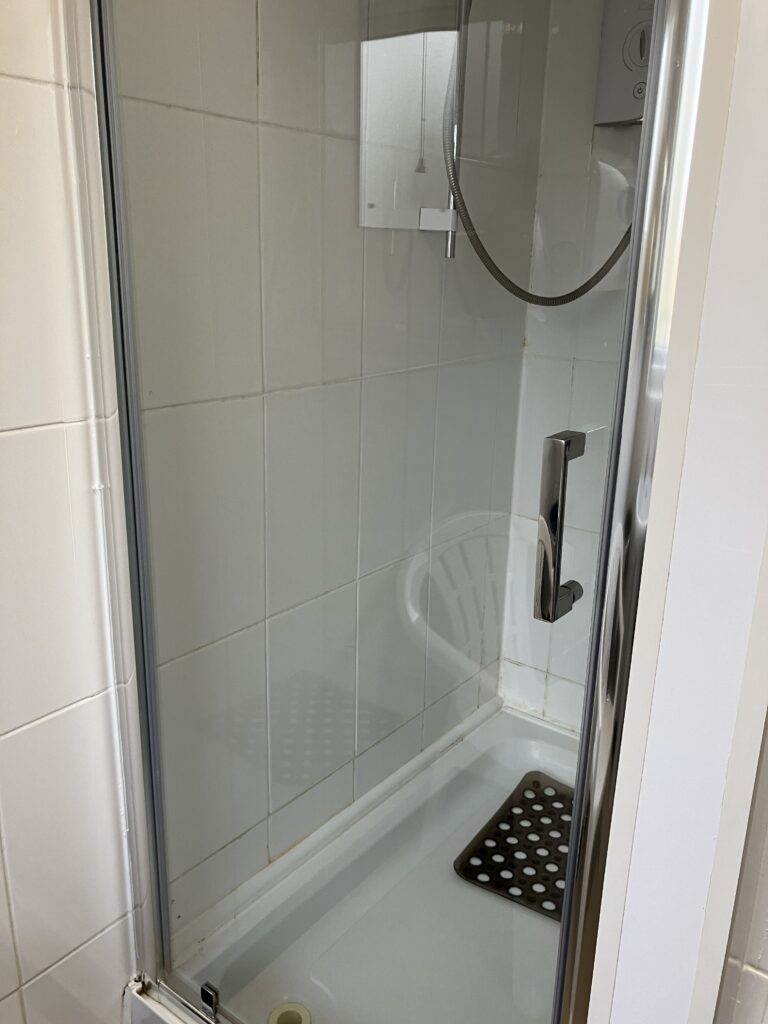
- The AP environment was clean and well‑maintained. Bedrooms and communal areas were presentable, and bathroom and shower facilities were kept to a good standard and designed for single use, providing appropriate space and dignity for residents.
Areas for improvement:
- Policy required that assessments of suicide and self‑harm risks were undertaken within two days of arrival and reviewed within 14 days. However, performance in this area had consistently fallen short of expected standards in the previous six months, and the quality of the assessments that had been completed varied, with important information not always reflected in case records. Although inspectors were assured that there were some mitigating systems, these gaps limited the reliability of risk management.
- Although behaviour‑management processes were in place and applied when required, they were not consistently recorded, and actions documented in paper files were not always reflected in electronic case records.
- Staff understanding and application of the welfare‑check policy varied. There were inconsistencies in the timing of additional checks, how long they continued, and how decisions were recorded. These variations, combined with limited managerial oversight, indicated that further clarification and training were required.
- Guidance and processes for room‑sharing assessments required strengthening. Residents were not always informed in advance that sharing might be required, and assessments determining suitability were not consistently reliable. Clearer procedures were needed to ensure decisions were safe, consistent, and fair.
- Maintenance and security‑equipment issues were not managed effectively. Inspectors were informed of ongoing faults with key security systems and delays in repairs, but the AP did not consistently record or track maintenance concerns. As a result, information about outstanding issues was not reliable or up to date, limiting effective oversight.
- Space constraints within the AP limited the suitability of the environment for residents and staff. The dining area could not accommodate all residents at peak times, and narrow corridors restricted movement. With only one interview room available, some resident meetings took place in the staff office, which not conducive to privacy due to frequent interruptions. These limitations affected the quality and confidentiality of interactions.
Public protection (Back to top)
| The approved premises effectively protects the public. | Rating |
| Requires improvement |
Strengths:
- The AP was represented appropriately at Multi‑Agency Public Protection Arrangements (MAPPA) meetings. Regular liaison with the local MAPPA coordinator also supported awareness of out-of-area cases residing in the AP.
- There were strong and established relationships with a range of partner agencies, which supported effective information sharing and contributed to public protection. Staff maintained effective working relationships with local policing teams, and there were processes for sharing relevant risk information with agencies delivering rehabilitative services to residents.
- The AP conducted a high volume of alcohol tests, supported by a robust scheduling process that ensured daily random testing. Recording practices for tests and results were strong.
- A review of out‑of‑hours recall decisions made in the previous three months found that staff were effective in assessing and managing emerging risks within the AP, and that these decisions were recorded accurately.
- Staff demonstrated an effective response to safeguarding and risk‑related concerns, acting promptly when potential harms were identified.
Areas for improvement:
- In line with national AP protocols, allocation decisions were made by the Central Referrals Unit (CRU) with limited involvement of local management. The AP received a high volume of short‑notice referrals, influenced in part by national actions to manage prison capacity, reducing staff time to plan effectively for residents’ arrivals.
- Allocations were frequently made without sufficient consideration of the existing resident profile or the specific characteristics of the AP’s location. This sometimes led to ill-suited placements that affected the overall stability of the AP.
- During the fieldwork, inspectors identified instances where the AP had been overbooked. On one recent occasion this had placed significant pressure on the service, as national processes did not operate as intended and the responsibility for resolving the overbooking fell locally. This had increased workload and operational strain, and required the cancellation of planned placements, which had affected the residents.
- Handover processes were inconsistent and did not reliably support the safe management of residents. While we observed one handover that followed a structured format and enabled clear sharing of risk information, we also observed another that lacked sufficient detail and did not give staff the information needed to maintain safety, particularly for those returning after time away from the AP. Recorded handover entries on nDelius (the probation case management system) were also limited in scope and did not consistently capture relevant observations about residents’ behaviour, activities, associations or emerging risks. Across the inspection, there was little evidence that risk‑related information was routinely documented within electronic case records.
- Information sharing with probation practitioners, particularly about risk, needed to be prioritised. Evidence of effective collaboration between AP staff and probation practitioners to protect the public was present in only half the inspected cases.
- Drug testing in APs was mandated by legislation requiring all residents to undergo two tests during their placement. Before the inspection, evidence was submitted showing all drug tests conducted in the previous three months. While these records confirmed regular testing, this was only reflected in some of the inspected cases.
- Recording practices needed strengthening across all areas, including handovers, information sharing, enforcement activity, and drug testing. This was particularly important because accurate and timely recording ensured probation practitioners had the information they needed to manage risk effectively.
Rehabilitation (Back to top)
| The approved premises delivers activity to reduce reoffending. | Rating |
| Requires improvement |
Strengths:
- The AP manager maintained positive working relationships with external agencies, which supported effective collaboration in meeting residents’ needs. Strong partnerships were evident across healthcare, substance misuse services, and peer support initiatives, ensuring residents had access to essential interventions. The manager had also taken proactive steps to secure future opportunities, including employability provision and therapeutic music sessions.
- Staff demonstrated values and attitudes that supported residents’ rehabilitation, with interactions observed during the inspection being consistently positive, professional, and underpinned by care and compassion. The majority of residents interviewed also reported feeling respected and supported by staff.
- Most residents received a suitable and timely induction, and feedback from residents was generally positive, with the majority rating their induction as good or excellent.
- The AP offered a range of meaningful rehabilitative activities, delivered both in‑house and through strong external partnerships. A residential worker led the development of internal provision, and during the fieldwork we observed an engaging cooking skills session that was effective in involving residents.
Areas for improvement:
- Residence plans were not completed, which meant that the rehabilitative activities offered at the AP were not consistently aligned with the work delivered by the PDU. This was reflected in the case sample, where only half the inspected cases showed clear alignment between AP activities and PDU-led work.
- Although a range of activities was available to residents, engagement was limited for some, and there was little evidence of strategies to encourage participation. In only two of the eight inspected cases were residents involved in activities that supported their needs and built on their strengths appropriately. In addition, the delivery of activities did not always demonstrate clear consideration of diversity, which reduced their relevance and accessibility for some residents.
- Pre‑arrival planning processes were in place, with the AP administrator sending relevant information to the prison offender manager. However, this process only applied when referrals were made sufficiently in advance. In practice, evidence of pre‑arrival communication was recorded in only one of the eight inspected cases.
- Keywork delivery was inconsistent in quality, frequency, and recording. Only two of the eight cases inspected in the case sample showed evidence of regular keywork, and just one case demonstrated sessions that were judged to be of good quality and meaningful. Overall, records indicated limited outcomes from keywork, with little evidence of proactive referrals or intervention delivery. Feedback from residents reflected this variability, with most rating their keywork as fair to good, while some reported poorer experiences.
- Move‑on planning largely relied on liaison between the AP manager and probation practitioners, and required further development to ensure residents were consistently supported in preparing for their transition into the community. Only half of the eight inspected cases had a clear move‑on plan in place, and there was no evidence that housing‑specific support was available to residents.
Press release (Back to top)
Bridgewood Approved Premises in Northampton, rated ‘Requires improvement’ following inspection
Further information (Back to top)
This inspection was led by HM Inspector Claire Andrews, supported by a team of inspectors and colleagues from across the Inspectorate. We would like to thank all those who helped plan and took part in the inspection; without their help and cooperation, the inspection would not have been possible.
Images (Back to top)