An inspection of Crowley House Approved Premises
Foreword (Back to top)
Our inspection of Crowley House Approved Premises (AP) found many strengths. The service had a positive, relational culture, with staff engaging well with residents and delivering high-quality rehabilitation work. Residents benefited from a well-developed and responsive programme of activities and interventions that supported their progress towards more independent living.
A notable feature of the service was the strong partnership between His Majesty’s Prison and Probation Service (HMPPS) and National Health Service (NHS) colleagues. Leaders across both organisations showed clear alignment of values and a shared commitment to delivering psychologically informed, relational practice. This collaborative approach supported consistent decision-making and contributed to a supportive and psychologically safe environment for both residents and staff.
However, there were important areas requiring improvement. Staffing arrangements were not sufficient to meet the level of complexity and need presented by the resident group, particularly during evenings and weekends. In addition, the deployment of male staff within the premises was not aligned with policy or with recognised best practice for delivering trauma-informed services for women. Given the specific needs of the resident group, this was an area for leaders to address to ensure that the environment remained safe, consistent, and responsive to women’s needs.
Relationships with local police also required further development, both to strengthen safeguarding arrangements for residents and to support the effective management of risks posed to others.
Overall, Crowley House was delivering a service that made a positive difference, and we have rated it as ‘Good’. Its strong relational culture, commitment to partnership working, and high-quality rehabilitative offer provided a solid foundation for further improvement. By addressing the areas identified in this report, the service is well placed to build on its strengths and improve outcomes for the women it supports.
Martin Jones CBE
HM Chief Inspector of Probation
Background information (Back to top)
| Total number of approved premises nationally | 105 |
| Length of time on site by inspectors, including out-of-hours activity | Two days |
| Total number of beds in Crowley House | 20 |
| Average length of residents’ stay at Crowley House | 70 days |
Nationally
APs play a vital role in managing some of the highest-risk individuals supervised by the Probation Service. There are 105 APs across England and Wales, most of which are for men only, with eight dedicated to women. Twelve APs operate as psychologically informed planned environments (PIPEs), co-commissioned with NHS England. Fifteen APs are independently run by third-sector providers under contract and in partnership with HMPPS, including five of the eight women’s APs.
Locally
Crowley House was a women-only PIPE AP located in the Midlands. This was our second inspection of a PIPE facility and our second inspection of a women’s AP. The premises provided 20 single-occupancy bedrooms. Twelve were located in the main building at the front of the site, with a further two flats at the rear, each containing three bedrooms arranged over two floors. In addition, there was a separate two-bedroom cottage situated within the grounds, set apart from the main building. A progression model was in place to support residents who were engaging well and demonstrating sustained positive behaviour to move from the main building into one of the flats and, where appropriate, into the cottage as part of their preparation for independent living. At the time of the inspection, 15 people were in residence.
Our inspection methodology
We carried out the inspection of Crowley House during the week commencing 20 April 2026. This included an off-site review of eight cases involving individuals who were either resident at the time of inspection or had recently left the premises.
During the on-site fieldwork, we observed practice and held interviews with managers and staff, both individually and in group settings, as well as with NHS colleagues. We gathered feedback from nine residents about their experiences of the service. In addition, we observed out-of-hours operations, including the evening shift handover and the morning meeting, and reviewed recent enforcement and recall decisions.
Ratings (Back to top)
| Fieldwork started April 2026 | Score 9/15 |
| Overall rating | Good |
| Standard | Score | Rating |
| Leadership and governance | 2 | Good |
| Staffing | 1 | Requires improvement |
| Safety | 2 | Good |
| Public protection | 1 | Requires improvement |
| Rehabilitation | 3 | Outstanding |
Recommendations (Back to top)
As a result of our inspection findings, we have made the following recommendations that we believe, if implemented, will have a positive impact on the quality of services delivered at Crowley House.
The Crowley House leadership team should:
- develop and publish a clear vision for the AP that sets out its delivery model, aims and objectives
- improve equity, diversity and inclusion (EDI) arrangements to ensure that residents’ individual needs are consistently identified and addressed in line with policy, and that facilities are responsive to diverse needs
- strengthen management oversight by ensuring that all management decisions are clearly recorded on electronic systems and are sufficiently detailed
- develop and strengthen engagement with local police to support effective information-sharing, safeguarding, and risk management
- strengthen public protection arrangements by improving the identification, analysis and recording of risk and safeguarding concerns.
His Majesty’s Prison and Probation Service should:
- take urgent action to ensure that staffing levels are sufficient for the AP to operate safely, informed by the findings of the national AP activity and resourcing review
- review the deployment of male staff to ensure that the service is consistently responsive to women’s needs and aligned with policy and best practice
- provide training and support for staff in how to apply the Collaborate Assessment of Risk and Emotion (CARE) process effectively.
Leadership and governance (Back to top)
| Leadership and governance drive the delivery of a high-quality service. | Rating |
| Good |
Strengths:
- Crowley House demonstrated a clear identity as a women PIPE AP, with a warm and welcoming environment. A gender-responsive, relational approach was embedded in day-to-day practice and applied consistently by staff.
- The AP had achieved and sustained the Royal College of Psychiatrists’ Enabling Environment Award, reflecting a consistent approach to practice that promoted constructive relationships and psychological safety. Residents spoke positively about their experiences at the AP, describing staff and leaders as supportive and respectful.
- Leadership across HMPPS and NHS was cohesive and collaborative. There was a clear alignment of values, which supported consistent decision-making and a unified approach to service delivery. Effective forums were in place to enable professional challenge and reflection within a psychologically safe space.
- Leaders were visible and proactive in maintaining a positive culture, responding constructively to emerging issues and engaging openly with difficult matters. They took timely action where required, reinforcing clear professional expectations.
- Residents’ views were actively sought through structured feedback arrangements, and there was clear evidence that this feedback was used to inform service improvements. Opportunities were in place for residents to share their experiences openly, and leaders responded constructively, using this insight to shape and adapt the service in line with residents’ needs.
- Effective multi-agency partnerships were well established and routinely used to support positive outcomes for residents. A broad range of community services worked collaboratively with the AP, providing support across areas such as health, wellbeing, accommodation, employment and substance misuse. These partnerships were embedded in practice and enabled residents to access appropriate support and opportunities.
- There was a strong performance culture, with the AP manager maintaining a clear and sustained focus on performance management. This had resulted in significant improvements, and performance had remained strong across national service level measures in the six months before the inspection.
- Quality assurance activity was evident at both local and national levels, providing oversight of practice and supporting service improvement. The AP manager undertook regular observations of keywork and handover activity, enabling direct feedback to staff, while the area manager had begun dip-sampling work to assess quality across the service. National oversight arrangements also reviewed key areas of practice, and where inconsistencies were identified, these were addressed promptly by local leaders.
- Continuous improvement was actively promoted through reflective practice and professional development, embedded within the PIPE framework. Staff were supported to reflect on and adapt their practice, informed by psychological formulations that guided tailored approaches to working with residents. In addition, leaders ensured that training was responsive to identified needs. Bespoke training was provided for support staff to ensure they developed the knowledge and skills required to work effectively with a complex resident group.
Areas for improvement:
- Although Crowley House had a clear identity as a female PIPE AP, this was not underpinned by a documented vision specific to the service. The existing area-level vision covered a cluster of premises but did not sufficiently reflect or differentiate the distinct role of Crowley House and the support it delivered, particularly given its specialist provision for women.
- There was no established relationship with the local police, which limited opportunities to share intelligence and strengthen public protection arrangements. Substance misuse among residents was reported to contribute to other residents feeling unsafe. Although leaders had taken steps to address this through referrals to specialist services and the use of enforcement and improvement planning processes to manage residents’ behaviour, stronger engagement with local police, particularly through a more visible presence via police visits, would have further enhanced these arrangements.
- While some local quality assurance activity was in place, case inspection identified gaps in the quality and completeness of electronic recording, and at times key information was absent or insufficiently detailed. This highlighted the need for a more comprehensive and varied approach to quality assurance, applied consistently across all areas of practice, to ensure that both practice and performance were fully evidenced.
- EDI data relating to the resident group was routinely collected and analysed at a strategic level. However, this did not consistently translate into day-to-day practice. Case inspection identified that diversity needs were not always fully understood or addressed. Gaps remained in key areas; for example, there were no transgender case boards and no dedicated facilities to store and prepare halal food.
Staffing (Back to top)
| Staff are enabled to deliver a high-quality service for residents. | Rating |
| Requires improvement |
Strengths:
- New staff received a structured and comprehensive induction, supported by national guidance. This included completion of mandatory training, shadowing experienced colleagues, referral to the national four-day induction programme, and bite-size training sessions covering specific areas of practice. In addition, staff completed a dedicated PIPE-specific induction, ensuring they were well prepared to deliver work within this specialist environment.
- All staff received regular, structured supervision in line with national policy requirements for frequency and content, and written records were provided following each session. In addition, staff had access to regular clinical supervision, which enabled them to reflect on their experiences and the emotional impact of their work.
- A range of effective measures were in place to promote and support staff safety and wellbeing. Staff benefited from both formal and informal support, and managers were visible and accessible. Robust safety arrangements were embedded, including ‘safe systems at work’ processes, whereby all referrals were assessed by the AP manager and clinical lead to determine whether specific arrangements were required to safeguard staff.
- Positive, respectful and professional relationships between staff and residents were evident throughout the inspection, underpinned by a strong relational ethos. Residents’ feedback was consistently positive. They described staff as supportive, non-judgemental and respectful, and reported that they were treated with dignity. The strength of these relationships extended beyond residents’ time at the AP, with many maintaining contact after leaving.
- There were regular and well-established opportunities to consider residents’ individual needs, supported by structured daily forums and reflective practice. Staff routinely discussed residents’ circumstances and wellbeing, and were guided by psychological formulations that set out individual needs and informed tailored approaches to engagement and support.
- Concerns about underperformance or workplace conflict were identified promptly and addressed in line with human resources policies. Leaders took a proactive and proportionate approach, with a clear emphasis on early resolution and supportive intervention to maintain professional standards.
Areas for improvement:
- Although staffing levels aligned with the agreed model and there were no vacancies, they did not sufficiently reflect the high level of complexity and need within the resident group. During evenings and weekends, when risks such as self-harm and substance misuse were more prevalent, the deployment of only two staff was not sufficient to provide the level of support, oversight and monitoring required to manage residents safely and effectively.
- The deployment of male staff within the AP was not consistent with policy or best practice for delivering trauma-informed, gender-responsive services for women. While local arrangements were in place that male staff were not to enter residents’ rooms, these did not provide sufficient assurance. In practice, staff may be required to enter rooms to respond to incidents or to support colleagues in managing risk, meaning this restriction could not be relied upon in all circumstances. As a result, the arrangements did not adequately mitigate the potential impact on residents. This approach was not aligned with national guidance and risked undermining the creation of a psychologically safe environment for residents, many of whom had experienced trauma.
- While completion rates for mandatory training were strong, recording of additional and role-specific development activity was not always captured. This limited leaders’ ability to maintain full oversight and assurance of workforce capability.
- Opportunities for further development were identified to strengthen staff knowledge and consistency of practice across key areas. There were gaps in their understanding of procedures, particularly in relation to room searches and applying the CARE process to manage risks of suicide and self-harm.
- Management oversight was evident across the cases inspected but lacked sufficient depth and consistency. Oversight activity was often limited to countersigning key documents, with limited recorded rationale for decisions. While daily meetings provided a structured forum to review risk and share information, decisions were not consistently recorded on case management systems.
- Some tensions were evident between staff roles, which affected team dynamics. These were linked to operational arrangements that placed additional demands on some staff groups and were not always reciprocal, leading to increased pressure and some inconsistency in workloads.
Safety (Back to top)
| The approved premises provides a safe, healthy, and dignified environment for staff and residents. | Rating |
| Good |
Strengths:
- Assessments of suicide and self-harm risks were completed promptly in all inspected cases and were reviewed in line with policy. These were of good quality, demonstrating appropriate consideration of individual needs and supported by effective use of available information to inform risk management and support planning.
- Medication management was safe and compliant with policy and legislative requirements. Clear processes were in place for administering, storing and auditing medication, and staff demonstrated competence in this area. Robust oversight arrangements ensured that any discrepancies were identified and addressed promptly, supporting safe and effective practice.
- Staff took appropriate and timely action to safeguard residents. They responded effectively to concerns through measures such as increased monitoring, removal of potential hazards and seeking medical support where required. They also demonstrated a good understanding of safeguarding risks, including when residents were under the influence of substances, ensuring that appropriate actions were taken to maintain safety.
- Oversight of residents’ behaviour was effective, with strong compliance with the welfare check policy. These processes were well understood and consistently applied by staff, with clear evidence of management oversight recorded within case records.
- Residents had a clear understanding of the behaviour expected of them, supported by consistent reinforcement of rules and expectations in day-to-day practice. Staff were confident in addressing non-compliance and did so in a way that was clear, proportionate and respectful, ensuring that boundaries were maintained while preserving positive relationships.
- The AP operated a progression-based regime that supported residents to work towards independent living. The layout of the premises included a mix of accommodation offering increasing levels of independence, enabling residents to move on as they made progress and their risks reduced. This approach provided opportunities to develop practical living skills while ensuring that those requiring higher levels of support remained closer to staff oversight.
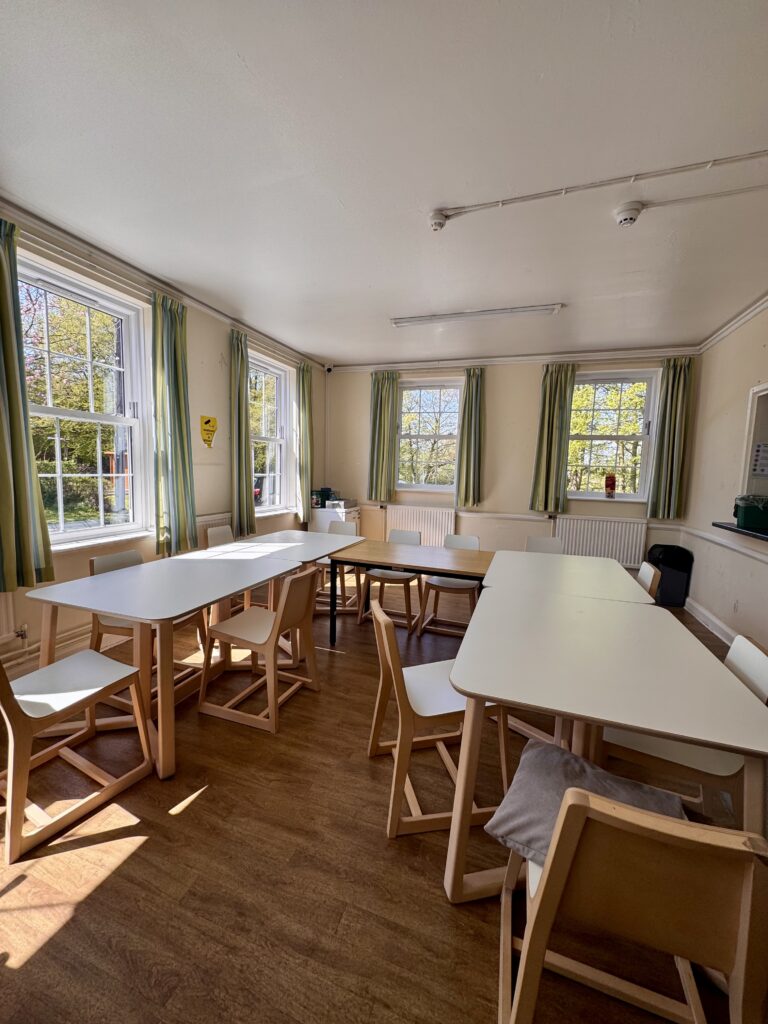
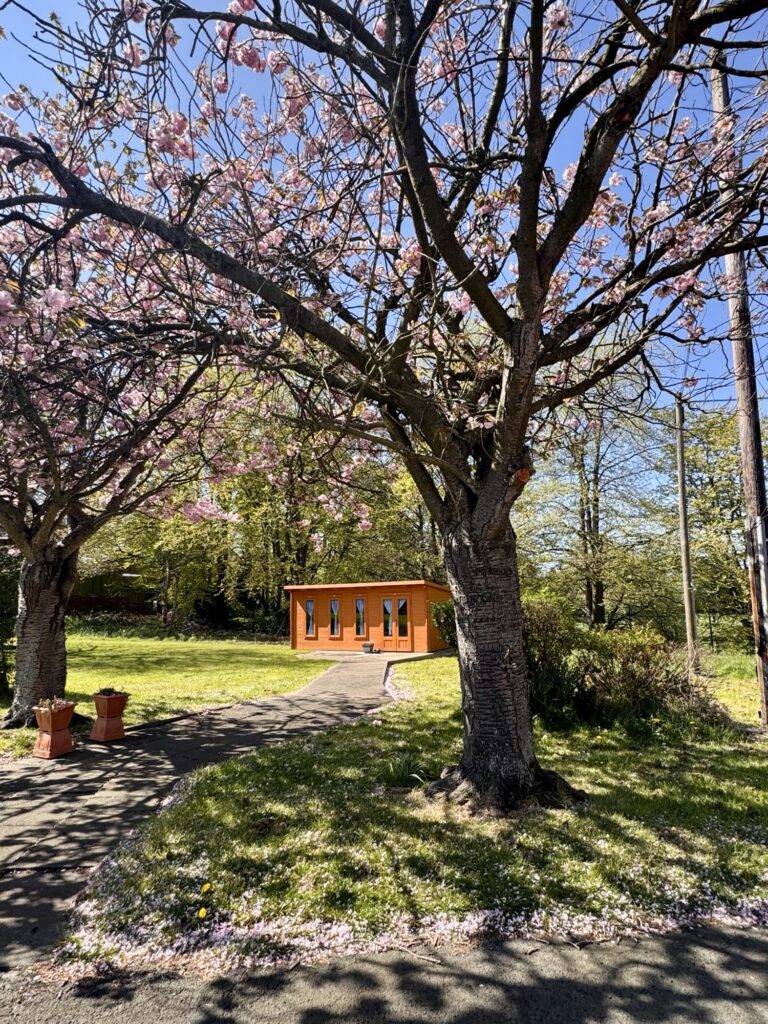
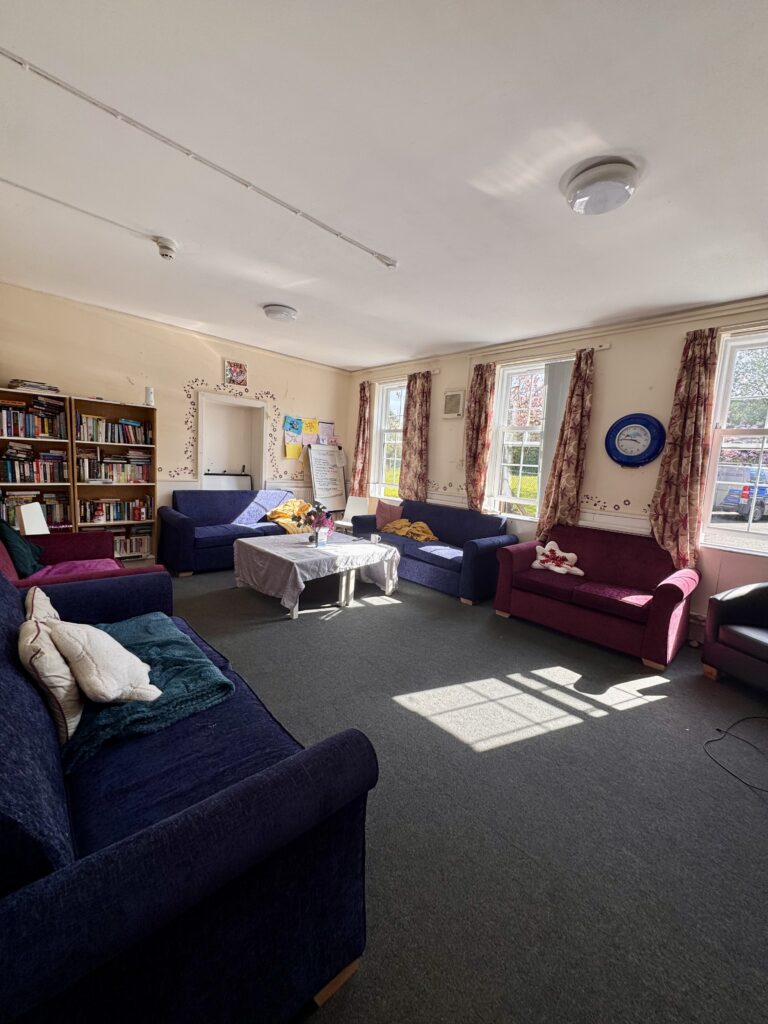
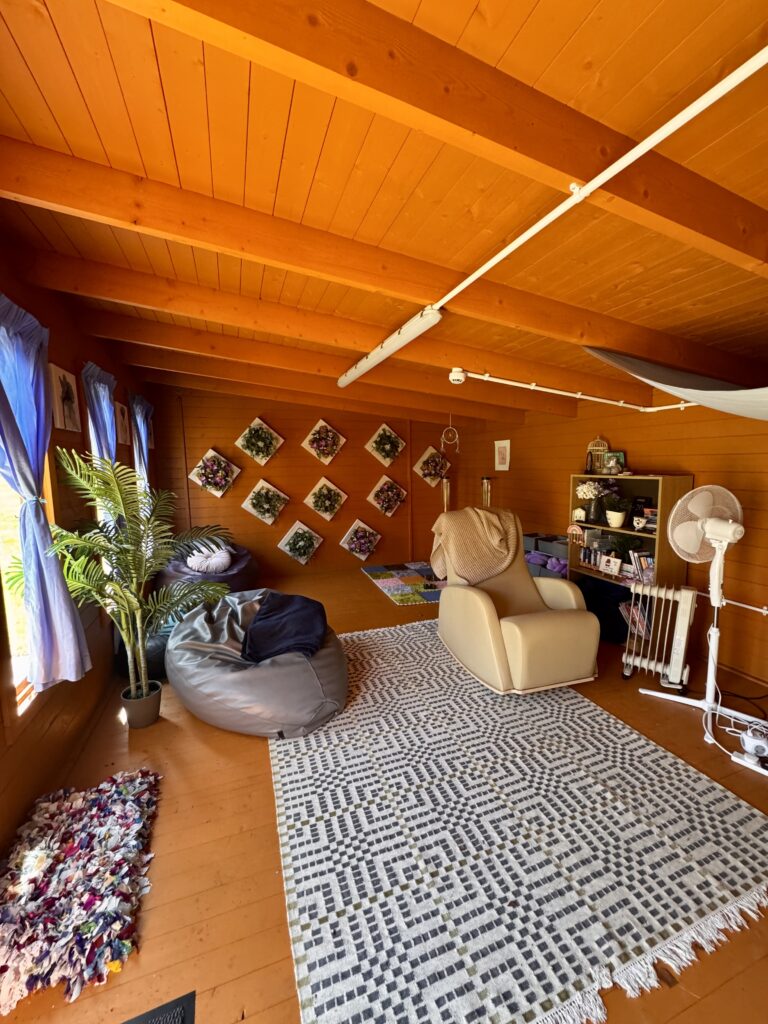
- The wider environment was clean, welcoming and homely, and communal areas were well maintained and presented. Residents had access to a variety of shared spaces, as well as extensive outdoor grounds. The presence of additional spaces, including a summerhouse with a sensory room, provided opportunities for relaxation, quiet reflection and therapeutic activity.
Areas for improvement:
- There were gaps in staff knowledge and application of the CARE process used to manage imminent risks of suicide and self-harm. In some cases where the process should have been initiated, this did not occur, and where it had begun, key elements were not consistently completed.
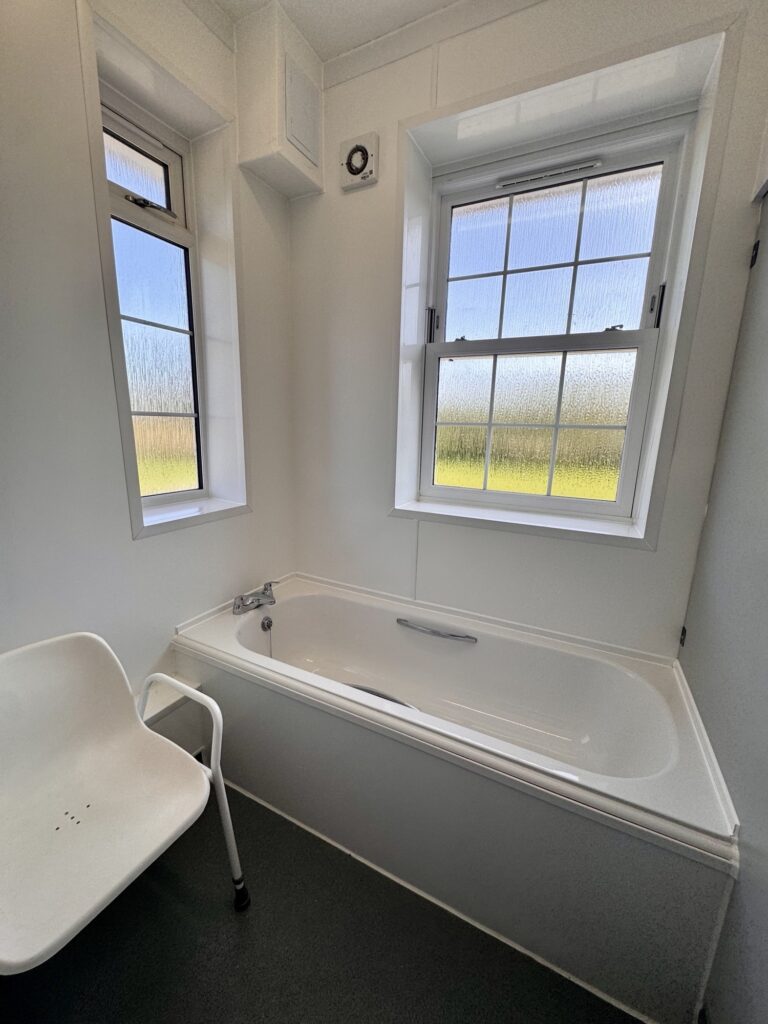
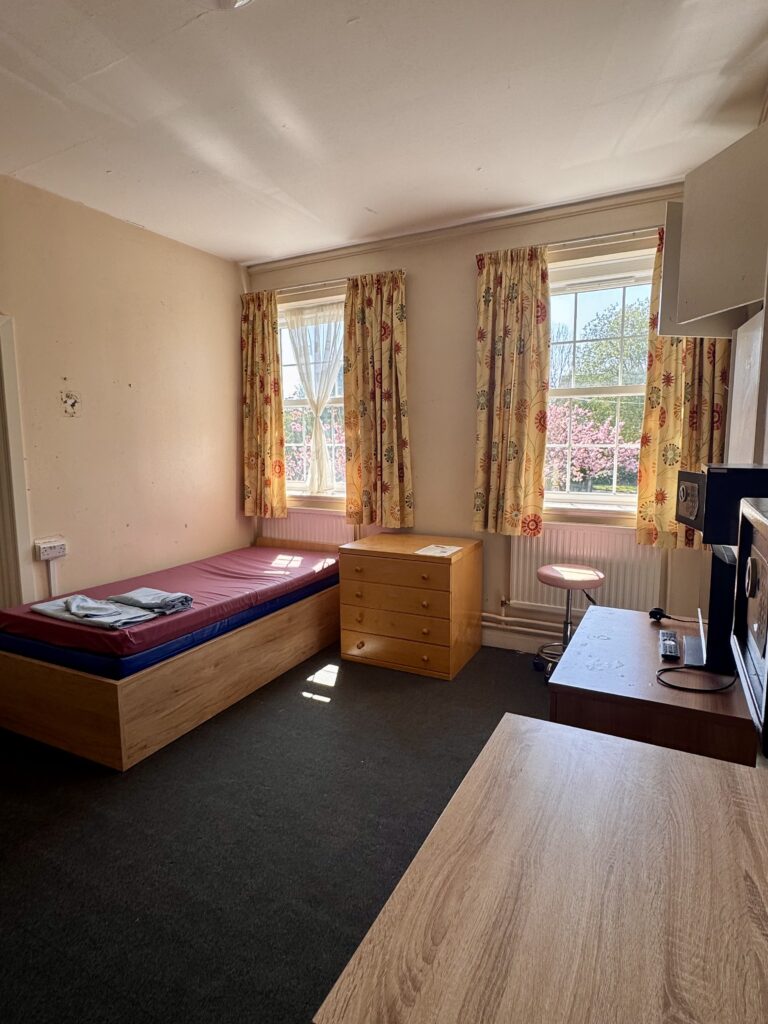
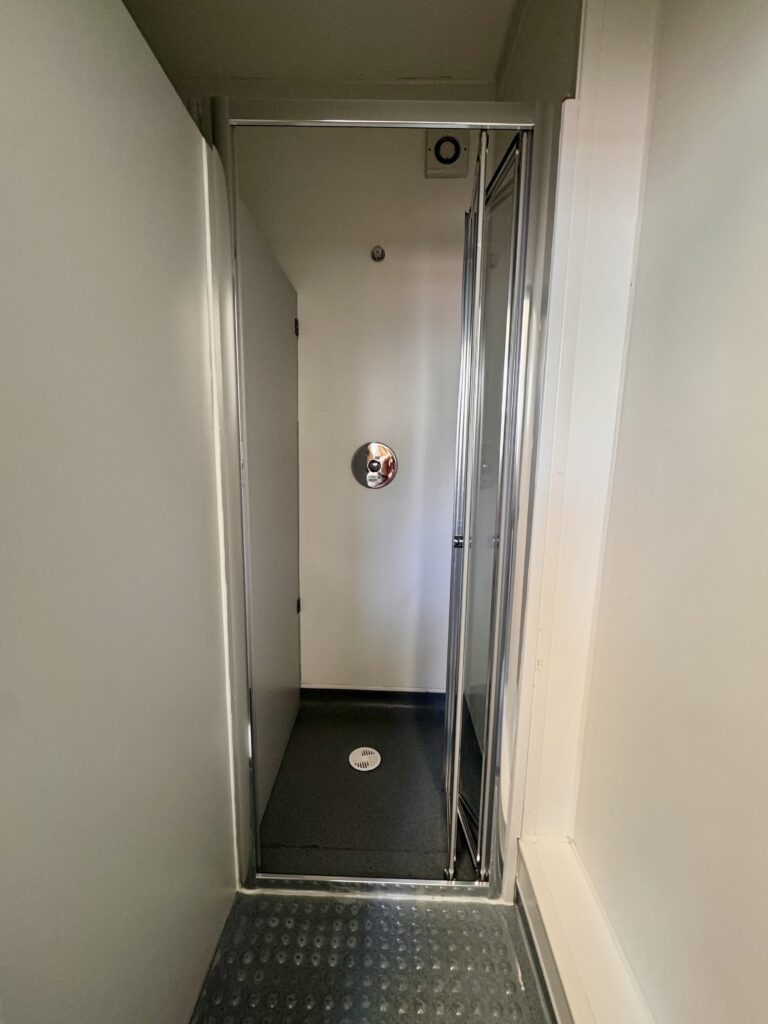
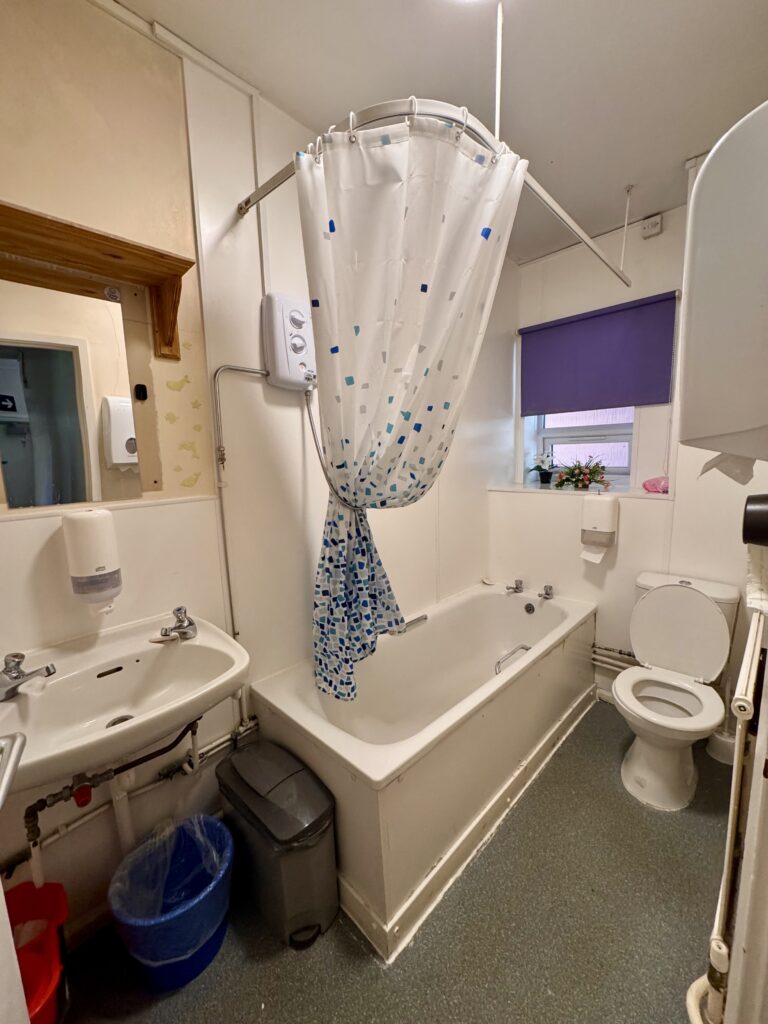
- Bedroom conditions were not of a sufficient standard, with dated furnishings and décor, reports of unpleasant odours and concerns about the quality of mattresses. The quality of shower and toilet facilities was also inconsistent, with some areas in poor condition and one shower out of use due to legionella concerns. These issues highlighted the need for improvements to ensure that the accommodation and facilities were consistently clean, comfortable and fit for purpose.
- Staff did not consistently wear safety belts, which are designed to carry essential emergency equipment, including naloxone and ligature knives. This reduced the level of assurance that staff could respond promptly and effectively to incidents.
Public protection (Back to top)
| The approved premises effectively protects the public. | Rating |
| Requires improvement |
Strengths:
- The AP had appropriate oversight of and influence in the allocation of residents, with the AP manager and clinical lead actively involved in placement decisions. There was a positive and constructive working relationship with the central referral unit, which enabled collaborative and informed decision-making. Placements were considered carefully. There was flexibility where necessary to respond to risks and capacity pressures while maintaining a focus on the suitability of potential residents.
- Information-sharing with the probation delivery unit (PDU) and partner agencies was generally effective and supported coordinated approaches to risk management. Positive working relationships with a range of partners enabled clear communication and collaborative working, including regular joint discussions to manage risk, a visible presence within the local PDU, and appropriate representation at multi-agency public protection arrangements meetings.
- Alcohol testing was well embedded and used effectively to monitor compliance and manage escalating risk.
- Enforcement processes were applied appropriately to manage escalating risk, with timely and proportionate decisions made, including out-of-hours.
Areas for improvement:
- Recording practices required strengthening across a range of areas, including enforcement decisions, safeguarding activity, and information-sharing. In some cases, enforcement activity was not sufficiently detailed, with limited evidence of how decisions had been communicated or developed with residents.
- Greater emphasis on wider risk and safeguarding issues was needed, particularly in relation to the risks residents posed to others. Practice in this area was inconsistent, with a tendency to focus more on residents’ wellbeing than on the potential harm they may present. Opportunities were missed to fully assess and manage these risks, including during room searches, handovers and routine discussions. In some cases, staff did not demonstrate sufficient understanding of residents’ offending histories or risk factors.
- Legislation required all residents to undergo a minimum of two drug tests during their placement; however, while initial testing was completed promptly, the follow-up test was not consistently undertaken, limiting assurance that risks were being fully monitored and managed.
- Links with local policing were not well established, which limited opportunities for effective information-sharing and joint working. Given the vulnerabilities of the resident group and the risks they posed to others, closer and more coordinated engagement with the police would have strengthened public protection arrangements.
Rehabilitation (Back to top)
| The approved premises delivers activity to reduce reoffending. | Rating |
| Outstanding |
Strengths:
- Strong partnership arrangements were in place, which enabled residents to access a wide range of support and interventions. The AP worked collaboratively with specialist services to address needs related to substance misuse, health, accommodation, employment and wellbeing, which supported residents’ engagement and promoted rehabilitation.
- The AP provided a well-developed and varied programme of rehabilitative activity, supported by a structured weekly timetable that offered residents regular opportunities for engagement. Activities were diverse and responsive to need, incorporating both structured interventions and more informal sessions to promote wellbeing, skills development and social interaction. The offer was reviewed and adapted regularly to reflect the changing resident group, with opportunities for residents to contribute to planning.
- Therapeutic support was also available to residents through clinical input, and rehabilitative activities were appropriately aligned with probation practitioner work in the majority of inspected cases.
- Residents received a timely two-stage induction process, in line with service level expectations. Case inspection found that this was delivered appropriately in most instances, and feedback from residents was generally positive, with many reporting a good or excellent experience on arrival.
- Keywork was delivered regularly and was effective in supporting residents’ rehabilitation. In most cases, sessions were meaningful and of good quality, demonstrating strong relationship-based practice and an appropriate focus on risk management and behaviour change. Residents reported positive experiences, describing staff as supportive and helpful. Keywork was also subject to regular oversight, and included appropriate signposting and referrals to relevant services to support residents’ reintegration into the community.
- Relational practice was embedded throughout the work at the AP and consistently underpinned staff interactions and service delivery. Staff demonstrated compassion, care and professionalism, supporting residents to engage in meaningful rehabilitative work within a safe and respectful environment.
- A range of provision was in place to support residents to move on. This included a progression-based regime to build independence, access to structured psychological support to help manage transition, and dedicated housing support offering practical assistance with accommodation. Where necessary, leaders took steps to prevent homelessness, including extending placements to support continuity and stability at the point of move-on.
Areas for improvement:
- Recording was inconsistent across a range of practice areas. While it was generally taking place, records did not always fully capture the work undertaken and some were not sufficiently detailed or clear. Case records showed limited evidence of pre-arrival contact, although residents confirmed that this was happening. This reduced the extent to which activity could be evidenced and indicated a need to strengthen recording to ensure it accurately reflected engagement and the quality of work delivered.
Press release (Back to top)
“Many strengths” found at Crowley House Approved Premises rated ‘Good’ following inspection
Inspection response letter (Back to top)
Further information (Back to top)
This inspection was led by HM Inspector Claire Andrews supported by a team of inspectors and colleagues from across the Inspectorate. We would like to thank all those who helped plan and took part in the inspection; without their help and cooperation, the inspection would not have been possible.
Images (Back to top)