An inspection of Pennywell House Approved Premises
Foreword (Back to top)
Our inspection of Pennywell House Approved Premises (AP), in Sunderland, was our third within the North East region. We found a committed and capable staff team delivering a good service to men with complex needs and risks. Residents were treated with dignity and respect, and relationships between staff and residents were positive and purposeful.
Since the appointment of a new AP manager in December 2025, Pennywell House had begun a period of stabilisation and improvement. Staff described leaders as approachable and supportive, with early efforts focused on building trust, improving communication, and supporting staff wellbeing. Although this work was still developing, it was already having a positive effect on morale and teamwork, and there was a clear shared purpose across the AP.
Staffing was a clear strength. Staff demonstrated a strong knowledge of residents and confidence in managing risk. Keywork was a particular strength and was consistently purposeful, supporting residents’ wellbeing, resettlement, and progress. Leaders managed resources effectively to maintain safe and consistent service delivery, despite the constraints of a small building.
Public protection arrangements were effective. Staff shared information appropriately, maintained good oversight of risk, and used enforcement action proportionately. Multi-agency working was well established, which helped residents access a wide range of provision to address substance misuse, mental health, and resettlement needs. There was scope to enhance existing arrangements further through improved collaboration and visibility from the local police team.
However, inspectors found that the physical environment presented ongoing challenges. Long-standing facilities issues and limited space affected the quality and dignity of the environment for residents and staff and required sustained attention. Inspectors were also concerned about the impact of community tensions on some residents’ sense of safety and wellbeing. These matters were complex and not within the sole control of the AP but needed continued oversight and collaborative engagement with partners. It is important to stress that the good work taking place at this AP was helping to keep the community and the wider public safe.
Overall, Pennywell House delivered a good service in challenging circumstances.
With continued leadership focus and effective action to address environmental and partnership issues, the AP was well placed to build on its strengths and improve outcomes further.
Martin Jones CBE
HM Chief Inspector of Probation
Background information (Back to top)
| Total number of approved premises nationally | 105 |
| Length of time on site by inspectors, including out of hours activity | Two days |
| Total number of beds in Pennywell House | 17 |
| Average length of residents’ stay at Pennywell House | 33 days |
Nationally
APs provide 24-hour monitoring and supervision to their residents and are expected to engage them in interventions to reduce the likelihood of further offending. There are 105 APs in England and Wales. Most are for men only, with eight for women only. Twelve are psychologically informed planned environments, co-commissioned with NHS England. Fourteen APs are independent, including five of the eight APs for women. These are led mostly by third-sector providers. Independent APs are delivered under contract and in partnership with HM Prison and Probation Service.
Locally
Our inspection of Pennywell House AP, in Sunderland, was our 14th AP inspection overall, and our third within the North East region. It had a maximum occupancy of 17 males, aged 18 and over, and all rooms were single occupancy. The AP was a catered facility. At the time of our fieldwork, there were 11 residents in placement.
Our inspection methodology
We inspected Pennywell House during the week beginning 23 March 2026. This included the off-site inspection of eight cases relating to individuals who were either still resident at the AP or who had recently departed. While carrying out on-site fieldwork, we observed practice and interviewed managers and staff, individually and in groups. We also received feedback from five current residents about their experiences there. Our fieldwork included the AP’s ‘out-of-hours’ activities – specifically, the early morning and evening shift handover processes and a detailed analysis of recent enforcement and recall decisions.
Ratings (Back to top)
| Fieldwork started March 2026 | Score 8/15 |
| Overall rating | Good |
| Standard | Score | Rating |
| Leadership and governance | 1 | Requires improvement |
| Staffing | 2 | Good |
| Safety | 1 | Requires improvement |
| Public protection | 2 | Good |
| Rehabilitation | 2 | Good |
Recommendations (Back to top)
As a result of our inspection findings, we have made the following recommendations that we believe, if implemented, will have a positive impact on the quality of services delivered at Pennywell House.
The Pennywell House leadership team should:
- embed consistent supervision arrangements, management oversight, and quality assurance, including routine case audits and observations of practice
- improve staff and residents’ experience of safety and wellbeing, by proactive engagement with partners, particularly the police and local authority, to address community-related risks
- increase the range and meaningfulness of rehabilitative activities, ensuring that these reflect residents’ interests and are informed by feedback
- improve the quality of rehabilitative activity case recording, particularly that delivered by partner agencies
- increase the frequency and reliability of pre-arrival contact with residents, to support early engagement and reduce anxiety for those entering the AP
- ensure that medication storage arrangements comply fully with policy, to reduce risk and promote safe practice.
His Majesty’s Prison and Probation Service should:
- take urgent action to address facilities and security issues at Pennywell House, including unresolved damage, safety-critical repairs, and improvements to closed-circuit television and physical security
- review the long-term suitability of the premises, taking account of space, accessibility, and environmental limitations
- support improved partnership working, including clearer and more consistent engagement arrangements with the police to support reassurance, information sharing, and joint risk management.
Leadership and governance (Back to top)
| Rating | |
| Requires improvement |
Strengths:
- Since the appointment of the new manager in December 2025, there were clear signs of improvement in the culture at Pennywell House. Staff described the manager as approachable and responsive, with early efforts focused appropriately on stabilising the team, rebuilding trust, and improving communication. While this work was at an early stage, it had begun to have a positive influence on the culture of the AP, and inspectors were confident that continued leadership focus and time would embed these improvements further.
- The AP had developed a vision statement which was on display throughout the AP. It was clearly presented in an accessible format, making it easy for residents to understand. Staff across roles described a shared purpose centred on public protection, resident wellbeing, and helping residents move on safely.
- Staff described the environment as supportive and underpinned by a shared commitment to resident wellbeing and public protection. The AP manager was described as approachable, accessible, and responsive, often checking in informally with staff and demonstrating care for their wellbeing. Staff felt encouraged to progress professionally, with examples provided of leaders supporting development, training access, and progression into new roles.
- There were several mechanisms for seeking resident views actively. These included weekly informal ‘tea and toast’ sessions with the manager, routine resident meetings, exit surveys, and frequent ad-hoc conversations initiated by the AP manager.
- There was evidence of well-established multi-agency partnerships, which were routinely used to improve outcomes for residents and enhance public protection. As a consequence, there was a good range of services available for residents. There were effective relationships with local health services. The GP surgery, with which all residents were registered, and a local pharmacy worked closely with the AP to support timely access to healthcare, safe prescribing practices, and consistent medication provision.
- Some mechanisms for monitoring performance and quality were in place, including the use of performance trackers, monthly regional performance meetings, and managerial checks on key documents such as safety and support plans (SaSPs), residence plans, and medication-in-possession assessments. Pennywell House performed highly against national service level measures consistently, and the manager used team meetings and both formal and informal discussions with staff to address any deficits when they arose.
- Leaders demonstrated a commitment to learning and development. There was diligent tracking of staff’s completion of mandatory training packages, and the AP’s compliance with these national expectations was impressive.
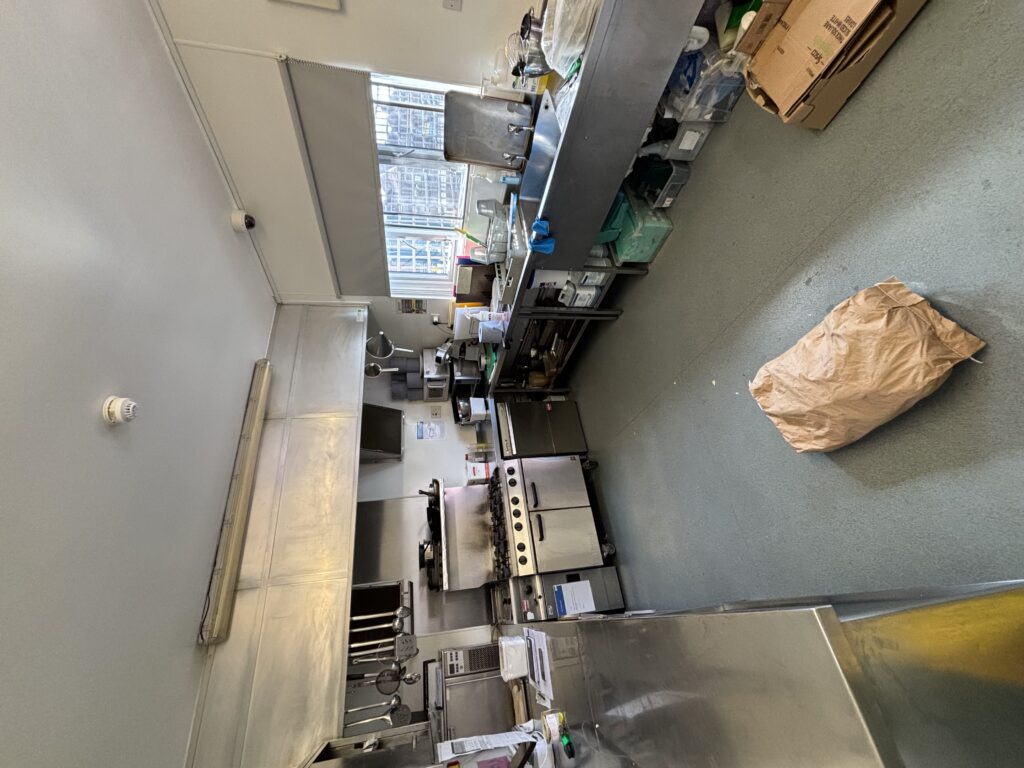
- Leaders and staff showed an awareness of residents’ individual diversity and health needs. Before residents’ arrival, keyworkers used a diversity and health needs proforma, and one probation services officer had developed a tracker to monitor this information so that it could be prioritised and shared appropriately among staff. We observed examples of responsive practice, such as the manager proactively working with the chef to develop tailored meal plans for individuals with specific health needs and ensuring that appropriate halal and kosher options were available when needed.
Areas for improvement:
- Of the five residents who provided feedback, only one reported that they “always” felt safe at the AP, while two stated that this was the case “sometimes”, and two “rarely”. These residents told us that they felt unsafe because of community tensions, rather than issues within the AP itself. As noted elsewhere in the report, ongoing community hostility and negative interactions had impacted residents’ sense of safety and wellbeing, and this needed continuing attention by senior leaders.
- Despite efforts by leaders, police engagement with and visibility at the AP were inconsistent, limiting reassurance and joint management of community-related risks.
- In several of the inspected cases, management oversight was not always visible. The manager was open with inspectors that formal quality assurance activity, including case audits and observations of practice, had not yet been embedded. During the early stages of her tenure, the manager had prioritised stabilising the team and building relationships, a sensible approach. Leaders welcomed the introduction of a new national quality assurance framework, due for implementation in the next financial year, and viewed this as an opportunity to strengthen oversight and assurance arrangements.
- Leaders and staff demonstrated a clear awareness of several operational challenges to delivering the service, including the size of the building (which was small and cramped), some persistent facilities failures (including broken windows, malfunctioning fire doors, and inadequate closed-circuit television (CCTV)), community hostility, and lacklustre police engagement.
- Although staff responded well in individual cases, the AP had not had a systematic or strategic approach to equity, diversity, and inclusion. There was no routine regional strategic analysis of diversity needs, which limited the AP’s ability to take a more strategic, whole-service approach to meeting diversity requirements.
Staffing (Back to top)
| Staff are enabled to deliver a high-quality service for residents. | Rating |
| Good |
Strengths:
- Leaders managed available resources to maintain service delivery well. The AP manager, supported by the AP administrator, monitored staffing levels closely, adjusted rotas, allocated tasks daily, and used annualised-hours staff to plug gaps where needed.
- The AP maintained sufficient staffing levels to manage the service safely and effectively. While some staff commented that having three residential workers (RWs) on shift at a time would be helpful when particularly busy, the standard two RW cover was generally sufficient, given the size of the AP and the maximum number of residents.
- Staff demonstrated a strong commitment to maintaining cover, showing a willingness to cover shifts to ensure continuity of supervision and support for residents. When gaps arose, as a result of sickness or annual leave, leaders mitigated risks by drawing on annualised-hours staff or occasional redeployment from other APs. Inspectors also deemed management capacity to be broadly adequate. The AP was led by an experienced AP manager who was able to maintain day-to-day operational delivery, provide visibility and support to staff, and respond to emerging issues.
- Staff demonstrated competence and confidence in carrying out their roles. Across the inspection evidence, staff showed sound knowledge of residents, their risks, and their individual circumstances, particularly during handovers, keywork delivery, and room searches.
- Staff engagement with mandatory learning requirements had been tracked and managed appropriately. Managers had encouraged and supported the completion of learning in the latter part of the financial year, and the AP was in a strong position, according to the training tracker reviewed by inspectors.
- Keywork sessions in the cases inspected were delivered to a high standard, with evidence of planning, effective case recording, and a focus on practical resettlement, wellbeing, and risk management.
- Staff generally understood residents’ individual needs, risks, and circumstances. Evidence from handovers, keywork sessions, and the inspected case sample showed that staff were knowledgeable about residents’ backgrounds, current presentation, and specific vulnerabilities. From our casework review and observations during fieldwork, staff had responded appropriately to a wide range of individual needs, including mental health difficulties, substance misuse, safeguarding risks, immigration status, disability, and deteriorating emotional wellbeing. SaSPs were completed on arrival and reviewed regularly when risks changed. Inspectors deemed staff to have understood and met the individual needs of residents in all eight of the inspected cases. Three of the five interviewed residents told us that staff were “always” available to provide support when they needed it and two told us that they were on hand “most of the time”.
- Staff were engaged and committed to their work. Across multiple staff groups, individuals described themselves as passionate about supporting residents and motivated by the aims of public protection and rehabilitation. They expressed a strong sense of teamwork and collective responsibility, describing an environment where colleagues supported one another, particularly during periods of high demand or following serious incidents.
- Several staff spoke positively about opportunities for development and progression, with examples of leaders supporting staff to move into new roles, develop specialist interests, and take on additional responsibilities.
- In addition to line management support and supervision, staff had access to monthly reflective practice sessions and complex case consultations through the offender personality disorder pathway. These forums had provided structured opportunities for staff to reflect on challenging cases, share learning, and receive specialist input, supporting professional resilience and enhancing confidence in managing residents with complex needs.
- Newer staff recalled an adequate induction process that covered key operational processes, including SaSPs, medication administration, building procedures, and safeguarding expectations. They appreciated the shadowing opportunities and informal support from experienced colleagues, which had helped them build confidence in their roles.
Areas for improvement:
- Staff motivation had been affected at times by unresolved environmental and safety issues, including prolonged facilities management problems and lack of adequate staff space, which had contributed to frustration and fatigue. The negative and hostile community relations were also taking their toll and staff wanted this to be resolved for the benefit of the AP’s residents, although they felt that this was going to be difficult to achieve.
- Although staff received supervision, this had been inconsistent in both frequency and structure across the staffing group. Some staff reported regular informal contact with managers, while formal supervision sessions had taken place less consistently and not on a clearly established cycle.
- Some staff felt that the induction offer had not been delivered consistently, and some reported a reliance on prior experience rather than having a structured, comprehensive induction programme. The manager had not yet needed to induct new staff into the AP, which reflected the stability of the team and strong staff retention. Nevertheless, they were aware of the national learning requirements and used an induction checklist to guide the process.
Safety (Back to top)
| The approved premises provides a safe, healthy, and dignified environment for staff and residents. | Rating |
| Requires improvement |
Strengths:
- There was clear evidence that the AP had effective processes to identify and support residents at risk of suicide or self-harm. Guided welfare assessments and SaSPs were completed to a high standard and in all eight of the cases inspected, both initial and review SaSPs were completed as needed.
- Ongoing monitoring of residents was also strong. Staff carried out policy compliant welfare checks, including enhanced roused response checks for new or vulnerable residents, and added additional monitoring when concerns arose. Checks were recorded robustly in handover notes and on nDelius (the Probation Service case management system).
- We observed professionally curious handover discussions during our fieldwork, and staff recognised and responded to emotional wellbeing indicators (for example, low mood, anxiety, suicidal ideation), adjusting expectations and support for residents accordingly. In the inspected case sample, there were seven cases that needed ongoing monitoring and support because of risks relating to self-harm and/or suicide, and inspectors deemed this to have been carried out appropriately in all of them.
- Medication administration was generally handled safely and in line with policy. Medication administration record sheets for medicines held by the AP were completed appropriately and double signed, and residents were required to ‘pop’ their own tablets from blister packs, with staff overseeing the process. Staff carried out medication-in-possession assessments, and these were countersigned by the AP manager and uploaded to nDelius, and weekly medication counts were undertaken for those managing their own medicines.
- In the inspected case sample, we saw several examples of staff taking appropriate action when safeguarding concerns relating to residents arose, demonstrating good awareness of risks related to self-harm, mental health deterioration, substance misuse, exploitation, and inappropriate relationships. Concerns were identified promptly through daily observations, handovers, and keywork, and staff displayed an impressive level of professional curiosity, including attention to changes in presentation, unexplained behaviour, and negative associations.
- We saw several examples of effective behaviour management and staff had applied these arrangements proportionately and consistently in response to emerging concerns, including substance misuse, aggressive behaviour, boundary pushing, and inappropriate conduct towards staff or other residents. Residents generally understood the behavioural expectations within the AP, which were communicated during induction, reinforced through keywork, and reiterated when concerns arose. Staff were confident and competent in addressing challenging behaviours.
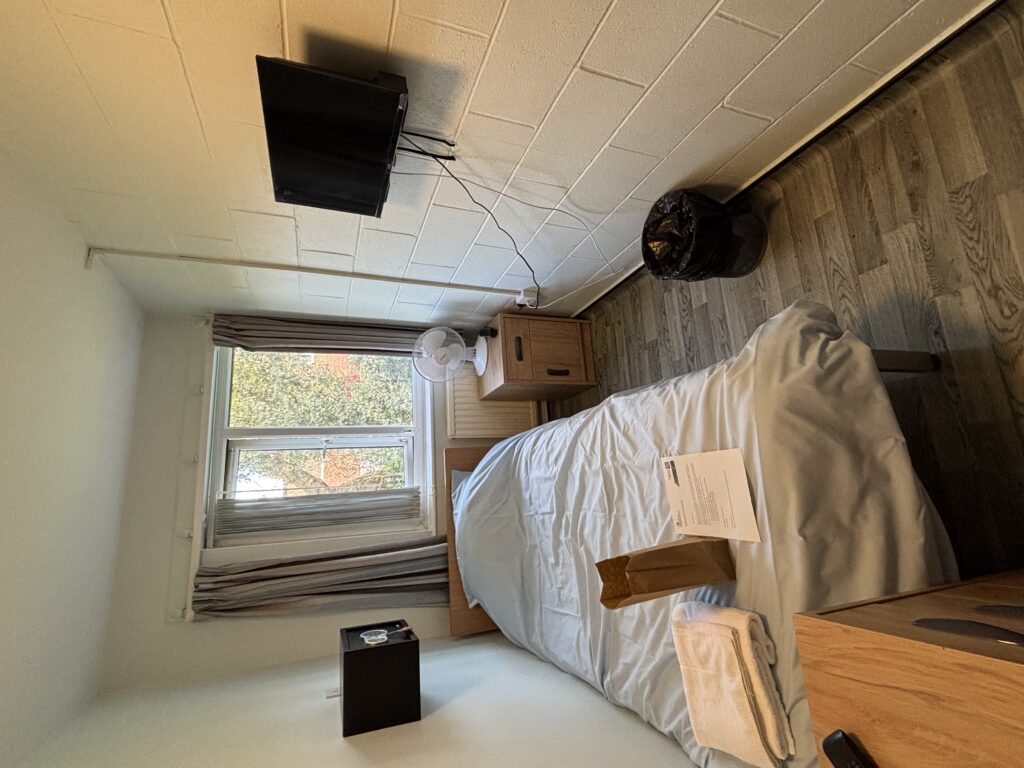
- It was positive that all bedrooms at the AP were single occupancy, as this gave residents privacy and personal space, reduced opportunities for conflict, and helped create a calm and safer living environment.
- Appropriate adaptations had been made to bedrooms when risks were identified. Room allocation decisions took account of individual risk factors, vulnerabilities, and safeguarding needs, including proximity to staff offices and suitability for enhanced monitoring when necessary. Staff demonstrated an awareness of the importance of managing environmental risks and adapting arrangements to support safety and wellbeing.
- There was one room designated for use by residents presenting arson-related risks, ensuring appropriate placement with easy access to emergency services, although it lacked a sprinkler system. Allocations to the room were based on relevant risk assessments.
- The wider environment at the AP was generally clean and orderly, and communal areas were maintained to an acceptable standard. Inspectors observed staff taking responsibility for cleanliness and encouraging residents to contribute to maintaining shared spaces.
- A range of security equipment was in place, including CCTV, personal attack alarms, two-way radios, controlled access systems, and safety equipment, and used routinely during room searches. Staff carried personal alarms and two-way radios consistently, and inspectors observed staff using these appropriately during routine duties and risk-related activities.
Areas for improvement:
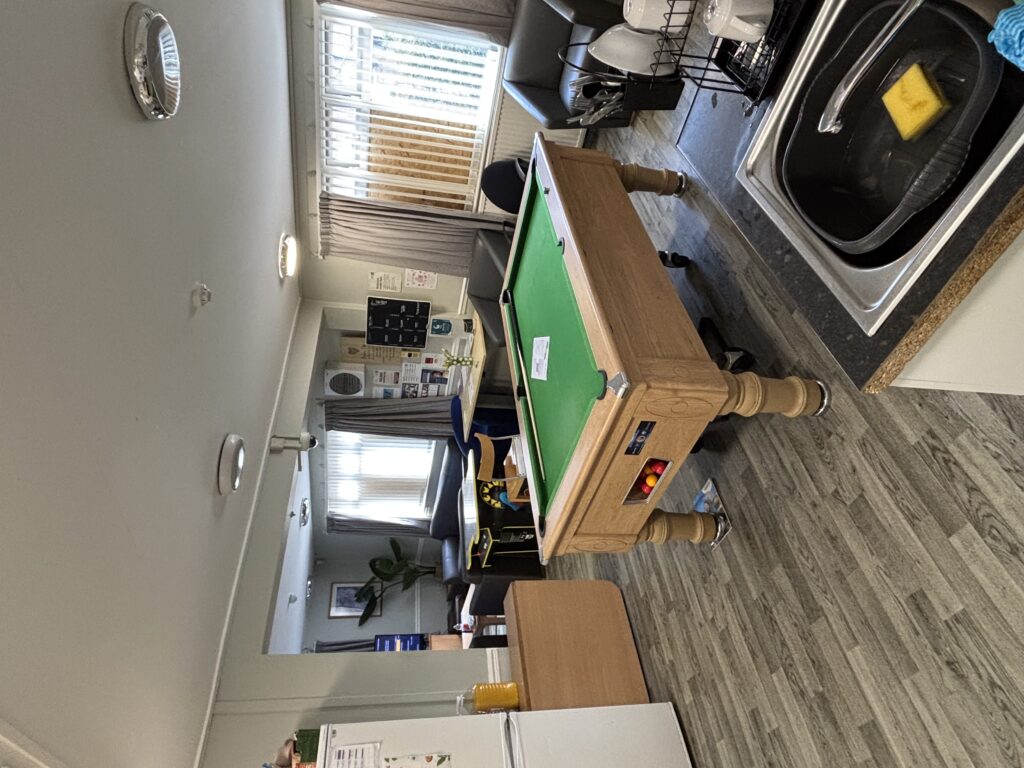
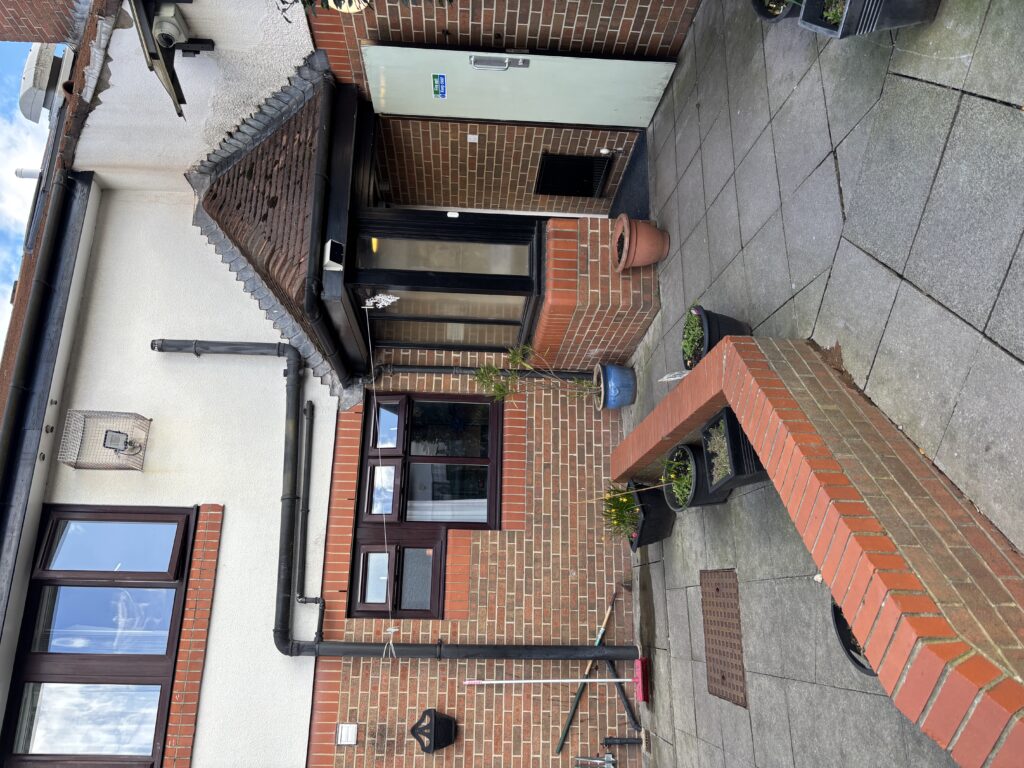
- The environment at the AP had significant limitations. The building was small, with restricted communal and staff space, including very limited private interview space and no dedicated staff room. This affected privacy and dignity for residents, constrained opportunities for confidential discussions, and reduced staff access to appropriate break and reflective space. Residents provided mixed feedback about the environment, citing limited space and concerns about comfort.
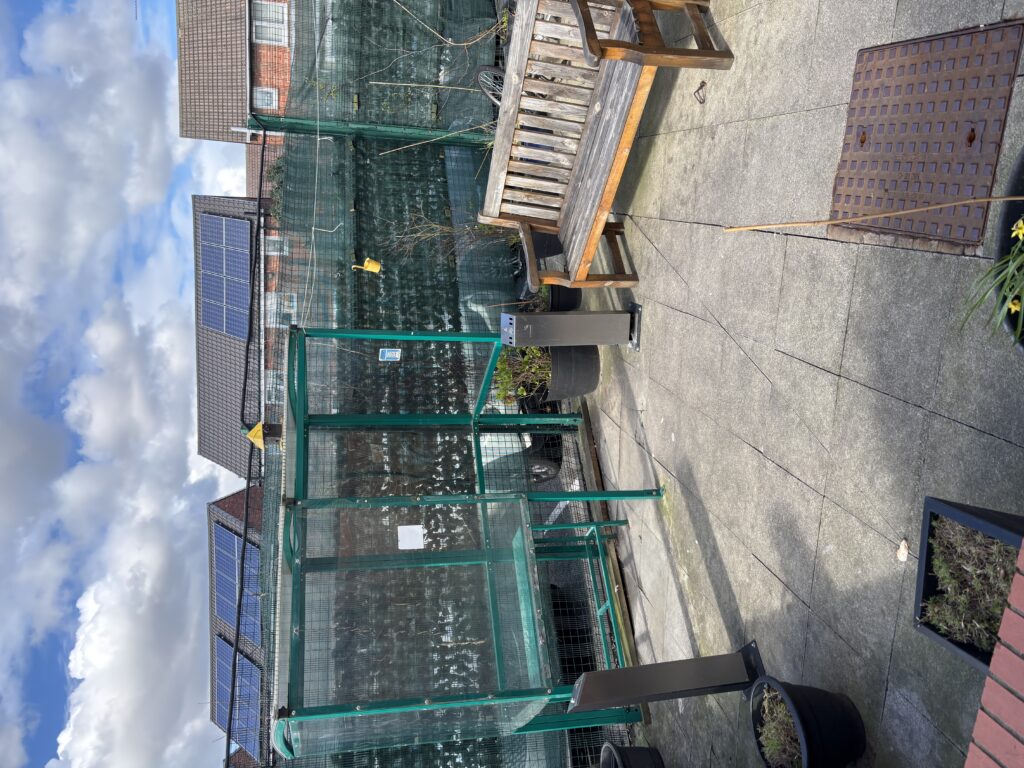
- There was also limited outdoor space for residents, with the large garden currently out of bounds for health and safety reasons, linked to the community tensions and residents having been targeted by the public while in this outdoor space in the past. It was positive that current leaders were exploring options for making adaptations to the garden to ensure the safety and dignity of residents.
- While residents were positive about the quality of the food provided, inspectors were concerned about the lack of adequate dining space. Residents were often required to take meals to their bedrooms or eat in the shared lounge, sometimes without access to tables, and in some cases eating meals on their knees.
- It was clear to inspectors that significant adaptations were needed, to ensure that both residents and staff were provided with a safe, decent, and fit-for-purpose environment. Moreover, damage that had been caused during an incident in February 2026, when several windows had been smashed and the external gate damaged, remained unrepaired at the time of the inspection, despite escalation by the manager. Inspectors considered it unacceptable that such visible damage had been left unaddressed for a prolonged period, particularly given the safety implications and the message that this conveyed to residents, staff, and the local community. The continued presence of unrepaired damage risked reinforcing the negative perceptions of the AP locally and had the potential to undermine already fragile relationships further.
- Inspectors received mixed feedback from residents about their bedrooms. Some commented on the limited space available and said that the beds were uncomfortable, with a few indicating that this had contributed to back discomfort or pain.
- The AP’s limited physical space and building constraints restricted the scope for more extensive adaptations, and there was only one designated accessibility room with en-suite facilities, which was not fully wheelchair compliant.
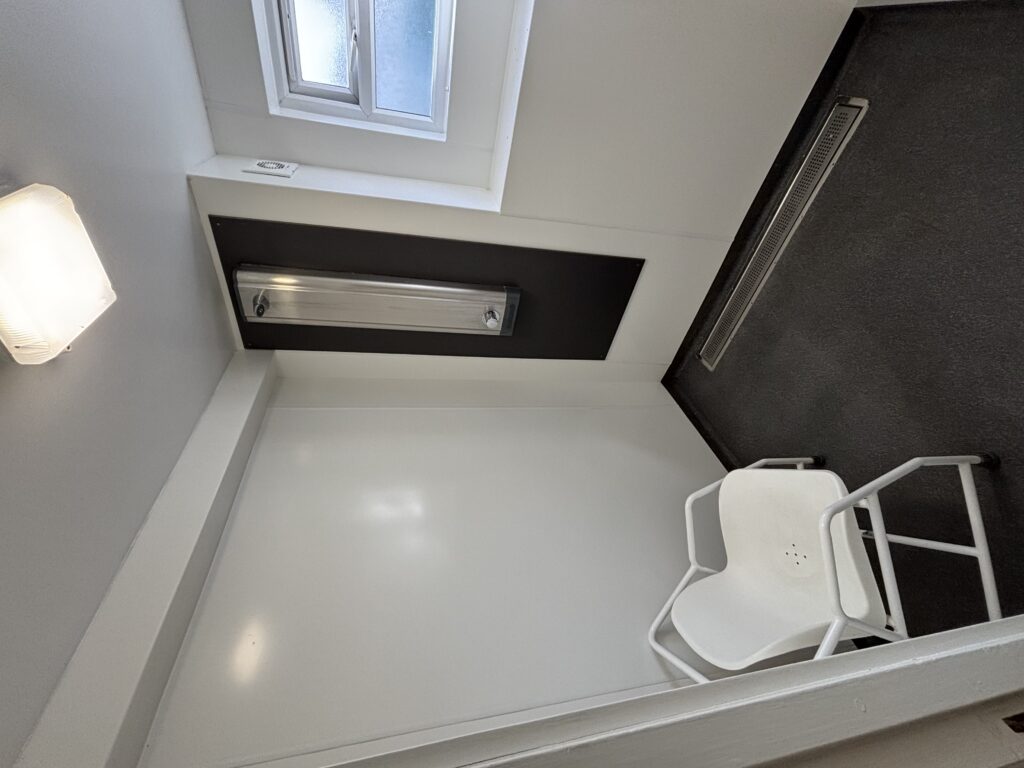
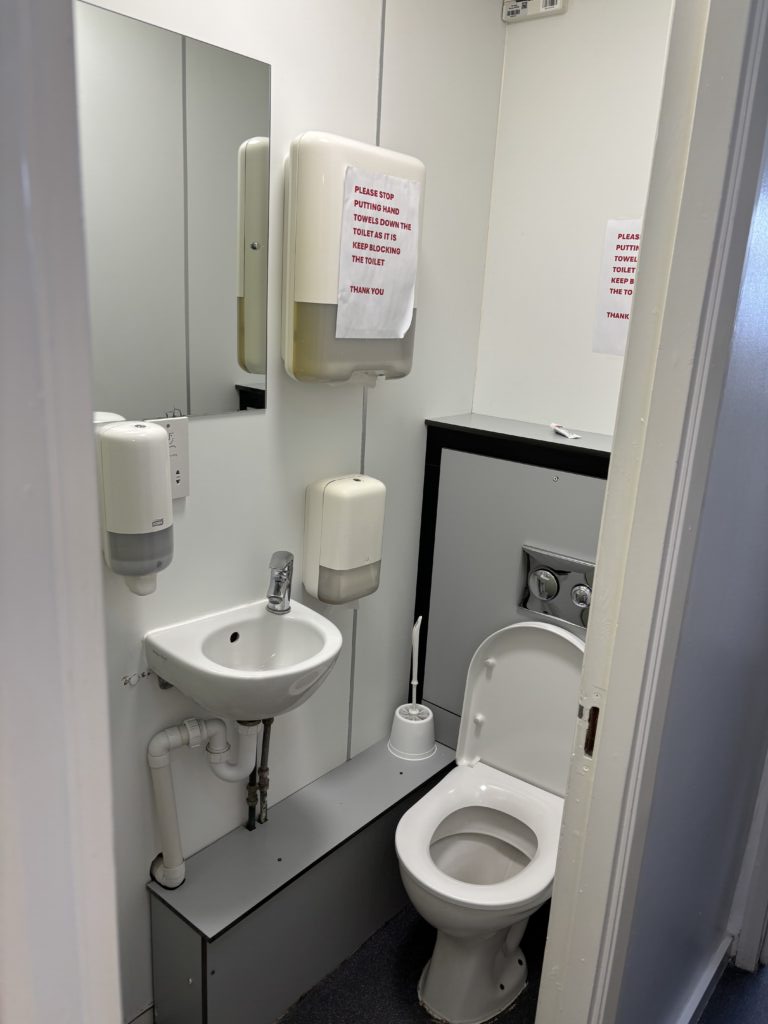
- Although there were broadly sufficient toilet and shower facilities for residents, which were generally clean, residents raised concerns about low water pressure and the poor quality of the showers, which affected comfort and usability. Provision for staff was more limited, with only one staff toilet available, which was insufficient for the number of staff and visitors to the premises. This constrained provision impacted staff comfort and highlighted further limitations to the suitability of the working environment.
- Inspectors viewed the ongoing community hostility experienced by the AP as a safeguarding issue. Some residents described negative interactions with members of the local community, including being subject to unpleasant comments and personal insults. While inspectors recognised that community attitudes were complex and not wholly within the control of the AP, such experiences raised concerns about residents’ sense of safety and wellbeing. These issues needed careful consideration and ongoing engagement by leaders, in partnership with relevant agencies, to mitigate potential risks and provide reassurance and support to residents where appropriate.
- Medication storage arrangements were unsafe. Medicines for different residents were kept together within the same locker, contrary to policy. However, there was a separate lockable cabinet for controlled drugs.
Public protection (Back to top)
| The approved premises effectively protects the public. | Rating |
| Good |
Strengths:
- The AP was represented at all multi-agency public protection arrangements (MAPPA) meetings for its residents. The manager attended all meetings, and the area manager attended all meetings for residents managed at MAPPA Level 3. Keyworkers were also encouraged to attend MAPPA meetings for their own cases, when available.
- The AP exercised appropriate oversight and influence in allocation decisions where opportunities allowed, although this influence was sometimes constrained by system pressures and short-notice allocation from the central referral unit (CRU). The area manager maintained oversight of allocation decisions across the area, including involvement in discussions about complex placements and, where relevant, MAPPA-linked allocations. We were provided with examples in higher-risk or complex cases where, in their pre-arrival preparation, staff had provided input on whether risks could be managed safely within the AP, based on staffing levels, previous knowledge of and experience with the individual, and environmental limitations of the building. Managers were responsive and would appeal CRU allocation decisions where appropriate.
- Enforcement activity was generally sufficient in half of the inspected case sample. The use of improvement plans and notices of concern was evident, with examples of enforcement action that were balanced appropriately with safeguarding and rehabilitative considerations, particularly when residents’ behaviour was linked to mental health needs or substance misuse. Our review of enforcement decisions, out-of-hours recalls, and the AP’s response to positive drug and alcohol tests in the previous three months also identified some examples of positive practice.
- Across the case sample, inspectors saw examples of staff identifying safeguarding concerns relating to both children and vulnerable adults. These arose most often in cases involving histories of domestic abuse, inappropriate or concerning relationships, and risks linked to mental health or substance misuse. In several cases where there were risks relating to inappropriate contact or potential harm to others, staff had taken appropriate safeguarding action, including managing licence conditions, restricting access to devices, undertaking room searches, and monitoring associations. There was evidence of professional curiosity and timely action arising from handover discussions, where potential safeguarding issues linked to relationships, online activity, or proximity to victims had been identified and followed up appropriately.
- Throughout our fieldwork, we observed staff sharing information regularly with probation practitioners about residents’ behaviour, presentation, and compliance, particularly when safeguarding, substance misuse, or escalation of risk was identified. Information sharing with other agencies also supported effective risk management in several complex cases, including liaison with the police, MAPPA partners, mental health services, and immigration authorities.
- Morning and evening handovers were comprehensive and accurately recorded, with a discussion about every resident. Staff used professional curiosity in these meetings, and it was evident that relevant observations about residents were made, with action taken by staff, throughout the day.
- A weekly risk meeting, chaired by the manager and attended by all staff on duty, was an effective tool to manage risks and protect the public. These meetings provided a structured forum to review each resident’s behaviour, presentation, compliance, and emerging risks. Information from handovers, incidents, safeguarding concerns, and partner agencies was considered collectively, supporting shared understanding and consistent decision-making. This approach strengthened public protection by ensuring that risks were identified promptly, actions were agreed collaboratively, and responsibilities for monitoring, escalation, or enforcement were defined clearly and followed up.
- Drug and alcohol testing was used effectively to monitor and manage risk and was deemed by inspectors to have been administered appropriately in most cases. We were provided with an extensive range of case examples from the previous three months where drug and alcohol testing had been carried out, with appropriate decisions made in instances of positive tests and escalating risk.
Areas for improvement:
- Notes from the weekly risk meeting were incorporated within the handover record rather than recorded as a discrete document, and inspectors considered that maintaining a separate, explicit risk-meeting record would have strengthened clarity, accountability, and follow-up of agreed public protection actions.
- Recording of enforcement action was not always sufficiently detailed or timely, and management oversight of enforcement decisions was not consistently evident across all inspected cases.
- AP staff noted some difficulties with police engagement, including limited visibility at the AP, occasional delays in responding when risks increased, and inconsistency in information sharing. At times, this made it harder to respond quickly to incidents and left staff less certain that concerns would be acted on promptly, which meant that more risks would have to be managed by AP staff on site.
- Inspectors viewed the ongoing community hostility towards the AP and its residents to be a public protection concern and carried a risk of escalation, including the potential for residents to react or retaliate in ways that could place themselves or others at risk. While recognising the complexity of managing community dynamics, inspectors identified a need for continued monitoring, careful management, and coordinated engagement by senior leaders with relevant local agencies to mitigate escalation and support safe behaviour within the community.
Rehabilitation (Back to top)
| The approved premises delivers activity to reduce reoffending. | Rating |
| Good |
Strengths:
- There was effective collaboration with other organisations and services to ensure access to interventions and promote rehabilitation at the AP, including:
- Thirteen Housing, providing accommodation advice, support, and guidance
- Change, Grow, Live (CGL), which provided interventions for those with current or previous substance misuse issues
- Rethink, a service aimed at helping residents engage with mental health support and intervention
- Ingeus, which provided education, training, and education (ETE) support
- The Creating Future Opportunities (CFO) Help Hub, which worked with AP residents to address key resettlement needs, particularly finance, benefits, and debt advice; digital inclusion (support to use online systems, email, benefit portals); ETE support, including writing CVs, job search, and referrals; and signposting and referral to specialist local services where needs were complex.
- There was a timetable of rehabilitative activities in place at the time of our fieldwork and these included:
- Rethink one-to-one sessions
- Ceramics workshop
- CGL one-to-one sessions
- CFO Help Hub
- Tea and toast with the AP manager
- A residents’ meeting
- Thirteen Housing drop-in sessions
- Self-care and mindfulness
- Craft workshop
- Bingo
- St Patrick’s Day celebrations.
- Inspectors deemed residents to have received a suitable and timely two-stage induction into the AP in every inspected case, and the AP performed consistently above the national average for delivering this process. Overall, we found induction practice to be comprehensive, professional, and structured.
- Throughout our fieldwork, inspectors observed both formal and informal interactions between staff and residents, and these were all professional, respectful, and appropriate – an important foundation for rehabilitative work. Four of the five interviewed residents said that they were “always” treated with dignity and respect. The remaining resident told us that this happened “most of the time”. When asked whether staff were available and on hand to provide support when they needed it, three residents told us that this was “always” the case and two said that this happened “most of the time”. Case records showed positive relationships between staff and residents in all eight of the cases reviewed.
- Regular keywork was evident in all eight of the inspected cases and inspectors deemed this to have been meaningful and delivered to a sufficient standard in every case. One interviewed resident rated their keywork as “excellent” and the remaining four told us that it was “good”. Keywork was a particular strength, and staff were skilled at building positive, purposeful relationships with residents, using keywork sessions to address wellbeing, resettlement needs, and risk factors in a structured and supportive way.
- There was a clear focus on supporting residents to move on successfully from the AP, and the presence of Thirteen Housing on-site was hugely beneficial in this regard. The AP worked effectively with housing providers and local services to support applications for accommodation and reduce the risk of residents leaving the AP without suitable onward placements. In several cases, staff advocated actively on residents’ behalf, including liaising with housing services, supporting benefit claims, and coordinating appointments to support a stable transition. Weekly risk meetings included consideration of move-on readiness, enabling staff to plan support alongside public protection arrangements. However, move-on planning had been constrained in some cases by factors outside the AP’s control, including housing shortages and, immigration status.
Areas for improvement:
- Detail about the work delivered within rehabilitative activities was not always recorded within case records, particularly those sessions provided by other agencies. It would have been beneficial for managers to develop these partnerships further by establishing formal information sharing and recording agreements with the other agencies.
- Feedback from residents about the activities at the AP was disappointingly negative. Four residents rated the rehabilitative activities offer as “fair” and one felt that it was “poor”. The general feeling among residents was that they wanted more to do.
- Pre-arrival contact with residents had taken place in only three of the eight inspected cases, and records were not clear as to the form that this contact had taken. Although the manager and staff expressed some frustration with CRU processes and the increased frequency of short-notice placements, which at times hindered pre-arrival planning, this had been a contributory factor to the lack of pre-arrival contact in only one of the inspected cases. There had been ample opportunity for pre-arrival contact to have taken place in the remaining cases reviewed. Similarly, only two of the five interviewed residents had received contact from AP staff prior to arriving at Pennywell House.
Press release (Back to top)
Inspection response letter (Back to top)
Further information (Back to top)
This inspection was led by HM Inspector Stuart Tasker, supported by a team of inspectors and colleagues from across the Inspectorate. We would like to thank all those who helped plan and took part in the inspection; without their help and cooperation, the inspection would not have been possible.
Images (Back to top)