An inspection of Quay House Approved Premises
Foreword (Back to top)
Our inspection of Quay House approved premises (AP) in Swansea marked our second Welsh AP inspection.
Quay House was rated ‘Outstanding’ overall – an outcome that reflected a committed, skilled, and motivated team delivering high-quality work.
Staff at Quay House created a safe, supportive, and respectful environment. Residents told us that staff were “always” available when needed, and it was clear that relationships between staff and residents were strong. This positive culture was a real achievement and formed the foundation of effective rehabilitation and risk management.
Leadership at Quay House was exceptional. The manager set clear expectations, promoted a learning culture, and ensured staff received regular support and guidance. The Wales Human Factors model was well embedded and helped staff reflect on challenges, share learning, and make sound decisions. Casework oversight was strong in almost every case we inspected.
Quay House benefited greatly from close partnerships with other services. The integration of offender personality disorder (OPD) pathway colleagues, neighbourhood policing, and local health providers added specialist expertise that strengthened both public protection and rehabilitation. Residents had access to a wide range of meaningful activities, alongside support with health, wellbeing, training, employment, and accommodation. It was disappointing that at the time of our fieldwork the AP did not have a substance misuse worker delivering from the AP and this needed some attention.
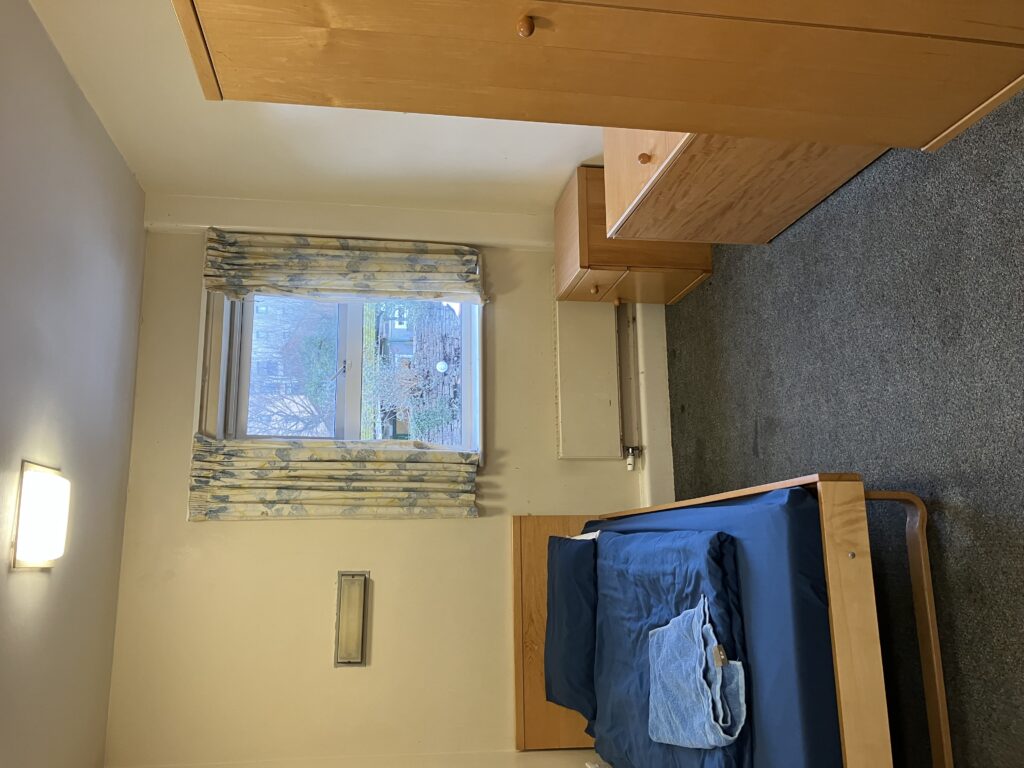
The building was generally safe and decent, though improvements were needed. The first-floor bedrooms required refurbishment, carpets needed replacement, and the high temperatures in summer months needed addressing.
Overall, Quay House was a high-performing AP providing a strong and effective service to the public and to the residents who lived there. Staff should be proud of the real difference they are making to people’s lives. We hope the recommendations in this report help strengthen the service even further.
Martin Jones CBE
HM Chief Inspector of Probation
Background information (Back to top)
| Total number of approved premises nationally | 104 |
| Length of time on site, including out-of-hours activity | Two days |
| Total number of bedrooms in Quay House All bedrooms were single occupancy | 27 |
| Average length of residents’ stay at Quay House | 35 days |
Nationally
APs provide 24-hour monitoring and supervision to their residents and are expected to engage them in interventions to reduce the likelihood of further offending. There are 104 APs in England and Wales. Most are for men only, with eight for women only. Twelve are psychologically informed planned environments (PIPEs), co-commissioned with NHS England. Fourteen APs are independent, including five of the eight APs for women. These are led mostly by third sector providers. Independent APs (IAPs) are delivered under contract and in partnership with HM Prison and Probation Service (HMPPS).
There were four APs in Wales which were part of the residential public protection (RPP) division, led by the head of residential public protection. This division sat within the Wales probation region and was integrated with mainstream sentence management. This structure differed from the model in England, where APs operated as a separate entity.
Locally
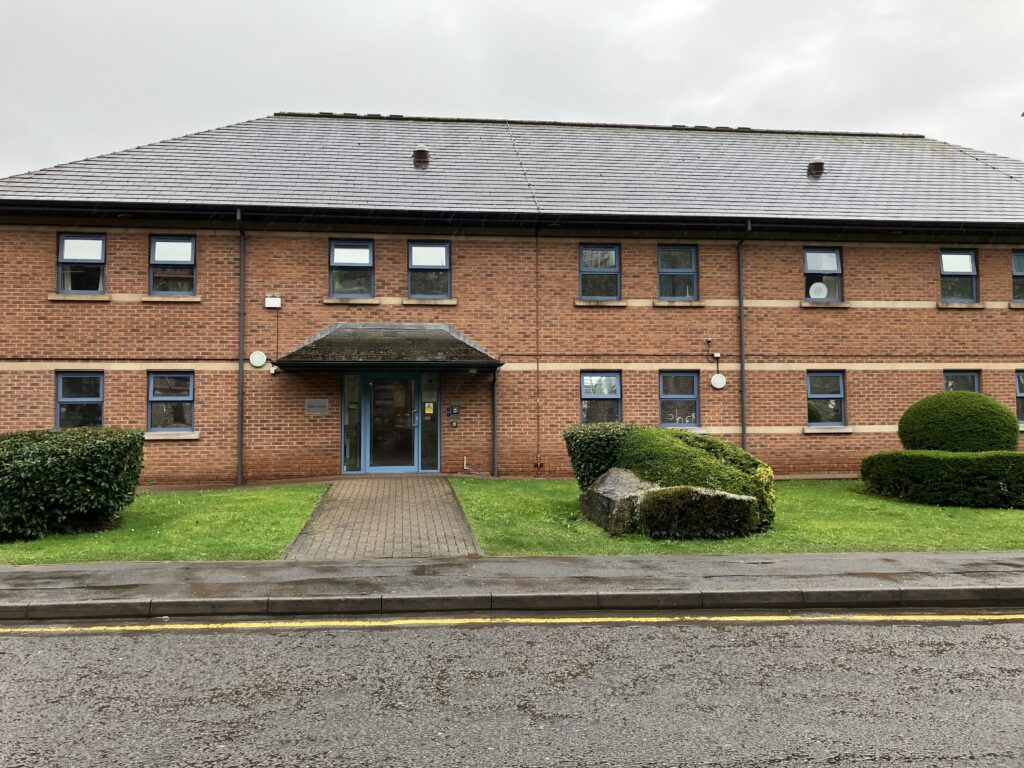
Quay House AP in Swansea, Wales had a maximum occupancy of 27 males, aged 18 and over. All bedrooms were single occupancy, and the AP was a catered facility. At the end of our fieldwork there were 25 residents in placement.
Our inspection methodology
We inspected Quay House during the week beginning 23 February 2026. This included the off-site inspection of eight cases relating to individuals who were either still resident at the AP or who had recently departed. While carrying out on-site fieldwork, we observed practice and interviewed managers and staff, individually and in groups. We also received feedback from nine current residents about their experiences. In addition, our fieldwork included the AP’s ‘out-of-hours’ activities – specifically, the early morning and evening shift handover processes – and a detailed analysis of recent enforcement and recall decisions.
Ratings (Back to top)
| Fieldwork started February 2026 | Score 13/15 |
| Overall rating | Outstanding |
| Standard | Score | Rating |
| Leadership and governance | Outstanding | 3 |
| Staffing | Outstanding | 3 |
| Safety | Good | 2 |
| Public protection | Outstanding | 3 |
| Rehabilitation | Good | 2 |
Recommendations (Back to top)
As a result of our inspection findings, we have made the following recommendations that we believe, if implemented, will have a positive impact on the quality of services delivered at Quay House.
The Quay House leadership team should:
- strengthen the recording of rehabilitative activities, including those delivered by partner agencies, so that individual engagement, progress, and outcomes are captured more consistently
- ensure greater consistency in keywork practice and recording, particularly in cases where missed contacts or follow-up actions require closer monitoring
- ensure continuity of substance misuse provision, so that residents have reliable and timely access to specialist support.
His Majesty’s Prison and Probation Service should:
- improve the physical environment at Quay House, particularly on the first floor, by replacing carpets, repainting bedrooms and corridors, and addressing summer overheating to ensure all residents live in clean, decent, and comfortable conditions
- resolve delays in drug-testing results, and explore quicker or instant testing options to support swift and effective risk-management decisions
- review the safety of the designated arson-risk bedroom, including installing an appropriate sprinkler system.
Leadership and governance (Back to top)
| Rating | |
| Outstanding |
Strengths:
- Quay House had a clear, documented vision, linked to the overarching vision for APs in Wales, that was on display within the AP.
- A supportive, learning-focused, and psychologically safe culture was embedded at Quay House. Staff described the AP as a positive place to work, where colleagues supported each other and maintained strong professional relationships.
- The Wales Human Factors model was fully embedded at Quay House, including its structured meeting format and protected time for consultation with managers. The model was introduced to promote a learning culture, strengthen psychological safety among staff, and enhance communication and decision-making. Inspectors observed that the model strengthened psychological safety, encouraged reflection, and enhanced day-to-day communication and decision-making.
- Leaders at all levels celebrated success and acknowledged good practice, including through departmental events, team meetings, awaydays, and daily Human Factors discussions. Staff reported that they felt valued and recognised for their contributions. The manager used staff award nominations and regular reward and recognition awards to recognise the hard work and achievements of staff members.
- The AP manager maintained a constructive, non-blame approach, enabling staff to discuss challenges openly and supporting a culture of continuous improvement.
- Resident feedback to inspectors was consistently positive about Quay House, emphasising the approachable, welcoming, and supportive nature of staff. Residents interviewed stated that they felt safe, and we saw very many written testimonials from former residents describing the positive impact of the AP on their resettlement. These testimonials were on display in the staff area of the AP as a motivational tool and a reminder of the team’s impact on the lives of past residents.
- Every resident interviewed by inspectors told us that staff at Quay House were “always” available when they needed support. This consistent feedback reflected a positive and supportive culture within the AP, where staff were approachable, responsive, and fostered an environment in which residents felt safe, valued, and confident to seek help.
- Resident feedback was gathered through weekly residents’ meetings, chaired by the AP manager. A residents’ exit survey had had improved completion rates following changes to when and how they were administered. The manager had recently embedded the exit survey as part of the ‘move-on booklet’ completion – an offered intervention for Quay House residents in the closing stages of their AP placement.
- Leaders collaborated effectively with a range of local community partners to support both resident opportunities and the management of risk. There was strong evidence of well-established, multi-agency partnerships, which were routinely used to improve outcomes for residents and enhance public protection.
- Quay House was consistently the highest performing AP in Wales in terms of its achievement of national service level measures. The manager had high standards and expectations, and there was a clear focus on the level of quality that sat behind performance data.
- Effective management oversight was evident in seven of the eight inspected cases. This reflected the sustained hard work and diligence of the AP manager. Since our previous inspection of a Wales AP, just three months ago, a new quality assurance framework had been established and was starting to be used across Wales. The Wales approved premises case audit tool (WAPCAT) was now in place, alongside the Wales best practice group – to address thematic quality findings – and dedicated quality development officer support, all reflected the commitment to providing the best possible service.
- Since taking up post in December 2024, the manager had delivered four team away days, each with a strong focus on improving quality. These were well attended by staff, and our inspection findings on casework quality reflected the positive impact of this approach. The away days had been used effectively to address key quality and performance themes, including residence plan development, handover practice, and learning from national approved premises team audit findings.
- Quay House operated within a clear Wales-wide meeting framework, and the AP made effective use of this structure. Regular team meetings, daily Human Factors discussions, and away day sessions ensured that staff were kept informed about practice expectations, developing priorities and changes to operational procedures. These forums provided space for staff to share reflections, discuss challenges, and contribute to improvements in day-to-day practice.
- Leaders responded to serious incidents and emerging issues by ensuring learning was shared promptly across the team. Staff described examples of management drawing attention to practice that required greater consistency, such as the quality of handovers, welfare-check processes, medication administration, and drug-testing arrangements.
- There was a quality development officer designated for the Wales APs to support continuous learning and to help managers drive and deliver the quality improvement agenda.
- A weekly probation services officer (PSO) tasking meeting, chaired by the manager, was a way of addressing both quality and performance, providing reminders to staff of key tasks requiring completion and giving an opportunity to look ahead and prepare for upcoming arrivals. This meeting had been a key factor in Quay House maintaining its strong performance.
- The manager encouraged staff to consider residents’ individual needs, including religion, health conditions, trauma history, and communication requirements, during induction and day-to-day work. Adjustments were made for residents with protected characteristics or additional needs, such as adapting induction approaches, relocating rooms for safety or comfort, and supporting access to healthcare. Reasonable adjustments were made for neurodiverse colleagues and residents, including role changes and tailored support.
- At a strategic level, leaders used data relating to the AP population in combination with an annual regional analysis of the wider population of people on probation, undertaken by the Wales community integration team. This enabled the identification of service gaps. In the most recent analysis, people with disabilities and neurodiversity were shown to require additional attention and resources. In response, a sensory room, fidget devices, and mental health first aid training were sourced.
- The majority of signage in and around Quay House had been translated into Welsh. We also observed staff routinely using Welsh in everyday interactions, such as answering telephone calls and offering greetings. This practice was in line with meeting the commitments set out in the HMPPS Welsh language scheme (2025).
Areas for improvement:
- Although some staff were vague about the AP’s vision, given its recent implementation, they were clear about their priorities and the broad aims of Quay House to keep the public safe, support rehabilitation, and help residents to resettle into the community.
- Some staff reported limited formal AP-specific equity, diversity, and inclusion (EDI) training, relying more on experience and line management supervision than structured guidance. Staff acknowledged that recording and evidencing EDI work in case records could be improved.
Staffing (Back to top)
| Staff are enabled to deliver a high-quality service for residents. | Rating |
| Outstanding |
Strengths:
- Quay House generally maintained stable staffing levels, supported by a longstanding and experienced core team. There was a system to source sessional staff to cover absences, particularly for weekend and night shifts.
- Inspectors were impressed by the strong integration of offender personality disorder pathway (OPD) colleagues and the regular police presence, both of which provided important additional resilience and significantly enhanced the AP’s capacity to manage complex risks safely.
- We noted the motivation, compassion, diligence, and level of professional curiosity displayed by staff and the actions taken to engage with residents, manage their risks, and promote rehabilitation.
- The AP manager carried out extensive quality-assurance activity across the caseload, with most practice gaps already identified, feedback given, and clear guidance provided to staff on how improvements should be made. This reflected a high level of oversight and attention to detail by the manager. Effective management oversight was evident in seven of the eight inspected cases – a reflection of the hard work and diligence of the AP manager. This oversight included directing staff when risks emerged in cases, safety and support plan countersigning, checking of keywork frequency and quality, advising on enforcement actions, and frequent checking of general casework recording quality.
- The manager actively supported the professional development of the team, and two staff had recently been successful in securing places on the Professional Qualification in Probation programme and were due to begin their training as trainee probation officers.
- Individual needs of residents were explored during induction and keywork, with staff adjusting sessions to accommodate anxiety, low mood, learning needs or emotional-wellbeing concerns. We saw several examples of residents with complex needs, e.g. attention deficit hyperactivity disorder (ADHD), oppositional defiance disorder (ODD), neurodiversity or substance misuse concerns, receiving additional monitoring and tailored work to meet their needs. In one example, staff appropriately identified when a resident’s presentation reflected emotional distress rather than non-compliance, and adjusted expectations and support accordingly.
- All nine of the residents interviewed told us that staff were “always” on hand to provide support when they needed it. Eight of the nine interviewed residents said that they were “always” treated with dignity and respect, and one resident told us that this happened “most of the time”. Inspectors observed both formal and informal interactions between staff and residents, and these were all professional, respectful, and appropriate.
- Staff described Quay House as a supportive, positive, and stable workplace, with strong team cohesion and mutual respect. They reported feeling valued and listened to by the AP manager, who was seen as proactive, accessible, and committed to improvement. Staff reported being encouraged to contribute ideas and influence improvements, such as adapting handover processes and refining induction materials. Several staff said that they would recommend the AP as a place to work, citing the supportive environment and strong leadership. They described a culture where they felt trusted, psychologically safe, and motivated to provide high-quality support to residents. There were inevitably some pressures – such as high workload and administrative demands – but these had not diminished the overall engagement or commitment by staff.
- Staff received regular supervision, typically every seven weeks, with a focus on quality of practice, professional development, and wellbeing. The manager provided additional informal oversight and support, offering timely guidance and reassurance when concerns arose for the team or individual staff. This helped maintain consistency in practice and contributed to a supportive working environment. Staff reported feeling supported and able to raise issues either formally or informally, contributing to their learning and confidence. The manager who was trained in skills for effective engagement, development, and supervision (SEEDS) also carried out structured observations of staff practice, and used this approach to provide constructive feedback and support staff in developing their skills and confidence.
- The administrator managed the rota effectively, with an escalation route to managers when cover could not be found. Staff reported that escalation was rarely required, indicating that routine shifts were usually covered because of effective teamwork.
- Quarterly team away days had become an established practice at Quay House. These events provided staff with dedicated time away from the AP to reflect, build cohesion, and focus on improving practice. The manager and administrator ensured that appropriate cover was in place during each awayday so that the AP continued to operate safely and effectively.
- Although resource management was complex, there was clear resilience within the Welsh AP structure, and the likelihood of an AP in Wales needing to close was minimal. When necessary, senior leaders could direct staff to provide cover at alternative sites, ensuring continuity of operations. In addition, because the AP division sat within the wider Wales probation region, staff from probation delivery units (PDUs) could also be deployed to support APs. This provided an additional layer of flexibility and resilience not always available in other regions.
Areas for improvement:
- There were some inconsistencies in the quality of casework in a minority of cases, with variations in recording quality and follow-up of missed contacts. Despite these gaps, staff generally presented as capable, committed, and confident in operational duties.
- Some staff reported inconsistent provision of written supervision notes, limiting documentation of progress and follow-up actions. Nevertheless, all staff reiterated that they were getting what they felt they needed from the supervision process.
Safety (Back to top)
| The approved premises provides a safe, healthy and dignified environment for staff and residents. | Rating |
| Good |
Strengths:
- Risks of self-harm and suicide were managed appropriately. In all eight inspected cases, both initial and review safety and support plans were completed, as required. The manager countersigned all of these, and we saw examples of constructive feedback to staff to refine or tighten support plans when needed.
- Daily Human Factors meetings provided real-time discussion of overnight incidents, resident presentation, drug test outcomes, and required safeguards. Welfare checks were routinely scheduled and robustly recorded in case notes – including roused-responses at set times during the night. Welfare check procedures had been strengthened following national audits.
- Staff recognised and responded to emotional-wellbeing indicators (e.g. low mood, anxiety, suicidal ideation), adjusting expectations and support for residents accordingly. OPD pathway colleagues were fully embedded into the AP’s operating model. A community psychiatric nurse (CPN) was on site two days a week and the psychologist one day a week. In addition to providing consultation to Quay House staff about their management of complex cases, they also provided one-to-one support to residents – adding to the AP’s general resilience and ability to respond to residents in crisis.
- The storage and administration of medications was generally consistent with policy and aligned with best practice. The manager had mandated all staff within Quay House to attend additional medication training provided by the national AP team (NAPT) within the last 12 months and staff reported confidence in the process. The AP manager was confident in the staff group’s compliance with the policy, and daily and weekly internal audits maintained assurance that residents were administered their correct medications. The entire medication process was audited by the area manager annually.
- Staff demonstrated active attention to resident safeguarding during both morning and evening handovers. We saw them responding appropriately to concerns by carrying out enhanced welfare checks, increasing monitoring when residents appeared unwell, and swiftly escalating issues to managers for further advice and guidance. The team also worked collaboratively with OPD colleagues, checking plans and safeguarding strategies in real time to ensure residents received appropriate support.
- Staff demonstrated professional curiosity, identifying concerns such as risky associations, emotional deterioration, suspected drug use, and pressure from other residents. Room searches, drug tests, and enhanced monitoring were used appropriately when safeguarding concerns arose. Multi-agency communication was evident in safeguarding responses, including liaison with substance misuse and healthcare services where required.
- Managing resident behaviour followed a structured and graduated approach, including verbal warnings, written warnings from the manager, improvement plans, and bed withdrawal where required.
- Residents were given clear information during induction about rules, expectations, prohibited items, curfew/sign-in requirements, and enforcement processes. The manager also led a specific meeting for new residents each week, which provided a further opportunity to reiterate key rules and expectations, reinforce consistent messaging, and ensure that new arrivals fully understood what was required of them. Handover and Human Factors meetings helped staff maintain awareness of behaviour concerns amongst the resident group and agree consistent approaches in instances of non-compliance. Residents understood that neighbourhood police and management of sexual offenders and violent offenders (MOSOVO) officers attended the AP regularly, supporting expectations about compliance and conduct.
- Welfare checks were generally undertaken in accordance with national policy, and clearly and consistently recorded in nDelius (the probation case management system). We also witnessed staff relaying information to one another regarding observations about individual residents in both formal handovers and informally. Formal handovers included detailed room-by-room reviews, sharing behavioural information and ensuring continuity of understanding between shifts. When concerning behaviour emerged (e.g. lateness, missed curfews, drug use), staff took responsive action, including increased monitoring or enforcement. Handovers were recorded in line with national expectations. Observations about residents’ behaviour were also communicated to probation practitioners and recorded within nDelius, as required.
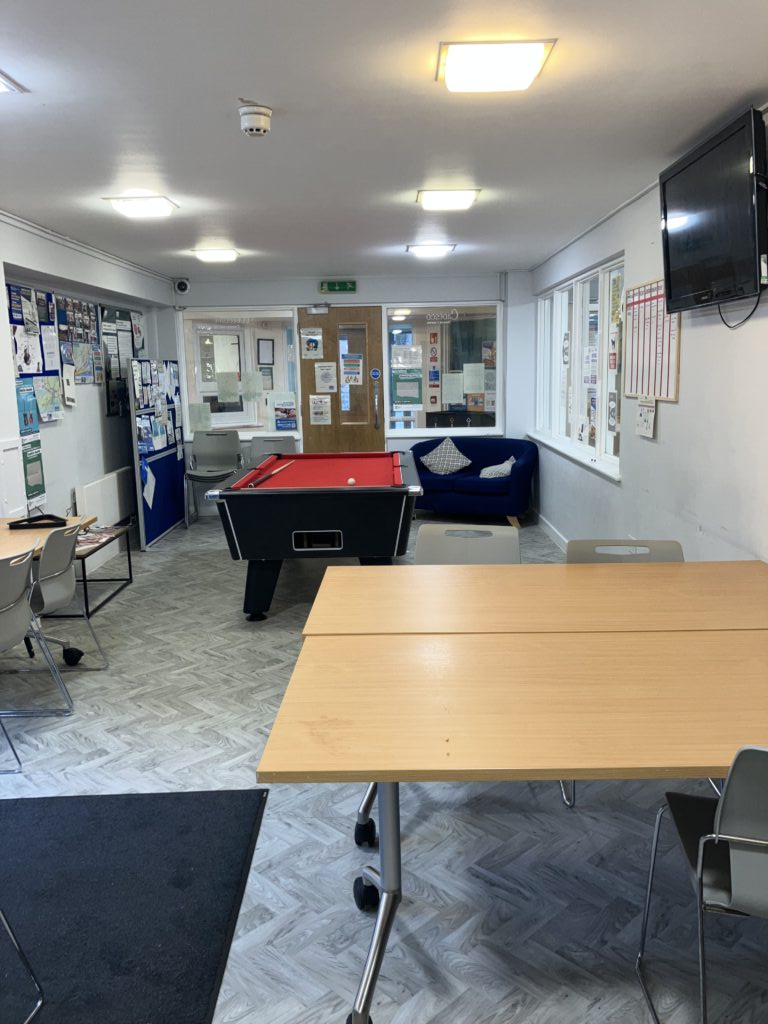
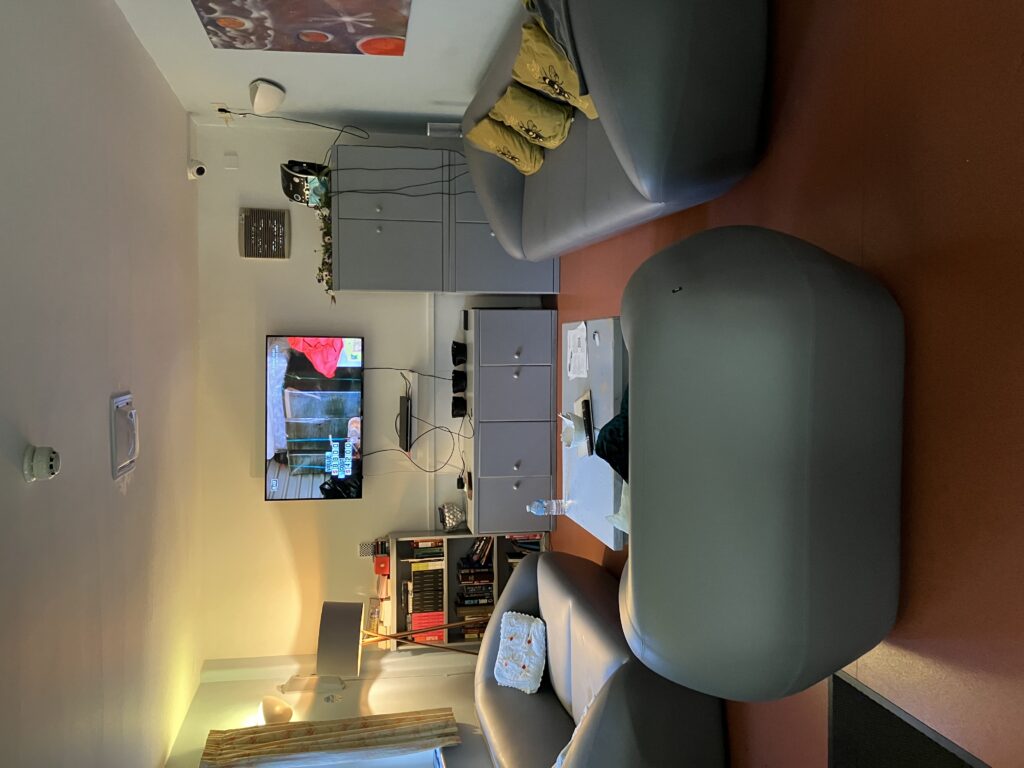
- It was positive that all rooms at Quay House were single occupancy, as this gave residents privacy and personal space, reduced opportunities for conflict, and helped create a calm and safer living environment. There was one designated room intended for residents presenting historic arson-related risks. Allocations to this room were supported through appropriate risk assessments. All bedrooms had anti-ligature furniture to reduce the potential for self-harm and suicide. One room on the ground floor was ensuite, suitable for individuals with limited mobility, and another ensuite room on the first floor provided flexibility to accommodate residents who could benefit from additional privacy or have health, wellbeing or diverse needs that could be supported outside of the ground-floor environment.
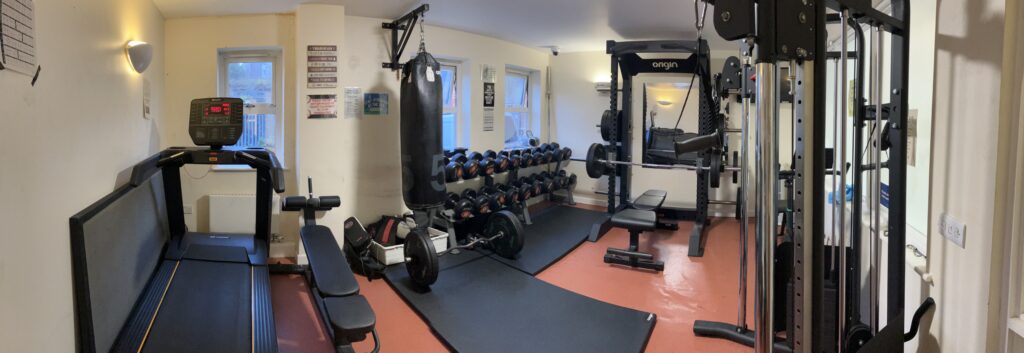
- A well-equipped gym contained a wide range of good-quality exercise equipment. Residents made frequent use of the gym and it was a fundamental part of the AP’s positive focus on health and wellbeing.
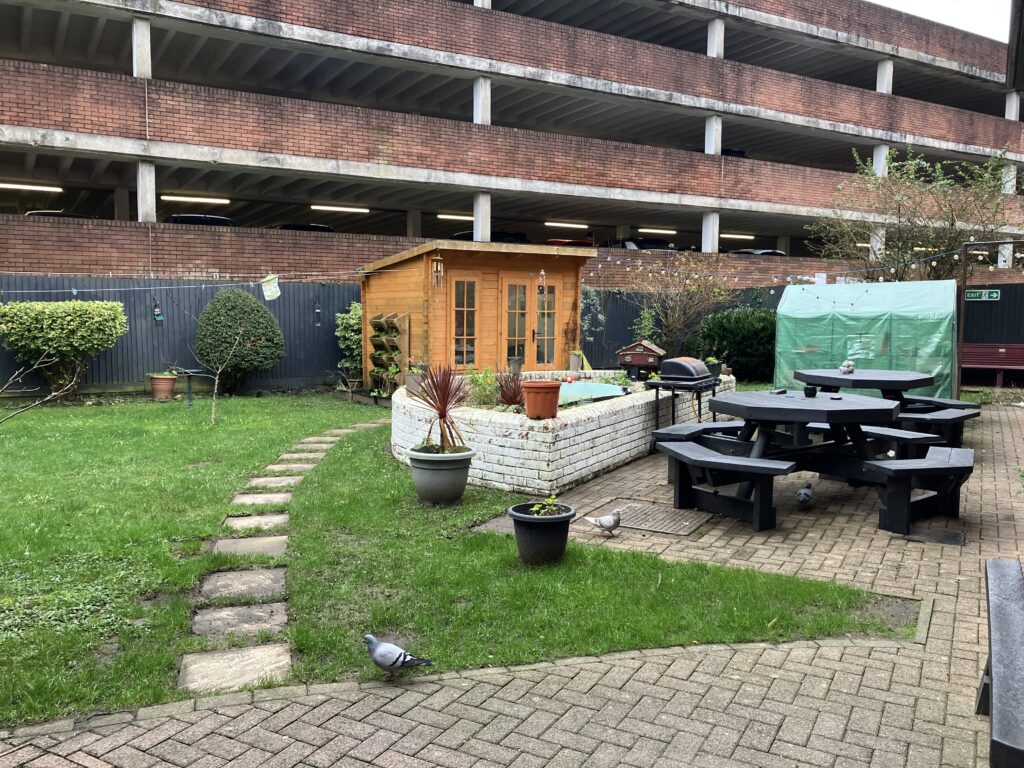
- An attractive and well-maintained garden offered residents a peaceful outdoor space, despite the AP’s city centre location. This area provided a chance to spend time outside, and take a break from the busy communal environment, supporting residents’ overall wellbeing. An attractive summer house had been created in the garden, offering a quiet space for respite. It also provided a useful additional area that could be used for meetings or interviews.
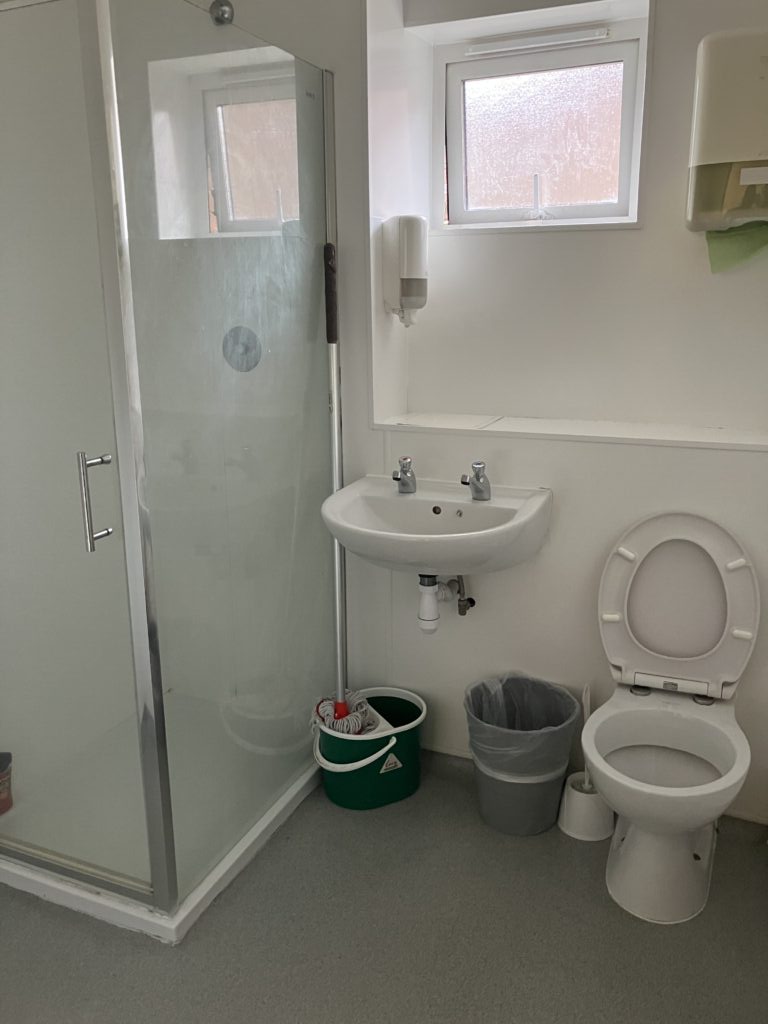
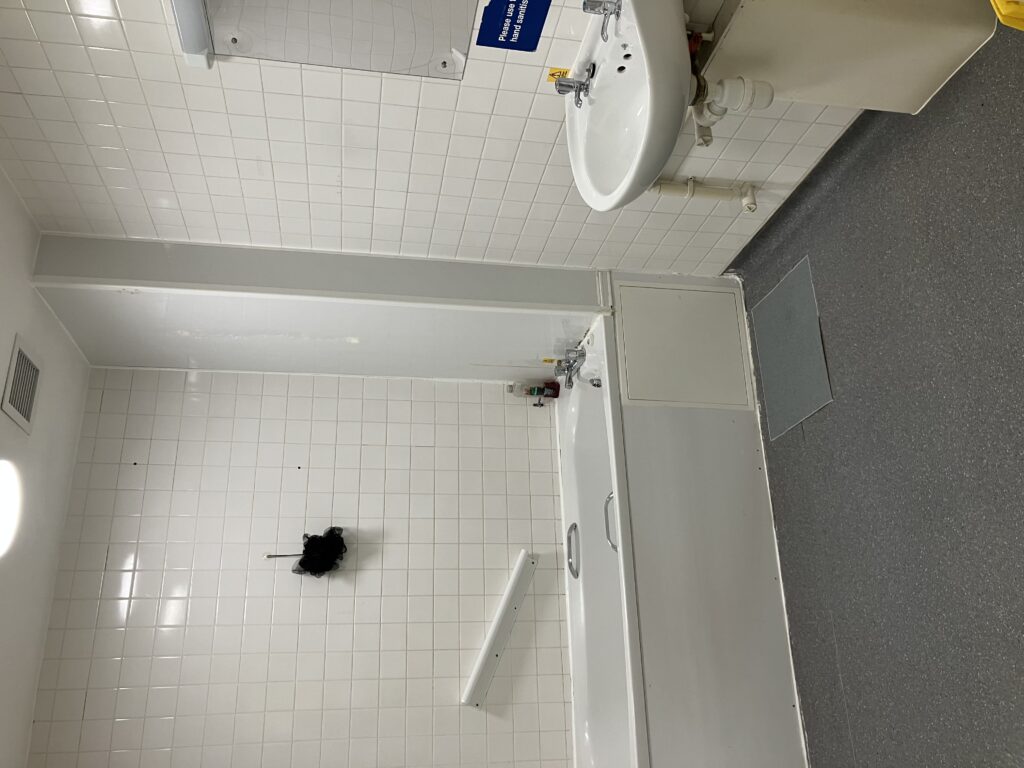
- There were sufficient communal toilet and washing facilities, and these were all clean and well maintained. We did not observe any outstanding repairs. Residents spoke positively about the toilet and shower facilities, noting both their cleanliness and the sufficient number available.
- There was acceptable closed-circuit television camera (CCTV) coverage throughout the AP. The CCTV quality was good. Panic alarms were in place and were tested frequently, as were fire alarms. Staff and visitors were provided with personal attack alarms, as required.
Areas for improvement:
- Although residents told inspectors that they were generally happy with their bedrooms, they were critical about stained carpets.
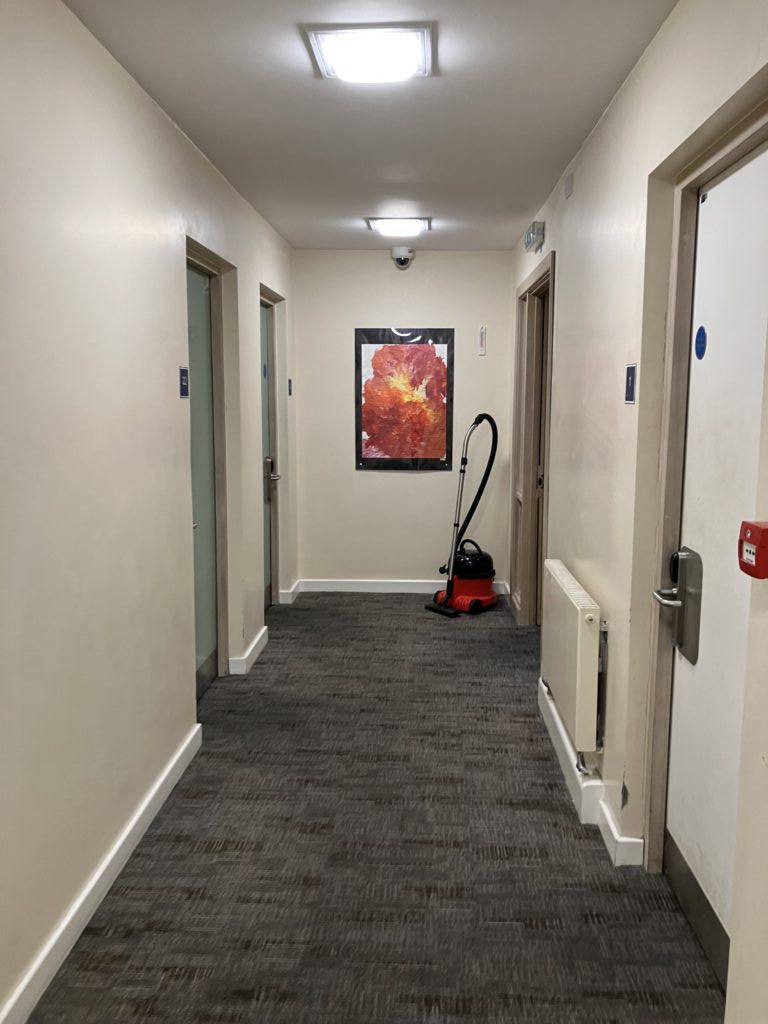
- While the ground floor of Quay House was clean, decent, and well maintained, we noted that the first floor, where residents’ bedrooms were situated, did not meet the same standard. Although staff were making efforts to improve conditions by cleaning carpets and replacing worn items in bedrooms, the area required repainting and the carpets needed full replacement. The first floor was also extremely hot and particularly stifling in the summer months. The team at Quay House highlighted the need for air conditioning, and inspectors agreed that this would be a benefit.
- The designated room for those who had historic arson-related risks did not have a sprinkler system.
Public protection (Back to top)
| The approved premises effectively protects the public | Rating |
| Outstanding |
Strengths:
- Quay House worked closely with local policing teams, including MOSOVO and the neighbourhood policing teams, who visited regularly, provided intelligence, supported risk decisions, and helped monitor high-risk individuals. Information was shared proactively by the AP, with weekly lists of residents sent to police partners. This partnership contributed directly to managing risk in the local community.
- The AP was represented at all multi-agency public protection arrangements (MAPPA) meetings with the deputy head of public protection, area manager, and AP manager sharing attendance responsibilities in line with their grade, level of responsibility, and the MAPPA level of each case. Keyworkers were also encouraged to attend MAPPA meetings for their own cases, when available. If unable to attend, staff provided written updates for meetings as needed.
- The manager reviewed every allocation to Quay House, and we saw evidence of effective management oversight at the point of allocation in seven of the eight inspected cases. The one case without oversight appeared to be an anomaly and not consistent with standard practice.
- The Welsh model of collaboration and daily communication with the central referral unit (CRU) was evident at Quay House, which enabled smooth allocations and problem-solving in real time. The manager highlighted the AP’s capacity and environment when discussing allocations with the CRU, which supported informed placement of higher-risk or more complex residents. Staff reported that referral quality from the CRU was generally good and improving, helped by direct engagement between the AP and PDU teams.
- Our review of enforcement decisions, out-of-hours recalls, and the AP’s response to positive drug and alcohol tests in the three months leading up to our fieldwork showed strong practice in this area.
- Staff demonstrated professional curiosity when relevant safeguarding concerns arose. The manager provided examples of action taken by the AP when residents had been seen with unknown adults or children, for example. The regular presence of both MOSOVO and neighbourhood policing teams at the AP provided a level of resilience for responding appropriately and promptly when action was needed on child or adult safeguarding concerns.
- The inspection case sample highlighted some strong practice in information sharing and joint working with probation practitioners. Staff were proactive in communicating with staff in PDUs and we saw some regular use of three-way meetings to both motivate residents and jointly manage the risks they posed. Staff routinely shared key risk-related information with probation practitioners, including updates on behaviour, associations, drug test results, and changes in presentation. Handover records, internal communication, and daily Human Factors meetings supported consistent monitoring and enabled staff to identify what needed to be communicated externally with probation practitioners. Staff described good working relationships with many practitioners, with better communication than previously. An escalation route through the AP manager was available when probation practitioners did not respond or engage in appropriate information sharing. The process for recording and monitoring compliance with licence conditions in the main office, including sign-ins and curfews, was easily accessible and robust.
- A handover acronym, movements, activities/appointments, presentation, risk, requests (MAPRR) and accompanying guidance had been developed and implemented. This provided a structured framework that the team used to ensure handover discussions were thorough, consistent, and captured all relevant information and follow-up actions.
- Drug and alcohol testing was frequent, and we were given an extensive range of case examples from the three months before our inspection where drug and alcohol testing had been carried out and appropriate decisions made in response to positive tests and escalating risk. To strengthen the team’s response and decision-making on drug testing, the manager had introduced a one-page guidance note outlining how positive test results should be managed, reminding staff of the importance of taking into account each individual’s circumstances and associated risks. The manager reported that practice had improved since the guidance was implemented.
Areas for improvement:
- Inspectors found that the drug‑testing process was subject to delays, with staff reporting that results frequently took several days or more, hindering prompt risk‑management decisions. They also reported recent instances of laboratory ‘false positives’, requiring further clarification from external providers. Staff expressed a preference for quicker or instant testing options to support more timely safeguarding and enforcement decisions.
- Safeguarding information was not always recorded in enough detail in case records to demonstrate the actions taken and their outcomes.
Rehabilitation (Back to top)
| The approved premises delivers activity to reduce reoffending | Rating |
| Good |
Strengths:
- Throughout our fieldwork, inspectors observed both formal and informal interactions between staff and residents, and these were all professional, respectful, and appropriate – an important foundation for rehabilitative work.
- Keywork and induction sessions showed respectful, supportive, and resident-centred interactions, enabling open discussion and engagement. Residents reported feeling comfortable, listened to, and supported by staff, which encouraged participation in rehabilitative activities.
- Leaders collaborated effectively with a range of local community partners to support both resident opportunities and the management of risk. There was strong evidence of well-established, multi-agency partnerships, which were routinely used to improve outcomes for residents and enhance public protection.
- There was strong engagement with local health services. The GP surgery, at which all residents were registered, and a local pharmacy, worked closely with the AP to support safe prescribing and medication provision. The integration of OPD pathway colleagues at Quay House considerably strengthened the rehabilitative offer, adding specialist expertise that directly benefited residents.
- The manager maintained strong links with a wide range of local community-based services, including Careers Wales, Cyfle Cymru (education, training, and employment), Forward Trust, Swansea Council for Voluntary Service, and sexual health services. In addition, the AP also ran a well-man clinic with a trained staff member. These partnerships broadened the support available to residents and ensured they could access specialist interventions directly within Quay House. There was also some collaboration with prison colleagues who provided drug detection dogs (as a deterrent from using and possessing illegal substances within the AP) and spare clothing for residents in emergencies.
- There was an array of rehabilitative activities running at Quay House, which included:
– a mandatory residents’ meeting
– a specific meeting for new residents
– arts and crafts
– a mandatory residents’ meeting
– a specific meeting for new residents
– arts and crafts
– cooking and nutrition
– a wellbeing group
– mental health workshop
– one-to-one sessions with the OPD community psychiatric nurse
– chaplaincy
– fighting homelessness
– therapy dogs
– sexual health clinic
– well-man clinic
– move-on activity
– gardening. - Residents spoke positively about the range of activities available at Quay House. Two told inspectors they were “excellent”, six rated them “good”, and one “fair”.
- Inspectors deemed residents to have received a suitable and timely induction into the AP in every inspected case. First-stage inductions were delivered promptly on arrival, following building orientation, property search, and initial settling-in procedures. Staff explained rules, routines, curfew and sign-in requirements, ensuring residents understood expectations from the outset. Four residents rated their induction into Quay House as “excellent” and five told us that it was “good”.
- The manager had clear expectations regarding pre-arrival contact with residents, ideally conducted face-to-face, and this was mandatory where time allowed. Inspectors observed a pre-release meeting with a prospective resident held via Microsoft Teams between a keyworker and a probation practitioner, which demonstrated good preparation and effective joint working. This was a constructive and positive first meeting between the resident and a member of staff from Quay House.
- Residence plans were completed prior to residents’ arrival in all the inspected cases. There had been some pre-arrival contact with residents in five of the eight inspected cases. This contact took the form of information about the AP sent to the prospective residents in custody. Impressively, seven of the nine interviewed residents had received contact from AP staff prior to arriving at Quay House.
- Frequent keywork was evident in seven of the eight inspected cases, and inspectors deemed this to have been meaningful and delivered to a sufficient standard in five of them. The manager was aware that the quality of keywork recording within the team was mixed, and there were plans to resolve those deficits. The majority of residents interviewed by inspectors rated their keywork sessions as either “excellent” or “good”.
- Keyworkers made appropriate referrals to external services to support the rehabilitation of residents. We also saw, through our case inspections and live observations, that keyworkers promoted and encouraged residents’ participation in internally delivered rehabilitative activities, including the wellbeing group, arts and crafts sessions, and the cooking and housing workshops. Keyworkers used these opportunities to motivate residents, reinforce the benefits of structured activity, and support them to build positive routines during their placement.
- In several cases, keywork effectively addressed emotional wellbeing, helping stabilise residents, and encouraged engagement with further support.
- Quay House took a proactive approach to helping residents move on successfully at the end of their placement. All residents were expected to complete the ‘move-on’ booklet with a residential worker, which was structured around the principles of effective tenancy support and compliance. In addition, Forward Trust – one of the region’s community rehabilitative services providers – attended the AP to provide housing advice and guidance to residents.
- A monthly transitions board, chaired by the deputy head of the residential public protection division, considered referrals from AP staff, managers, and probation practitioners where move-on was particularly difficult or complex. It was the panel’s role to help problem-solve and remove barriers to successful move-on, where it could. Management extended the length of AP placements, when possible, to avoid residents becoming homeless.
Areas for improvement:
- While the range and availability of rehabilitative activities at Quay House was impressive, the recording of these sessions – particularly those delivered by partner agencies – lacked personalisation. Management could strengthen rehabilitation practice further by developing more formal information-sharing and recording arrangements with external providers, ensuring that individual progress and outcomes were captured more effectively.
- Given the challenges faced regarding drug use by residents, it was disappointing that there was no substance misuse worker operating at the AP at the time of our fieldwork due to impending changes to the provider’s contract. The manager was making efforts to resolve this.
- A small number of cases showed limited or inconsistent keywork delivery, where sessions tended to focus on brief check-ins, missed appointments were not routinely followed up, and some referrals were not fully explored. In these same cases, the quality of recording was also weaker, with entries not always capturing rehabilitative aims, interventions or outcomes.
- Although there was a focus on supporting residents to move on successfully from the AP, the detail regarding move-on activity was only visible in three of the eight inspected cases.
Press release (Back to top)
Cymraeg (Back to top)
Further information (Back to top)
This inspection was led by HM Inspector Stuart Tasker, supported by a team of inspectors and colleagues from across the Inspectorate. We would like to thank all those who helped plan and took part in the inspection; without their help and cooperation, the inspection would not have been possible.
Images (Back to top)