An inspection of Westbourne House Approved Premises
Foreword (Back to top)
Our inspection of Westbourne House Approved Premises (AP) is our second within the London region. There was much to commend. We found committed staff and ‘Outstanding’ leadership that created a positive and supportive culture. Staff told us they felt listened to and valued, and residents generally reported being treated with dignity and respect. We also saw effective partnerships with policing teams, health services and community organisations, all of which contributed to safer practice and better access to support for residents. The programme of rehabilitative activities was varied, and residents benefited from clear and timely induction arrangements. All bedrooms were single occupancy, which gave residents privacy and personal space in what could be a challenging and high‑pressure environment.
However, the service faced significant pressures. Staffing levels were too low for a site of this size and complexity, and there were long‑standing recruitment challenges. These pressures contributed to some gaps in case recording, limited contact with residents before arrival, and reduced capacity to deliver some core tasks. The condition of the building also needed improvement. Problems with cleanliness, water systems, bathroom facilities and laundry provision had persisted for too long, despite repeated escalation. Arrangements for storing medication did not meet policy requirements and required urgent action.
We were also concerned about the Central Referrals Unit’s routine overbooking of placements, which placed unnecessary pressure on staff and created avoidable operational risks. Greater involvement in placement decisions by AP managers is essential to ensure the safety and stability of the AP.
Despite these challenges, the commitment of staff and the quality of leadership provided a strong basis for improvement. Our recommendations are intended to support Westbourne House to deliver a consistent, safe and high‑quality service for residents and the wider public.
Martin Jones CBE
HM Chief Inspector of Probation
Background information (Back to top)
| Total number of approved premises nationally | 104 |
| Length of time on site including out of hours activity | Two days |
| Total number of bedrooms in Westbourne House All bedrooms are single occupancy | 41 |
| Average length of residents stay at Westbourne House | 39 days |
Nationally
APs provide 24-hour monitoring and supervision to their residents and are expected to engage them in interventions to reduce the likelihood of further offending. There are 104 APs in England and Wales. Most are for men only, with eight for women only. Twelve are psychologically informed planned environments (PIPEs), co-commissioned with NHS England. Fourteen APs are independent, including five of the eight APs for women. These are led mostly by third sector providers. Independent APs (IAPs) are delivered under contract and in partnership with HM Prison and Probation Service (HMPPS).
Locally
Westbourne House was our second inspection of an AP within the London region. It had a maximum occupancy of 41 males, aged 18 and over, split across two buildings. All rooms were single occupancy, and the AP was a catered facility.
Our inspection methodology
We inspected Westbourne House during the week beginning 19 January 2026. This included the off-site inspection of eight cases relating to individuals who were either still resident at the AP or who had recently departed. While carrying out on-site fieldwork, we observed practice and interviewed managers and staff, individually and in groups. We also received feedback from 10 current residents about their experiences at Westbourne House. Our fieldwork included the AP’s ‘out-of-hours’ activities – specifically, the early morning and evening shift handover processes and a detailed analysis of recent enforcement and recall decisions.
Ratings (Back to top)
| Fieldwork started January 2026 | Score 9/15 |
| Overall rating | Good |
| Standard | Score | Rating |
| Leadership | 3 | Outstanding |
| Staffing | 1 | Requires improvement |
| Safety | 1 | Requires improvement |
| Public Protection | 2 | Good |
| Rehabilitation | 2 | Good |
Recommendations (Back to top)
As a result of our inspection findings, we have made the following recommendations that we believe, if implemented, will have a positive impact on the quality of services delivered at Westbourne House.
The Westbourne House leadership team should:
- strengthen medication storage and auditing arrangements to ensure full compliance with policy and safe handling
- improve the consistency and quality of case recording, including keywork sessions and rehabilitative activities delivered by partner agencies
- increase the frequency and reliability of pre‑arrival contact with residents to support early engagement and reduce anxiety for those entering the AP
- develop a partnership with the local authority and/or other housing providers and charities to support residents to move on successfully from the AP.
His Majesty’s Prison and Probation Service should:
- address persistent staffing shortages by improving recruitment and vetting processes and ensuring sufficient staffing for a 41‑bed AP
- make the lead practitioner role permanent and full time to strengthen management oversight and support staff capacity
- review the national overbooking practice applied by the Central Referrals Unit to ensure placement decisions are safe, manageable and informed by local intelligence
- Ensure facilities management contractors respond promptly to maintenance issues that impact residents’ dignity and daily living conditions.
Leadership and governance (Back to top)
| Rating | |
| Outstanding |
Strengths:
- There was a clear and well‑communicated vision for Westbourne House. This focused on providing a safe and structured environment that prioritised public protection and supported residents’ reintegration. It emphasised positive relationships, purposeful routines and strong partnership working, and was well embedded in daily practice. Staff understood the purpose of the AP and articulated its priorities clearly to inspectors.
- Leaders promoted a positive and supportive culture. Staff spoke highly of the manager’s leadership, noting that they felt listened to, supported and valued, which in turn boosted morale. Several staff indicated that morale had improved considerably since the manager’s arrival, with staff feeling more appreciated and motivated.
- The manager reinforced the positive culture through active recognition (using staff award nominations, regular praise, and checking in on welfare) and by creating an inclusive working environment. Staff reported stronger morale compared with previous months, attributing this to the manager’s approach, regular supervision, accessible communication and recognition of staff efforts.
- The Area Manager was also visible and engaged, attending team meetings and providing oversight and supervision. This reinforced the stable and supportive leadership presence in the AP.
- Team meetings were well attended. Chairing was rotated across the team, which helped to foster shared ownership and collaborative practice. Leaders responded constructively to staff concerns, particularly around safety, by securing agreement from national leaders for additional staff and supporting reflective learning through debriefs following serious incidents.
- Residents’ views were actively sought and used to inform service delivery and improvement. Residents had multiple channels through which they could share their feedback, including regular residents’ meetings, a suggestion box, and a resident representative who gathered views from peers and fed these back to the lead practitioner. The resident representative also participated in the national diversity forum, providing an additional route for residents’ voices to influence practice. Residents’ concerns about hygiene, facilities management issues, and food were routinely raised through meetings and considered by staff and management, informing ongoing work with facilities management (FM) and catering. Frontline staff also responded to residents’ presenting needs in handovers and day-to-day interactions, adapting welfare checks, room allocation decisions, and support plans to reflect residents’ circumstances.
- Leaders collaborated effectively with a range of local community partners to both provide opportunities for residents and manage risk. The AP worked closely with local policing teams, who visited regularly, provided intelligence, and helped monitor high-risk individuals. The AP shared information with the police proactively; for example, it sent lists of residents to police partners every week. Police responsiveness to recalls had improved significantly following escalation of concerns by the manager. This partnership contributed directly to managing risk in the local community.
- Leaders also engaged effectively with local health services. The GP surgery, at which all residents were registered, and a local pharmacy, worked closely with the AP to support safe prescribing and delivery of medication. The Community Mental Health Team (CMHT) was described as highly responsive. For example, it attended the AP in person during crises to stabilise residents and prevent unnecessary recalls. This demonstrated strong collaborative risk management.
- The AP supported residents’ rehabilitation and provided opportunities for them. For example, it had developed productive partnerships with organisations such as Tailored Futures, which offered weekly sessions to support residents with education, training and employment; Change, Grow, Live (CGL), which provided substance misuse interventions; and a local provider that delivered yoga sessions. The AP also collaborated with a small number of local banks to help residents open accounts with prison release documentation. Gym passes were coordinated through a constructive relationship with the local leisure provider, which helped to reinforce good behaviour.
- Leaders took prompt and appropriate action when performance issues or audit findings were identified. The manager demonstrated a clear
learning-focused approach, responding constructively to feedback from audits, inspection findings, and serious incident reviews, and implementing improvements as a result. - Leaders acted on staff’s concerns about safety and staffing. They escalated the issue and successfully secured additional funding for increased staffing.
- Quality assurance processes, while not yet fully embedded, did lead to action when issues were identified. For example, the manager’s ongoing countersigning and case audits resulted in clear feedback to staff and improvements in the standard of assessments and recording. The lead practitioner also responded to performance issues by using performance data to highlight gaps and prompt timely remedial action from staff.
- A structured approach to development was evident through the use of appropriate delegation to the staff group and use of lead/single point of contact (SPOC) roles throughout the team. Having staff leading on certain practice issues fostered personal responsibility and helped maintain a motivated and committed staff group. Similarly, team meetings were chaired by staff on a rotating basis. This was an effective way of enhancing team cohesion and buy-in.
- Leaders and staff demonstrated a clear understanding of equity, diversity and inclusion (EDI) needs and embedded inclusive practice into day-to-day delivery. During induction, staff identified individual needs – such as literacy, communication barriers, dietary requirements, mobility issues and gender identity – and shared this information with the team to ensure consistent support. Staff responded appropriately to residents’ additional needs, for example by adjusting meals during religious observance, allocating ground floor rooms to residents with mobility issues, and maintaining privacy and dignity for transgender residents. There was a zero-tolerance approach to bullying.
Areas for improvement:
- Although inclusive practice was strong operationally, leaders did not routinely collect or analyse EDI data to inform strategic planning or service design. This limited their ability to formally evaluate how well the AP was meeting the needs of specific groups. Nonetheless, staff and managers used the EDI information they obtained directly from residents to shape immediate practice, risk management and support arrangements.
Staffing (Back to top)
| Staff are enabled to deliver a high-quality service for residents. | Rating |
| Requires improvement |
Strengths:
- Staff demonstrated competence when completing key operational tasks, including risk-informed room searches, delivery of inductions, safety and support (SaSP) assessments, safeguarding responses, and day-to-day risk management.
- Staff and residents generally had positive, respectful and constructive relationships. Residents reported feeling welcomed and supported on arrival. During our induction observation, we saw staff engaging warmly with residents, checking on their wellbeing, and explaining processes clearly and respectfully. Residential workers (RWs) and probation service officers (PSOs) were described by residents as friendly, approachable and helpful. Staff demonstrated patience and professionalism during welfare checks, handovers and day-to-day interactions. Staff also responded empathetically to residents experiencing mental health difficulties or issues with medication.
- Residents’ feedback about Westbourne House was generally positive. Despite the significant staffing challenges, six of the residents interviewed reported that staff were on hand to provide support ‘always’; one resident experienced this ‘most of the time’, two residents reported ‘sometimes’ and only one resident responded with ‘rarely’. Similarly, eight residents told us that they were treated with dignity and respect ‘always’ and one reported this happening ‘most of the time’. One of the 10 residents told us that they were treated with dignity and respect ‘rarely’.
- Staff demonstrated strong engagement and commitment to their work. They described a positive team culture that emphasised mutual support, effective teamwork and a shared commitment to residents’ welfare. Staff also demonstrated pride in their work, highlighting their commitment to meeting performance expectations, maintaining high practice standards, and supporting residents through crises. Even under pressure, staff described themselves as resilient and willing to ‘muck in’ for the good of the team.
- There was a structured and effective induction programme in place for new staff. The manager explained the clear induction process, which included an introductory meeting to set out expectations, completion of mandatory training, and shadowing experienced colleagues for a minimum of four weeks before being signed off as competent. Staff confirmed that they had received a thorough induction, including training on AP procedures, key policies, health and safety, and SaSP implementation.
- Training requirements were tracked and monitored. The manager set deadlines for completing the national bitesize learning and mandatory training. Staff were encouraged to claim back time spent completing training. New starters were also supported through additional supervision and informal oversight, which helped them develop confidence and capability in key tasks.
- Staff received regular and meaningful supervision every six to eight weeks. The manager provided written notes and clear feedback on their strengths and areas for development. Staff valued these sessions and reported that they felt listened to, supported and guided in improving their practice. Supervision also included discussions about wellbeing, mandatory training, diversity issues and case-related concerns, which helped staff to reflect on their work with residents. In addition, the offender personality disorder pathway leads attended the AP every month to provide staff with a structured reflective space, and to support them in developing their skills and understanding of working with individuals with complex needs.
- Although extremely challenging, leaders managed the available resources to maintain service delivery. The manager, supported by the AP administrator, closely monitored staffing levels, adjusted rotas, allocated tasks daily, and used annualised hours staff and agency cover to plug gaps where possible. She also introduced tools such as a resource-tracking spreadsheet to manage allocations and monitor demands. Delegation of responsibilities to lead roles/SPOCs, and coordinated delegation of tasks such as room searches, medication monitoring, and rehabilitative activity delivery also helped with prioritising essential work when capacity was stretched. The manager also appropriately allocated certain RW tasks to PSOs at peak times to ensure these were delivered safely and effectively.
- Senior leaders had secured temporary additional staff for night shifts following a staff grievance over high workload and safety concerns. However, these posts could not always be filled due to vetting delays and recruitment challenges.
- A pan-London casework audit tool was in place and the manager at Westbourne tried to complete audits as often as possible. However, the amount of attention she could give to this task was limited. Effective management oversight was visible in four of the eight inspected cases. This took the form of countersigning and providing feedback to staff across key processes. Management oversight was most prominent in the highest risk cases. The manager was also able to observe staff naturally going about their work and would provide developmental feedback and appropriate praise when good work was evident.
- The piloting of a new lead practitioner role had been introduced nationally to help reduce the workload of AP managers. At the time of the inspection, this was in place at Westbourne House on a half-time basis, shared with another AP. The role and the added capacity it brought was welcomed by leaders at Westbourne. It was clear to inspectors that the lead practitioner was providing additional oversight and capacity to support staff.
Areas for improvement:
- Staffing levels were not sufficient to meet the demands of a 41-bed, high-risk and complex site. There were persistent vacancies, difficulties recruiting, and a shortage of both PSOs and RWs. These staff shortages limited resilience, particularly when unplanned absences occurred. Although leaders secured temporary additional night cover to improve safety and staff confidence, this was only funded until March 2026. Recruitment delays and a slow vetting process meant the extra posts could not be fully staffed in practice. Annualised-hours staff helped provide some flexibility, but their limited weekly hours restricted their contribution to covering the rota.
- Although staff were broadly competent and demonstrated professionalism in their roles, pressures on staffing and capacity limited the extent to which they could consistently maintain good practice. Even well-managed rotas could not always ensure adequate cover, and some tasks – such as consistent RA delivery, pre-arrival work, and thorough recording – were deprioritised under pressure. Moreover, inspectors deemed staff to have met the individual needs of residents in only four of the eight inspected cases.
- Ongoing staffing shortages, high turnover, and workload intensity did affect motivation at times. Some staff expressed frustration about recurrent vacancies and organisational barriers such as slow vetting. These concerns reflected systemic rather than cultural issues and did not undermine the overall sense of commitment.
- Staff at Westbourne submitted a collective grievance in 2025 due to feeling unsafe within the AP. Their concerns related to the size of the AP, the complex building layout and inadequate staffing structure, and although additional posts had been approved, recruitment had been slow and the uplift was only temporary. The vulnerability of the staffing situation required urgent action at a national level to provide reassurance to staff and ensure the AP remained operational.
- There was no formal template or framework for leaders to observe practice. For example, there were no routine formal observations of keywork, which limited assurance of the quality of direct resident engagement.
- Although the lead practitioner role was providing some additional oversight capability, the post was only part time and temporary. Further permanent management capacity, whether through the lead practitioner grade, or additional senior probation officer resource, was vital to fully embed and ensure robust and consistent management oversight.
- With only two RWs on duty during the day, the manager appropriately delegated certain tasks to PSOs during busy periods to ensure these were carried out safely and effectively. This sometimes caused some resentment among the PSO group. Despite this, staff generally described the culture within the AP as positive and mutually supportive.
Safety (Back to top)
| The approved premises provides a safe, healthy and dignified environment for staff and residents. | Rating |
| Requires improvement |
Strengths:
- Westbourne House had effective processes to identify and support residents at risk of suicide or self-harm. The SaSP assessment completed at the observed induction included sensitive exploration of the person’s wellbeing, suicidal ideation/self-harm risks and support networks. Ongoing monitoring of residents was also strong. Staff carried out policy compliant welfare checks, including enhanced checks for new or vulnerable residents, and added additional monitoring when concerns arose. In all eight of the cases inspected, both initial and review SaSPs were completed, as required.
- Staff generally took appropriate safeguarding action, and responses were timely and proportionate. In all cases inspected, actions were taken to safeguard residents when this was necessary. We also observed staff actively considering residents’ safeguarding during morning and evening handovers. We observed staff acting on concerns through enhanced welfare checks, increased monitoring when residents appeared unwell, and escalating concerns to managers promptly for advice and guidance.
- Robust behaviour management arrangements were in place, consistently applied, and generally understood by residents. Residents were introduced to behavioural expectations at induction, including curfew, licence conditions, prohibited items, confidentiality, drugs and alcohol policies, and the consequences of poor behaviour. Staff reinforced expectations through keywork, daily interactions and welfare checks and handover briefings.
- The AP used a tiered system of warnings, including notices of concern and improvement plans, and staff reported that these processes usually helped improve behaviour. Staff described examples where persistent issues, including racist behaviour, led to appropriate escalation and enforcement action. The manager confirmed that behaviour management was routinely addressed in team meetings and supervision, and staff understood when escalation to police or probation practitioners was required. Our review of recent enforcement, out-of-hours recall decisions and the staff response to positive drug and alcohol testing evidenced the team’s ability to assess and manage poor behaviours and escalate emerging risks within the AP.
- Welfare checks were generally undertaken in accordance with national policy, and these were clearly and consistently recorded in individual case records. We also witnessed staff relaying information to one another regarding observations about individual residents both in formal handovers and outside these formal processes. Formal handovers were recorded in line with national expectations. Observations about residents’ behaviour were also communicated to probation practitioners and recorded within case notes, as required.
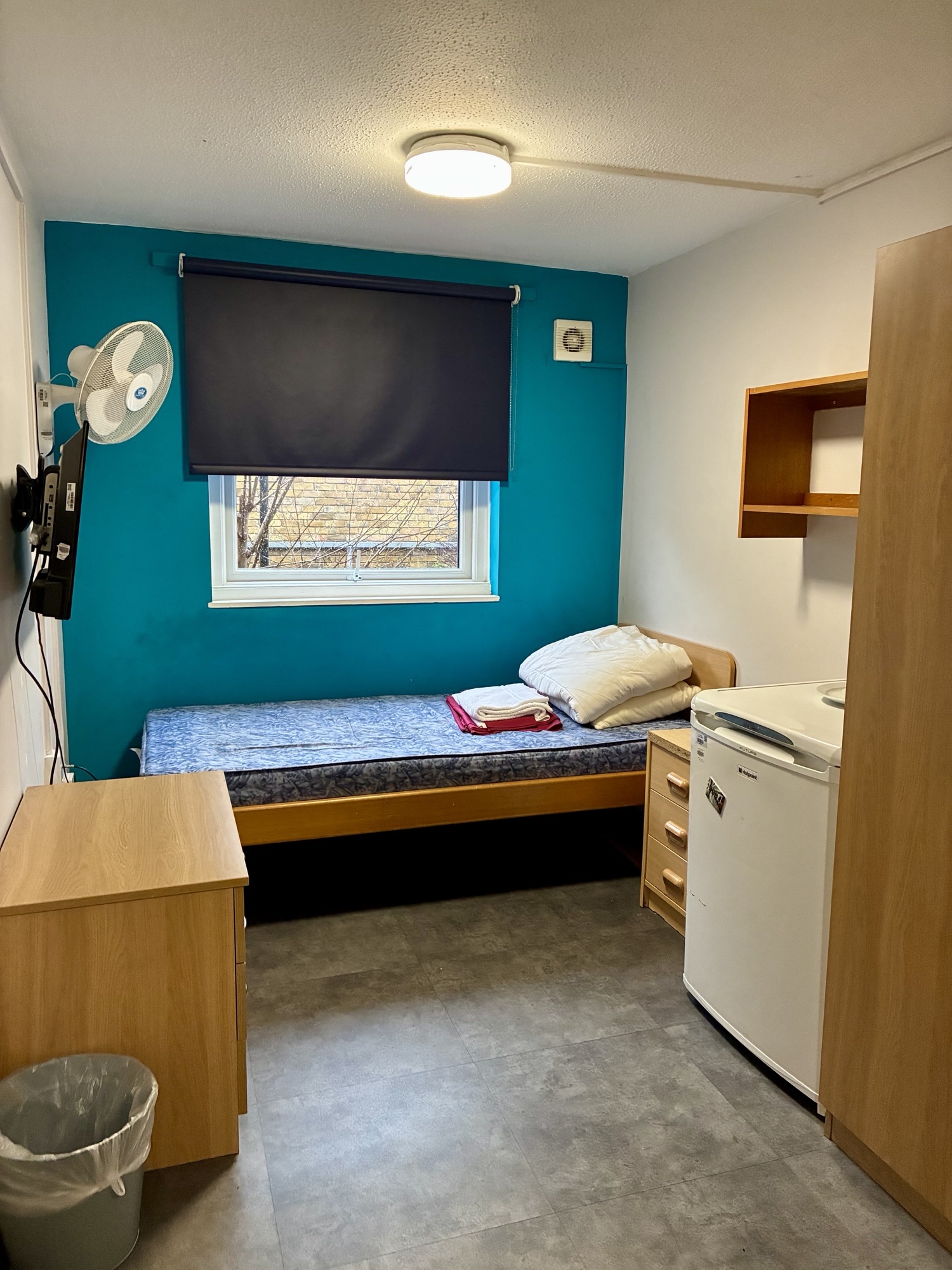
- It was positive that all bedrooms at Westbourne were single occupancy, providing residents with privacy and dignity, and supporting their personal wellbeing.
- Staff and visitors were provided with personal assistance alarms, which were tested before being handed out. Observation of evening handover confirmed that staff checked panic alarms, master keys and fobs at the start of each shift to ensure equipment was present and functioning. There was also excellent closed‑circuit television (CCTV) coverage. This had advanced features, including zoom capability, and was of an exceptional quality. Body-worn cameras were available and used during room searches and other key tasks.
Areas for improvement:
- Although medication administration was generally handled safely and in line with policy, storage arrangements did not meet required standards. Medication for different residents was kept together in the same lockers and controlled and non-controlled drugs were stored in the same plastic containers, contrary to policy. There were only 10 lockers for a 41-bed AP, which meant that multiple residents’ medication had to be stored together. Weekly medication in possession (MIP) audits were completed by only one staff member rather than the required two, and there was no central register that identified who had MIP, making oversight inconsistent. In summary, medication administration was largely safe and well managed, but storage practices and MIP auditing required significant improvement to meet policy and ensure secure handling. These issues were fed back to the manager while inspectors were on site and corrective action started immediately.
- We received generally negative feedback from residents about the AP’s environment and bedrooms. Some mentioned a lack of cleanliness, poor-quality mattresses and rooms being too small. Inspectors verified that the wider environment was not consistently clean or well maintained, largely due to longstanding facilities management issues rather than staff practice. Residents also acknowledged that a lot of the hygiene issues were down to other residents and not the building itself.
- Laundry facilities were insufficient, with only two washing machines and one functioning tumble dryer for 41 residents, despite repeated escalation to contractors. This required urgent attention.
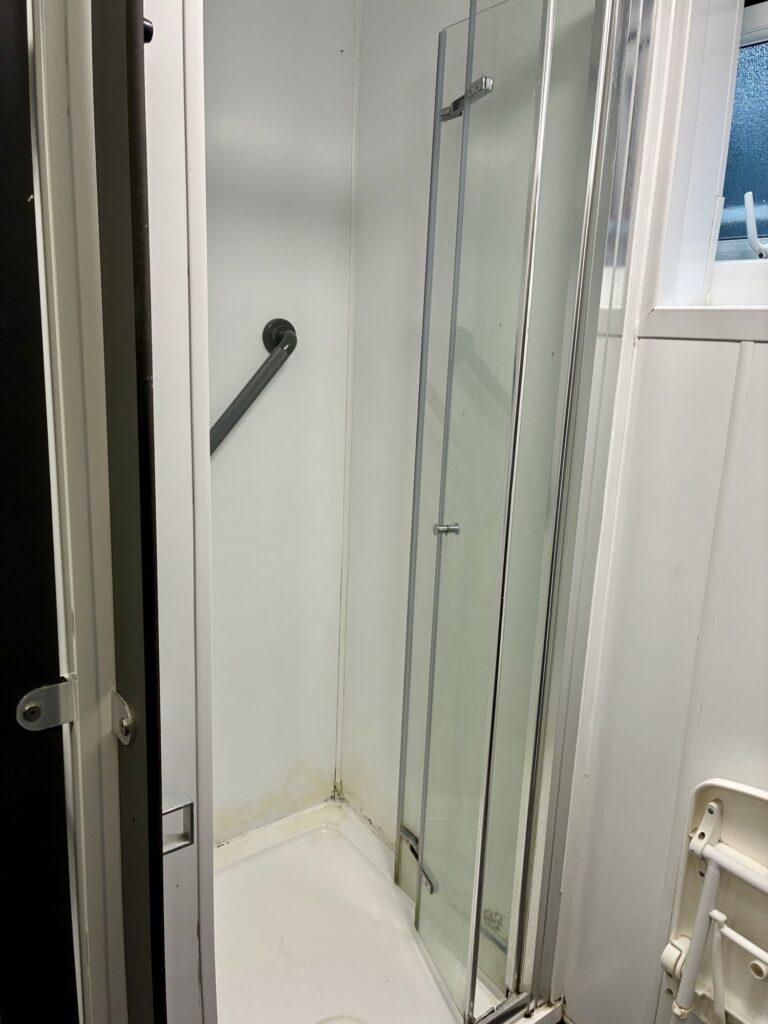
- Staff reported persistent problems with low water pressure and water temperature, including cold showers, which had been a recurring issue for residents. Residents also highlighted that shower cubicles were too small and inadequate to enable thorough washing. Two bathrooms were out of use at the time of our fieldwork, and one of these had been for a number of months. These issues had been escalated to facilities management. Although difficult in a 41-bed AP, this issue required ongoing attention by staff and managers.
Public protection (Back to top)
| The approved premises effectively protects the public | Rating |
| Good |
Strengths:
- Westbourne House was represented at all relevant multi-agency public protection arrangements (MAPPA) meetings. The manager attended every meeting, the area manager attended those for MAPPA Level 3 cases, and PSOs attended when they were the key worker.
- The AP was familiar with enforcement and improvement planning processes and used them effectively to address behavioural issues. Decisions made out of hours demonstrated the AP’s ability to assess and respond promptly to emerging risks.
- The manager gave examples of the team at Westbourne House taking swift and appropriate action in relation to both child and adult safeguarding, escalating these to probation practitioners and other agencies as necessary. For example, when staff became aware that a domestic abuse perpetrator had contact with their victim, this was reported immediately to the probation practitioner as a safeguarding concern.
- It was the manager’s expectation and staff’s understanding that three-way meetings and regular liaison with probation practitioners should occur in all cases.
- The process for recording and monitoring compliance with licence conditions in the main office, including sign-ins and curfews, was easily accessible and robust. Moreover, the daily handover process would trigger email summaries of urgent information, with risks shared promptly with practitioners when needed.
- There was routine weekly information-sharing with the police about the resident population at Westbourne House, to support wider community safety activity in the local area. The manager had also appropriately escalated previous concerns about slow recall responses to the police and things had since improved.
- As mentioned, the AP had sound working relationships with health professionals and regularly shared relevant information about risk with the doctor’s surgery and pharmacy to ensure staff safety when dealing with particularly dangerous residents. The manager also provided examples of the AP escalating concerns to the CMHT when residents were in crisis, and the team’s response and the support provided were timely and effective.
- We observed both morning and evening handovers and these were generally comprehensive and appropriately recorded, with a discussion about every resident. Staff used professional curiosity in these meetings, and it was evident from discussions that relevant observations were made by staff about residents throughout the day. The formal handover document itself contained key offence and background information for each resident. It also contained a brief daily log of the resident’s activity.
- We were provided with an extensive range of case examples from the three months leading up to our inspection where drug and alcohol testing had been carried out and appropriate decisions made in instances of positive tests and escalating risk. Overall, drug and alcohol testing was used effectively to monitor and manage risk and was deemed by inspectors to have been administered appropriately in all relevant inspected cases.
Areas for improvement:
- Although regular liaison with probation practitioners and three-way meetings were established and common practice, inspectors viewed effective collaboration with probation practitioners to be insufficient in three of the eight inspected cases. This possibly highlighted inconsistency in the quality of case recording at Westbourne House, reported to be a symptom of the difficult staffing situation in the AP.
- Although the police’s response to recalls had improved, staff reported that the response to Westbourne panic alarms was too slow. This was something that the manager was trying to resolve.
- In line with national AP protocols, allocation decisions were made by the Central Referrals Unit (CRU), with limited involvement of local management. The AP manager reported that the CRU routinely applied a flat 10 per cent overbooking rate that was not informed by local intelligence. This created operational pressure and last-minute placement changes that the AP then had to resolve. While this overbooking process was applied on the basis that capacity would often change due to recalls and non-arrivals, the policy states that where placements cannot be met, the CRU should work jointly with the AP manager to identify alternatives. In practice, this was not happening; responsibility for resolving overbookings fell entirely to the AP manager, increasing workload and operational pressure.
- During fieldwork, eight new arrivals were due on one of the days. This put significant pressure on staff at Westbourne House, who had to safely prepare for their reception and deliver a thorough induction to each person. One of the eight had to be directed to another AP after arrival, and a staff member had the unenviable task of communicating this last-minute change to the resident in person. High numbers of arrivals in one day and short notice placements were becoming more frequent at Westbourne. Inspectors deemed these practices to be unsafe.
Rehabilitation (Back to top)
| The approved premises delivers activity to reduce reoffending | Rating |
| Good |
Strengths:
- The AP collaborated with external organisations to provide a range of rehabilitative support, including substance misuse interventions, ETE provision, health related activities and living skills sessions. Residents had access to a varied programme that included CGL sessions, ETE support, men’s health groups, yoga and gym passes, which offered opportunities for positive engagement. In five of the eight inspected cases, other agencies were deemed by inspectors to have been appropriately involved in the delivery of services or support to promote the resident’s rehabilitation.
- Rehabilitative activities were aligned with probation practitioners’ work in most inspected cases, contributing to a coherent approach to reducing reoffending.
- Inspectors deemed residents to have received a suitable and timely induction into the AP in every inspected case. Westbourne House also performed above the national average for timely delivery of the two-stage induction process on a consistent basis. Overall, we found induction practice to be comprehensive, professional, structured and appropriately sensitive.
- The manager had clear expectations about pre-arrival contact with residents and this was encouraged in all cases, where time allowed. However, the high number of short-notice placements and the poor staffing situation prevented it from happening consistently. Encouragingly, residence plans were completed before arrival in all inspected cases, enabling early engagement and structured support.
- Throughout our fieldwork, inspectors observed both formal and informal interactions between staff and residents and these were all professional, respectful and appropriate – an important foundation for rehabilitative work. Eight of the 10 residents who were interviewed said that they were ‘always’ treated with dignity and respect. Another told us that this happened ‘most of the time’ and one responded to this question with ‘rarely’. Case records showed positive relationships between staff and residents in seven of the eight cases reviewed.
- Frequent keywork took place across the inspection sample, and the majority of residents rated their keywork sessions as either ‘excellent’ or ‘good’.
- There was a clear move-on plan for residents, which included the actions needed to facilitate move-on, in seven of the eight inspected cases.
Areas for improvement:
- The manager was aware that the quality of keywork recording was a work in progress. However, appropriately, it was completed to a better standard in the higher-risk cases.
- Detail regarding the work delivered within these rehabilitative activities was not aways recorded in case records, particularly the sessions provided by other agencies. It would be beneficial for management to develop these partnerships further by establishing formal information-sharing and recording agreements with the other agencies.
- Only two of the 10 interviewed residents received contact from AP staff before arriving at Westbourne House, Only two of the 10 interviewed residents received contact from AP staff before arriving at Westbourne House. This meant that most residents did not have an opportunity to ask questions, understand what to expect, or begin building a rapport with staff before entering what can be an unfamiliar and high‑pressure environment.
- Although we were made aware of examples of staff supporting residents to move on from the AP, there were limitations. Obtaining accommodation in the local area was difficult, very expensive and often out of reach for many residents. Westbourne House would benefit from developing a specific rehabilitation activity or partnership focused on housing and move-on.
Press release (Back to top)
Westbourne House Approved Premises in London rated ‘Good’ following inspection
Inspection response letter (Back to top)
Further information (Back to top)
This inspection was led by HM Inspector Stuart Tasker, supported by a team of inspectors and colleagues from across the Inspectorate. We would like to thank all those who helped plan and took part in the inspection; without their help and cooperation, the inspection would not have been possible.
Images (Back to top)