An inspection of Ascot House Approved Premises
Foreword (Back to top)
Our inspection of Ascot House Approved Premises (AP) highlighted both strengths and weaknesses. We saw examples of good practice, including strong leadership, effective collaboration with partner agencies, and a clear commitment to staff and resident wellbeing. These strengths provide a solid platform for improvement.
However, we also identified gaps in critical areas of risk management. Staff demonstrated commitment, but their ability to apply professional curiosity and manage risk effectively was limited by training and development needs. The AP had experienced a particularly challenging period of staffing shortages, which inevitably impacted performance and the completion of essential tasks. Although staffing levels had improved, they were still below the minimum required, and there was no guidance on prioritising tasks when resources were stretched.
We have rated Ascot House as ‘Requires improvement’ and our recommendations focus on getting the basics right: strengthening processes, clarifying responsibilities, and embedding consistent practice.
These steps will provide Ascot House with the foundations it needs to deliver a safer, more effective service and to build on the positive work already under way.
Martin Jones CBE
HM Chief Inspector of Probation
Background information (Back to top)
| Total number of approved premises nationally | 104 |
| Length of time on site by inspectors, including out-of-hours activity | Two days |
| Total number of beds in Ascot House | 25 |
| Average length of residents’ stay at Ascot House | 44 days |
Nationally
APs play a vital role in managing some of the highest-risk individuals supervised by the Probation Service. There are 104 APs across England and Wales, most of which are for men only, with eight dedicated to women. Twelve APs operate as psychologically informed planned environments, co-commissioned with NHS England. Fourteen APs are independently run by third-sector providers under contract and in partnership with HM Prison and Probation Service, including five of the eight women’s APs.
Locally
Ascot House AP is a 25-bed facility in Stockport for men. The premises includes 15 single rooms and five double rooms. At the time of our inspection, 18 residents were accommodated.
Our inspection methodology
We carried out our inspection of Ascot House AP during the week beginning 17 November 2025. This included an off-site review of eight cases involving individuals who were either current residents or had left the AP within the previous three months. During our on-site fieldwork, we observed practice, interviewed managers and staff, both individually and in groups, and gathered feedback from six current residents about their experiences. We also observed the AP’s out-of-hours operations, including early morning and evening shift handovers, and conducted a review of recent enforcement and recall decisions.
Ratings (Back to top)
| Fieldwork started November 2025 | Score 7/15 |
| Overall rating | Requires improvement |
| Standard | Score | Rating |
| Leadership | 2 | Good |
| Staffing | 1 | Requires improvement |
| Safety | 2 | Good |
| Public protection | 1 | Requires improvement |
| Rehabilitation | 1 | Requires improvement |
Recommendations (Back to top)
As a result of our inspection findings, we have made the following recommendations that we believe, if implemented, will have a positive impact on the quality of services delivered at Ascot House.
The Ascot House leadership team should:
- embed routine quality assurance processes at a local level, making use of support from the national team, to improve the consistency and quality of work with residents
- engage all staff in a programme of training and development that will strengthen understanding of risk and promote professional curiosity in practice
- strengthen equity, diversity, and inclusion (EDI) arrangements, including formal mechanisms for gathering and analysing EDI data and ensuring that facilities meet diverse needs
- increase the frequency and structure of staff supervision, to improve oversight and enhance the quality of casework
- clarify and review staff role boundaries and responsibilities, to strengthen accountability and ensure the timely completion of tasks
- review and improve handover processes, to ensure that they capture dynamic risk information and support effective safeguarding and public protection
- develop and deliver a structured programme of rehabilitative activities, ensuring alignment with sentence plans, and consistent engagement from staff.
HM Prison and Probation Service should:
- provide clear national guidance on room-share suitability assessments and disseminate it across the AP estate and probation delivery units (PDUs), to ensure safe and consistent practice
- develop and communicate clear guidance on prioritising tasks when staffing levels fall below minimum requirements, to ensure that critical work is managed effectively and risks are mitigated
- evaluate the effectiveness of residence plans and revise processes accordingly, to enhance effectiveness and outcomes.
Leadership and governance (Back to top)
| Leadership and governance drive the delivery of a high-quality service. | Rating |
| Good |
Strengths:
- Leaders were actively engaged and approachable, showing attentiveness to welfare and wellbeing. The manager demonstrated a strong commitment to balancing the need for clear expectations with the provision of constructive feedback, while offering robust support to the team. In addition, senior leaders had introduced a monthly virtual touchpoint meeting via Microsoft Teams, providing all staff with an open forum to raise concerns and share feedback.
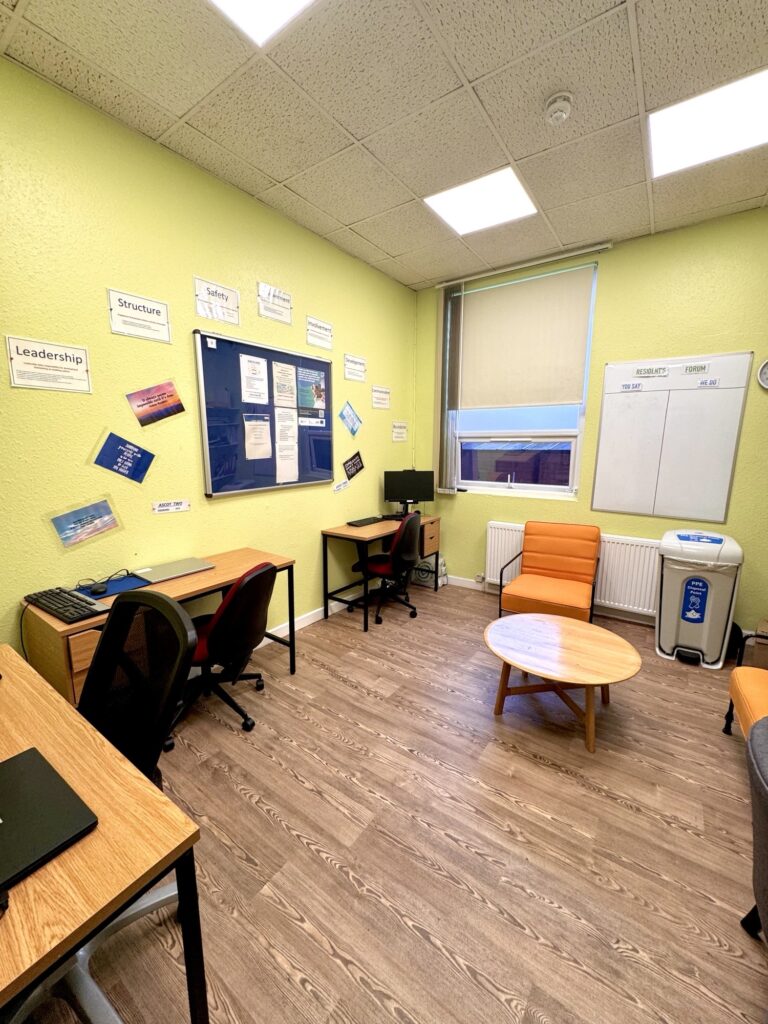
- The AP encouraged resident engagement through regular forums and meetings, including a weekly welcome session for new arrivals and a voluntary residents’ forum. These provided opportunities to clarify induction information, raise questions, and share feedback on life within the AP. This approach led to positive changes, such as improved access to digital resources to support resettlement activities. Residents’ views were also represented at a national diversity forum, ensuring that feedback informed wider learning and practice across the division.
- There was collaboration with various agencies and organisations to support risk management and resident wellbeing. Inspectors found effective links with local policing, including arrangements to share information and manage high-risk individuals, alongside established relationships with health services and pharmacies to ensure continuity of care. Additional support was provided through partnerships with organisations offering employment advice, accommodation assistance, and wellbeing interventions, which contributed to residents’ resettlement.
- There was effective quality assurance of serious incidents, supported by the national team, with reviews completed promptly and learning shared to inform improvements. We saw evidence of early review processes being applied following a recent incident, which helped identify strengths and areas for development.
- There was a commitment to staff engagement and development through regular opportunities to connect with leaders and access training. Twice-yearly engagement events for staff provided opportunities to raise issues directly with senior managers and participate in learning sessions. Annual all-staff events also provided innovative training, such as interactive drama-based workshops, arranged in response to staff feedback. These initiatives, alongside structured forums and reflective spaces, aimed to increase staff confidence in managing challenging situations.
- Risks to delivery were understood and mitigated effectively. A personalised business continuity plan was in place, and leaders took proactive steps to address staffing challenges, including securing additional resources to enable flexibility across AP sites within the division. These measures ensured continuity of service and a reduced reliance on on-call managers to cover shifts.
Areas for improvement:
- Ascot House did not have a documented vision, although there were plans to develop one.
- Quality assurance arrangements needed strengthening. National processes focused largely on quantitative performance data, with limited attention to the qualitative aspects of casework. Outside of serious incident reviews, which were managed well, most assurance activity relied on local arrangements that were difficult to sustain because of limited management capacity and workload pressures. Some previously established initiatives had lapsed, and while a peer review framework existed at divisional level, Ascot House had not yet benefited from this. Although management oversight was evident in casework, there were no routine processes to confirm that directed actions were completed.
- While there were examples of positive initiatives, such as the celebration of Black History Month, overall approaches to EDI were not fully embedded. Practice in meeting residents’ diversity needs was inconsistent, and arrangements intended to address these, including room allocation and dietary provision, were not always applied. EDI practice needed to be strengthened, with consistent application across all aspects of service delivery.
Staffing (Back to top)
| Staff are enabled to deliver a high-quality service for residents. | Rating |
| Requires improvement |
Strengths:
- The manager delivered a structured and tailored local induction for new staff, typically lasting several weeks and adapted to individual experience. This process included regular review meetings and bespoke training on key areas, complemented by access to mandatory modules, national induction resources, and specialist input where needed.
- Despite significant staffing challenges in recent months, the AP remained operational because of the flexibility and commitment of staff, who stepped in to cover additional shifts when needed. Leaders anticipated potential rota gaps and mitigated these effectively by drawing on resources from a nearby AP, ensuring continuity of service.
- Residents spoke positively about staff, describing them as approachable, supportive, and willing to help. Staff demonstrated a strong commitment to residents’ wellbeing, with some providing additional support when needed. Survey responses also indicated that most residents felt treated with dignity and respect.
- Residents’ individual needs were considered regularly through a range of forums, including a weekly management-led oversight meeting and twice-monthly reflective practice sessions facilitated by the offender personality disorder team.
- The division demonstrated a strong commitment to staff wellbeing and recognition. A structured reward and recognition culture was embedded, with initiatives such as newsletters celebrating achievements, and formal panels acknowledging exceptional contributions. Wellbeing was supported through national schemes and personalised local approaches, including one-to-one conversations, practical adjustments, and timely referrals to specialist services. Inspectors also observed examples of reasonable adjustments, such as phased return-to-work arrangements, and staff told us that they felt well supported by management.
- The AP manager had applied relevant human resources policies and procedures to address staff behaviour and performance. This demonstrated a clear commitment to maintaining professional standards and ensuring accountability.
- Staff training records showed completion of mandatory eLearning modules linked to the annual competency-based framework, including safeguarding training. During fieldwork, we observed some areas of effective operational practice among the staff group, particularly in medication management and resident induction.
Areas for improvement:
- Ascot House was staffed in line with the current national staffing model for APs. Although the service had faced significant staffing challenges in the six months before the inspection, it had regained a full complement of residential workers (RWs). However, there remained a shortfall at probation services officer (PSO) grade, with only one currently in post. Introducing the lead practitioner (LP) role had helped to reduce managers’ workload, but filling it internally, with an existing PSO, had introduced a further staffing gap, alongside another PSO vacancy.
- We found that staffing was stretched and not sufficient for the size and profile of the AP. The LP was carrying out additional responsibilities, while also continuing to undertake PSO tasks and keywork duties. In our view, this left insufficient capacity to perform both roles to a satisfactory standard. Furthermore, because of recent RW vacancies, both the PSO and the LP were required to provide RW cover when necessary. Although an informal arrangement allowed for an additional staff member to be on duty when four or more residents were scheduled to arrive, staff told us that this was not always implemented. Managing a high number of arrivals and inductions was identified as a source of anxiety for some staff.
- The AP manager’s role was wide ranging, and, while motivated and proud to work in the AP, they acknowledged that not all tasks could be completed because of significant daily demands. Although the introduction of the LP role had eased some of this workload, it had also created a tendency for staff to defer to the LP for direction. Tasks such as room searches, drug testing, and rehabilitative activities were often coordinated by the LP, who delegated via email and scheduled them in staff diaries. This approach appeared to have reduced autonomy and confidence among some staff, and inspectors observed instances where certain staff were less proactive in initiating and completing tasks.
- During the fieldwork, we found that staff were generally responsive to immediate issues concerning residents. However, their approach was largely linear and task focused, and they demonstrated a limited ability to connect information or anticipate broader risks. This reflected gaps in professional curiosity and an underdeveloped understanding of risk, which restricted their ability to identify and address issues. This appeared to be a skills gap rather than one of attitude, as staff were polite and respectful in their interactions.
- Management oversight was inconsistent across cases and, given the issues identified within casework, greater scrutiny would have been beneficial. Inspectors noted that while issues raised by staff were generally addressed promptly, staff did not always recognise wider concerns, which meant that some matters were not escalated to the AP manager. As a result, residents’ needs were not met consistently, and only three of the eight inspected cases in our review demonstrated that staff had fully met those needs.
- Staff motivation and engagement varied across the group, with some individuals demonstrating a strong commitment to their work. There were identifiable factors influencing morale, including frustrations when tasks were left incomplete and a tendency for some staff to take a less proactive role. At times during the fieldwork, inspectors found it difficult to gauge staff engagement, as some staff chose not to respond to certain questions posed.
- The frequency of formal supervision was not aligned with policy, typically occurring three times a year to meet performance and competency-based framework requirements – a mechanism by which staff progress through their pay scale. While informal check-ins and real-time feedback were provided, increasing the regularity of structured supervision sessions would have strengthened compliance and helped drive improvements in the quality of casework.
Safety (Back to top)
| The approved premises provides a safe, healthy, and dignified environment for staff and residents. | Rating |
| Good |
Strengths:
- Initial assessments of residents’ suicide and self-harm risks were completed promptly in all inspected cases. We also found evidence of meaningful countersigning, with the AP manager directing actions where assessments were incomplete or were of insufficient quality.
- A review of medication processes confirmed that the AP had safe and secure arrangements in place, fully aligned with policy. The AP manager had assessed staff’s competency in medication practice, and we observed strong operational practice in this area.
- During the fieldwork and our review of cases, we observed examples of staff taking timely action to safeguard residents. This included arranging GP appointments, signposting individuals to the Samaritans, and escalating concerns about missed medication.
- Residents understood the expectations of behaviour. Recognising that the volume of information provided at induction could be difficult to absorb fully, the AP held weekly meetings for new arrivals, to revisit behavioural expectations and rules, and to provide an opportunity for clarification. We also found evidence that staff were familiar with enforcement and improvement planning processes and had applied these to address behavioural issues effectively.
- Compliance with the welfare check policy, particularly the additional roused response checks required during the first three weeks for residents with substance misuse risks, was consistently robust. This process was well understood by both staff and residents, and supported by strong management oversight.
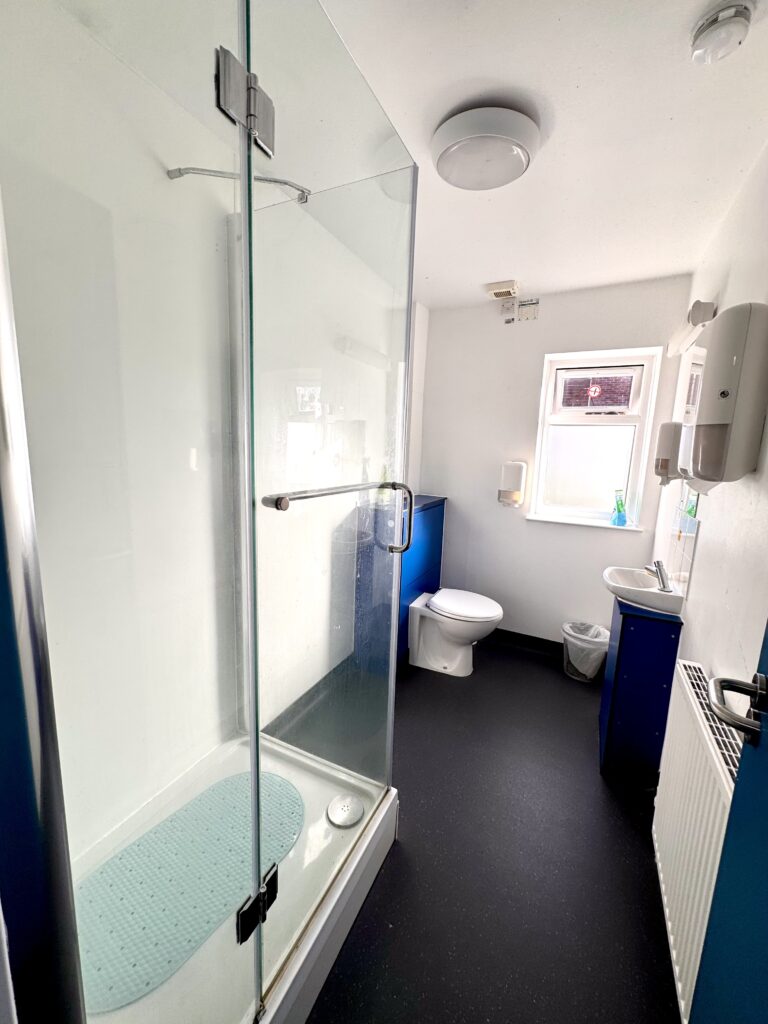
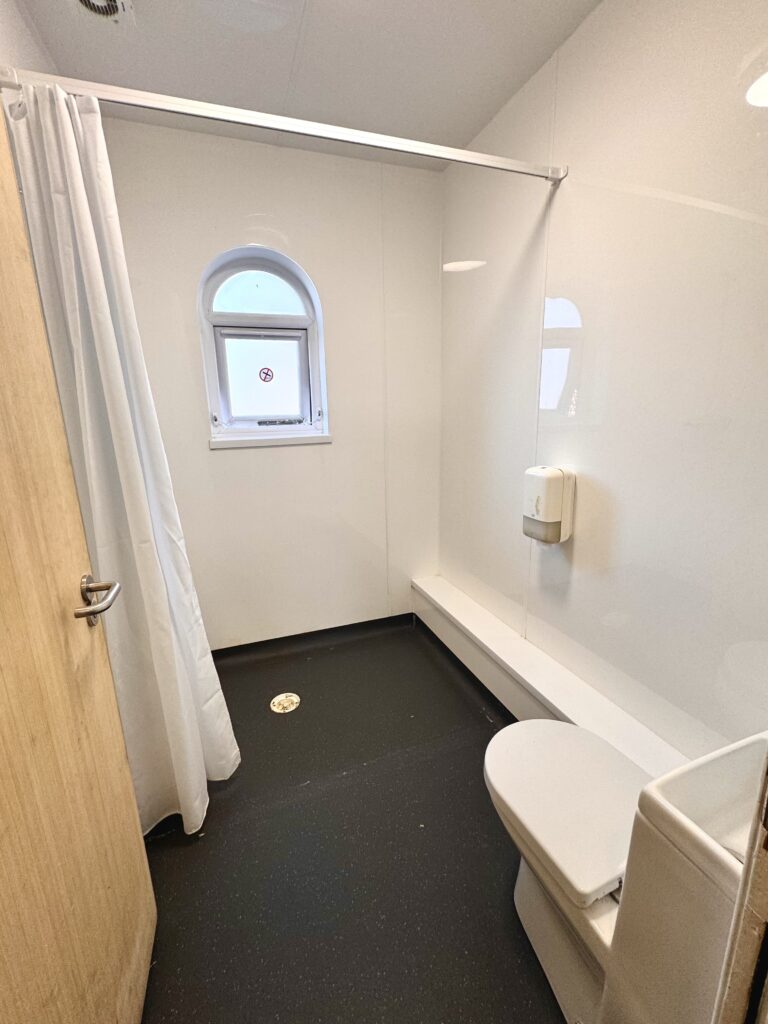
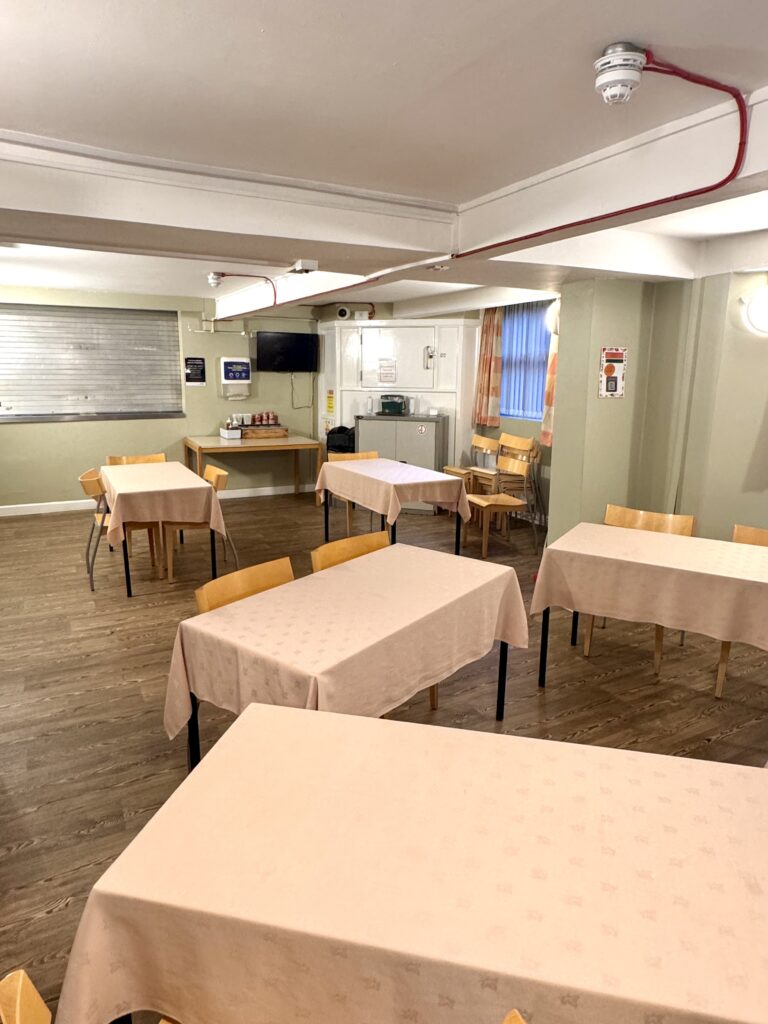
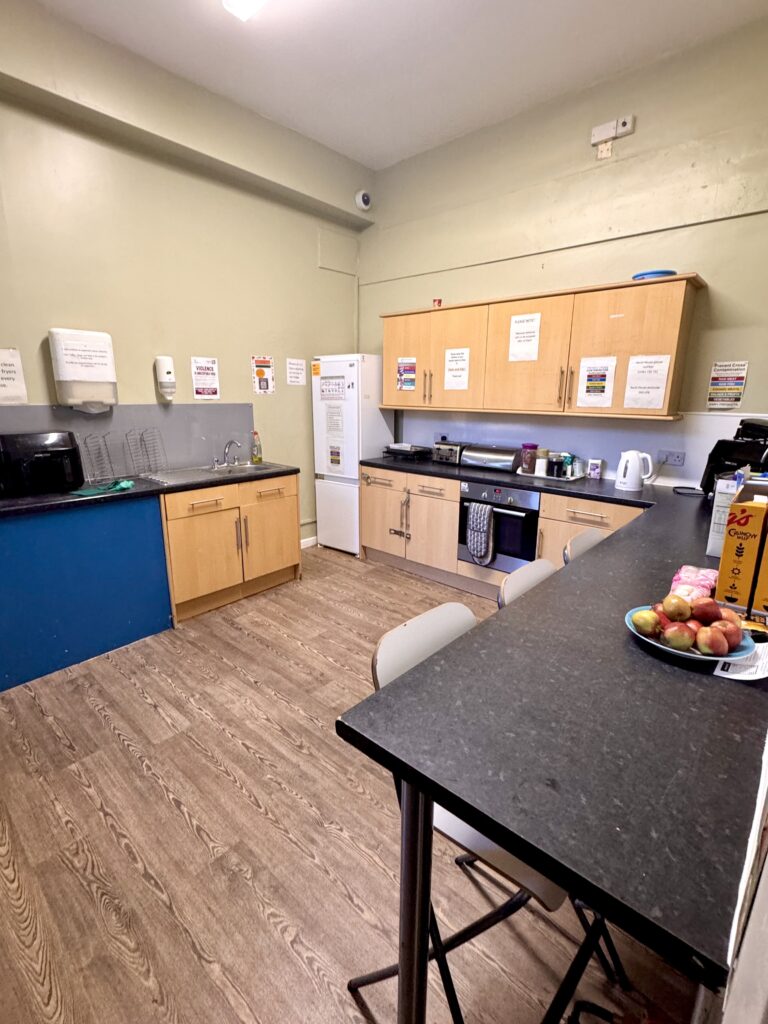
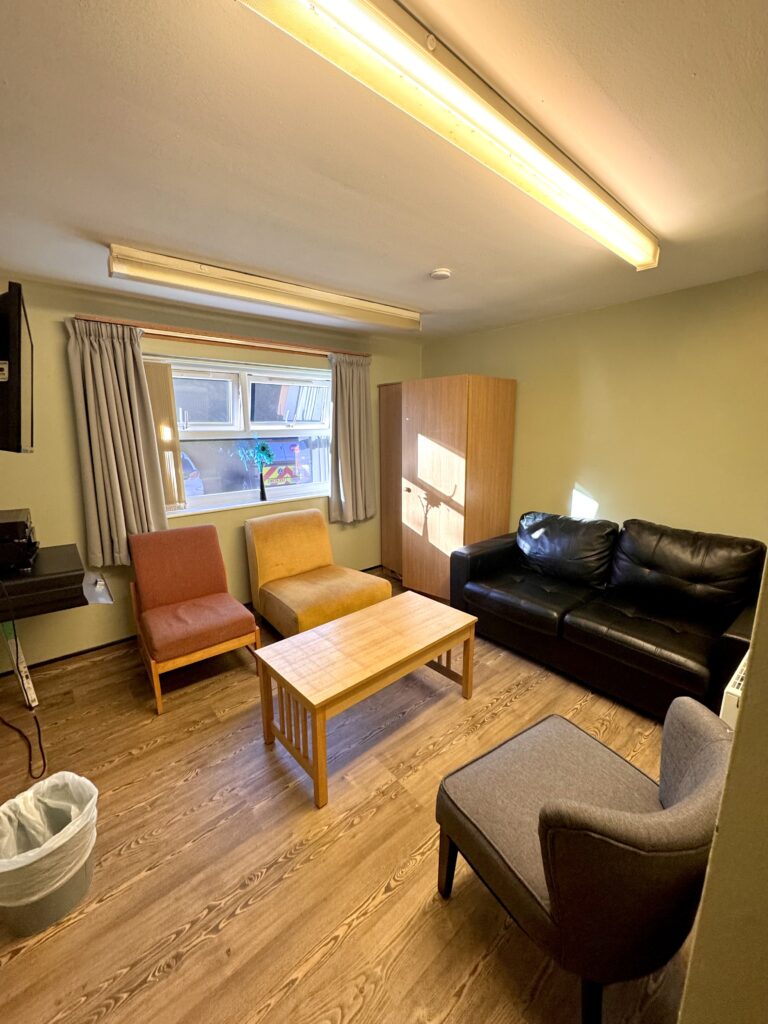
- The AP was clean and generally well maintained. There was a good working relationship with the regional facilities management team, and repairs and work orders were completed promptly. In addition, there was a handyman on site one day a week, who was able to address most routine repairs. Residents praised the catering provision in the AP and were complimentary about the food served.
- The AP had a dedicated ground-floor en-suite room that served multiple purposes. It was reserved for transgender residents, to ensure privacy and access to their own bathroom, and was also prioritised for individuals needing longer-term placements. This allocation provided enhanced privacy, security, and a more suitable and respectful environment for these residents.
- Security measures were robust, including body-worn video cameras and comprehensive closed-circuit television coverage, ensuring a safe and secure environment.
Areas for improvement:
- Policy required that assessments of suicide and self-harm risks were reviewed within 14 days of a resident’s arrival. However, only half of the inspected cases had been reviewed during the period of residency, and performance in this area had consistently fallen short of expected standards over the six months preceding the inspection. While staffing resources had been extremely stretched during this time, there was no national or local guidance provided to help prioritise key processes.
- While we observed some good safeguarding practice, we also identified missed opportunities, including cases where risks linked to previous self-harm episodes were not fully considered.
- The AP had five double rooms, requiring some residents to share. The practice of room sharing compromised the decency of provision, particularly in one shared bedroom where beds were positioned very close together, resulting in limited privacy and dignity.
- A key challenge highlighted to the inspection team was the delay in receiving medication discharge summaries from prison healthcare departments. Combined with the practice of releasing residents with only a seven-day supply of medication, this placed additional pressure on staff to secure the necessary documentation to enable timely GP registration and maintain continuity of treatment. This was particularly critical for residents prescribed anti-psychotic medication, which played an essential role in managing their risks safely.
Public protection (Back to top)
| The approved premises effectively protects the public. | Rating |
| Requires improvement |
Strengths:
- Ascot House was appropriately represented at multi-agency public protection arrangements (MAPPA) Level 2 and 3 meetings by the AP manager.
- The AP operated a structured logging system for MAPPA Level 2 and 3 cases. Staff recorded all movements, interactions, and appointments in a handwritten log, which was subsequently typed up and circulated daily to key agencies, including the police, to ensure real-time oversight. For Level 2 cases, logs were maintained for the initial two weeks and then reviewed, while for Level 3 cases, logs were kept for the entirety of the placement.
- In the majority of inspected cases, we found evidence of effective collaboration between AP staff and probation practitioners to manage risk and protect the public. This included the use of three-way meetings and timely information sharing by AP staff to support risk management.
- The AP demonstrated strong collaborative relationships with local PDUs. The manager attended monthly forums to share operational updates, raise concerns, and respond to queries, while the area manager further strengthened engagement by delivering sessions to trainee probation practitioners, to enhance their understanding of AP processes.
- A review of enforcement decisions, including those made out-of-hours, demonstrated the AP’s ability to assess and respond promptly to emerging risks. We also found that enforcement decisions were recorded clearly and consistently.
- Records reviewed during the inspection showed that drug testing procedures were well established, with tests conducted appropriately in response to risk and suspicion. We also found evidence of results being cross-referenced with prescribed medication, referrals to substance misuse services, and increased testing frequency following positive results.
Areas for improvement:
- Following recent legislative changes to ease the pressure on prisons, referrals to APs had increased significantly, resulting in routine overbooking by the central referrals unit (CRU). Although capacity could fluctuate as a result of early departures and non-arrivals, policy required the CRU to work jointly with AP managers to identify alternatives when placements could not be accommodated. In practice, this was not happening; responsibility for resolving overbookings fell entirely to the AP manager, increasing workload and operational pressure. Inspectors found instances where placements had been changed at very short notice, leaving insufficient time for preparation and with little consideration of the impact on residents.
- As a result of time pressures and high referral volumes, the AP manager was unable to review all referrals in detail before arrival, although each had been checked by a CRU manager of equivalent grade. During the fieldwork, we identified serious concerns with the room-share suitability process, whereby inaccurate assessments had been made, based on incomplete information from probation practitioners. This highlighted a systemic vulnerability and the need for clearer guidance and more robust checks to ensure the appropriate and safe placement of residents.
- Shift handover arrangements were insufficient. Morning and evening handovers were basic, focusing mainly on residents’ whereabouts, with limited professional curiosity and poor communication between staff. The handover document lacked dynamic, risk-focused information, was not consistently uploaded to electronic case files, and contained inaccuracies that were accepted without challenge.
- Inspectors found limited evidence of alcohol testing. Some residents experienced delays in having alcohol monitoring tags fitted and were not tested during those periods. While the AP manager expressed confidence that breathalyser tests were being carried out, they acknowledged concerns about the accuracy and consistency of staff recording practices.
Rehabilitation (Back to top)
| The approved premises delivers activity to reduce reoffending. | Rating |
| Requires improvement |
Strengths:
- There were established arrangements with local services to support residents’ rehabilitation. These included partnerships with the Creating Future Opportunities hub, which offered employment advice, skills development, and wellbeing support; Ingeus, providing accommodation assistance for those at risk of homelessness; and a hepatitis C nurse, who undertook healthcare testing with residents. Additionally, food bank donations ensured access to essential provisions. Residents with substance misuse issues were linked effectively to Pennine Care NHS Trust and attended appointments at their offices in Stockport, ensuring the continuity of specialist support.
- The majority of cases inspected were assessed as receiving a suitable and timely induction, which helped residents settle into the placement effectively. Feedback from those interviewed was positive, with many describing their induction as good or excellent, reflecting the quality and consistency of the process.
- There was clear evidence of positive relationships between staff and residents that supported rehabilitation. Keywork sessions in the majority of inspected cases demonstrated constructive engagement and a collaborative approach. Residents reported that staff were consistently available to provide support when needed, and our fieldwork observations confirmed that AP staff showed genuine commitment and a positive regard for those in their care.
- Arrangements were in place to support residents with their move-on. Ingeus maintained a weekly presence at the AP, offering accommodation advice to individuals at risk of homelessness as their placements ended. Keyworkers could raise concerns during weekly management oversight meetings, enabling the manager to escalate issues to PDU colleagues for further action. We also observed examples of compassionate practice, where the AP manager allowed former residents experiencing homelessness to return for a shower and a hot meal, with appropriate risk management in place.
Areas for improvement:
- Residence plans had been completed before arrival in all inspected cases, but they did not consistently set out clear expectations for the stay at the AP. The quality of these plans was mixed; some were well constructed, individualised, and included details specific to the placement, while others relied heavily on copied content from electronic records. In practice, residence plans appeared to serve more of an administrative than a practical function and were rarely used by AP staff in day-to-day work. As a result, rehabilitative activities delivered by the AP were not well aligned with the work being undertaken by the PDU, limiting opportunities for a coordinated approach to supporting residents.
- The AP was understaffed at PSO grade, which had led to inconsistencies in the quality, frequency, and recording of keywork sessions. When sessions did take place, they delivered limited outcomes, with the focus largely on providing emotional support and revisiting residents’ circumstances, rather than delivering structured interventions or rehabilitative work.
- There was a need for more structured and consistent rehabilitative activities, to meet the needs of all residents. Although there was a timetable of planned activities, some did not take place. Staff interviews indicated that rehabilitative activities were often viewed as optional and, as a result, were not prioritised. During the fieldwork, we observed that residents spent most of their time away from the AP, and feedback from interviews reflected dissatisfaction with the current rehabilitative offer, with the majority rating it as only fair or poor. While there were examples of well-delivered activities, such as Black History Month celebrations, the overall provision was insufficient to support meaningful rehabilitation.
Press release (Back to top)
Further information (Back to top)
This inspection was led by HM Inspector Claire Andrews, supported by a team of inspectors and colleagues from across the Inspectorate. We would like to thank all those who helped plan and took part in the inspection; without their help and cooperation, the inspection would not have been possible.
Images (Back to top)