An inspection of Eden House Approved Premises
Foreword (Back to top)
We inspected Eden House Approved Premises (AP) during the week beginning 20 October 2025. This was the first inspection of a women’s, and independently operated, AP under the new inspection programme.
Eden House stood out for its distinctive approach. We found strong values underpinning its work with women, delivered by a highly skilled and stable staff team.
Staff showed a deep understanding of the specific needs of women in the criminal justice system and delivered high-quality, trauma-informed, gender-responsive services tailored to individual circumstances. As an independent AP, the benefits of local autonomy were also evident, contributing to the delivery of flexible and responsive support.
Eden House has been rated ‘Outstanding’ overall – an outcome that reflects its impressive leadership, extensive rehabilitative offer, and effective partnership arrangements.
While our recommendations primarily address system-wide issues, they aim to strengthen trauma-informed practice further, to ensure that work with women continues to be grounded in research and evidence.
Eden House exemplifies the rehabilitative culture we expect to see across the AP estate, and we look forward to sharing elements of its work as examples of effective practice. We wish the team every success for the future.
Martin Jones CBE
HM Chief Inspector of Probation
Background information (Back to top)
| Total number of approved premises nationally | 104 |
| Length of time on site, including out-of-hours activity | 2 days |
| Total number of beds in Eden House | 26 |
| Average length of residents’ stay at Eden House | 45 days |
Nationally
APs play a vital role in managing some of the highest-risk individuals supervised by the Probation Service. There are 104 APs across England and Wales, most of which are for men only, with eight dedicated to women. Twelve APs operate as psychologically informed planned environments, co-commissioned with NHS England. Fourteen APs are independently run by third-sector providers under contract and in partnership with HM Prison and Probation Service, including five of the eight women’s APs.
Locally
Eden House is an independent AP for women, located in Bristol and operated by Interventions Alliance. It opened in 2021, marking the first new AP to be established in over 30 years. Designed to accommodate up to 26 women, the facility offers a mix of room types: 18 single-occupancy rooms and four double-occupancy rooms. At the time of our fieldwork, 13 residents were in placement.
Our inspection methodology
We carried out our inspection of Eden House AP during the week beginning 20 October 2025. This included an off-site review of eight cases involving individuals who were either current residents or had left the AP within the previous three months. During our on-site fieldwork, we observed practice, interviewed managers and staff, both individually and in groups, and gathered feedback from seven current residents about their experiences. We also observed the AP’s ‘out-of-hours’ operations, including early morning and evening shift handovers, and conducted a review of recent enforcement and recall decisions.
Ratings (Back to top)
| Fieldwork started October 2025 | Score 13/15 |
| Overall rating | Outstanding |
| Standard | Score | Rating |
| Leadership | 3 | Outstanding |
| Staffing | 2 | Good |
| Safety | 2 | Good |
| Public protection | 3 | Outstanding |
| Rehabilitation | 3 | Outstanding |
Recommendations (Back to top)
As a result of our inspection findings, we have made the following recommendations that we believe, if implemented, will have a positive impact on the quality of services delivered at Eden House.
The Eden House leadership team should:
- establish systems and processes for dealing with short-notice referrals, to ensure that high-quality delivery is maintained
- ensure that welfare checks are undertaken in line with national policy, to safeguard residents at increased risk of overdose
- incorporate themes aligned with the equity, diversity, and inclusion (EDI) calendar, to enhance inclusivity and engagement with rehabilitative activities.
HM Prison and Probation Service should:
- develop evidence-based guidance for room-sharing arrangements, informed by research on the needs of women in the criminal justice system, to ensure consistent and fair assessments
- investigate and communicate the underlying reasons for the high volume of short-notice referrals, to enable better understanding and future planning
- strengthen information-sharing mechanisms between prisons and APs regarding transgender case boards, to ensure alignment with trauma-informed practice.
Leadership and governance (Back to top)
| Leadership and governance drive the delivery of a high-quality service. | Rating |
| Outstanding |
Strengths:
- Eden House had a clear identity as an independent AP, with a values-based vision underpinning its approach. Operational practices observed by inspectors consistently reflected this vision, demonstrating a strong alignment between the AP’s stated values and its day-to-day delivery. A consistent priority across the provision was the empowerment of women, supporting them to make informed choices and take ownership of decisions affecting their lives.
- The AP fostered a cohesive, compassionate, and inclusive culture that promoted mutual respect and psychological safety. Staff and residents were treated with dignity and care, supported by leadership that encouraged openness, transparency, and shared learning across the team. This commitment to inclusivity extended beyond internal practices, with leaders actively challenging negative perceptions and advocating for a more informed understanding of the resident cohort.
- During the fieldwork, we found that relationships between staff and leaders were positive, and staff appeared comfortable in interacting with leaders at all levels. There was no obvious hierarchy, with staff engaging freely and naturally with senior leaders, suggesting an environment where status did not act as a barrier to communication.
- There was a strong commitment to listening to and acting on residents’ feedback through a range of inclusive and transparent mechanisms. Residents were regularly invited to share their views via surveys, meetings, anonymous submissions, and focus groups, with feedback actively analysed and shared across the team. Resulting changes were communicated to residents through weekly meetings and noticeboard displays.
- Leaders had worked hard to develop effective relationships with a range of community organisations, to manage risk and create meaningful opportunities for residents. There was strong collaboration with the local policing team, healthcare providers, and a number of specialist services that delivered targeted interventions. The AP was well integrated within the local community, maintaining positive relationships with neighbours and engaging with organisations such as the local church and college to offer volunteering, educational, and wellbeing activities. In-reach work at HMP Eastwood Park further demonstrated the AP’s commitment to supporting women through transition and resettlement.
- There was a strong focus on performance, accountability, and continuous improvement. Leaders actively monitored service level measures and took prompt action where performance fell short, using structured reporting to identify and address underlying issues. Staff were engaged in regular discussions about performance, which helped reinforce expectations and support timely corrective action.
- A robust quality assurance framework was in place, supported by routine case reviews, observational insights, and external validation. To ensure preparedness in the event of disruption or service failure, leaders had also proactively conducted live drill scenarios and facilitated round-table discussions with staff to explore possible threats.
- Staff development was a key priority, and all staff, regardless of role or grade, had access to a comprehensive and varied learning offer. The people, professional standards, and development (PPSD) team was responsible for overseeing this area of delivery, and training was well coordinated and actively monitored. It was supported by a range of mechanisms, including reflective practice, case discussions, and quality assurance activities. Staff were also given opportunities to broaden their experience through shadowing and collaborative learning events.
- Leaders and staff demonstrated a clear commitment to EDI, with individual needs consistently considered in day-to-day practice. While strategic data collection was not yet in place, steps had been taken to address this gap through the recruitment of a data analyst. Staff showed awareness of diversity needs across all aspects of service delivery, and efforts were made to improve their understanding of transgender issues through lived experience input.
Areas for improvement:
- Leaders had identified the high volume of short-notice referrals as a contributing factor to challenges in being able to meet performance targets consistently. However, the underlying reasons for these referrals were not well understood and, as a result, arrivals were not always well prepared for. Given the evolving legislative and sentencing landscape, APs should anticipate short-notice referrals and establish clear processes to ensure that high-quality delivery is maintained.
- Eden House had accommodated several transgender individuals, with case boards held in line with policy and chaired by the Probation Service AP Area Manager. These meetings were appropriately documented; however, it was noted that the AP had not been invited to pre-release transgender case boards held in custody, and told us that they had not received the minutes from these discussions. In the absence of this information, residents were often required to reiterate their experiences on arrival, which was not consistent with trauma-informed practice. Mechanisms for sharing transgender case board minutes between prisons and APs should be strengthened, to support continuity of care and reduce unnecessary distress.
Staffing (Back to top)
| Staff are enabled to deliver a high-quality service for residents. | Rating |
| Good |
Strengths:
- Inspectors observed a happy, engaged, and passionate staff group who were clearly committed to supporting women to improve their lives. Staff demonstrated a strong desire to deliver a high-quality service grounded in good practice and high standards.
- In recognition of the high prevalence of prior victimisation and trauma among residents, Eden House employed an all-female staff team to support gender-responsive practice. As an independent AP, it also benefited from a degree of local autonomy in shaping its staffing profile and rota arrangements. The AP was fully staffed at the time of inspection, with roles and rotas structured to support consistent and meaningful engagement with residents.
- Staff received a structured and well-supported induction, which they described as thorough and inclusive. Supervision was delivered through a mix of formal and informal approaches, with management maintaining a visible and accessible presence.
- Inspectors observed a high level of professional skill among staff throughout the fieldwork. Staff demonstrated a strong knowledge and understanding of managing high-risk individuals with complex needs. Across all grades, staff operated with the depth and confidence of case managers, displaying detailed awareness of the residents in their care.
- Management oversight was embedded in day-to-day practice through live observations and case discussions. Quality assurance processes were well established and coordinated by the PPSD team, who produced monthly spotlight reports summarising key findings and identifying areas for improvement. These reports were routinely shared with staff and discussed in team meetings, supporting a culture of reflection and continuous improvement.
- Staff wellbeing was treated as a clear organisational priority. Leaders implemented a range of thoughtful measures to support staff, including adjustments to rotas, provision of protected break times, and the creation of dedicated space for rest and reflection. Staff received regular clinical supervision and debriefs following critical incidents, and wellbeing was further supported through evidence-based work led by the organisation’s academic research unit. Systems of recognition were also in place, contributing to a positive and supportive working environment.
- Inspectors observed warm, respectful, and supportive relationships between staff and residents, underpinned by genuine care and professional boundaries. Staff were consistently described by residents as approachable and compassionate, and interactions reflected a strong sense of trust and rapport.
Areas for improvement:
- While we observed meaningful countersigning activity, and management oversight appeared well embedded in day-to-day practice, there were limited entries reflecting this within the electronic case records.
- Although most residents interviewed reported feeling supported and described staff as friendly and caring, a few shared feedback indicating that interactions with managers could occasionally feel dismissive. Inspectors acknowledged the context in which managers operate, including the need to enforce rules and manage risk, but felt that the views of residents warranted further exploration to gain a deeper understanding of their perceptions of management
- Staff had access to a range of supervision formats, including clinical, reflective, and informal support. However, some staff expressed a desire for more frequent structured one-to-one supervision with their line manager. Leaders acknowledged this feedback and recognised that varying shift patterns had presented a challenge to delivering this consistently.
Safety (Back to top)
| The approved premises provides a safe, healthy, and dignified environment for staff and residents. | Rating |
| Good |
Strengths:
- There were robust arrangements for managing suicide and self-harm. Staff demonstrated a clear understanding of relevant procedures and proactively sought information before residents’ release, to support effective risk management. Residents’ wellbeing was consistently discussed during staff handovers, and staff exhibited professional curiosity and vigilance in identifying and responding to potential risks.
- Medication practices were well established and supported by additional assurance measures that promoted safety and compliance with relevant standards. These included input from the local GP and pharmacy, and the local authority. An audit conducted by the inspection team confirmed that the AP was fully compliant with the storage, administration, and disposal of medicines, and maintained an accurate controlled drugs register.
- Staff demonstrated a proactive and responsive approach to safeguarding, consistently identifying and addressing individual vulnerabilities. They took timely and appropriate action to protect residents, including monitoring group dynamics, increasing oversight of those at risk of drug use or social isolation, and providing tailored support for health-related needs.
- A review of recent decisions about enforcement highlighted appropriate and proportionate use of this, and of improvement planning processes to address behavioural concerns, including substance misuse. The approach was balanced and aligned with the AP’s trauma-informed ethos, with enforcement and punitive measures reserved for the most serious issues.
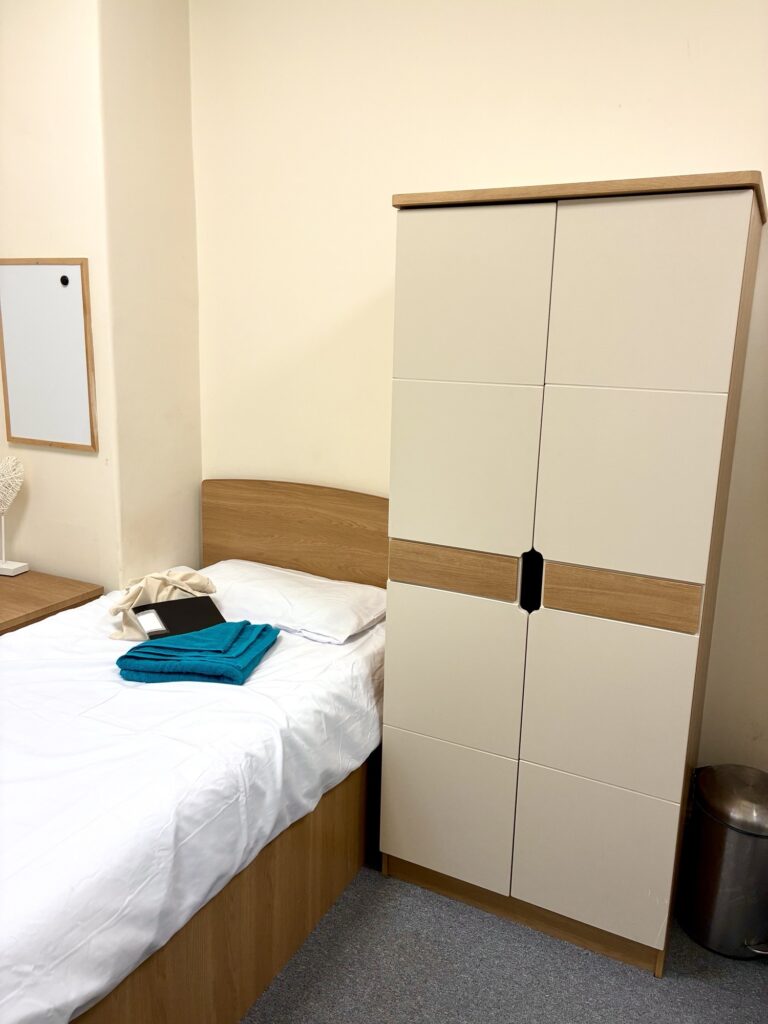
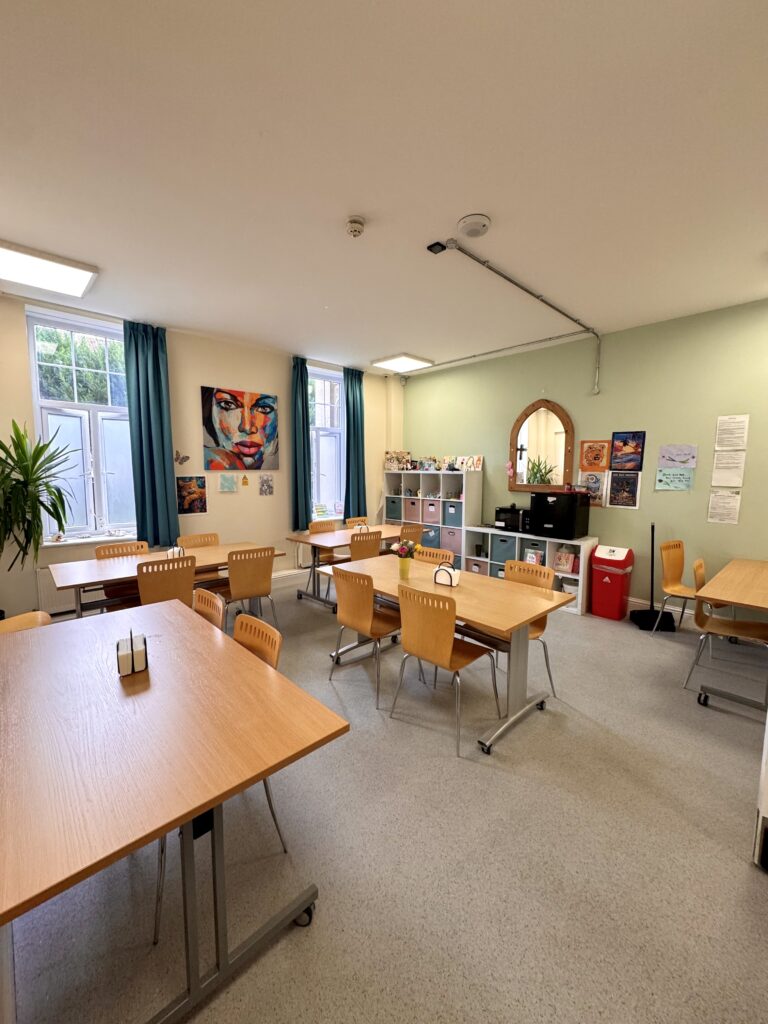
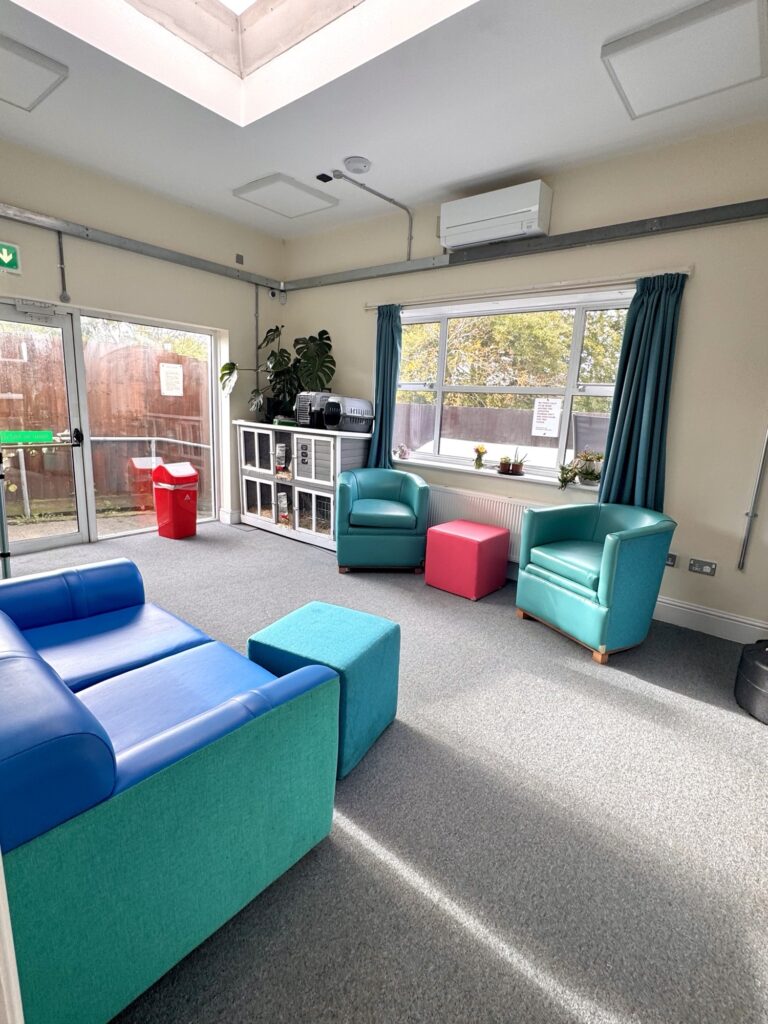
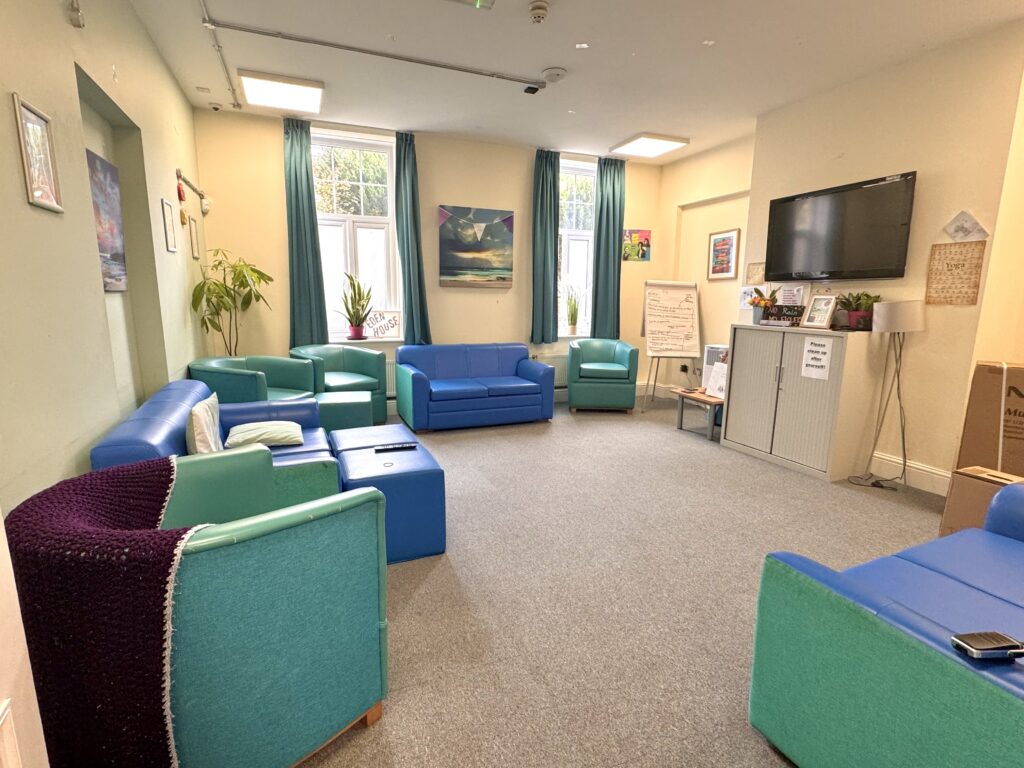
- We were impressed by the homely and spacious environment at the AP, which was exceptionally clean, well maintained, and furnished to a high standard. At the time of our inspection, there were no outstanding maintenance issues.
- The AP was fully catered, providing residents with three meals per day. There was thoughtful consideration of meal planning, with care given to provide healthy nutritious meals. Adaptations were made for residents who were either working or away from the AP for appointments, who were provided with a packed lunch to take with them.
- Security arrangements were effective, and the AP benefited from comprehensive closed-circuit television coverage, with high-quality footage accessible to staff via iPads as they moved around the premises. Managers also had remote access to the system, which proved particularly valuable for overseeing critical incidents outside regular operating hours.
- The AP was equipped with two designated ‘arson bedrooms’, to help manage the risks associated with fire-setting behaviours. In addition, four bedrooms were fully fitted with anti-ligature furnishings, to support individuals presenting with heightened risks of suicide and self-harm. Case inspections showed that these rooms were being used appropriately to mitigate risk.
Areas for improvement:
- There were four shared bedrooms in the AP, and inspectors were told that this arrangement often led to complaints from residents who were reluctant to share. Given the high prevalence of mental health issues and histories of trauma among women in the criminal justice system, room sharing arrangements were not always consistent with trauma-informed care principles.
- While appropriate safety systems, including reactive welfare checks, were in place to safeguard residents, the AP was not fully compliant with the National Welfare Check Policy. Specifically, the additional roused response checks needed during the first three weeks of residency for individuals at increased risk of overdose had not been consistently implemented. This finding was shared with managers during the fieldwork and immediate remedial action was taken to address the issue.
- The AP’s panic alarm system was operated via a button on portable radios, rather than through fixed alarm points. During the fieldwork, inspectors observed that staff occasionally carried only one radio between them when working in pairs. This practice posed a potential safety risk, particularly if staff were to become separated and unable to activate the alarm independently.
Public protection (Back to top)
| The approved premises effectively protects the public. | Rating |
| Outstanding |
Strengths:
- Eden House was appropriately represented at multi-agency public protection arrangements (MAPPA) meetings, with attendance shared between the AP manager and deputy manager. When specific risks or concerns about resident manageability were identified outside of these meetings, the Probation Service AP area manager provided valuable support by facilitating professional discussions among colleagues to ensure coordinated and effective responses.
- Within our case inspections, we found enforcement decisions to be appropriately balanced, proportionate, and consistently recorded within the case records.
- Safeguarding practices were strong and underpinned by vigilance, training, and proactive intervention. During the fieldwork, we observed a thorough room search, with staff demonstrating a clear understanding of potential safeguarding indicators, taking appropriate action when concerning items were found.
- As one of only eight women’s APs in England, Eden House accommodated residents from across a wide geographical area. Despite this, the AP maintained effective collaboration with probation delivery units, ensuring timely and appropriate information sharing to support risk management.
- There were effective partnership arrangements to support risk management. A positive relationship with local response policing enabled prompt action to be taken when necessary including timely arrests for recalls in cases of escalating or unmanageable risk.
- During the fieldwork, we observed both morning and evening handovers, which were conducted thoroughly, with staff demonstrating professional curiosity and a strong grasp of risk. Alongside shift handovers, the AP held a daily tasking meeting led by the manager, where staff discussed necessary actions to manage risk and safeguard others.
- Substance misuse among residents was monitored closely. Breathalyser testing was embedded into daily routines and accepted by residents as part of the AP’s culture. Drug testing was conducted appropriately and in line with legislative requirements, and decisions made in response to positive results reflected a considered and proportionate approach to risk management.
Areas for improvement:
- Allocation decisions were made by the central referrals unit (CRU), with limited input from local managers. While this process followed national protocols, inspectors noted discrepancies in room-share suitability assessments, with occasional differences between CRU decisions and those of probation practitioners. Pressures linked to occupancy targets created expectations to place residents in shared rooms, even when local assessments raised concerns about suitability.
Rehabilitation (Back to top)
| The approved premises delivers activity to reduce reoffending. | Rating |
| Outstanding |
Strengths:
- There was a well-structured schedule of rehabilitative activities, offering residents 13–16 sessions each week. These included a blend of recreational options – for example, arts and crafts and quizzes – alongside educational opportunities such as mathematics tutoring. The programme also incorporated targeted interventions to address resettlement needs, including substance misuse support and help with accommodation.
- Underpinning the schedule of activities was an impressive network of partnerships that collectively supported residents’ rehabilitation and wellbeing. These arrangements spanned mentoring, education, health, and community engagement, creating a holistic environment for positive change. Residents benefited from one-to-one mentoring, practical support, and volunteering opportunities. Substance misuse support was robust, with Horizons offering targeted interventions and Cocaine Anonymous providing peer-led recovery groups. Additional initiatives, such as hairdressing visits, ensured that residents could maintain a sense of pride and confidence. The offender personality disorder (OPD) team complemented these efforts through skills-based groupwork and individual sessions addressing trauma and emotional regulation.
- In line with trauma-informed practice, the AP adopted a reward-based approach to engaging with rehabilitative opportunities, rather than a punitive one, supporting residents to make their own choices and feel in control of their decisions. Attendance was incentivised through a loyalty card scheme, with residents receiving a voucher on collecting the required number of stamps. All residents were also celebrated on departure and given a practical leaving gift to support their onward move.
- There were two therapy rabbits on site, and residents could take responsibility for feeding and cleaning them. The presence of therapy animals formed an important part of the trauma-informed approach, supported by evidence that such animals can aid emotional regulation and foster a sense of connection.
- The AP offered voluntary opportunities to former residents, including one who regularly returned to document the weekly meetings of residents, to ensure that their voices were heard, and another who contributed by delivering talks on lived experience. Current residents also had the chance to act as ‘buddies’, supporting others in accessing the local community. Those who took on this role were rewarded with a voucher, allowing them to enjoy a coffee and snack during their outing.
- Keywork was delivered consistently and to a good standard. Weekly meetings chaired by the AP manager provided a structured forum for keyworkers to review all residents against the objectives set out in their probation referrals. These objectives were agreed in residence plans, and when gaps were identified, such as activities not aligning with referral requirements, staff worked proactively to find solutions. This approach ensured that the work undertaken within the AP complemented and aligned with the work delivered by probation practitioners.
- Residents received a thorough and detailed induction. They were also provided with a welcome pack in their rooms containing key information from the induction, acknowledging that the volume of material shared during the initial session could be difficult to absorb all at once. In addition, a gift bag was provided, which included essential items such as toiletries and sanitary products. These packs were adapted in line with EDI considerations.
- The AP undertook bi-monthly in-reach work at HMP Eastwood Park which enabled pre-arrival engagement with prospective residents. Staff were also supported in preparing for residents’ arrival through the use of a ‘release passport’, developed by the OPD team. This resource outlined key information to guide staff in supporting the transition from custody to the AP. Staff told inspectors that the passports were a valuable tool in facilitating effective planning and support.
- Relational practice, as a core component of trauma-informed care, was embedded throughout the work at the AP and consistently informed staff interactions and service delivery. Eden House had been awarded the Enabling Environments award earlier in the year, recognising the organisation’s commitment to fostering high-quality, supportive relationships.
- A key strength of Eden House was its proactive approach to supporting residents’ successful onward move and preventing homelessness. Staff were consistently active in this regard by arranging referrals to accommodation providers and helping residents with property bidding.
Areas for improvement:
- During the inspection, residents told inspectors that the schedule of activities provided by the AP had not included any significant EDI events. The rehabilitative activity programme could have been strengthened by incorporating events and themes aligned with the EDI calendar.
Press release (Back to top)
“Impressive” Eden House Approved Premises in Bristol, rated ‘Outstanding’ following inspection
Further information (Back to top)
This inspection was led by HM Inspector Claire Andrews, supported by a team of inspectors and colleagues from across the Inspectorate. We would like to thank all those who helped plan and took part in the inspection; without their help and cooperation, the inspection would not have been possible.
Images (Back to top)